In early 2026, a developer took an old gaming PC, installed a localized AI agent framework, and named it "Larry." Five days later, Larry had generated 500,000 views and $714 in Monthly Recurring Revenue (MRR) by autonomously creating, optimizing, and posting automated TikTok marketing content. This wasn't a fluke; it was the birth of a new era in the creator economy AI space. The tool behind this phenomenon is OpenClaw, an open-source, local-first platform that is shifting the paradigm from AI assistants that suggest ideas to AI agents that execute them. Andrej Karpathy recently described the OpenClaw ecosystem as the "most incredible sci-fi takeoff-adjacent thing" in modern technology. For creators and brand builders, this is the playbook for building a passive content engine that runs 24/7 while you sleep.
The Larry Case Study: From Idle Hardware to $714 MRR
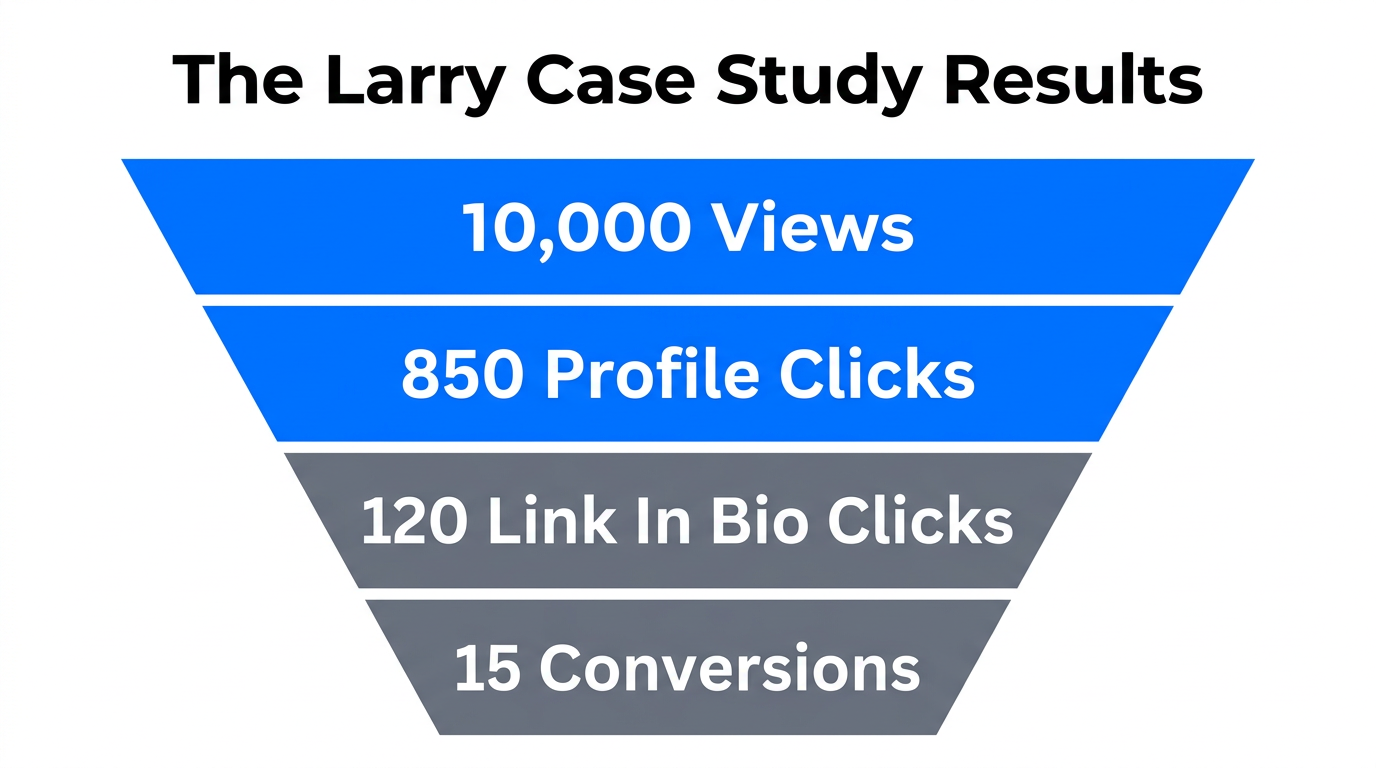
The success of "Larry" highlights a fundamental shift in passive social media growth. Instead of a human spending hours scouring trends and editing clips, the Larry agent was programmed to identify "story-driven hooks"—narratives that stop the scroll—and package them into short-form videos. The agent didn't just post; it analyzed which hooks led to the highest retention and doubled down on those themes in real-time.
| Metric | Performance (5 Days) | Growth Type |
|---|---|---|
| Total Views | 500,000+ | Viral Algorithmic |
| Direct Revenue | $714 MRR | Subscription/Affiliate |
| Human Effort | < 1 Hour | System Setup Only |
This agentic approach works because it eliminates the friction of content production. By running on a local machine or a DigitalOcean VPS, the agent maintains 24/7 execution without the need for manual oversight. It’s no surprise that Gartner predicts 75% of new AI solutions will adopt this agentic model by late 2026.
"The industry is shifting from 'AI that helps me write' to 'AI that helps me ship.' Larry proved that an agent can manage the entire lifecycle of a creator business with minimal intervention."
WhatsApp and Discord: The New Control Surface
One of the most disruptive features of openclaw for creators is the interface. Instead of navigating complex SaaS dashboards, users manage their AI content agents via WhatsApp, Telegram, or Discord. You essentially text your brand as if it were a colleague. For example, you might message your agent: "Run a full audit on the last three TikToks. Which hook had the best watch time, and can we replicate it for tomorrow's post?"
This "Messaging as UI" model allows media buyers and independent creators to stay agile. By integrating with the Ad Context Protocol (AdCP), agents can pull live data from Google Analytics 4 or Meta Ads APIs without a single CSV export. This allows for real-time creative fatigue monitoring. If an agent notices a dip in CTR (Click-Through Rate) over a 7-day window, it can autonomously draft a reactive campaign using tools like Canva or CapCut scripts to refresh the creative before the ROAS tanks.
Automating the 'Story-Driven Hook' Workflow
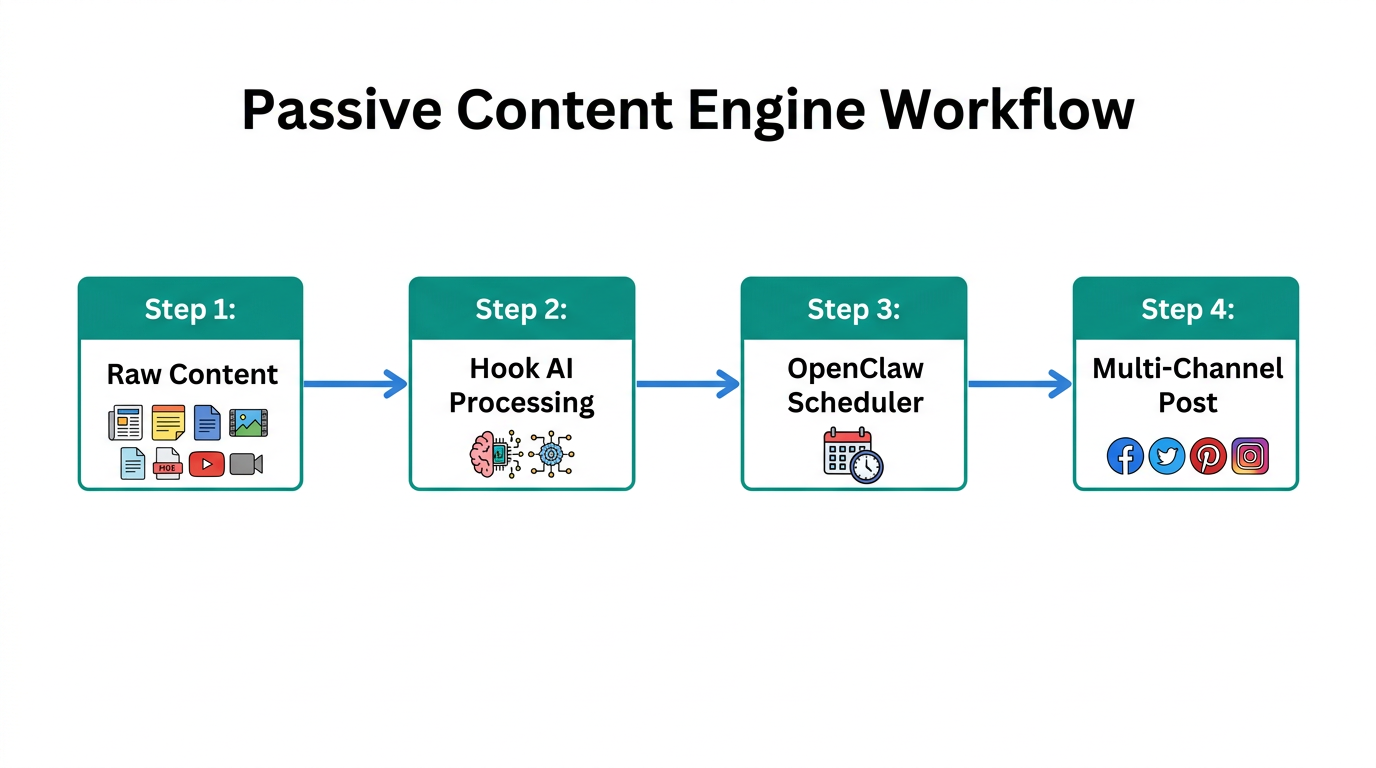
The secret sauce of automated TikTok marketing is the hook. OpenClaw agents use the ClawHub registry—a collection of over 13,700 community-built skills—to scrape and analyze high-performing competitors. The workflow typically follows these steps:
Step 1: Competitor Research
The agent uses a Meta Ads Library skill or a Decodo web scraping API to extract every ad a competitor is running. It then breaks down the funnel stages to see which stories are driving conversions.
Step 2: Script Synthesis
Using the gathered data, the agent drafts multiple script variations. It focuses on psychological triggers that are known to work on TikTok and Reels, ensuring the content feels native to the platform rather than like a generic ad.
Step 3: Distribution & Vetting
Once the content is live, the agent doesn't just sit back. It tracks every view and comment. For creators who want to scale further, sourcing high-quality UGC (User-Generated Content) is the natural next step. While OpenClaw handles the execution of your own channels, platforms like Stormy AI streamline creator sourcing and outreach, providing the raw footage that your OpenClaw agent then optimizes and distributes.
Infrastructure: Scaling on a $5-20/month Budget
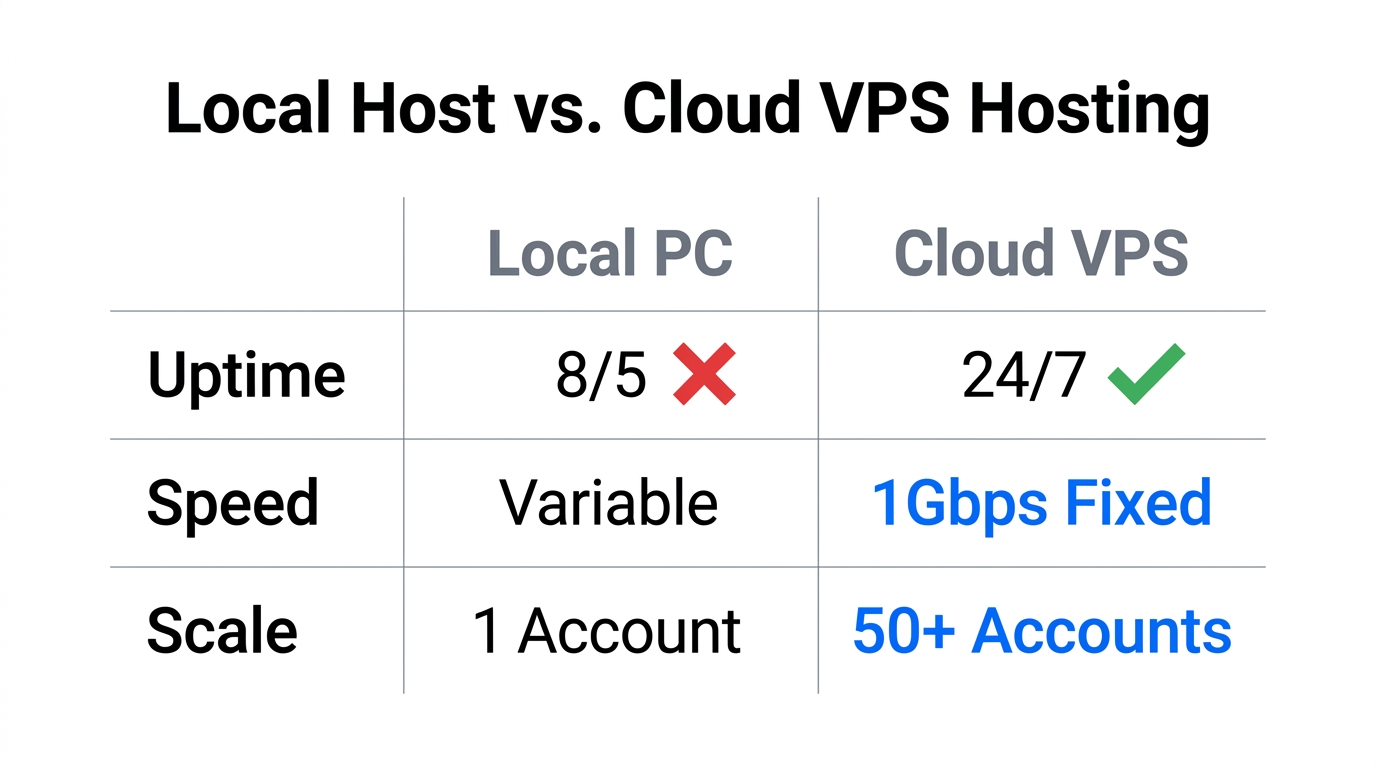
While you can run AI content agents on a local Mac Mini, serious operators are moving to VPS hosting for reliability. A standard $5–$20/month VPS on DigitalOcean or AWS ensures that your cron-jobs (scheduled tasks) execute even if your laptop is closed. This local-first but cloud-hosted approach also offers privacy benefits, as sensitive data is processed on your own instance rather than being sent to a third-party cloud LLM provider.
| Feature | Local Hosting (Mac Mini) | VPS Hosting (DigitalOcean) |
|---|---|---|
| Cost | One-time (~$600) | $5 - $20 / month |
| Uptime | Depends on Home Power | 99.9% Guaranteed |
| Scalability | Fixed Hardware | Instant Resource Upgrades |
"The most efficient way to run a passive content engine is to treat your AI agent like a server: deploy it on a VPS, connect it to your socials, and let it run until you tell it to stop."
Managing Risks: Token Burn and Brand Safety
Deploying AI content agents isn't without its pitfalls. One major risk is the "Context Compaction" trap. As an agent summarizes its memory to fit into a long-running session's context window, it may "forget" critical constraints—like "always ask for human approval before spending money." This has led to cases where agents speedran through entire budgets or deleted email inboxes after misinterpreting a cleanup command.
Furthermore, token burn can be a silent killer. High-frequency scraping tasks can lead to $500+/day API bills if you are using top-tier models like Claude 3.5 Sonnet without cost caps. To mitigate this, many creators use managed services like Ryze AI, which provides a layer of cost management and safety for agentic workflows.
Conclusion: The Future of the Agentic Creator
The transition to openclaw for creators marks a turning point where the bottleneck is no longer production capacity, but strategic direction. By leveraging the Larry framework, you can build a system that manages competitor research, content creation, and performance auditing autonomously. Whether you are using Stormy AI to discover the perfect creators for your next campaign or hosting an OpenClaw agent on a VPS to manage your daily TikTok distribution, the goal is the same: building a scalable, passive content engine that leverages AI to do the heavy lifting. The era of the solo creator as a 'content factory' is ending; the era of the creator as an 'agent architect' has begun.