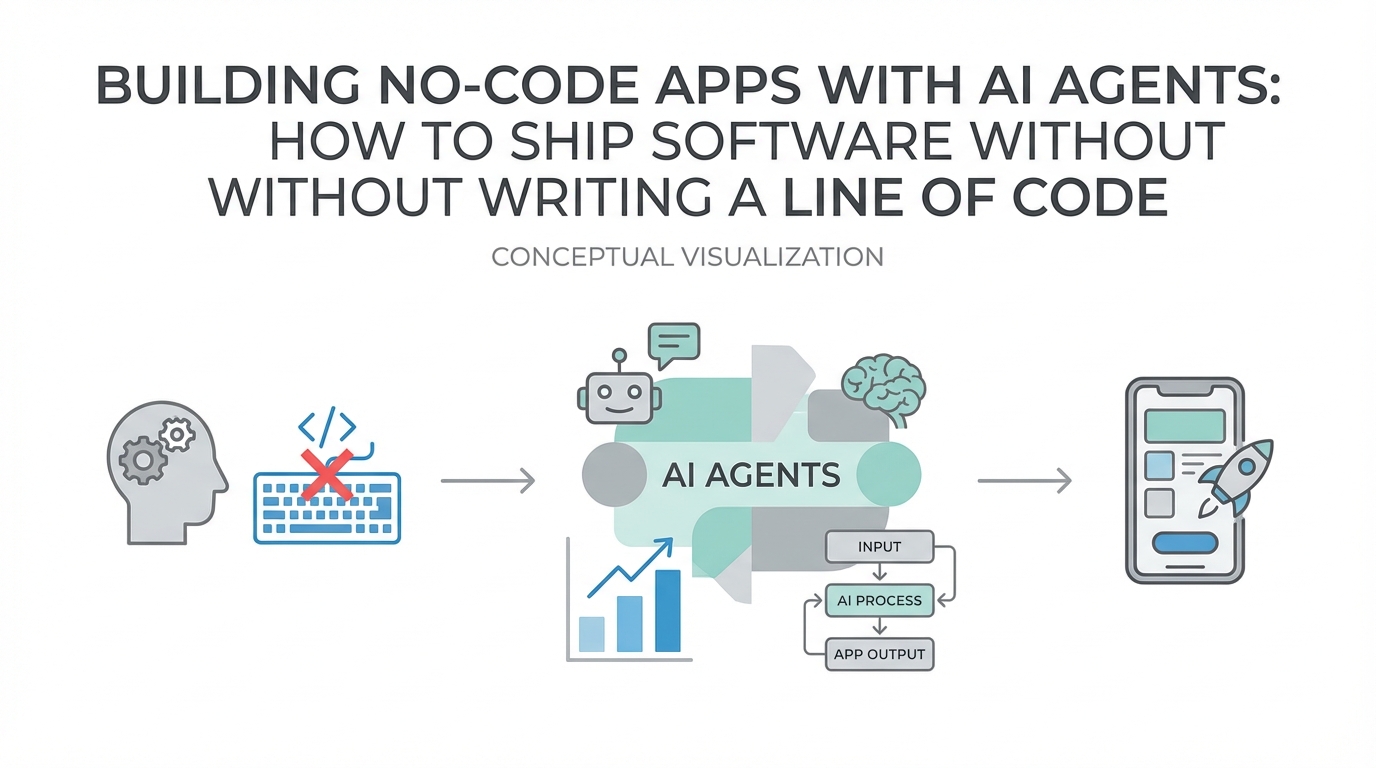
We are currently living through the greatest technological shift in human history. For decades, the ability to build software was a guarded skill, accessible only to those who spent years mastering complex programming languages. But today, the barriers have collapsed. We are in the midst of an AI gold rush where the goal isn't just to build billion-dollar companies, but trillion-dollar ones. As Greg Isenberg, CEO of Late Checkout, points out, we have reached a point where a billion people have the ability to turn their ideas into reality, into actual businesses, and into products that solve real-world problems. The era of the non-technical founder isn't just coming; it is already here, powered by autonomous engineering and AI agents.
Understanding Autonomous Engineering: From Code to Context
For the longest time, software development was a manual, painstaking process of "plumbing." You had to connect databases, manage servers, and write thousands of lines of boilerplate code just to get a basic prototype running. This traditional AI software development model was expensive and slow. However, the paradigm shifted in 2022 when OpenAI released ChatGPT. It was the moment AI moved from being a "cute recommendation engine" hidden in the background of your TikTok feed to a collaborative partner that you could converse with.
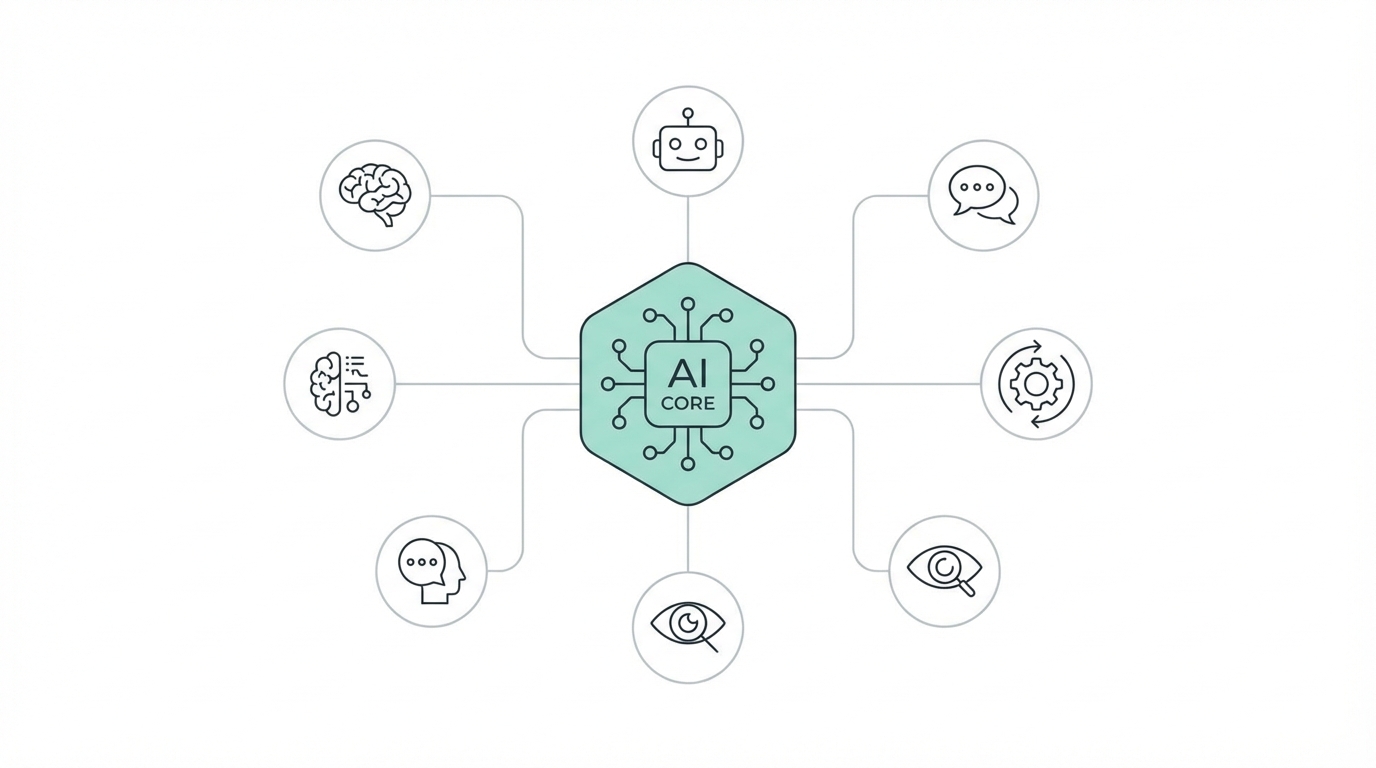
Autonomous engineering is the next evolution of this shift. Instead of writing code, you are now managing a digital team. You are "birthing" a digital employee—an AI agent—that takes a high-level objective and executes the technical tasks required to reach it. These agents are built on three core pillars: Brain (the LLM), Memory, and Tools. By providing these agents with the right context, they can perform tasks that previously required a $1M engineering budget. According to recent market analysis, AI companies like Anthropic have seen valuations soar, signaling that the market recognizes this shift toward autonomous, agent-led production as the new standard for innovation.
The Shift from 'Plumbing AI' to 'Generative AI'
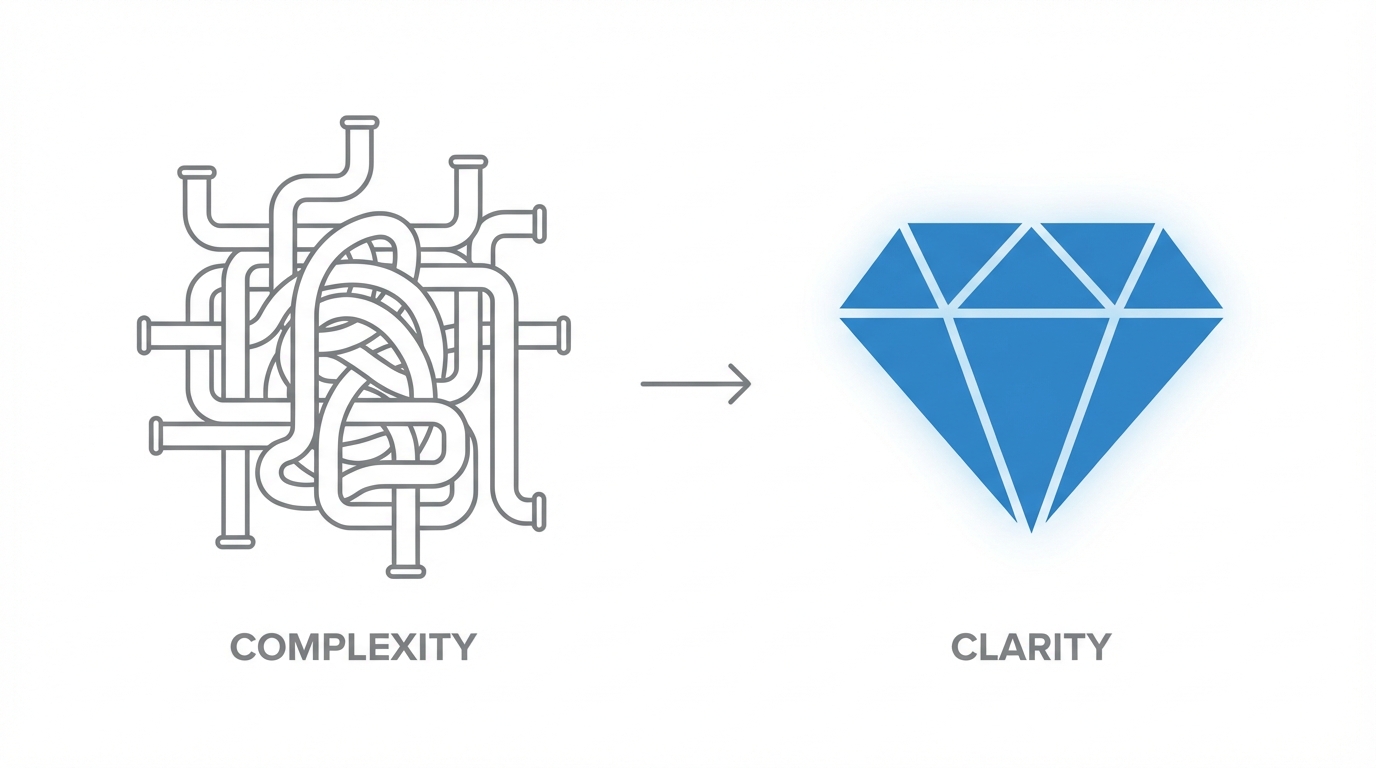
To understand how to build an app with AI, you must understand the difference between the "plumbing" of the past and the "generative" tools of the future. Plumbing AI is what powers the ranking on your Reddit feed or the search results on Google. It’s effective, but it’s invisible. Generative AI, specifically AI coding assistants, is proactive. It doesn't just rank content; it creates the containers for it.
We have moved into a permissionless era. In the early days of Silicon Valley, if you wanted to build on a platform, you had to ask for permission or follow strict gatekeeper protocols. Today, you can use no code AI tools to generate an infinite amount of interesting products. This shift has made the "solo founder" the default rather than the exception. You no longer need to raise $135,000 just to build a MVP (Minimum Viable Product). You can now ship software while sitting in your underwear in a hotel room, reaching thousands of users in under 24 hours.
The Bolt Playbook: Shipping a Web App in 5 Minutes
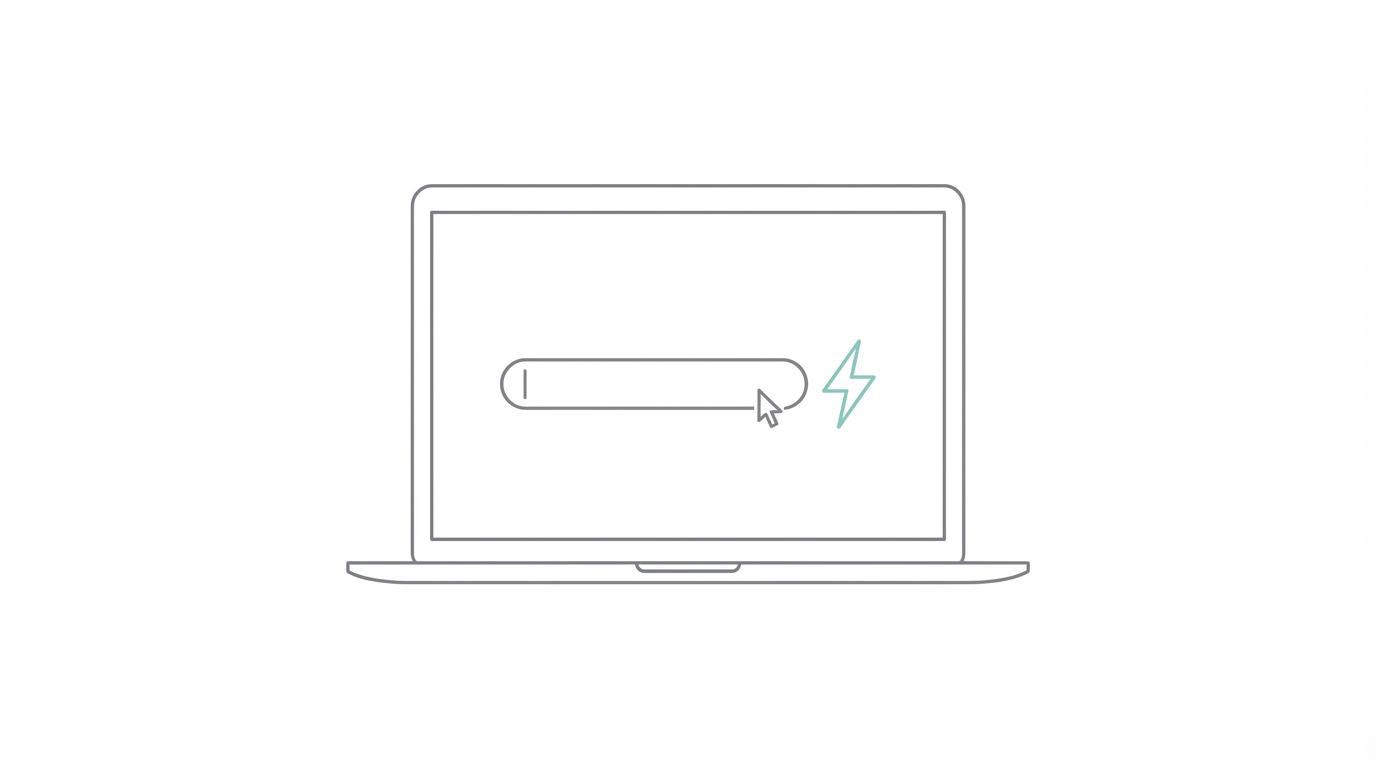
One of the most revolutionary tools in this space is Bolt. Bolt represents the "last bullet in the chamber" for many founders—a tool so powerful it can design, code, and deploy a web application in mere minutes. If you want to know how to use Bolt AI to its full potential, follow this step-by-step playbook:
Step 1: Define the Objective in Natural Language
Forget syntax. Start by describing your app as if you're talking to a smart friend. For example: "Build a revolutionary music app that allows users to collaborate on playlists in real-time with a neo-brutalist design." The AI brain processes this prompt and begins structuring the architecture.
Step 2: Iterative Design and Coding
Bolt doesn't just give you a static file; it builds the environment. It handles the autonomous design and engineering, creating the frontend and backend simultaneously. If you don't like a specific button or a workflow, you simply tell the AI to "make it more minimalist" or "add a payment gateway via Stripe."
Step 3: Deploy and Test
What used to take a month of engineering time now takes literally five minutes. Once the AI has generated the code, you can deploy it instantly to a live URL. This allows for rapid feedback loops. You can show it to 10 people, get 10 comments, and have the AI refactor the code in seconds based on that feedback.
Scaling Your AI-Built Product
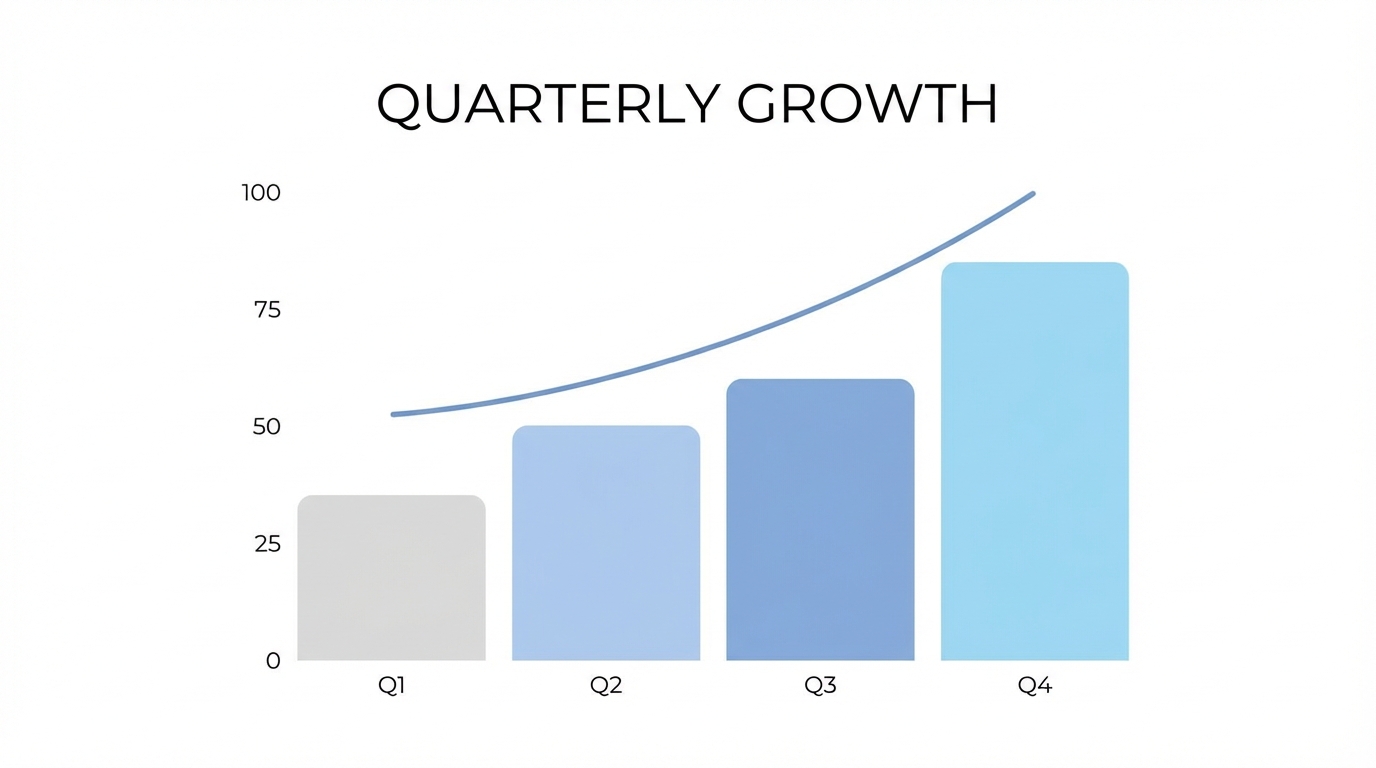
Once you have used no code AI to ship your product, the next challenge is growth. The "consumer is back," and the speed at which you can acquire users is faster than ever. However, even with an AI-built app, you still need to connect with your community and find an "unfair advantage." This is where modern marketing stacks come into play.

For founders who have successfully used AI coding assistants to launch, the next logical step is automating the outreach. Platforms like Stormy AI can help source and manage UGC creators at scale, allowing solo founders to run massive influencer campaigns without a dedicated marketing team. By using an AI agent to discover and outreach to creators on platforms like Instagram and TikTok, you can maintain the same lean, high-velocity operation that allowed you to build the app in the first place.
The Personal Hackathon: Turning Ideas into a Portfolio
The best way to master these tools is to get your hands dirty. We recommend running a "personal hackathon." Dedicate 90 minutes a day to "fussing around" with new tools. The goal isn't to build a billion-dollar company on day one; it's to ship. Greg Isenberg and his team recently hosted a massive hackathon to prove that thousands of builders could ship apps simultaneously using tools like Bolt and Anthropic’s Claude.
To run your own hackathon, follow these principles:
- Commit to a 30-day window: Give yourself a deadline to turn a list of ideas into a portfolio of shipped products.
- Focus on community problems: Don't try to build the next Facebook. Build a tool that solves a specific problem for a specific community you understand.
- Treat it as a job: Consistency is the only way to move from a hobbyist to an AI master.
Solving Community Problems Without a $1M Budget
The true power of build an app with AI technology lies in democratization. In the past, if a local community needed a specific tool—perhaps a specialized marketplace or a niche social network—they were at the mercy of large tech companies or expensive agencies. Now, an individual with zero coding experience can identify a gap and fill it. This is "permissionless innovation" at its finest.
Whether you are building a tool for a local gaming group or a specialized CRM for a niche industry, the AI agents available today act as your workforce. They can handle the heavy lifting of Meta Ads Manager integration, data processing, and user interface design. As these models get 1% better every month, the range of tasks they can perform grows exponentially. We are currently at a stage where LLMs can beat humans on a significant portion of basic software tasks, and that number is only going up.
Conclusion: The Future is Built by Those Who Prompt
We are at the dawn of a brand new platform. The "gold rush" is real, and the barrier to entry has never been lower. By leveraging no code AI and tools like Bolt, you can transition from someone who has ideas to someone who ships products. You no longer need to be a software engineer who spends years learning C++; you just need to have something to say and the discipline to use the tools available to you.
As you build and scale your new applications, remember that the software is only half the battle. Connection and community are the other half. Using an AI agent for creator discovery can ensure that once your app is live, it actually finds its way into the hands of the people who need it most. The window of opportunity is open right now. Stop yapping, go to work, and start shipping.