In 2026, the barrier to entry for building a software product has effectively vanished. We have entered the era of the "one-hour company stack," where a founder can grab a validated concept from Idea Browser, vibe-code a functional MVP using Claude Code, and secure their first paying customer before lunch. But as the cost of creation hits zero, the cost of attention has skyrocketed. To survive the creator economy growth explosion, builders are shifting away from mass-market dreams and toward the creation of micro-monopolies—highly defensible, high-margin niche brands powered by AI agents and radical transparency.
The New Math: From 1,000 to 100 True Fans
 12:30
12:30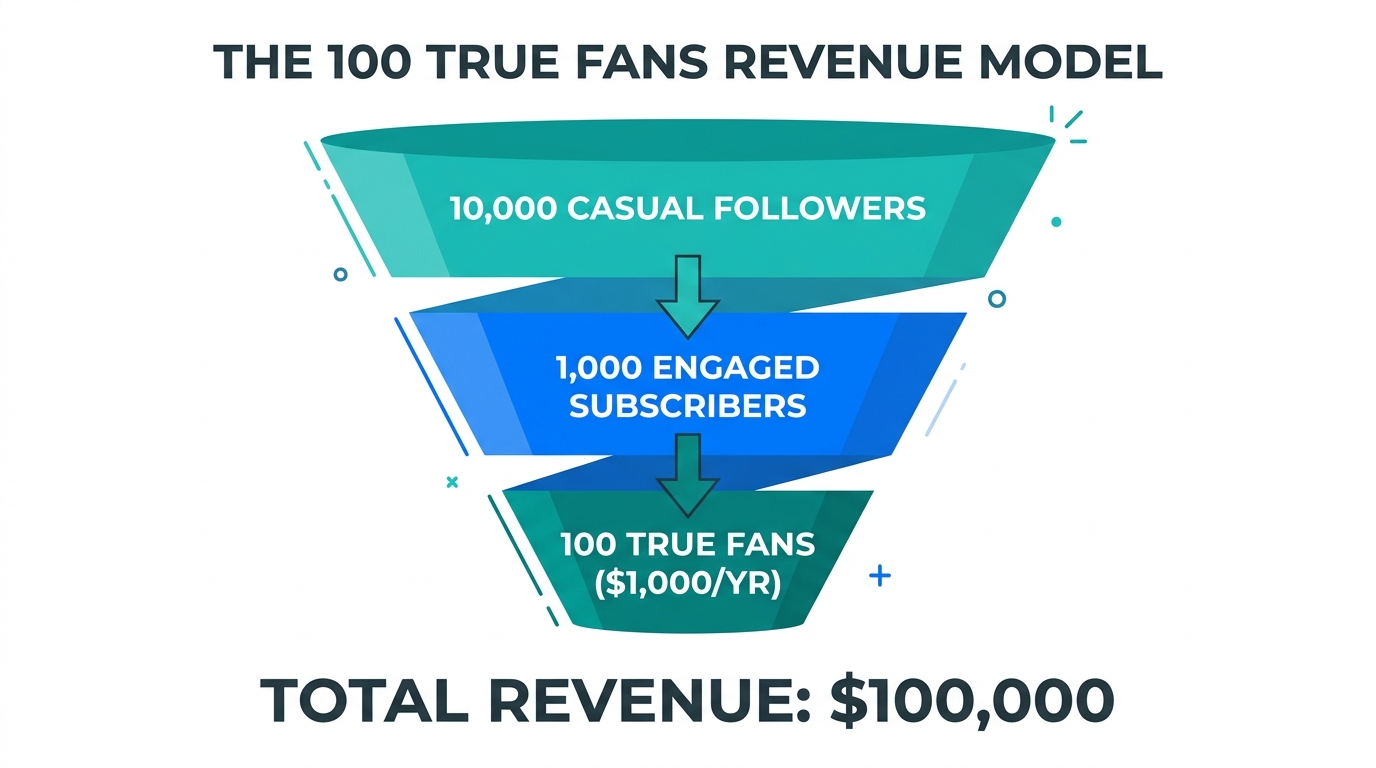
For nearly two decades, Kevin Kelly’s "1,000 True Fans" was the gold standard for independent creators. The math was simple: find 1,000 people to pay you $100 a year, and you have a $100,000 business. However, in 2026, the AI distribution moat has changed the denominator. Because AI agents now handle everything from customer support to complex dev tasks, the overhead of running a business has plummeted. We are now seeing the rise of the 100 True Fans model.
When your "team" consists of a fleet of autonomous agents rather than a payroll of fifteen employees, your break-even point shifts dramatically. A micro-monopoly serving just 100 customers at $50 per month can generate $60,000 in annual profit for a solo founder with nearly 95% margins. This isn’t just a small business; it is a high-leverage engine that can be duplicated across multiple niches.
| Metric | 1,000 True Fans (Old Model) | 100 True Fans (2026 Model) |
|---|---|---|
| Primary Labor | Human Employees | Autonomous AI Agents |
| Average Margins | 30% - 50% | 85% - 95% |
| Scaling Trigger | Hiring more people | Spinning up more agents |
| Market Focus | Broad Niche | Hyper-Specific Micro-Niche |
"In 2026, the most successful creators aren't chasing millions of followers; they are orchestrating fleets of agents to dominate hyper-specific micro-markets."
Leveraging AI to Build Distribution Flywheels
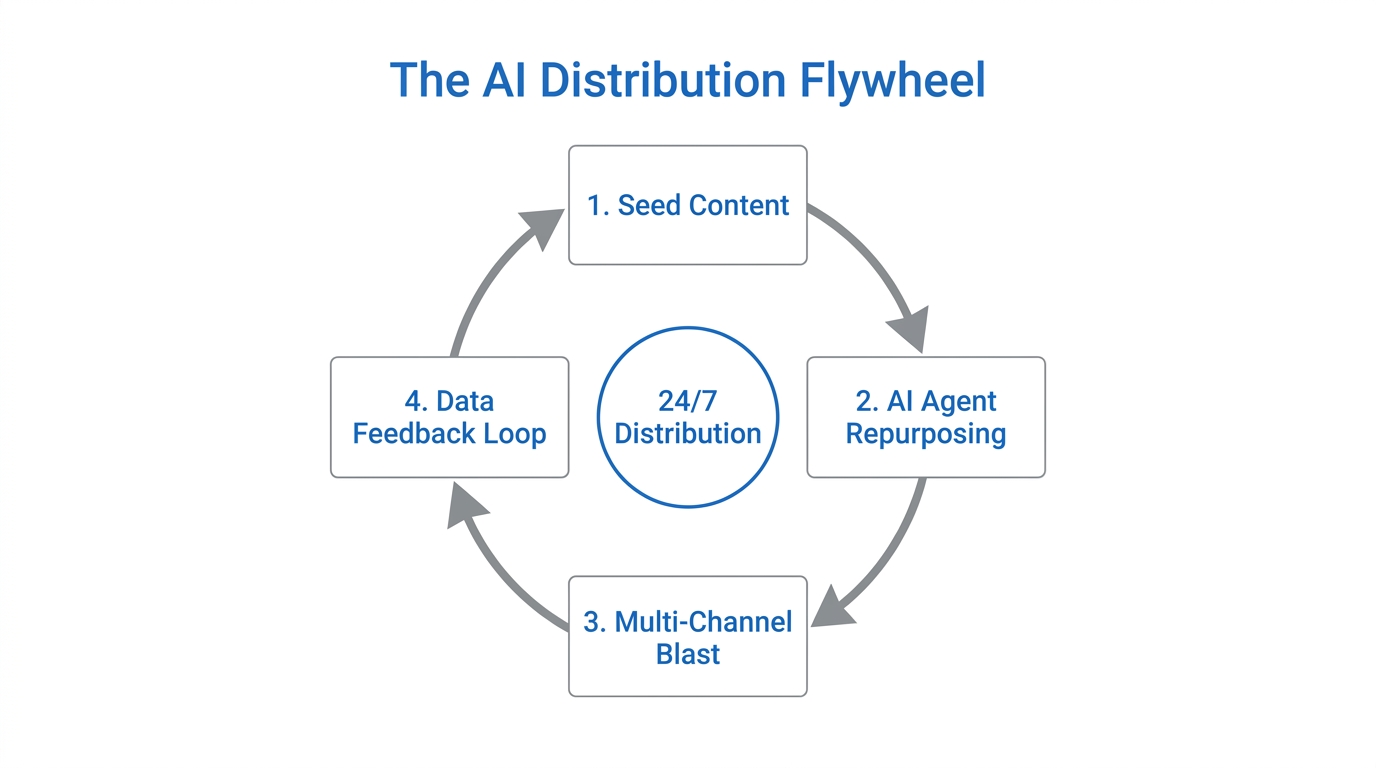
Building the product is now the easy part; building the distribution is the moat. Savvy marketers are using AI to create "ambient businesses" that run with zero daily human input. These systems use agents to monitor social trends on platforms like TikTok and LinkedIn, identify gaps in the market, and execute content strategies in real-time. By utilizing a influencer marketing strategy 2026 approach, brands are no longer just posting content—they are building automated distribution flywheels through newsletters and social media.
To scale these micro-monopolies, founders are turning to tools like Stormy AI. By using natural-language search to find the exact 100 to 5,000 influencers who already own the attention of their target niche, they can bypass the "cold start" problem of traditional marketing. Managing these relationships through an AI-powered CRM allows a single founder to maintain the personal touch of a boutique agency at the speed of a software giant.
The Scarcity Flip: Judgment Over Execution
6:40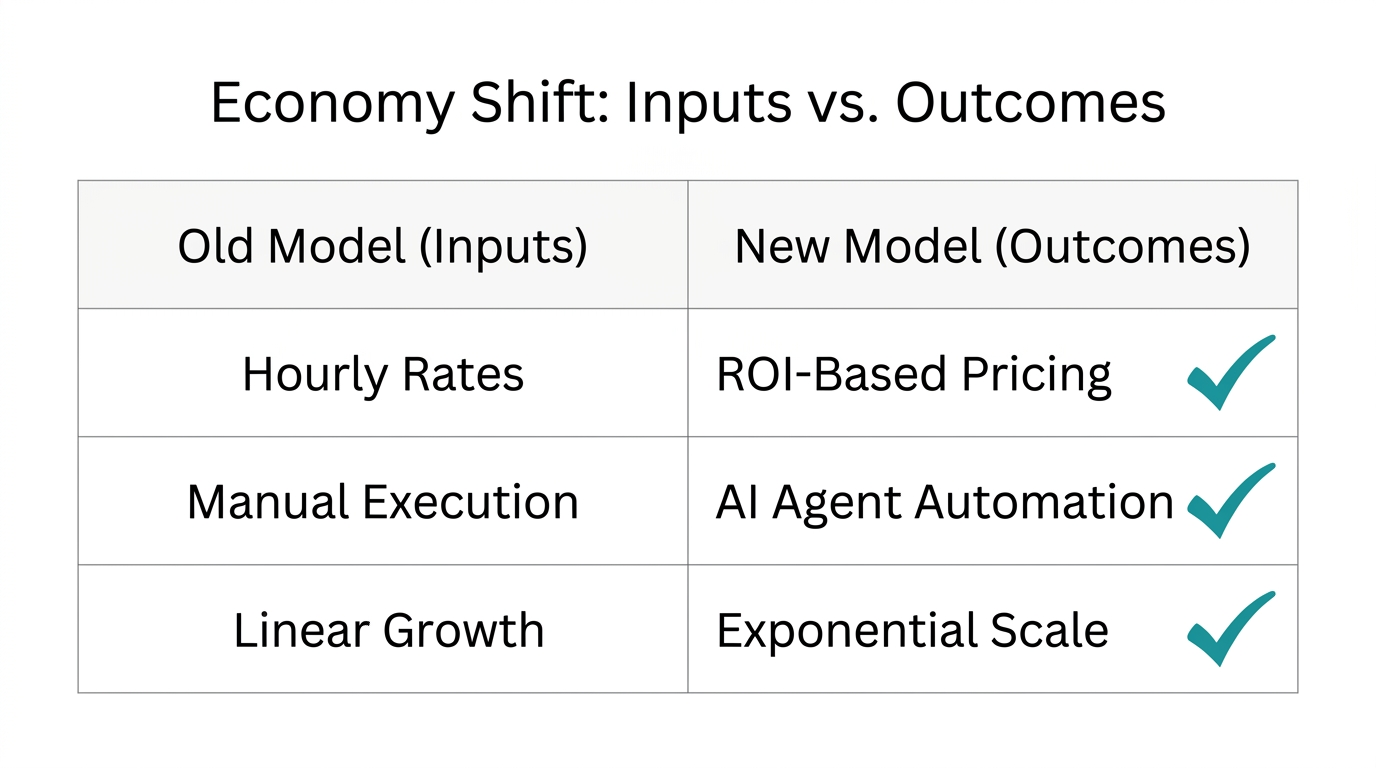
As AI commoditizes execution—coding, basic writing, and routine analysis—the value is migrating to human judgment and taste. We are witnessing a "scarcity flip" where the most premium products are those that are human-led or 100% human-made. Brands like Porsche have already experimented with AI-free logo campaigns to signal luxury and authenticity.
In the 2026 market, there is a clear hierarchy of value:
- Commodity: Fully AI-generated services with race-to-zero pricing.
- Premium: AI-assisted but human-led products that combine AI speed with human taste.
- Ultra-Premium: Certified "Human-Made" experiences that lean into original, weird thinking that LLMs cannot replicate.
This shift is also changing how we price software. According to Gartner, 40% of enterprise SaaS will shift to outcome-based pricing by 2030. Instead of paying $50 per seat, customers will pay $1.50 per resolved ticket or a flat fee per result. This is because agents are doing the work, not just humans using tools. Platforms like Zendesk are already leading this charge, moving from seat-based licenses to pay-per-resolution models.
Building in Public: Trust in the Age of Synthetic Content
With the rise of "AI slop" and synthetic content, building in public has become a vital defensive strategy. When you share your process, your failures, and your raw data, you create a trust moat that a faceless competitor cannot buy. In 2026, your community are your co-builders. By involving them in the decision-making process, you create a level of brand loyalty that prevents your business from being "forked" by a competitor.
"Transparency is the ultimate repellent for AI-generated clones. You can copy a feature, but you can't copy a relationship built in public over years."
The creator economy growth trends show that audiences are becoming increasingly skeptical of polished, corporate-sounding messaging. They want the "weirdness" of a human founder. This "Founder-Agent Fit" is the new Founder-Market Fit: the ability to orchestrate a fleet of agents while maintaining a distinct, human-centric vision.
The Risks: Navigating the Agent Attack Surface
13:20While the opportunities are vast, the move toward autonomous agents introduces significant risks. Palo Alto Networks has already documented real-world agent injection attacks, where malicious actors trick AI agents via hidden instructions in web content. This is the "new phishing." Instead of tricking a human into clicking a link, hackers are poisoning the context windows of agents to gain system access.
To protect your micro-monopoly, you must maintain strict agent permissions. Just as you would audit your SaaS permissions, you must regularly review what your agents can access: emails, bank accounts, and proprietary code. Digital hygiene is no longer optional; it is a core business function for the AI-native founder.
The Asymmetric Window: Why You Must Start Now
15:00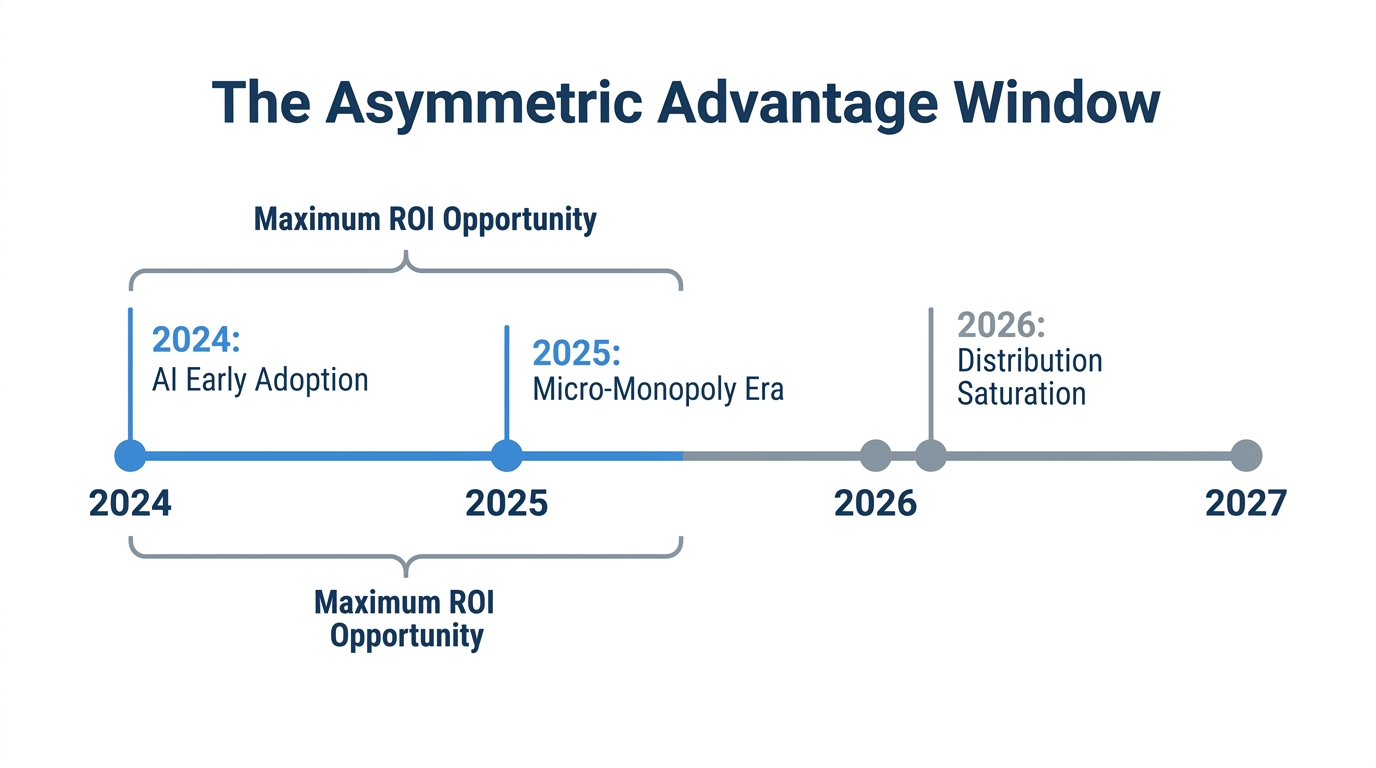
We are currently in a 12-to-24-month asymmetric window. The cost to build is near zero, niches are wide open, and high-leverage tools are just becoming mainstream. According to Y Combinator, there will be over 300 unicorns in vertical AI this decade, replacing traditional labor P&L with agent-based software.
The winners of 2026 will be those who:
- Identify a boring, underserved micro-niche (e.g., logistics for elder care or government accounting).
- Orchestrate a "ghost team" of AI agents to handle the execution.
- Leverage Stormy AI to find and partner with the 100 true influencers in that niche.
- Build in public to establish a defensible brand moat.
The era of the massive, bloated startup is ending. The era of the lean, high-margin micro-monopoly has begun. Stop waiting for the tech to settle—the volatility is the opportunity. It is time to get to work and build your moat.