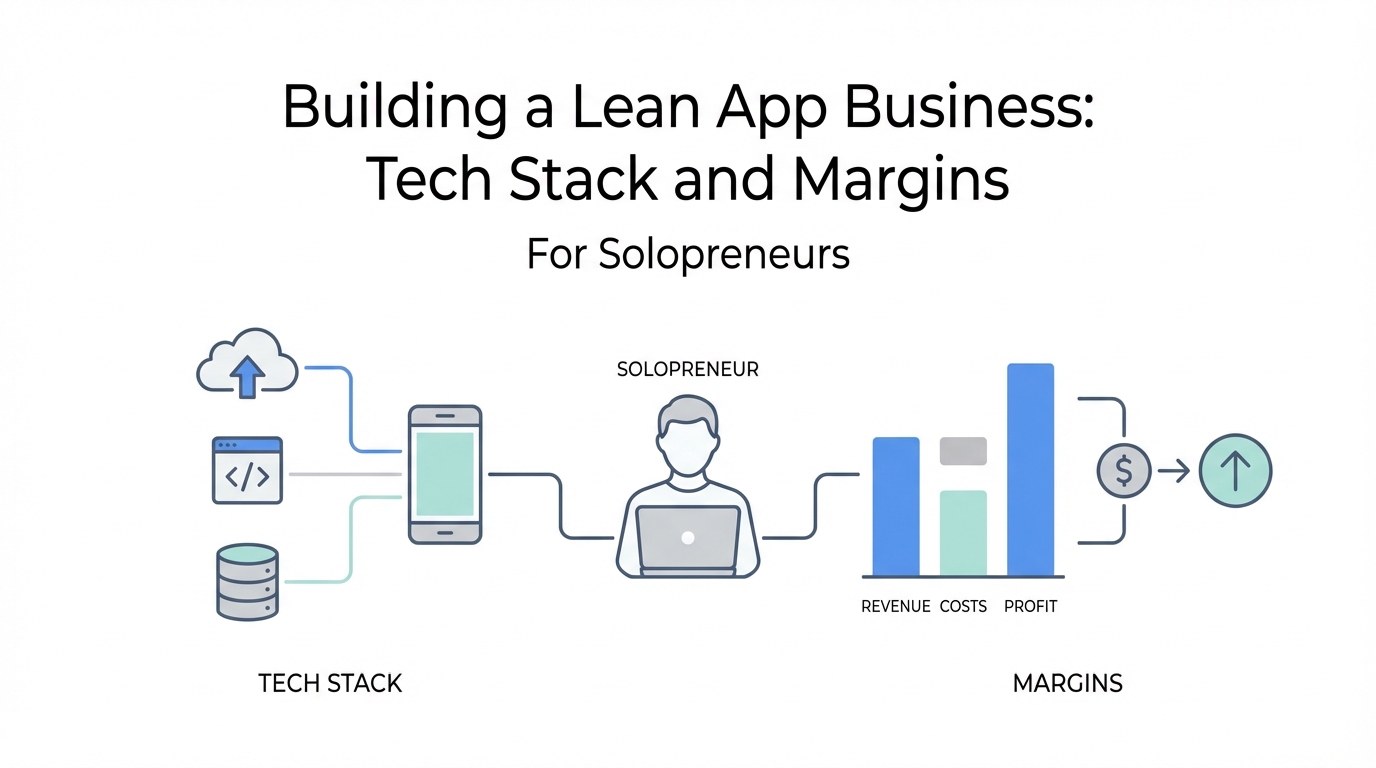
In the traditional world of software development, launching a mobile app used to require a team of engineers, a massive venture capital seed round, and months of painstaking development. But the landscape has shifted. Today, a new breed of solopreneur is emerging—founders who build, scale, and exit million-dollar apps from their bedrooms using a lean startup tech stack and AI-driven workflows. These individuals aren't just building products; they are engineering cash-flow machines with app business profit margins that would make a SaaS veteran blush. By focusing on speed, distribution, and minimal overhead, solo founders are proving that you don't need a massive team to dominate the App Store.
The 'Vibe Coding' Tech Stack: React Native, NestJS, and Firebase
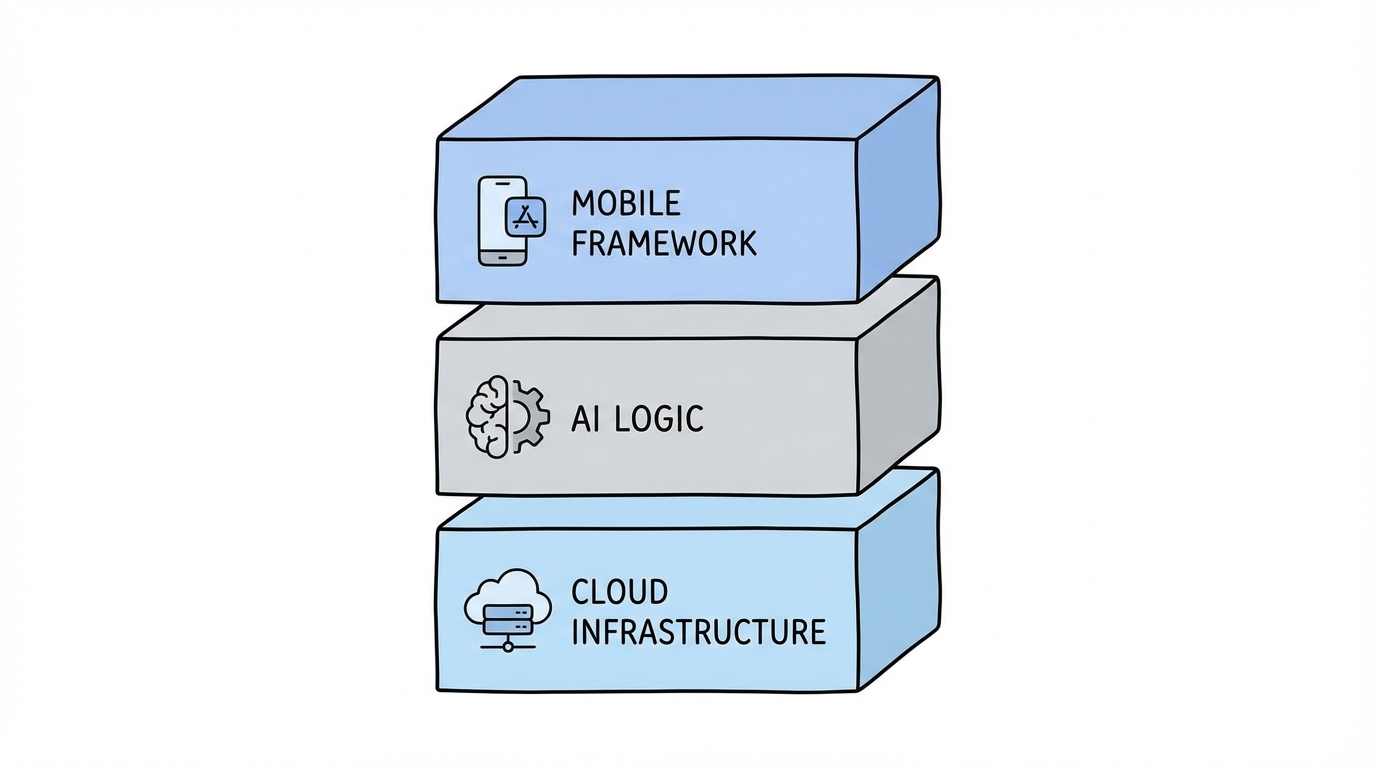
For a solo founder, your choice of technology is your greatest leverage. You cannot afford to manage complex dev-ops or build separate codebases for iOS and Android. This has led to the rise of the "Vibe Coding" stack—a collection of tools that allow you to move at the speed of thought. The foundation of this stack is React Native app development. As demonstrated by successful founders like Kletchi, who generated $1.5 million in revenue in just 12 months, React Native allows you to build a single codebase that delivers a high-performance, native feel on both platforms.
While the frontend handles the user experience, the backend must be just as agile. Many successful solopreneurs pair React Native with NestJS. This framework provides a structured, yet flexible environment for building scalable server-side applications using TypeScript. It allows you to deploy your logic virtually anywhere—whether that is Render, Heroku, or a private VPS—ensuring that your backend can handle a sudden surge in viral traffic without breaking. To round out the stack, Firebase acts as the ultimate "set and forget" database and authentication layer. It is highly scalable, incredibly affordable at low volumes, and removes the need for manual database management, making it perfect for those exploring solopreneur business ideas.
Using AI Coding Tools to Reduce Development Time

Speed is the primary competitive advantage of a solo founder. If it takes you six months to build a Minimum Viable Product (MVP), the market may have already shifted. This is where an AI app builder becomes essential. Modern tools are allowing founders to transition from "writing code" to "vibe coding"—the act of describing an app's functionality to an AI and letting it generate production-ready components. Platforms like Emergent allow you to build full-stack mobile apps with React Native just by chatting with an AI, significantly lowering the barrier to entry for non-technical founders or those who simply want to build faster.
By using AI to handle the boilerplate, a single developer can build an app like Social Wizard or Clean Eats in just a few weeks. This rapid iteration cycle allows you to test multiple solopreneur business ideas simultaneously until you find one that sticks. Stormy AI is an all-in-one AI-powered platform for creator discovery, especially for mobile app marketing and UGC campaigns, which helps founders find the right niche by analyzing trends, but the execution remains centered on how quickly you can translate a trend into a functional tool. Once the core logic is whipped together using LLMs, the focus shifts immediately to distribution, which is the true engine of growth for a lean app business.
Maintaining 90% Profit Margins by Optimizing Infrastructure
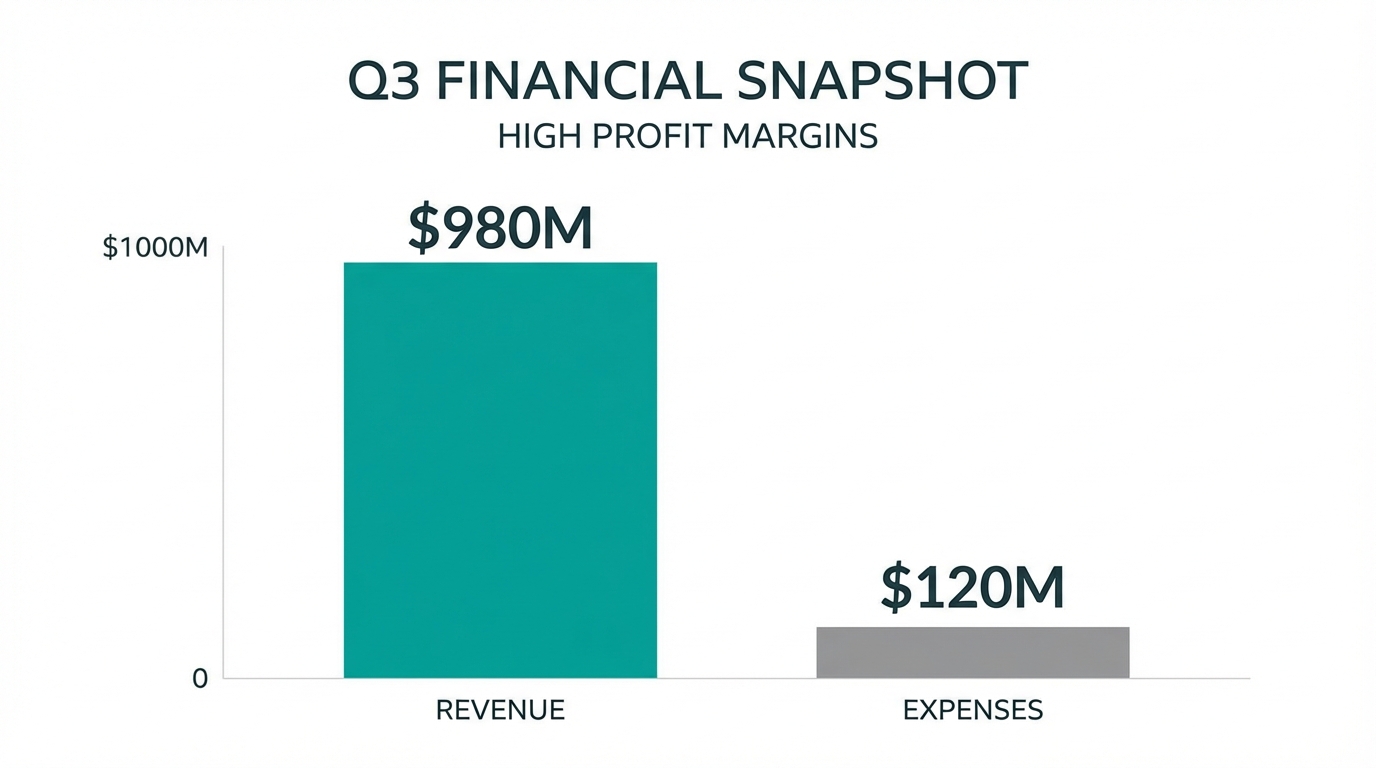
One of the most shocking statistics from the world of solo app development is the potential for app business profit margins. Unlike traditional businesses with high COGS (Cost of Goods Sold) or massive payrolls, a lean app business can maintain margins exceeding 90%. For instance, an app generating $60,000 per month in revenue might only cost $1,000 to $2,000 in infrastructure costs. Most of your expenses will be the 15-30% cut taken by the App Store, followed by a small monthly fee for tools like Firebase or your hosting provider.
To achieve these margins, you must avoid over-engineering. Solopreneurs should prioritize "pay-as-you-go" services that scale only when your user base does. By keeping the engineering overhead at roughly 10% of your total budget, you free up the remaining 90% for marketing and customer acquisition. This capital efficiency is what allows solo founders to compete with venture-backed startups. When your running costs are negligible, you can afford to experiment longer, pivot more often, and ultimately hold onto 100% of the equity in a business that is "printing" cash flow on autopilot.
The Solopreneur's Budget: Marketing vs. Engineering
A common mistake for new developers is spending 90% of their time and money on engineering. In the modern app economy, the inverse should be true. As Kletchi noted in his Starter Story interview, product development is no longer enough; if you don't have a plan for distribution, you might as well not build the product. Successful solo founders spend the vast majority of their resources on getting eyeballs on the idea.
Instead of hiring more developers, high-growth apps invest in creator partnerships and viral content loops. Using Stormy AI to find influencers and run hyper-personalized outreach campaigns is a far more effective use of capital than building a fourteenth feature. Whether you are running Google Ads or Apple Search Ads, the goal is to drive users into a high-converting subscription funnel. Every dollar saved on a streamlined lean startup tech stack is a dollar that can be reinvested into a creator campaign that could potentially bring in tens of thousands of downloads.
The Solopreneur Distribution Playbook: Volume and Viral Formats
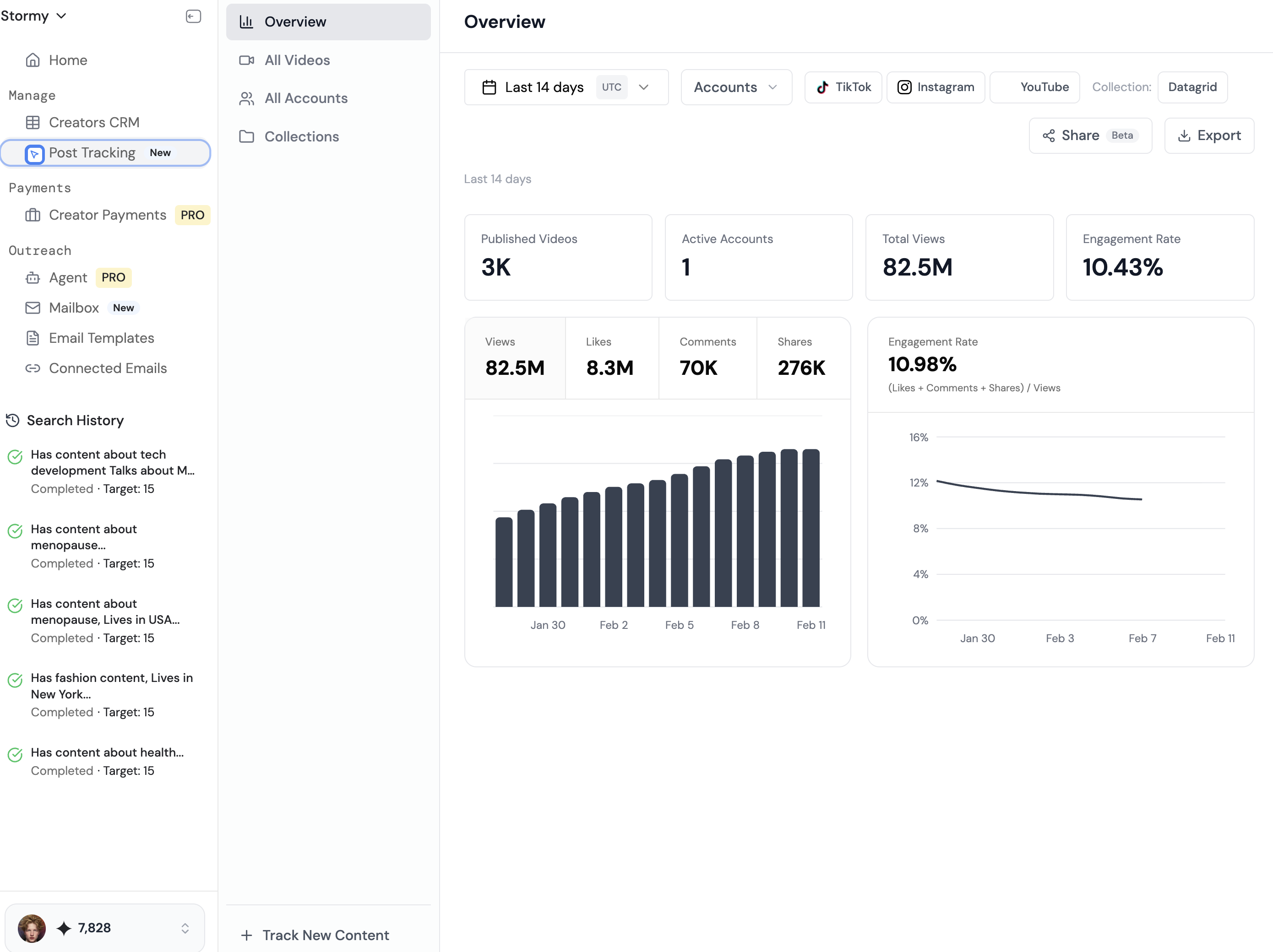
Distribution is not a game of luck; it is a game of volume. The most successful solo founders use a "Show, Don't Tell" strategy. Rather than creating boring ads that try to sell the app, they create content that demonstrates value. For an app like Social Wizard, this meant working with micro-streamers to show the app in a real-world context—responding to a text or navigating a social situation. This type of UGC for mobile app marketing feels organic and is significantly more likely to go viral than a polished corporate ad.
Step 1: Identify Your Niche Volume
Before building, ask if there is a large volume of content already being produced in your target niche. If there is, you can leverage existing creators. If not, you must be prepared to create the content yourself. Never outsource the initial content phase; you need to learn what makes your audience pause their scroll.
Step 2: The Streamer and Creator Strategy
Reach out to micro-creators or "degenerate" streamers who have highly engaged audiences. A single $120 partnership can result in 2 million views and tens of thousands of dollars in revenue if the format is right. To find these creators efficiently, use Stormy AI to vet audience quality and filter by engagement rates and niche alignment, ensuring your UGC efforts are data-driven.
Step 3: High-Frequency Content Production
Virality is deterministic. If you post 3 videos a day across multiple accounts, you are essentially buying lottery tickets for the algorithm. Over a week, that's 21 videos; over a month, that's nearly 100. One of these will likely stick, providing the initial traction needed to scale. This is the core of app business profit margins: spending little to nothing on paid acquisition by mastering organic viral formats.
Scaling Analytics to Optimize Retention
Once you have users flowing into your app, the game shifts from acquisition to retention. You cannot improve what you do not measure. This is why Mixpanel is a critical component of the lean startup tech stack. Unlike basic analytics, Mixpanel allows you to track specific user actions—like where they drop off in your onboarding flow or which features lead to a subscription purchase.
By analyzing your data, you can optimize your subscription funnels. Are users dropping off after seeing the pricing page? Perhaps your weekly subscription price is too high, or you haven't properly communicated the value of your "pro" features. Solopreneurs should constantly be testing their pricing—ranging from $10/week to $80/year—to find the sweet spot that maximizes Life Time Value (LTV). Tools like Meta Ads Manager can also provide insights, but deep product analytics are what help you build a sustainable, long-term business.
The Path to a $1M Solopreneur Business
Building a successful mobile app in 2025 is less about being a coding genius and more about being a disciplined executor. By utilizing a lean startup tech stack consisting of React Native and Firebase, and leveraging an AI app builder to accelerate development, you can move from idea to revenue in record time. The key is to maintain your app business profit margins by keeping infrastructure costs low and spending 90% of your energy on distribution.
Remember that the transition from a failing project to a million-dollar app often comes down to cracking the code on content. Whether you are finding UGC creators through Stormy AI or using its autonomous AI agents to handle outreach and follow-ups on a daily schedule, your focus must remain on distribution. As the saying goes, to be exceptional, you must be the exception. Stop over-engineering, start vibe coding, and focus on the volume that leads to victory.