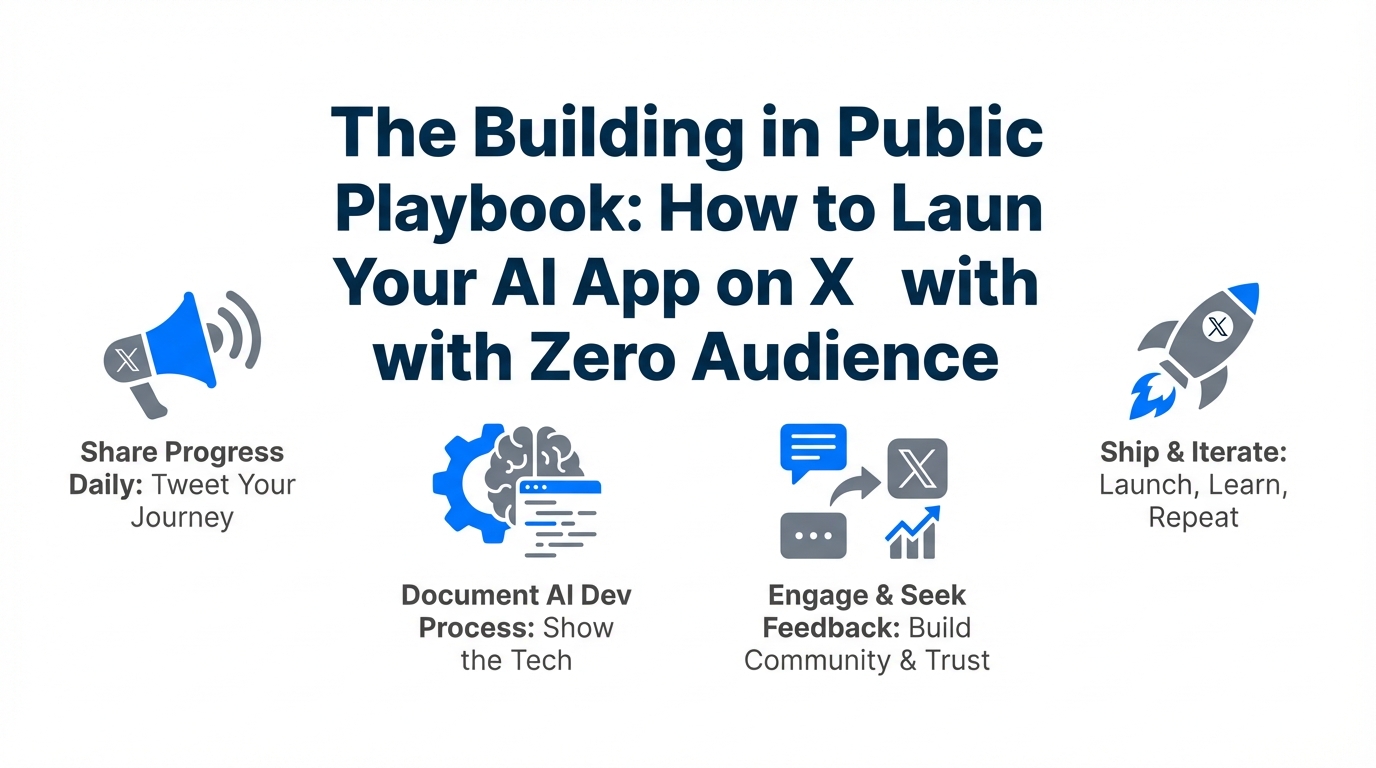
The old startup mantra was "build it and they will come." In the hyper-competitive world of AI-native mobile apps, that mantra is dead. Today, the most successful founders are adopting a building in public strategy that prioritizes transparency over secrecy. By sharing the messy, unpolished journey of creation on X (formerly Twitter), founders like Sherry Jen of Peak are generating thousands of downloads before they even spend a dollar on traditional advertising. This isn't just about posting updates; it's a sophisticated psychological framework that turns casual observers into invested community members.
Day 1: The Hook of the Infinite Journey
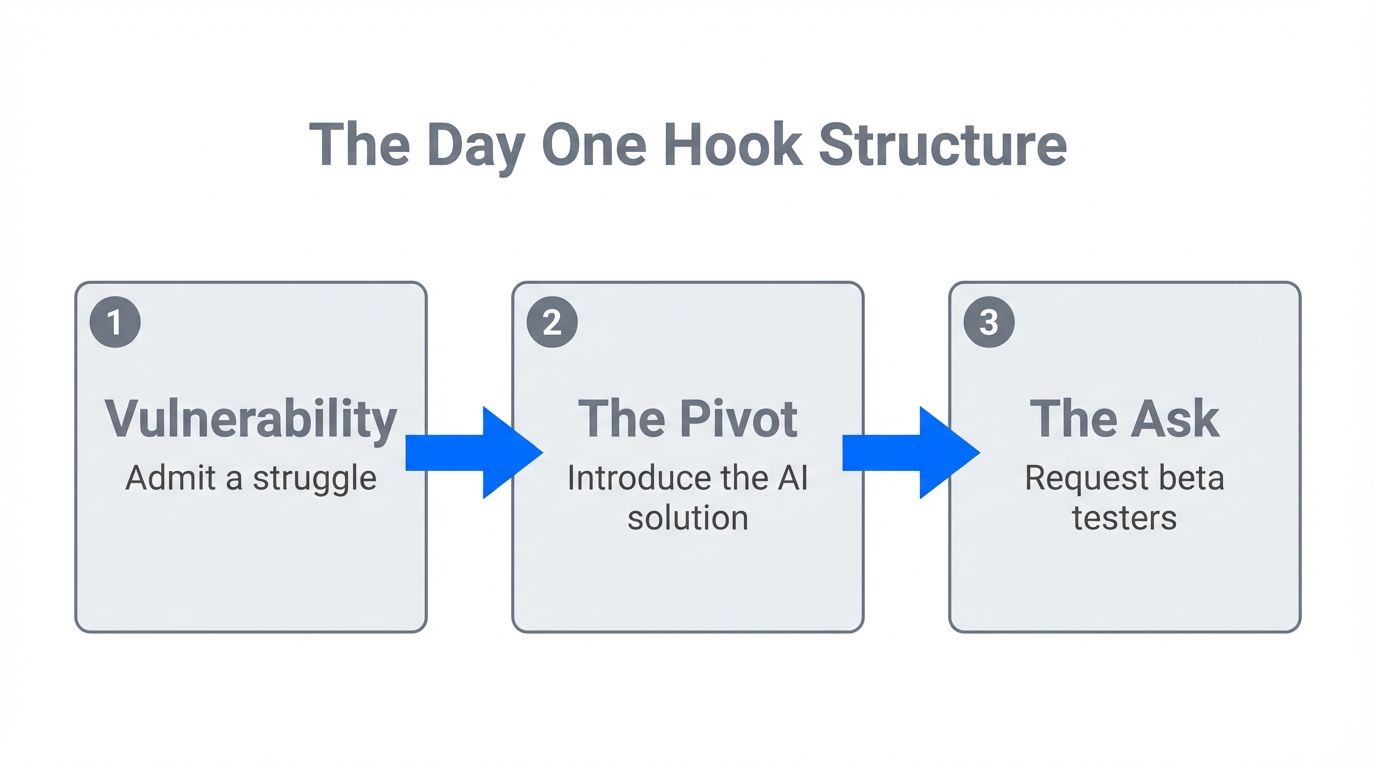
The most powerful way to start an X marketing for startups campaign is with a "Day 1" post. This isn't just an announcement; it is the beginning of an aspirational narrative. When you post "Day 1 of building the next big [Niche] app," you are inviting people to watch a movie where the ending hasn't been written yet. Humans are biologically hardwired to finish stories they start, and by declaring your intentions early, you create a psychological "open loop" in the minds of your followers.
As Sherry Jen demonstrated with her launch of Peak, the key is to be vulnerable and relatable. She didn't just say she was building a finance app; she admitted that as a founder, she struggled to manage her own money and that her ADHD made traditional tools feel overwhelming. This vulnerability builds instant trust. In a sea of corporate jargon, a founder saying "I'm building this because I'm struggling too" acts as a magnet for people facing the same challenges.
"The smartest thing you can do is get people to follow along in your journey. People don't like not knowing the ending of a story—they will follow you just to see if you win."Vibe Coding: Shipping Before You Are Ready
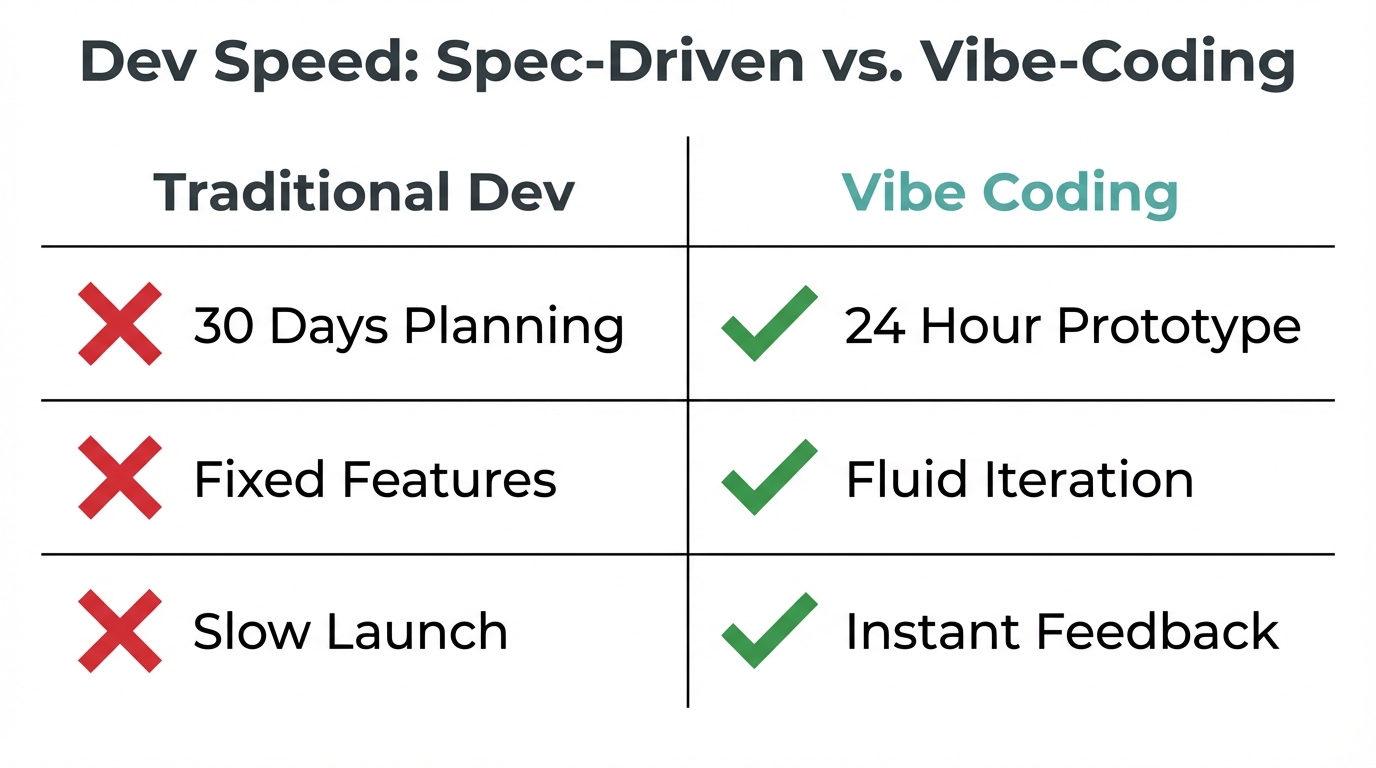
In the age of AI, the barrier between an idea and a functional prototype has collapsed. We are entering the era of "vibe coding," where tools like Cursor and v0.dev allow founders to generate code through natural language prompts. Sherry Jen famously vibe-coded her initial prototype in less than three hours. This speed is a critical app launch growth hack because it allows you to start the feedback loop on day one.
When you share these "ugly" early versions, you aren't just showing progress; you are showing accountability. Posting a screenshot of a rudimentary UI powered by Claude 3.5 or Gemini proves that you are a builder, not a "yapper." In the founder led growth model, your ability to ship updates overnight is your ultimate competitive advantage.
The Rule of Six: Validating Your AI App
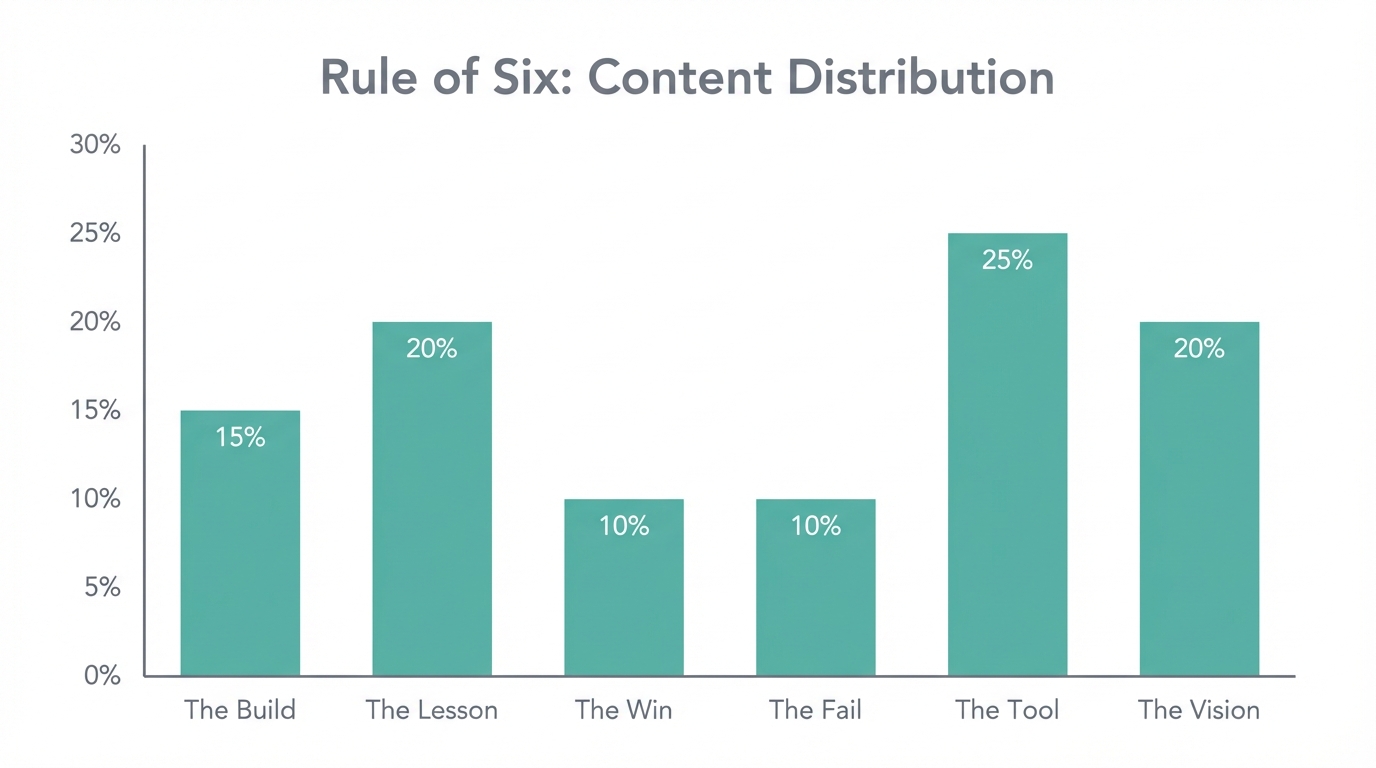
Once the prototype is live, the next step in the building in public strategy is the "Rule of Six." This involves talking to six people in your ideal customer profile (ICP). Why six? Two is an anecdote; twenty is a distraction. Six users provide enough signal to identify patterns without slowing down your shipping velocity. For Peak, this meant talking to 20-somethings who were just starting to earn paychecks and felt judged by traditional banking apps.
You can also supplement this with synthetic user testing. By using ChatGPT to simulate user personas, you can quickly identify common pain points. For example, prompting an AI to "list the top 5 frustrations with mint.com" can give you a roadmap for features that solve real-world problems. However, nothing replaces real human interaction. These early users often become your loudest advocates when you finally launch on the App Store.
| Principle | Application | User Benefit |
|---|---|---|
| Progressive Disclosure | Show one takeaway at a time | Reduces cognitive load |
| Conversational UI | Single-purpose chat interface | Feels like a "smarter best friend" |
| Narrative Storytelling | Daily check-ins (like IG Stories) | Builds a daily habit |
| Calm Design | Soft colors and friendly mascots | Reduces anxiety around data |
The X Distribution Engine: From Replying to Going Viral
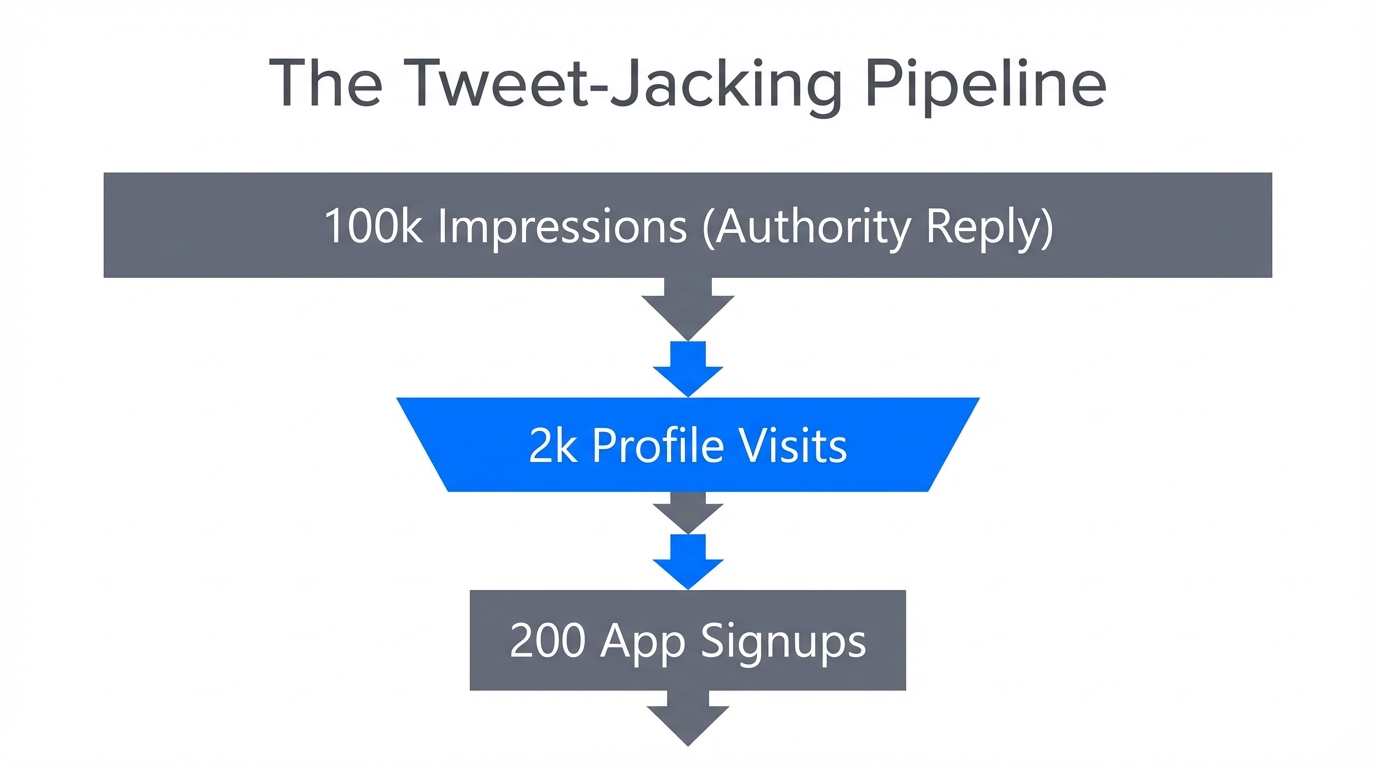
You don't need a large following to get startup distribution channels working for you. The secret is "tweet-jacking" or "reply-jacking." Instead of shouting into the void on your own timeline, find high-traffic tweets that are relevant to your niche and provide genuine value in the replies. Sherry Jen’s app exploded after she replied to a viral tweet about wanting a finance app with only three numbers. She didn't just post a link; she shared how she had already built a solution for that exact problem.
"Distribution on X is non-linear. You can post for 30 days to silence, and then one single reply can melt your servers with thousands of new users overnight."When you reply, keep the tone conversational and unpolished. Use lower-case letters, avoid corporate-speak, and treat the interaction like a text message to a friend. If your app has a unique feature—like a mascot that roasts your spending habits—highlight it. People on X crave personality, not press releases. As your community grows, tools like Stormy AI can help you manage and source UGC creators who can further amplify your message, allowing you to scale your founder led growth without losing the personal touch.
Gamifying Growth: The 30-Day Challenge Framework
Building in public can be exhausting if you don't have a structure. To maintain momentum, many founders use 30-day challenges focused on specific sub-goals. Sherry used a "3x Retention in 30 Days" challenge when her week-three retention sat at 13%. By publicly stating her goal and her progress, she turned a boring technical metric into a high-stakes game for her followers.
This framework does three things:
- Creates Accountability: You are more likely to fix a bug if you've told 10,000 people you would.
- Generates Content: Every experiment (like changing onboarding or sending push notifications) is a new post.
- Builds Community: Followers start offering advice and cheering for your success.
By the end of the challenge, Peak’s retention shot up to 28% simply by fixing the onboarding flow and adding context-specific notifications. This rapid iteration is the hallmark of a successful app launch growth hack.
AI as Your Meme Co-Founder
Memes are the currency of X. They are the most efficient way to achieve high impressions and build brand awareness. However, many founders struggle with creativity. This is where you can use DALL-E or Midjourney as a "meme co-founder." By prompting LLMs to brainstorm meme angles based on current trends—like the latest Marvel movie or a trending sports event—you can stay culturally relevant with minimal effort.
When you pair these memes with your building in public strategy, you create a brand that is both technically impressive and fun to follow. It’s about being "emotionally resonant." People don't want a soulless SaaS tool; they want an app that feels like it has a pulse. Using Stormy AI to find creators who align with this fun, unpolished vibe can further solidify your brand's presence across TikTok and Instagram, ensuring your X marketing for startups efforts translate into a multi-platform growth engine.
Conclusion: The Golden Age of AI Apps
We are living in a paradigm shift where a single founder can build, launch, and scale a million-dollar business using nothing but AI tools and an X account. The building in public playbook is no longer optional—it is the most cost-effective way to find your tribe and validate your product. By moving from "yapping" to "building," and by turning every challenge into a story, you can bypass the traditional marketing gatekeepers and go straight to your users.
As you scale, remember that the goal isn't just to build a piece of software, but to build a partner for your users. Whether it's a finance app like Peak or a new tool for TikTok marketing, the principles remain the same: be vulnerable, ship fast, and never stop telling your story. Now, go out there and start your Day 1.