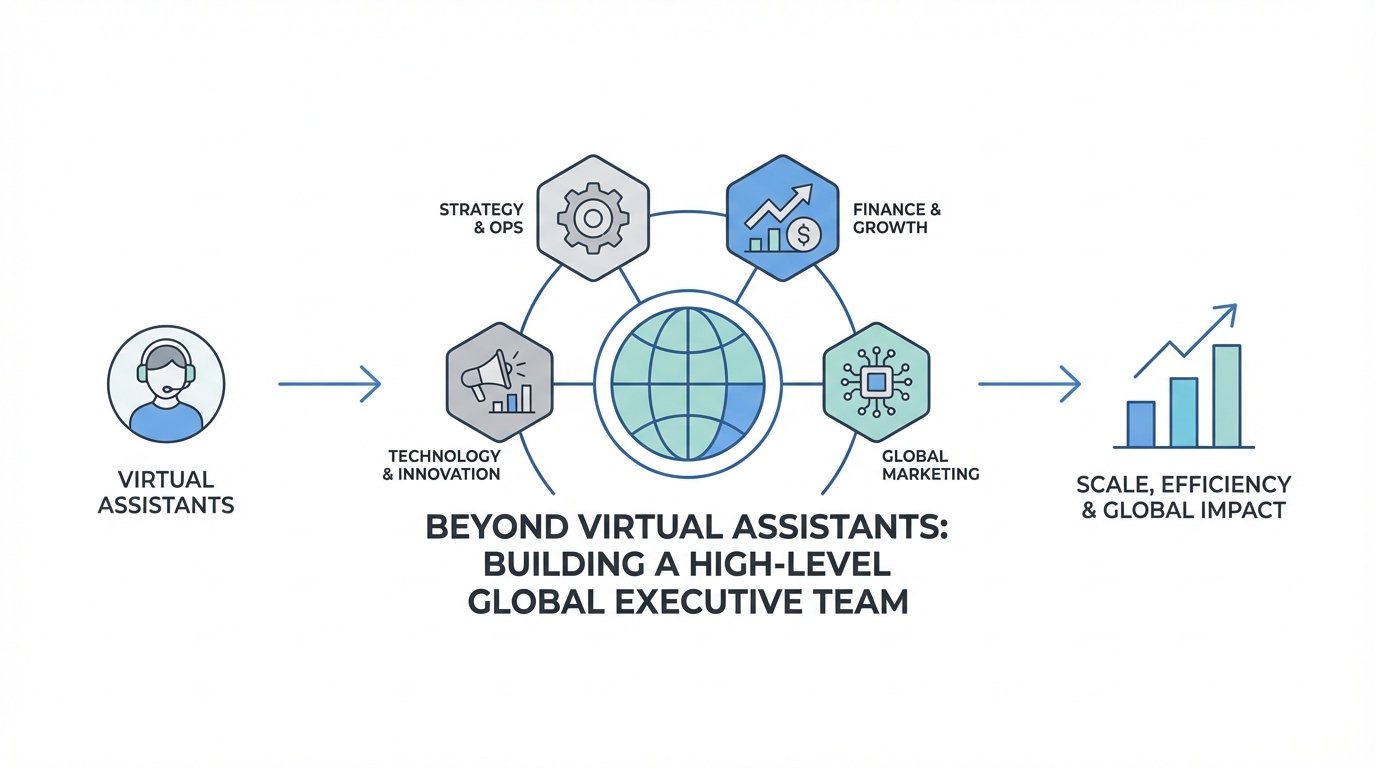
For years, the playbook for scaling a remote company was simple: hire a few virtual assistants (VAs) in the Philippines to handle administrative tasks, save on overhead, and keep the founder focused on growth. But as the market matures and competition stiffens, the definition of a remote leadership strategy is shifting. We are moving away from simple task-delegation toward high-level global executive hiring. Today, smart founders aren't just looking for someone to manage their inbox; they are hiring COOs from South Africa, Controllers from Egypt, and Heads of Marketing from Colombia to run entire departments at a fraction of the cost of a domestic hire.
The Shift from Task-Based VAs to Pedagogy-Based Global Leadership

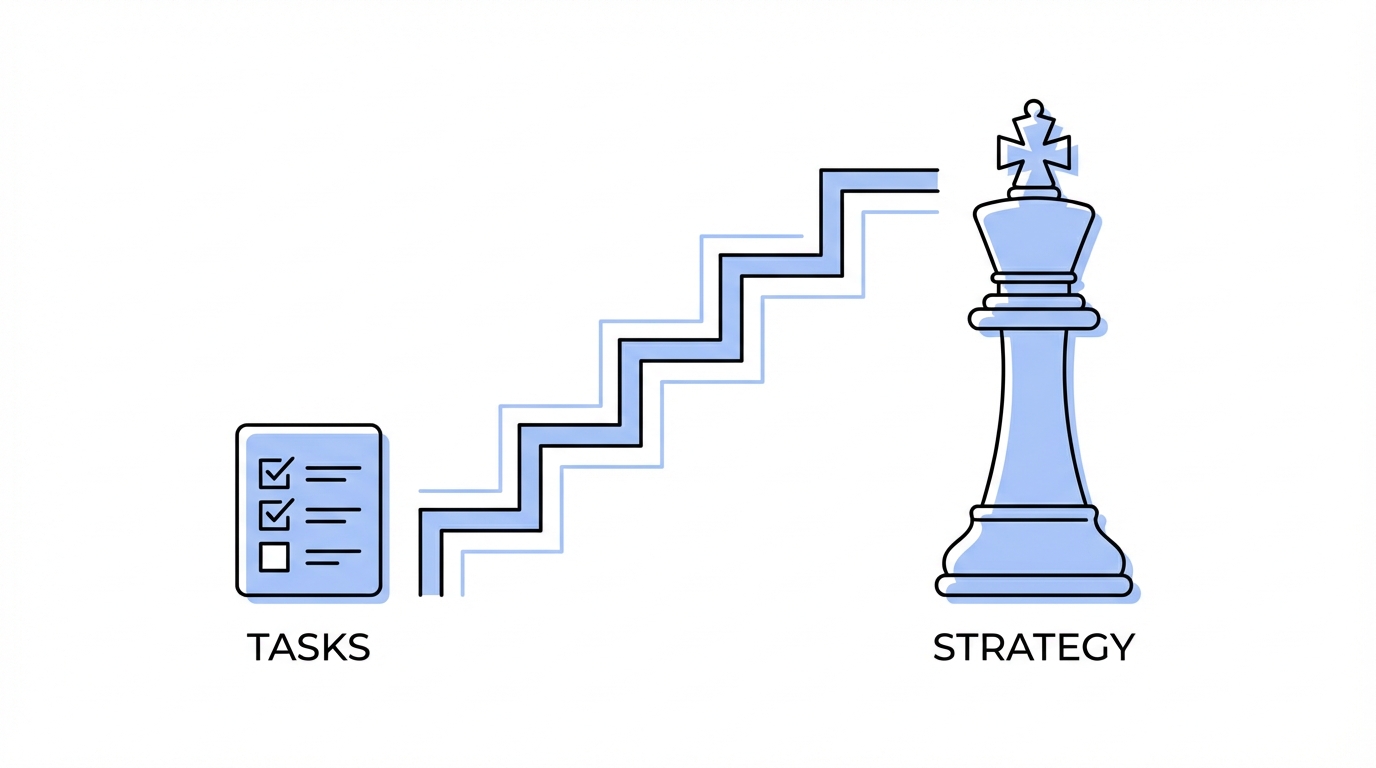
Early in the remote work revolution, the focus was on arbitrage—specifically, finding the lowest hourly rate for repetitive tasks. However, as business influencers like those on YouTube have recently noted, the "genius in a bull market" era is over. When the economy tightens, a team of junior-level assistants often lacks the strategic depth to navigate complex market shifts. This has led to the rise of the offshore management team, where international hires aren't just executing a checklist; they are bringing pedagogy and specialized systems to the table.
Building a high-level team requires a mental shift. Instead of hiring for "support," you are hiring for "ownership." This means finding leaders who can look at your P&L, identify inefficiencies, and build their own departmental roadmaps. Stormy AI for finding UGC creators and influencers demonstrates this shift by enabling brands to find specialized creators who understand performance metrics, much like how a remote executive understands operational KPIs. When you transition from a $5/hour assistant to a $3,000/month international Controller, you aren't just increasing your costs; you are investing in a leader who can save your company six figures through better tax planning and financial oversight.
Case Study: The South African COO and Egyptian Finance Head
One of the most compelling examples of this remote executive hiring model involves looking toward non-traditional hubs. For instance, Cairo, Egypt, is currently one of the most cost-effective cities in the world for high-level technical talent, often sourced through platforms like Wuzzuf. Many Egyptian professionals possess advanced degrees and a mastery of tools like Microsoft Excel and PowerBI, making them ideal for roles such as Head of Finance or Data Analyst. By hiring a Finance Head in Egypt, a US-based firm can secure a level of data sophistication that would typically cost $150,000+ domestically for a fraction of that investment.
Similarly, South Africa has emerged as a powerhouse for fractional COO services and sales leadership. In Johannesburg, there is a massive talent pool of professionals who have worked for "Big Four" accounting firms. In fact, many follow the career path set by the South African Institute of Chartered Accountants (SAICA), where approximately 30,000 South Africans travel to the US annually to perform audit and tax work before returning home. These individuals are trained to international standards, speak perfect English, and are eager to take on leadership roles in US-based small businesses for roughly $3,000 to $4,000 per month. This isn't "cheap labor"; it is high-pedigree talent that happens to live in a different geographic economy.
How to Find 'Big Four' Talent in International Hubs

Finding this level of talent requires a more rigorous process than posting a generic ad. To build an elite offshore management team, you must treat your recruiting funnel like a high-performance marketing campaign. You can leverage major platforms like LinkedIn, Indeed, and Monster, but the secret lies in the filtering process.
Step 1: The High-Volume Filter
Post your job in specific hotspots: Colombia and Brazil for operations, South Africa for sales and finance, and the Philippines for ingrained remote work culture. Run a promoted ad on LinkedIn for $100 a day for five days. This will likely generate over 1,000 applicants. To find a needle in this haystack, you need immediate heuristics.
Step 2: The Typing and English Barrier
The first filter should be a basic technical requirement. Data shows that 85% of applicants for remote roles cannot type at least 35 words per minute on a standard typing test. Since remote leadership relies heavily on written communication via Slack, email, and project management tools, this is a non-negotiable requirement. If they can't type quickly and accurately, they cannot lead a remote team effectively.
Step 3: The Video Introduction
Ask the remaining candidates to record a one-minute video introduction using Loom. This single step eliminates another 80% of applicants who aren't serious about the role. More importantly, it allows you to assess their professional maturity, communication style, and cultural fit in sixty seconds. For a leadership role, the way they present themselves on camera is a direct reflection of how they will represent your company to partners and clients.
Step 4: The Paid Task Assessment
Never hire an executive based on an interview alone. Interviews favor charismatics, not necessarily producers. Instead, issue a paid task trial using platforms like TestGorilla. If you are hiring a Finance Head, give them a messy spreadsheet and a Soundcloud voice note of you explaining a complex problem, then ask them to build a report. This tells you exactly how they handle imperfect instructions. Just as you verify an accountant’s work, you can use Stormy AI to audit creator demographics and performance metrics to ensure your marketing spend is protected. If you are hiring a Marketing Head, have them design a campaign brief in Canva or analyze your Google Ads performance. This tells you exactly how they handle imperfect instructions.
Overcoming 'New Owner Syndrome' by Decentralizing Control
A major hurdle in remote leadership strategy is the psychological trap of "New Owner Syndrome." This occurs when a founder or new CEO tries to change everything at once, micromanaging every department because they believe they have the "hot hand." To truly scale, you must move from being a micromanager to a Chief Decision Officer. This involves empowering your international executive team to make calls without your constant approval.
Decentralization is the key to durability. If your company relies on your presence to function, you don't have a business; you have a high-paying job. By hiring a high-level COO in a place like South Africa, you gain a partner who can implement systems while you focus on the "One Big Thing" method—identifying the single most important task for the company's growth and spending your first two hours of the day on it with zero distractions. This level of focus is only possible when you trust your offshore management team to handle the day-to-day carnage of operations.
Managing Time Zones and Cultural Integration

One of the biggest concerns with global c-suite recruiting is the "time zone gap." However, strategic hiring can actually turn this into a 24-hour advantage. Hiring in Colombia or Brazil allows for perfect alignment with US East Coast and Central time zones, making them ideal for real-time operations and account management. Meanwhile, teams in Egypt or South Africa can "set the table" while you sleep, ensuring that when you wake up, reports are finished and leads are processed. This automation extends to your marketing as well; an autonomous Stormy AI agent can handle creator outreach and follow-ups 24/7 without manual oversight.
Cultural integration is equally vital. High-level hires in these regions are often already deeply familiar with Western business practices. For example, the Philippines has over 30 million people working for American companies, and South African business culture is highly compatible with US professional standards. The goal is to build a unified company culture that values production over presence. Regular video syncs and a clear "production-first" ethos ensure that your remote team feels like a core part of the mission, not just a distant service provider.
Scaling Growth with UGC and Global Creators
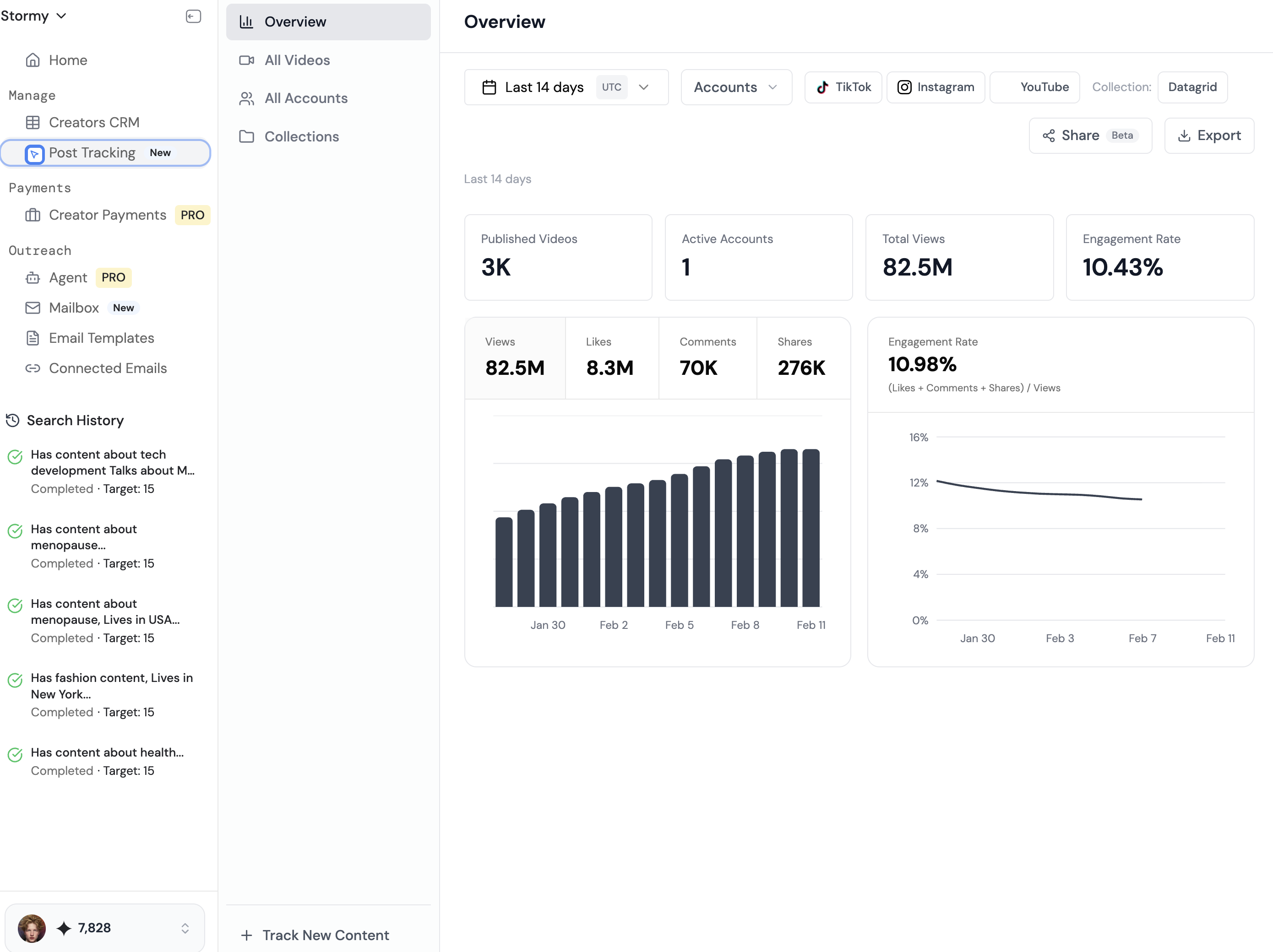
Once your high-level executive team is in place, your focus must shift toward scalable distribution. For many mobile app developers and e-commerce brands, this means leveraging User-Generated Content (UGC) and creator-led marketing. Just as you look globally for your COO, you should look globally for the creators who will fuel your Meta Ads Manager and Apple Search Ads campaigns.
Tools like Stormy AI are essential in this phase of growth. Stormy is an AI-powered platform for creator discovery, especially for mobile app marketing and UGC campaigns. By combining a high-level remote executive team with an AI-driven creator strategy, you can achieve a level of operational efficiency that domestic-only teams simply cannot match. Your international Marketing Head can manage the creator relationships found through Stormy AI, while your South African sales leader ensures the leads generated from those ads are converted at a high rate.
Conclusion: Playing the Long Game in Remote Leadership
The future of business belongs to the tortoise, not the hare. While it is tempting to chase the latest AI hype or sprint toward low-quality revenue, true success is found in durability and systems. Building a high-level global executive team is about more than just saving money—it's about building a foundation that can survive market cycles and interest rate hikes. By moving beyond the virtual assistant model and embracing global c-suite recruiting, you gain the freedom to zoom out and focus on the strategic decisions that lead to $100 million outcomes. Start by identifying one area—be it finance, ops, or marketing—where a global leader could provide immediate pedagogy, and begin your search today.