In the volatile economic landscape of 2026, the most valuable asset a founder can own isn't a proprietary algorithm or a patent—it is a loyal audience. As traditional advertising costs skyrocket and AI-generated content saturates every corner of the web, the ability to command attention through founder-led growth has become the ultimate competitive advantage. Think of your audience not as a marketing channel, but as a high-yield retirement account that pays dividends in trust, distribution, and resilience.
The Asset Value of a Personal Brand: Your 2026 Retirement Account
 38:57
38:57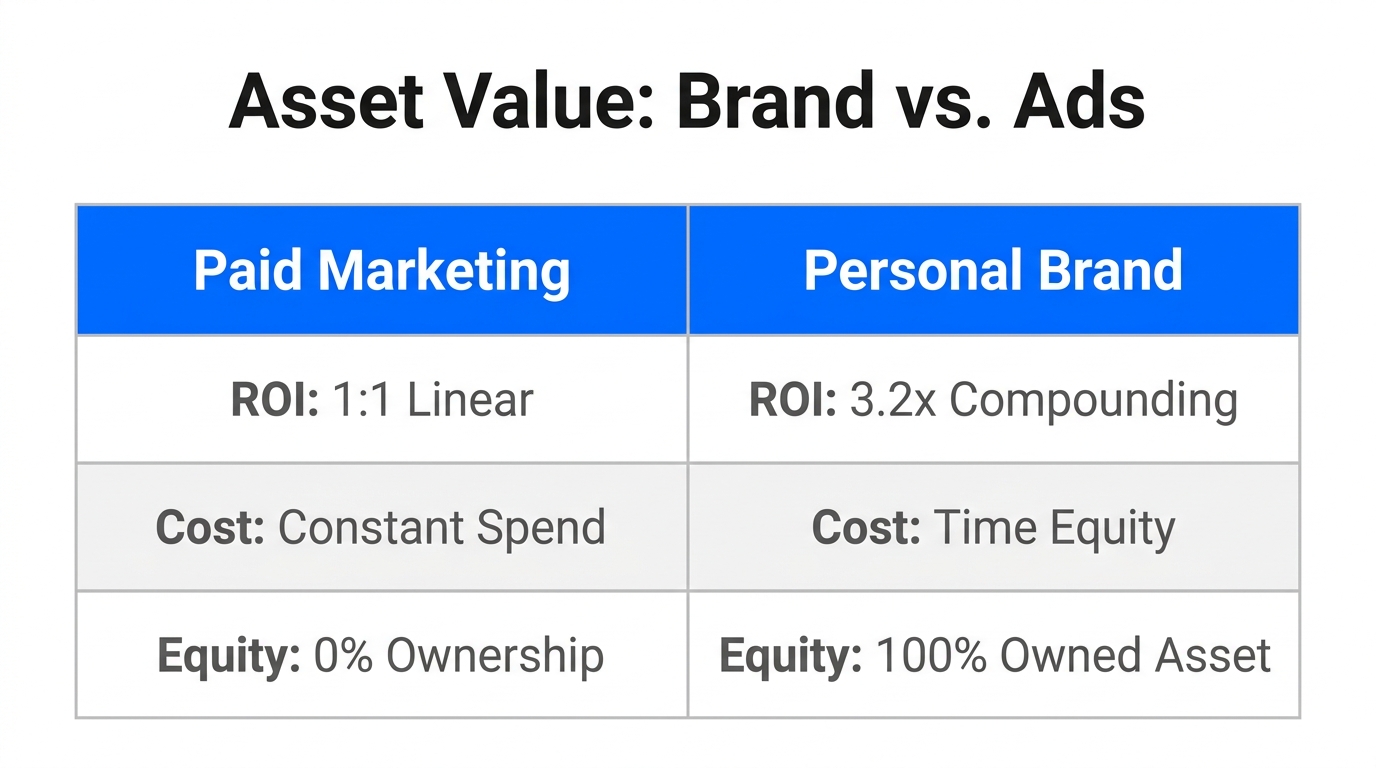
For many entrepreneurs, the idea of building a personal brand feels like a secondary task. However, top-tier founders treat their digital presence with the same rigor as their balance sheets. As Greg Isenberg notes, an audience is a compounding asset that allows you to 'dig the well before you need the water.' In 2026, having 100,000 followers on a platform like X or a dedicated list on Beehiiv is the equivalent of a multi-million dollar insurance policy against market shifts.
When you own the attention, you own the distribution. This creates a massive personal brand ROI that translates into lower customer acquisition costs (CAC) and higher lifetime value (LTV). According to research on the new rules of personal branding, founders who build in public see significantly higher trust scores. While competitors are burning venture capital on TikTok Ads Manager, the audience-first founder launches products to an eager crowd of pre-vetted believers.
"Your audience is your retirement account. If you need to build a startup, you tap into these people as potential customers. If you need a job, they are your built-in trust network."
The ACP Framework: Audience, Community, Product
1:43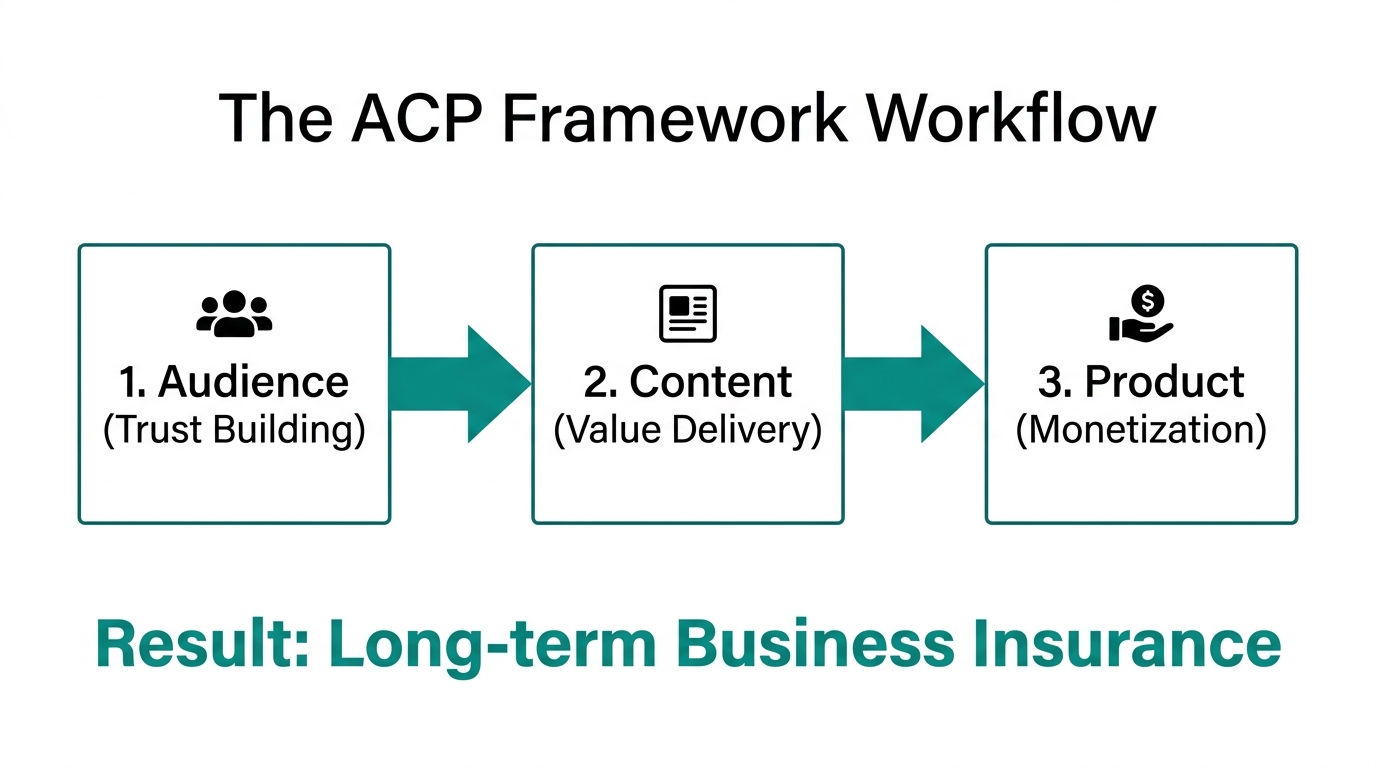
The biggest mistake founders make is building a product in a vacuum and trying to find a market later. The 2026 playbook reverses this. The ACP Framework—Audience, Community, Product—is the blueprint for modern entrepreneurship. By starting with the 'A', you ensure that the 'P' has a guaranteed landing spot.
- Audience: These are the people in your niche who are underserved. You reach them through broad value-add content on platforms like LinkedIn.
- Community: These are your 'hardcore' people. They move from passive observers to active participants in your world, often joining private groups like Startup Empire.
- Product: The final step is selling the solution that your community has already told you they need.
As Jonathan Courtney (J-Ice Cream) points out, the product-first approach is 'soul-destroying' when it results in zero users. The audience-first approach gives you the confidence to build because you already have the data on what resonates. If you are struggling with engagement, start one level broader. If your niche is too small, go up the funnel—move from 'Design Sprints' to 'UX Design' to capture the reach needed to fuel the ACP engine.
| Strategy | Product-First Approach | Audience-First (ACP) |
|---|---|---|
| Initial Cost | High (Development + R&D) | Low (Content + Time) |
| Market Risk | High (Might build the wrong thing) | Low (Validated by community) |
| Distribution | Paid/Rented (Ads) | Owned (Direct Access) |
| Moat | Feature-based (Easy to copy) | Trust-based (Impossible to copy) |
Systems for Consistency: The Creative Faucet
20:24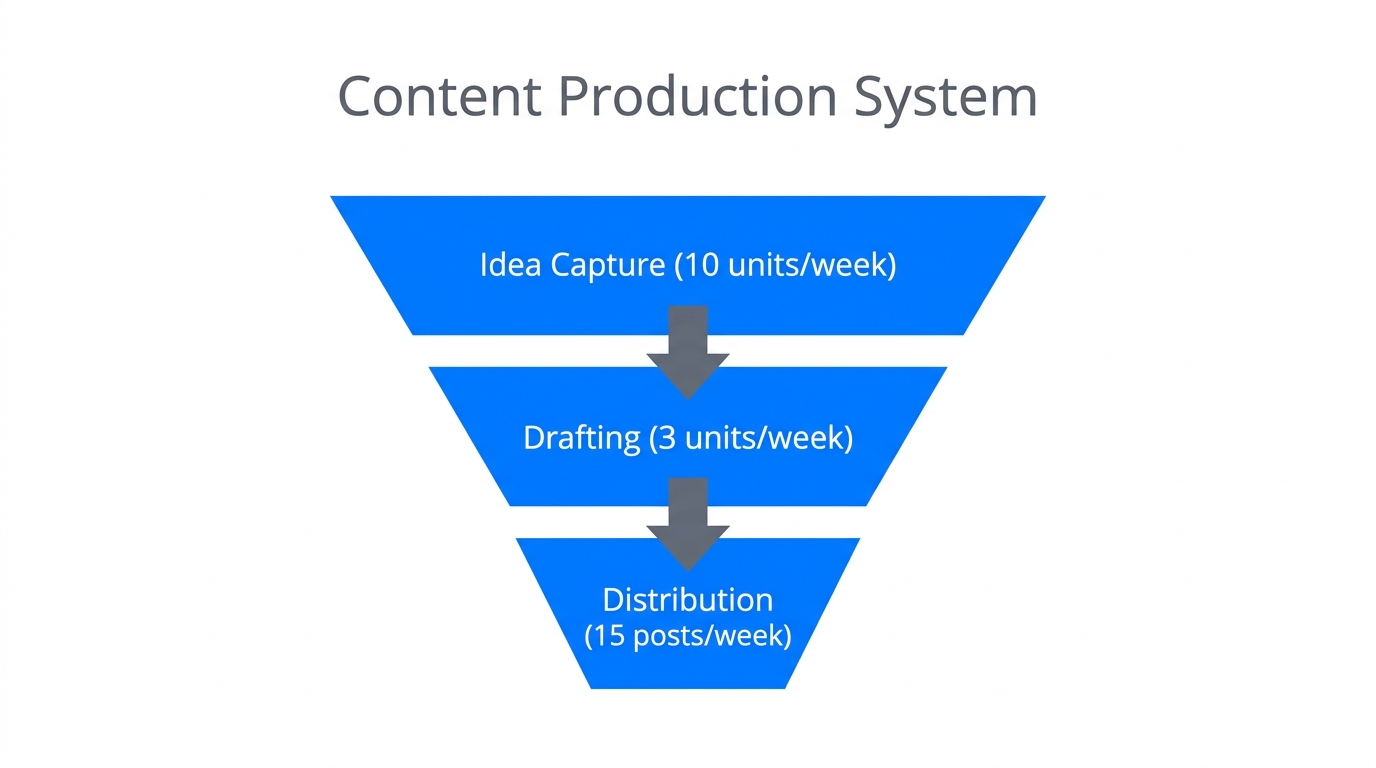
Building an audience is not about luck; it is about marketing systems for entrepreneurs. You cannot rely on inspiration; you need a workflow that ensures you show up even when you don't feel creative. Consistency is the only bridge to compounding.
Step 1: The Creative Faucet Routine
Find what triggers your ideas. This could be listening to growth podcasts while walking or following 50 hyper-specific accounts in your niche. The goal is to keep the 'faucet' on so that ideas flow naturally. When a spark hits, use a simple capture tool like Notion or Apple Notes to store it immediately.
Step 2: The Ideas Capture System
Never start with a blank page. Your capture system should be a repository of 'minimum viable products' (MVPs) in text form. On a set schedule—perhaps every Friday—review these notes and expand them into long-form threads or newsletters. To scale this process, founders often use tools like Stormy AI to discover what their target audience is currently engaging with across TikTok and YouTube, ensuring their content hits the right mark.
Step 3: Scheduling and Automation
Don't live inside the apps. Use scheduling tools like PostBridge or Buffer to batch your content. This allows you to stay strategic rather than reactive. As Greg suggests, focus on 'newsjacking'—joining trending conversations like the rise of DeepSeek or 'vibe coding'—to inject your brand into the cultural zeitgeist while it’s still relevant.
"Attention is scarce. Build it as an asset, treat your content like a product, and approach it with the same rigor you would bring to a $100M company."
The Psychological Shift: From Marketing to Serving
The most successful founders in 2026 have stopped 'marketing products' and started community building for business. This is a psychological shift from extraction to contribution. When you give away the 'sauce'—the exact execution playbooks that others gatekeep—you build a level of authority that no traditional ad campaign can match.
Jonathan Courtney highlights that even if you 'half-assed' your audience building, the dividends are still massive. A small, high-intent audience of 2,000 business owners can generate $70,000 in a single weekend. This is because trust scales better than traffic. By showing your personality, your hobbies (like playing Monster Hunter Wilds), and your failures, you become a human being that people want to support, rather than just another faceless SaaS company.
Why an Audience Makes You a Resilient Entrepreneur
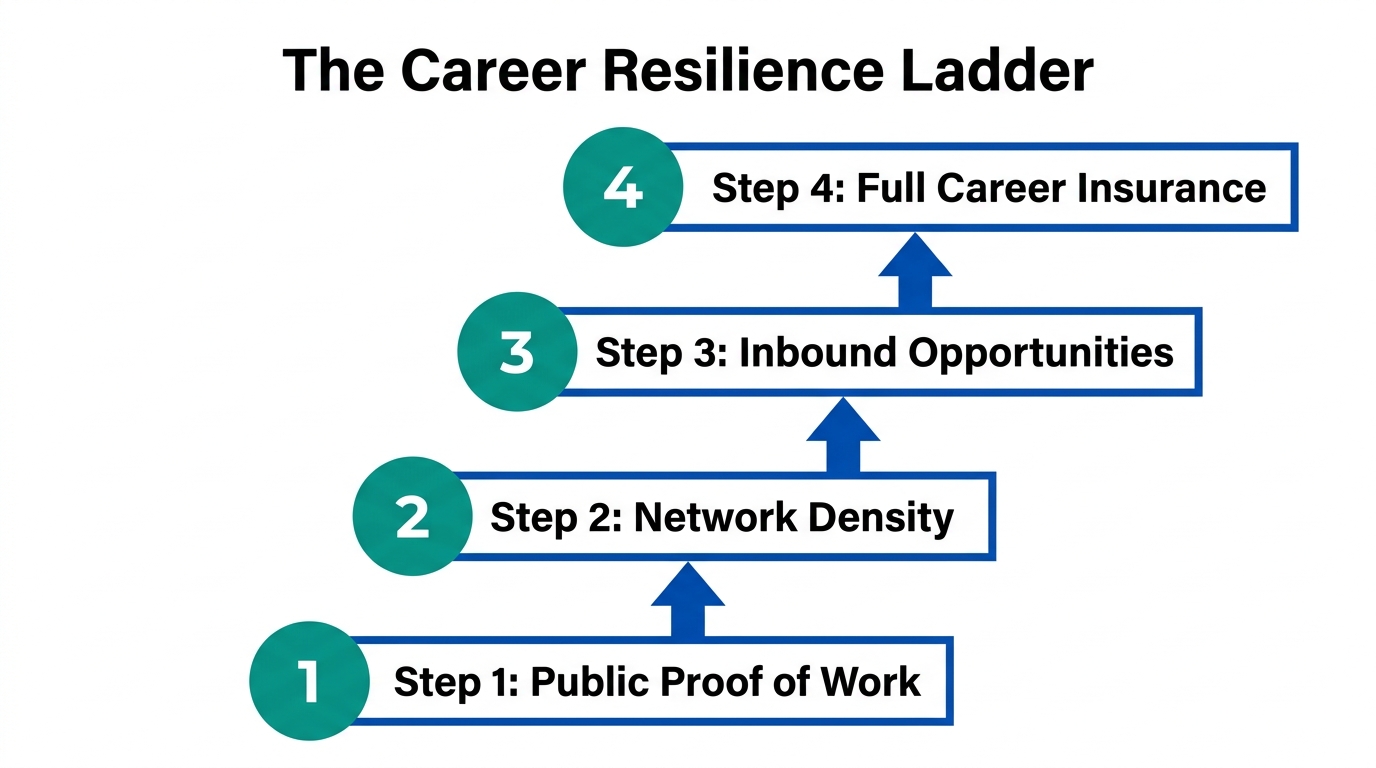
The ultimate ROI of a personal brand is optionality. If a recession hits and your primary business fails, your audience remains. In 2026, an entrepreneur with a distribution network is 10x more attractive to investors and employers than one without. It provides a 'fallback' that makes life and business feel much less tense.
For those just starting, Greg recommends the 'Reply Guy' strategy on X. Spend 90 days replying to larger accounts in your niche. It’s a low-stakes way to find your voice, test formats, and build momentum without the pressure of a blank profile. This founder-led growth strategy ensures that by the time you are ready to launch, the world is already listening.
Ready to start your discovery journey? Whether you are looking for creators to partner with or building your own network, platforms like Stormy AI can help you navigate the influencer landscape with AI-powered precision. Don't wait for the next recession to start building your insurance policy—dig the well today.