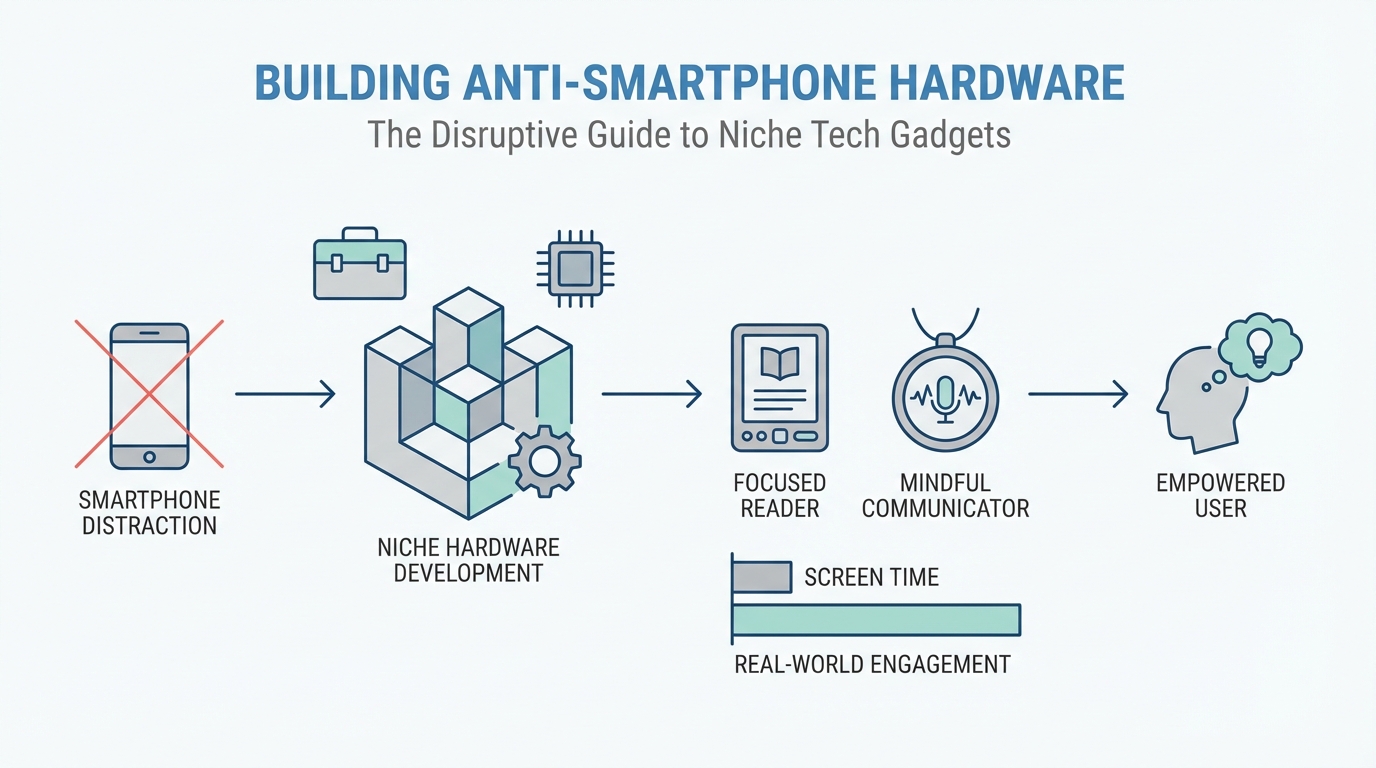
For the better part of a decade, the Silicon Valley consensus was clear: hardware is hard, and software is where the scale lives. We watched as every quirky physical device—from the MP3 player to the point-and-shoot camera—was systematically cannibalized by the iPhone. However, a new wave of entrepreneurs is realizing that the absolute ubiquity of the smartphone has created a massive, underserved void. Parents are increasingly desperate to protect their children from the "iPad kid" epidemic, and adults are feeling the physical and mental strain of dopamine-fueled infinite scrolls. This shift has opened the door for niche electronic devices that don't just compete with Apple—they fundamentally reject the Apple philosophy. This is the era of opinionated hardware, where being the "anti-smartphone" isn't just a marketing angle; it's a lucrative hardware startup strategy.
The Counter-Positioning Strategy: Designing Against the Giants
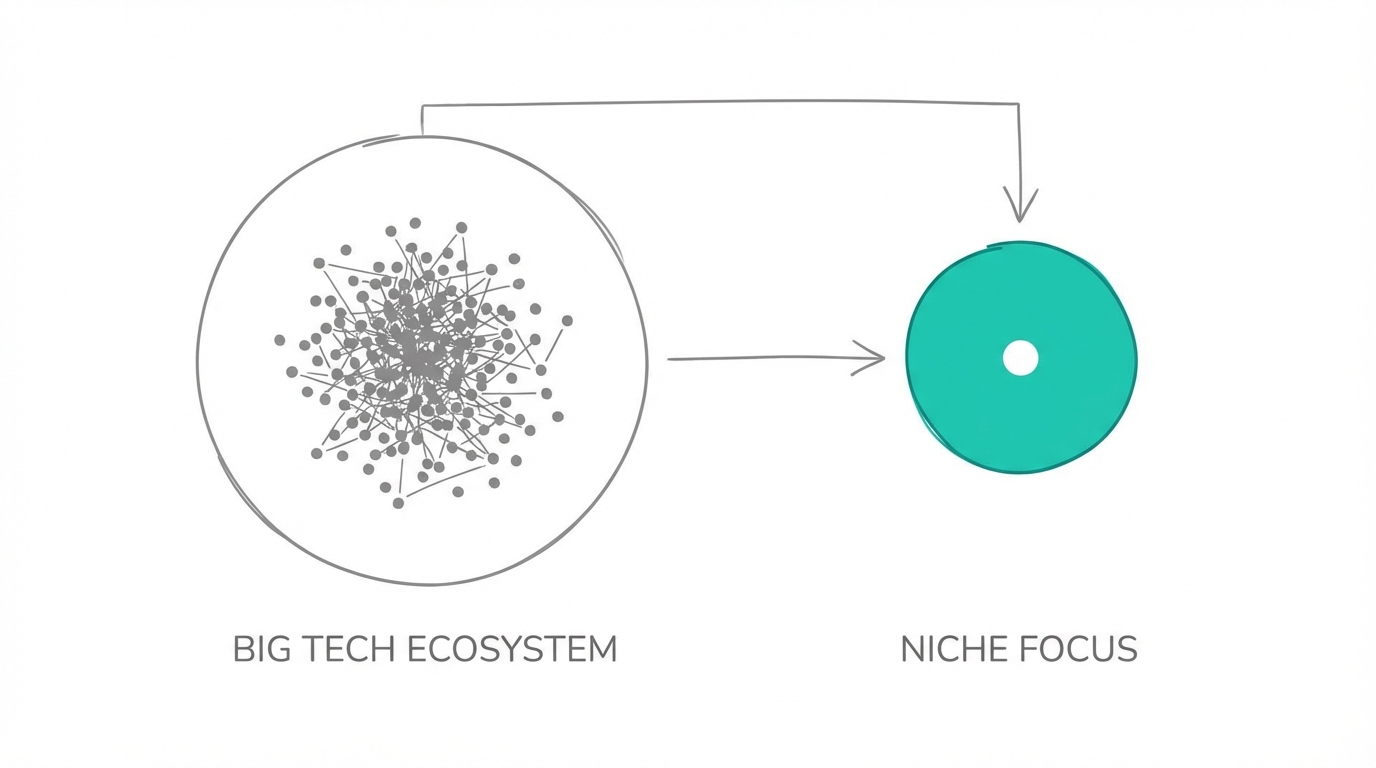

To succeed in hardware today, you cannot attempt to out-Apple Apple. They have a multi-trillion-dollar lead in supply chain logistics, chip design, and industrial aesthetics. Instead, smart founders are using a counter-positioning business model. This involves making strategic choices that a giant like Apple literally cannot copy without damaging its own brand. Apple’s brand is built on being the premium, sleek, all-in-one tool for everything. If they launched a device that was deliberately "nerfed"—meaning it lacked an App Store or prevented social media access—they would be admitting that their primary product is harmful. They are structurally incapable of offering a truly "dumb" or utility-only device because their ecosystem relies on the 30% tax from digital consumption.
As John Coogan noted in a recent episode of the Technology Brothers podcast, counter-positioning allows a small firm to thrive in the "quirky" and the "rugged." While Apple uses sleek titanium and minimalist glass, a startup can use clear, neon-colored plastics, chunky physical buttons, and ruggedized shells. When your device looks like a toy but functions like a high-utility tool, you are playing a game that the giants won't touch. This visual and functional differentiation ensures that when a parent sees your product on Instagram, they don't compare it to an iPad; they see it as a completely new category of digital wellness gadgets.
Building the KPhone: Stripping Away the Dopamine Loop
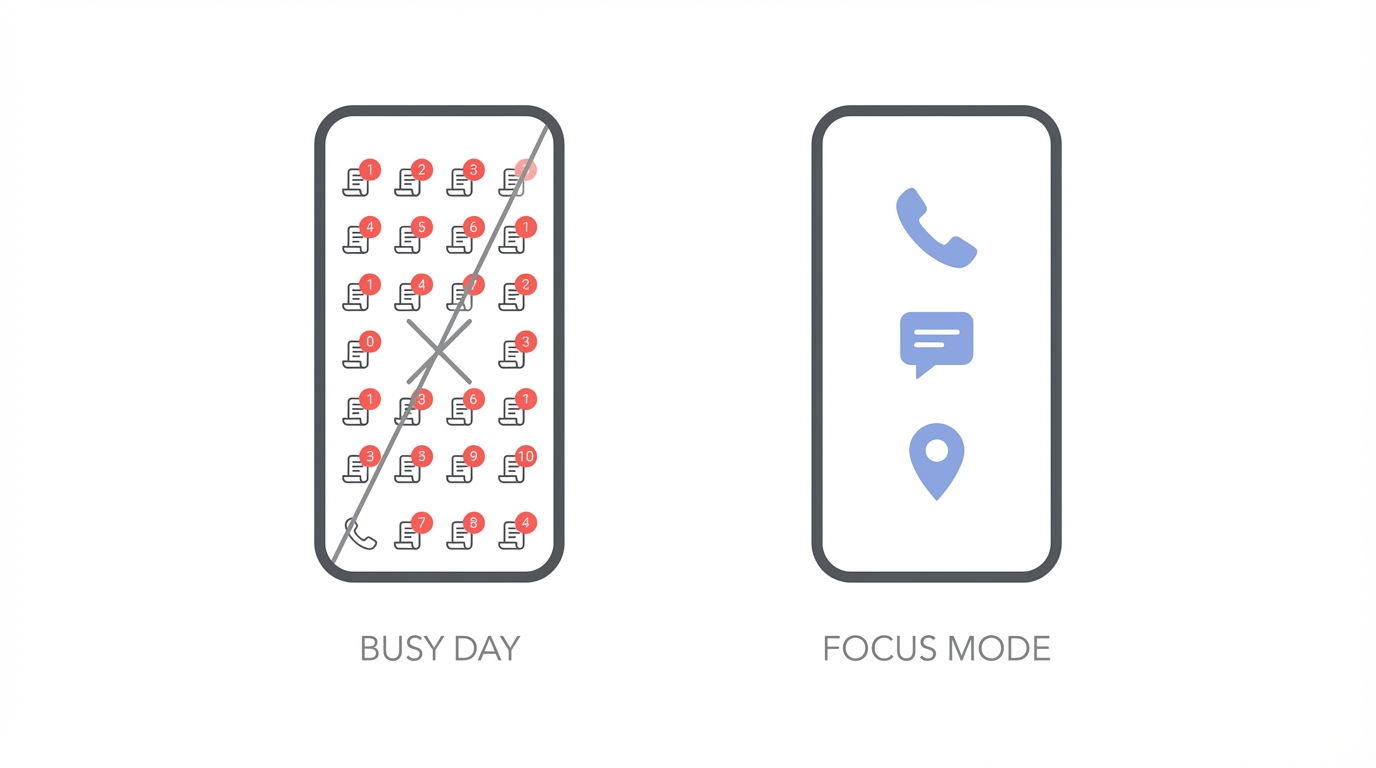
The core of the anti-smartphone movement is the "KPhone" concept—the Kid’s Phone. Unlike the standard smartphone, which is a gateway to TikTok, Roblox, and Fortnite, the KPhone is built for focused utility. It solves the primary problem parents face: the need for communication and safety without the psychological baggage of social media. A successful smartphone alternative for kids should focus on four pillars: emergency communication, location tracking, educational utility (like a camera that identifies plants or helps with homework via AI), and rugged durability.
The goal is to provide enough value that the parent feels the $200 price point is justified, but enough friction that the child doesn't become addicted to the screen. Recent attempts in the AI hardware space, such as the Rabbit R1 or the Humane AI Pin, failed because they tried to replace the smartphone for power users. However, these devices would be perfect if repositioned for children. A device that lets a six-year-old take a picture of a flower and learn its name—without the ability to install Clash of Clans—is a product parents are "thirsty" for. By deliberately curtailing the dopamine-fueled infinite scroll, you aren't just selling a device; you're selling a parenting solution.
The Hardware MVP Playbook: From Concept to Small-Batch
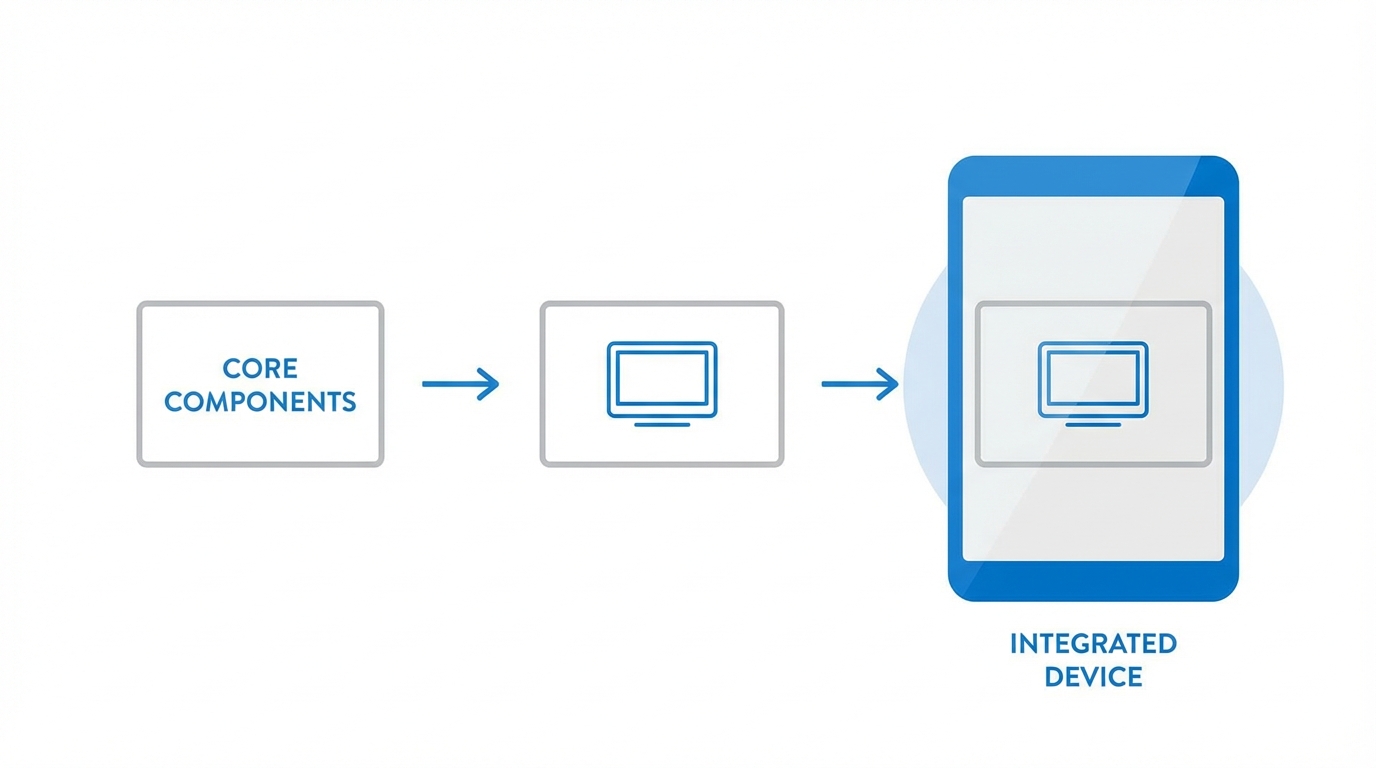
Building hardware no longer requires a billion-dollar seed round. The rise of small-batch manufacturing and off-the-shelf component sourcing has lowered the barrier to entry for niche electronic devices. You don't need to mill a unibody aluminum chassis; you can start with high-quality plastics and existing Android-based open-source kernels. The following playbook outlines how to de-risk your hardware startup before you hit the assembly line.
Step 1: Define the Opinion
Your hardware must be "opinionated." This means it must take a stand. Is it only for reading? Is it only for voice notes? By narrowing the scope, you reduce the complexity of the software and the hardware requirements. For example, a device meant only for GPS tracking and voice calls requires a much smaller battery and a less powerful processor than a device that needs to render 3D games.
Step 2: Sourcing and Prototyping
Use existing PCB (Printed Circuit Board) designs where possible. Many hardware founders start by hacking existing devices—like the way a young developer might hack a Kindle Fire to see its limits. Once you have a functional prototype, move to 3D printing for the casing. Small companies like ModRetro have shown that there is a massive market for nostalgic, tactile hardware that feels different from the sleek, cold electronics of the modern era.
Step 3: Small-Batch Manufacturing
Instead of aiming for millions of units, target 5,000 to 10,000 units. Shenzen-based manufacturers are increasingly open to smaller runs for innovative startups. This "limited run" approach creates scarcity and allows you to iterate on the design based on real-world feedback from your first cohort of users. You can manage the logistics and payments through platforms like Stripe to keep your overhead low while you scale.
Marketing to Millennial Parents: Bypassing the Monopolies
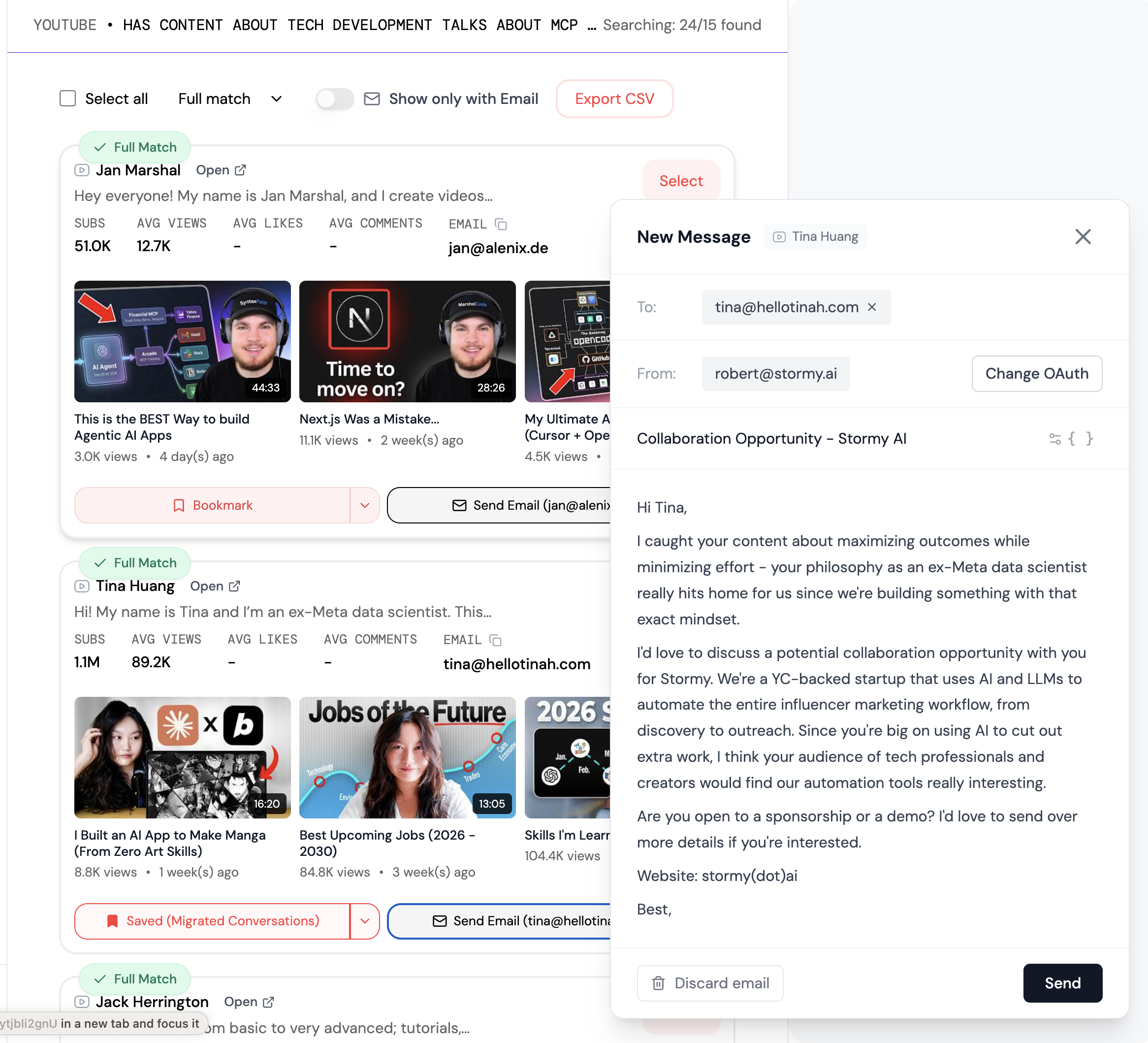
Millennials are the first generation of "prosumer" parents. They are tech-savvy, they value aesthetics, and they are deeply aware of the negative effects of screen time. To reach them, you don't need a slot in a Best Buy; you need a community-led growth strategy. This involves using User-Generated Content (UGC) and influencer marketing to show the device in action. Parents want to see other parents using the gadget to keep their kids safe at the park or engaged in a hobby without a screen.
Marketing these products requires finding the right voices. Tools like Stormy AI can help source and manage UGC creators who specialize in digital wellness and parenting niches. By identifying creators on TikTok and Instagram who already talk about the dangers of "iPad parenting," you can place your product directly in front of a warm audience. Using Meta Ads Manager to target these specific interest groups allows you to build a $10M+ business without ever needing a retail partnership. Gift-giving seasons like Christmas and the "Back to School" rush are your primary levers for hyper-growth.
Monetization Beyond the Device: Subscriptions and Ecosystems
One of the biggest mistakes hardware startups make is relying solely on the one-time sale of the device. To build a sustainable business, you must think about monetization beyond the hardware. This is where the "insurance" model comes in—getting paid today for something that might happen tomorrow. Parents are happy to pay a monthly subscription for features like real-time location tracking, emergency SOS monitoring, and premium educational content.
By building a walled garden that is actually safe, you create a recurring revenue stream that Apple and Google cannot easily disrupt. You can also partner with educational platforms to provide exclusive content that is only accessible on your device. This transforms your gadget from a one-off purchase into a long-term service. As your user base grows, you can manage these customer relationships using a creator CRM to keep track of your most loyal advocates and power users, ensuring that your product development remains aligned with the needs of the community.
Conclusion: The Future of Niche Hardware
The era of the "everything device" has peaked. We are entering a period where consumers are hungry for niche electronic devices that respect their attention and serve a specific, high-value purpose. Whether it is a digital wellness gadget for an adult trying to disconnect or a smartphone alternative for kids designed by a frustrated parent, the opportunity for hardware innovation is greater than it has been in decades. By focusing on counter-positioning, leveraging modern AI for utility, and maintaining a direct-to-consumer relationship, entrepreneurs can build substantial businesses that offer a refreshing alternative to the big tech status quo. The future isn't just digital; it's tactile, opinionated, and intentionally limited.