In 2026, the era of the "standalone chatbot" has officially ended. For the modern entrepreneur, the competitive edge no longer comes from simply using AI, but from orchestrating an AI workforce. We have moved beyond basic prompt engineering into the realm of Claude AI agent mesh networking—a world where specialized, autonomous digital coworkers communicate through standardized protocols to execute complex, multi-step business strategies without human intervention. The transition from "human-led copilots" to "agent-led autonomy" is the defining shift of this year, and businesses that fail to build a robust agentic architecture risk being left behind in a manual past.
The Rise of the Agentic AI Market in 2026
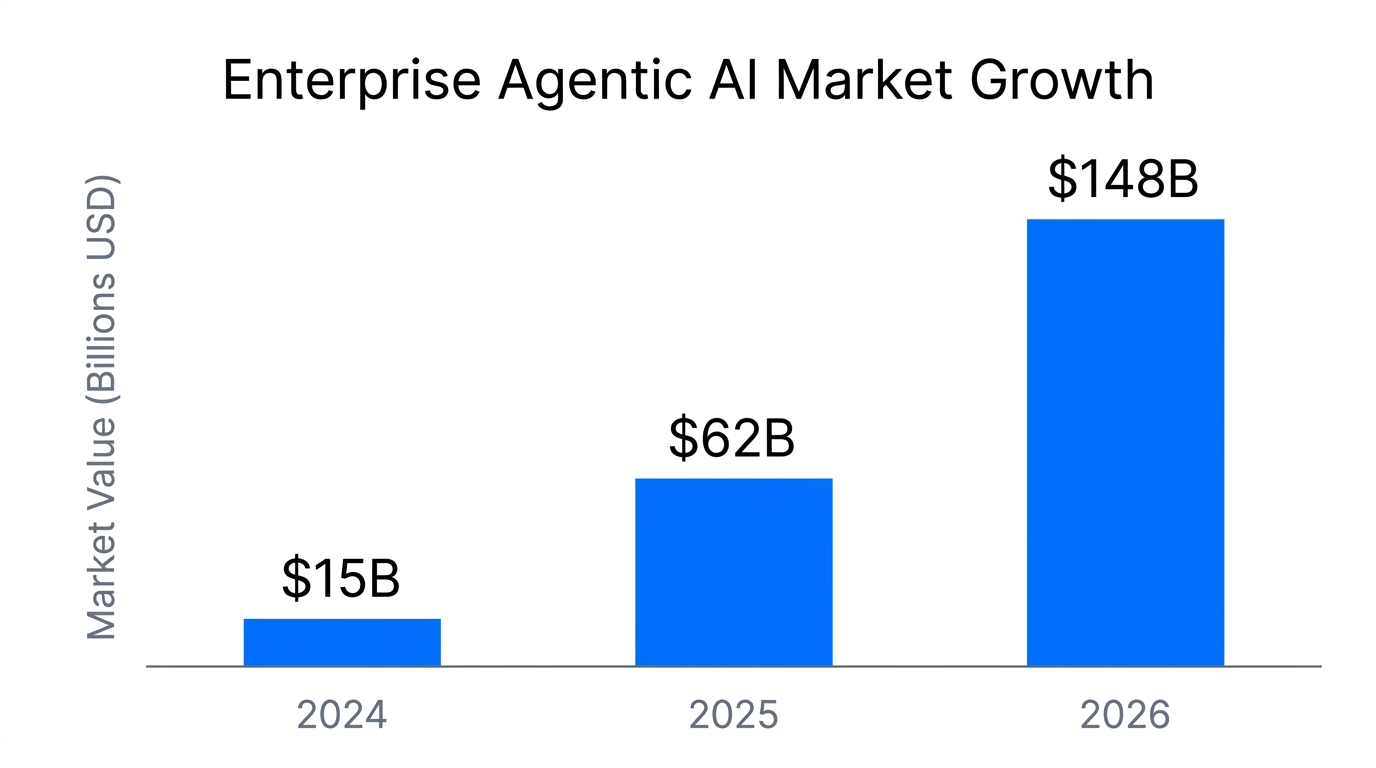
The numbers behind this shift are staggering. According to latest data from Precedence Research, the global Agentic AI market reached $10.86 billion in Q1 2026, a significant jump from $7.55 billion just a year ago. Projections now suggest this sector will explode to $251 billion by 2034. This isn't just hype; it is a fundamental re-architecting of how work gets done. Gartner reports that 80% of Fortune 500 companies now have at least one multi-agent system in production, with 40% of all enterprise applications featuring task-specific agents embedded into their core logic.
"In 2026, the question isn't how smart the model is, but how effectively it can delegate. We are seeing models sustain 7-hour autonomous sessions by acting as a 'technical lead' over a mesh of specialized sub-agents." — Dario Amodei, CEO of Anthropic
From Standalone Experiments to First-Class IT Citizens
In previous years, AI was often treated as a "side project" or a neat feature inside a browser tab. Today, AI agents are first-class IT citizens. As Edward Funnekotter, Chief AI Officer at Solace, notes, an agent mesh provides a real-time data platform that connects AI to the nervous system of the enterprise. This connectivity is made possible by the Model Context Protocol (MCP), which Anthropic standardized and later donated to the Linux Foundation. MCP acts as the "Universal Bluetooth" for AI, allowing agents to discover and use tools across different platforms—from Slack and Excel to internal databases—without custom API integrations.
This shift has led to the emergence of the "Agent-as-an-OS." Claude 5, currently the industry leader in reasoning, can now control desktop environments through native "Computer Use" capabilities. This means an agent isn't just writing an email; it is opening your CRM, checking inventory, drafting the proposal in a Doc, and scheduling the follow-up in your calendar simultaneously. This level of autonomy is why VentureBeat reported that Anthropic's "Claude Code" reached $1B ARR in just six months after its release.
The 2026 Agent Orchestration Stack
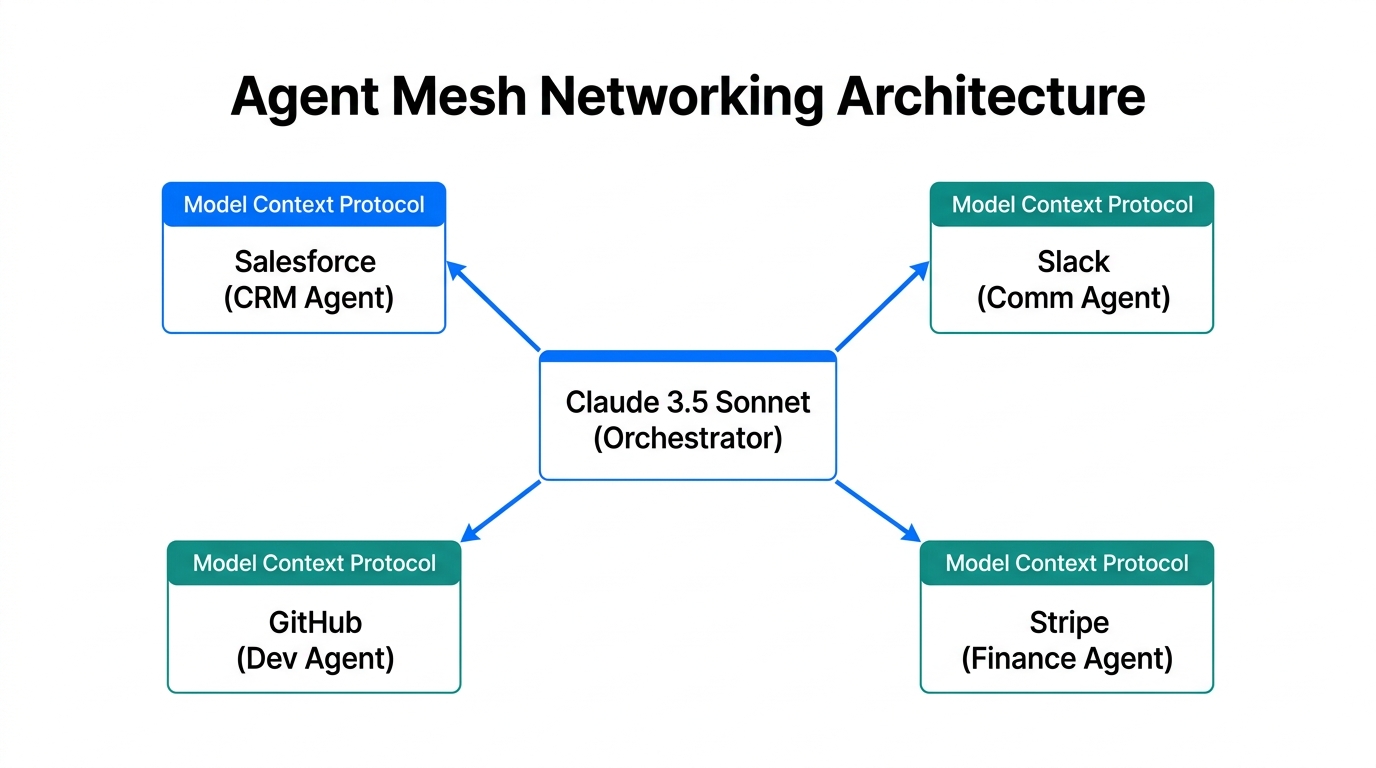
Building an AI workforce requires the right tools. The market has bifurcated into provider-owned SDKs and agnostic orchestrators. Choosing the right framework depends on whether you value high-speed "handoffs" or complex, stateful logic loops. For instance, while OpenAI's Agents SDK is excellent for fast, boilerplate-heavy development, the Claude mesh is widely considered superior for complex engineering and R&D due to its "Extended Thinking" traces.
| Platform | Best Use Case | 2026 Sentiment | Pricing Model |
|---|---|---|---|
| Claude Agent SDK | Complex R&D & Systems Design | Industry Leader for reliability | Free with Claude Max |
| LangGraph | Stateful, complex graphs | The "Enterprise Choice" | OSS / $500+ Cloud |
| CrewAI | Role-based autonomous teams | Best for "Vibe Coding" & Speed | OSS / $2,500 Enterprise |
| OpenAI Agents SDK | Fast app development | Replaced "Swarm"; Low latency | Usage-based |
When selecting your stack, keep in mind the "200K Token Trap." Many developers are seeing their costs double when context windows exceed 200,000 tokens. Smart architects are now using "context-narrowing" supervisor agents to strip out irrelevant history before passing data to worker agents, a strategy that keeps costs manageable while maintaining accuracy.
"An agent mesh moves us away from standalone experiments to AI being a first-class citizen in the IT infrastructure, connected to every vital organ of the business."
Hiring and Training 'Agent Architects'
The rise of the AI workforce has created a new job title: the Agent Architect. Unlike traditional software engineers, Agent Architects focus on defining KPIs for digital coworkers and treating them as a cohesive team. Their job is to ensure that your Claude AI agent mesh networking remains productive and doesn't fall into the common trap of "agent loops" where models spend tokens talking to each other rather than solving problems.
In the marketing sector, this architecture is already yielding massive results. Organizations using agentic GTM platforms report 4x to 7x improvements in conversion rates. For businesses looking to source and manage creator relationships at scale, platforms like Stormy AI provide the perfect specialized node in an agent mesh, automating influencer discovery and quality vetting so that your primary Claude "Architect" agent can focus on high-level campaign strategy.
Overcoming the 50% Failure Rate: The SPARC Methodology
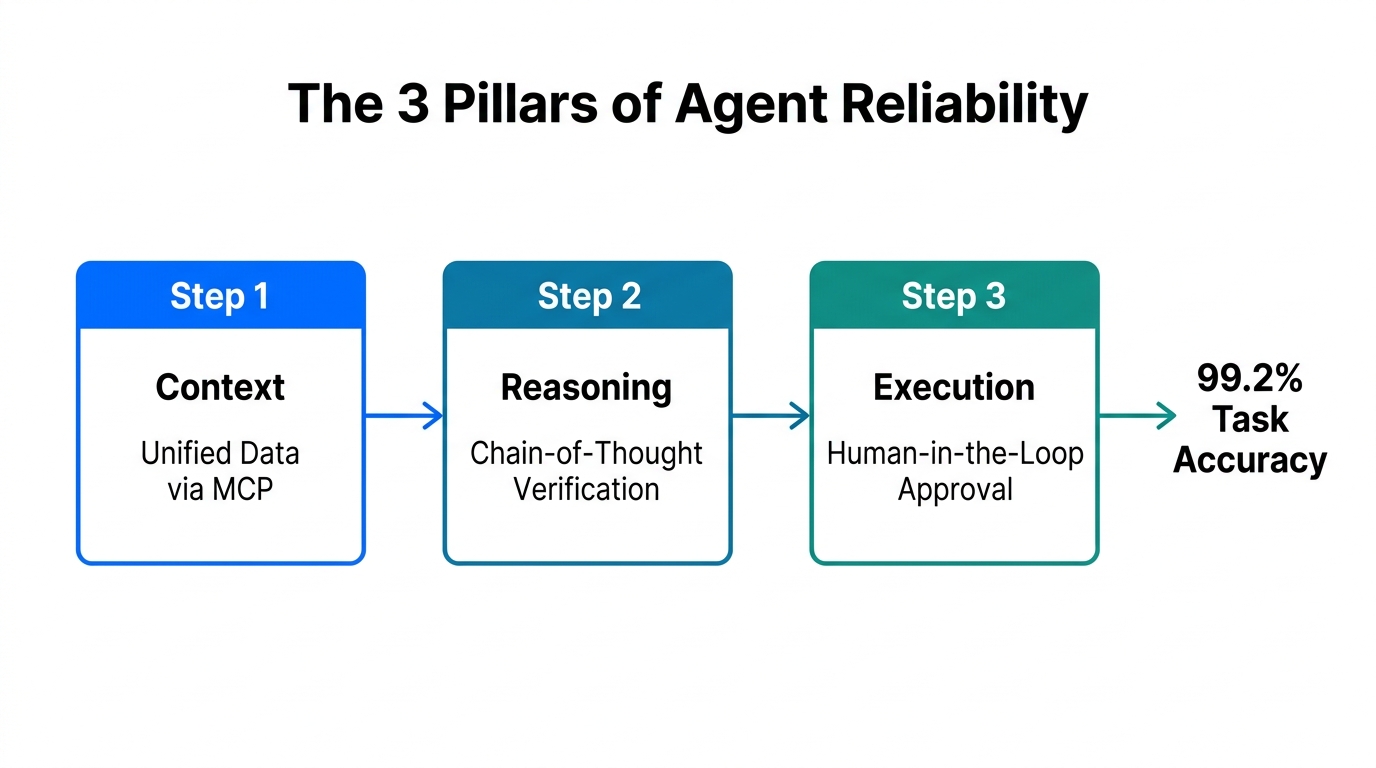
Despite the potential, building an AI workforce isn't without risk. Gartner research indicates that roughly 40-50% of multi-agent pilots fail within six months. The primary reason? A lack of verification layers. When agents "hallucinate" to each other, it creates a cascading error that can crash an entire workflow. To combat this, elite teams in 2026 use the SPARC (Systematic Planning, Acting, & Reviewing Cycle) methodology:
- Define the Architect: Initialize a high-reasoning model (like Claude 4.6 Opus) as the leader. Its only task is to create a
MULTI_AGENT_PLAN.md. - Specialization: Deploy smaller, faster "Worker" agents (like Claude 4 Haiku) for specific tasks like unit testing or SQL generation.
- Establish Communication: Use an MCP server so agents can maintain a shared memory of the project's progress.
- The "Tmux" Strategy: Run agents in separate terminal panes, allowing human oversight to intervene in one agent's task without halting the entire swarm.
- Validation Layer: Always include a Validator Agent whose only tool is a "No-Op." It cannot write code or execute tasks; it only exists to critique the output of other agents.
By implementing these structured planning layers, companies like Landbase and UBOS.tech have successfully reduced manual task costs by 70% for recurring data operations like KYC and insurance claims.
Regulated Industries: The Salesforce and Claude Partnership
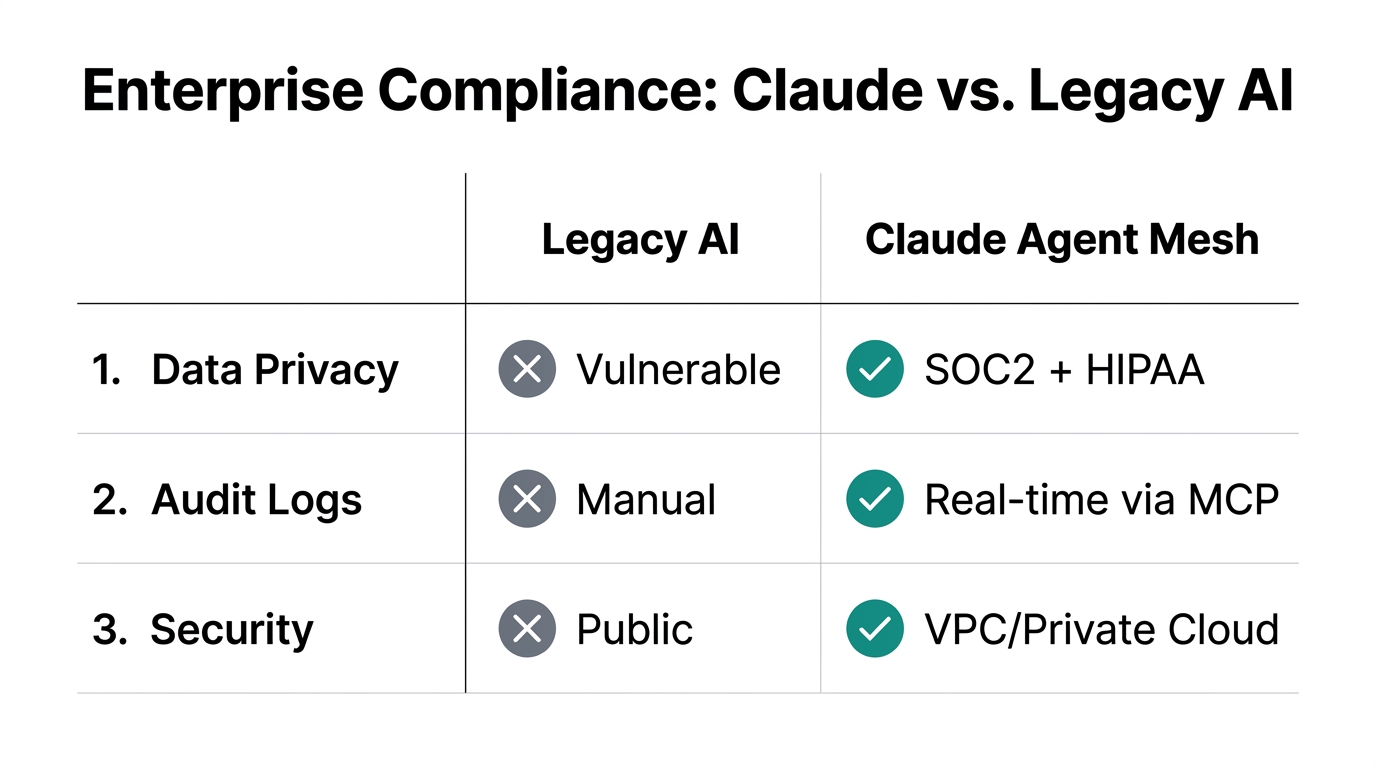
For those in Finance or Healthcare, the "wild west" of autonomous agents can be intimidating. However, the partnership between Salesforce and Anthropic has paved the way for secure, regulated agent deployment. The Agentforce 360 platform now utilizes Claude as its preferred model for highly regulated tasks, combining Salesforce's data security with Claude's Constitutional AI guardrails.
This is particularly vital as agents begin to handle sensitive tasks. For example, the telecommunications giant TELUS recently integrated a mesh of Claude support agents using MCP to sync real-time inventory and billing. This resulted in an 83% resolution rate for complex queries without human intervention, all while maintaining strict compliance standards. For businesses in the health-tech space, using Claude within the Salesforce ecosystem allows for automated candidate screening and onboarding that adheres to stringent data privacy laws, as seen in recent workforce management case studies.
"The transition to an AI workforce is no longer a technical choice; it is a financial imperative. The 171% average ROI seen this year speaks for itself."
Conclusion: Your Digital Workforce Awaits
As we move through 2026, the distinction between "software" and "employee" continues to blur. Scaling a business today requires a shift in mindset: you are no longer just a manager of people, but an orchestrator of intelligence. By leveraging Claude AI agent mesh networking, hiring dedicated Agent Architects, and following rigorous methodologies like SPARC, you can build a digital workforce that operates at a scale and speed previously unimaginable.
Start small by identifying a single, multi-step workflow—perhaps your content marketing or customer onboarding—and build a 3-agent mesh to handle it. As you gain confidence, integrate specialized tools like Stormy AI to handle the discovery and management of external creators, ensuring your AI workforce has the best possible data to work with. The future belongs to those who can build the mesh.