The landscape of digital marketing is undergoing a seismic shift, moving beyond simple task automation into the era of agentic reasoning. For years, marketing teams relied on "if-this-then-that" (IFTTT) logic to manage campaigns—a linear process where one trigger leads to one predetermined action. But in 2025, the complexity of social media platforms and the sheer volume of creator data demand something more sophisticated. Marketing leaders are now turning to agentic marketing workflows, where AI agents don’t just follow instructions; they reason through goals, handle roadblocks, and optimize themselves in a closed loop. By combining the raw power of Anthropic’s Claude Code with specialized data from an AI influencer marketing platform like Stormy AI, brands are building autonomous machines that handle everything from creator discovery to contract negotiation while the team sleeps.
The Evolution of Agentic Marketing Workflows
To understand the value of this transition, we must first define the difference between traditional automation and agentic workflows. Automation is a static bridge; an agent is a navigator. According to reports from the Digital Marketing Institute, nearly 79% of companies are already adopting AI agents, with two-thirds reporting tangible value in operational speed and decision-making quality. In the old model, a marketer might automate an email sequence. In the agentic marketing workflow model, an agent like Claude Code analyzes the sentiment of a creator's last ten videos, checks their audience demographics against your target persona, and decides whether or not to initiate outreach in the first place.
This shift is particularly critical in the creator economy. The global influencer marketing market is projected to reach $32.55 billion in 2025, according to data from indaHash. As the market grows, so does the noise. With 60.2% of marketers now using AI for influencer identification (Archive.com), the competitive advantage no longer comes from just using AI—it comes from how you orchestrate it. You need a system that treats your marketing funnel like a codebase: version-controlled, modular, and highly intelligent.
Claude Code: The Marketing Command Center
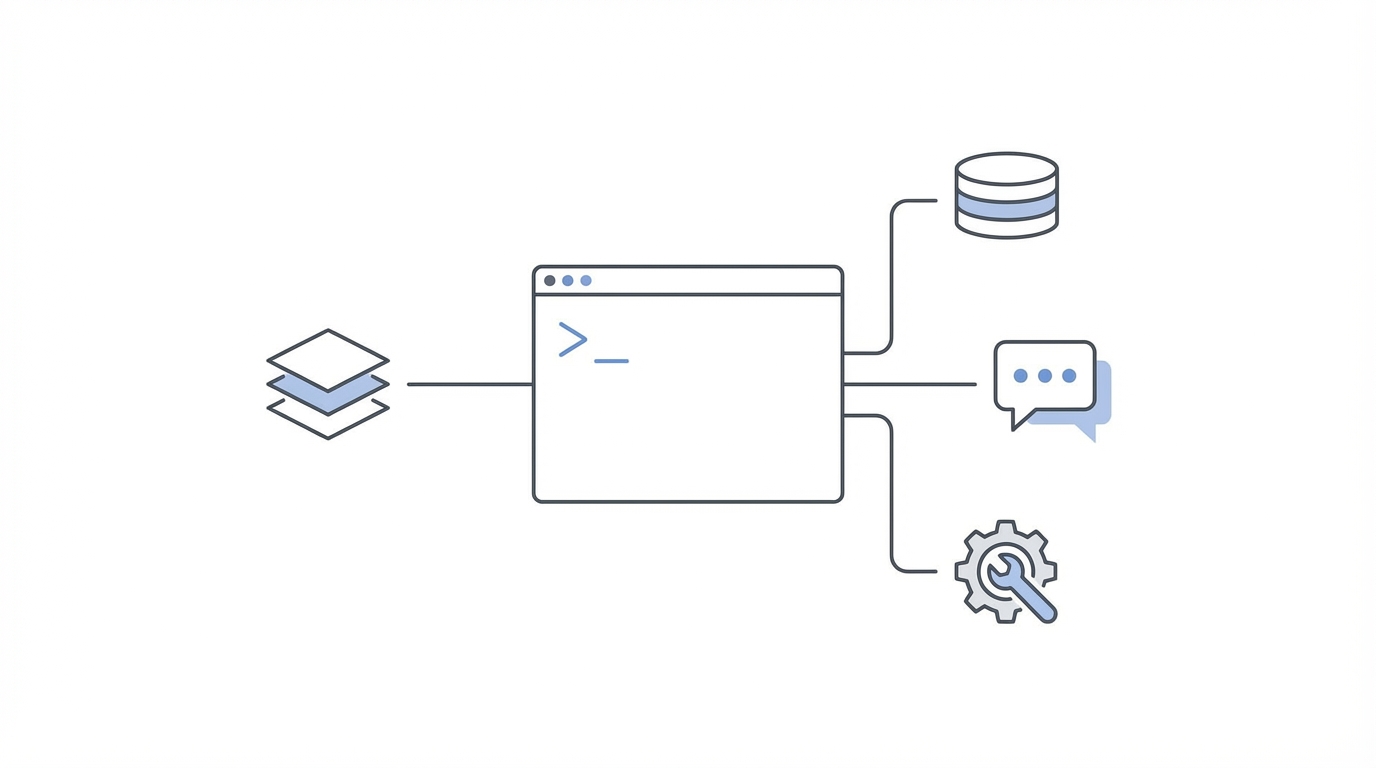
Anthropic’s recent release of Claude Code, an agentic CLI (Command Line Interface) tool, has provided marketing engineers and growth leaders with a professional-grade terminal for orchestration. Unlike a standard chatbot, Claude Code has direct access to your local files, your development environment, and external APIs through the Model Context Protocol (MCP). This allows it to act as the "Command Center" for your entire influencer strategy. As noted by Anthropic, their own internal growth teams have used Claude-driven workflows to reduce ad creation time from 30 minutes to just 30 seconds. They achieved this by building custom plugins that allow Claude to reason through creative briefs and export upload-ready CSVs for platforms like Google Ads.
For an influencer marketing leader, Claude Code serves as the brain that connects disparate data points. It can read a list of influencers, cross-reference them with your historical performance data, and use agentic reasoning to prioritize which creators are most likely to drive a high ROI. This is the implementation of what Sam Altman (CEO of OpenAI) calls the "era of the idea guy," where technical barriers like manual data entry and spreadsheet management are replaced by the ability to orchestrate intelligent, goal-oriented agents.
Layer 1: Discovery and Data Extraction
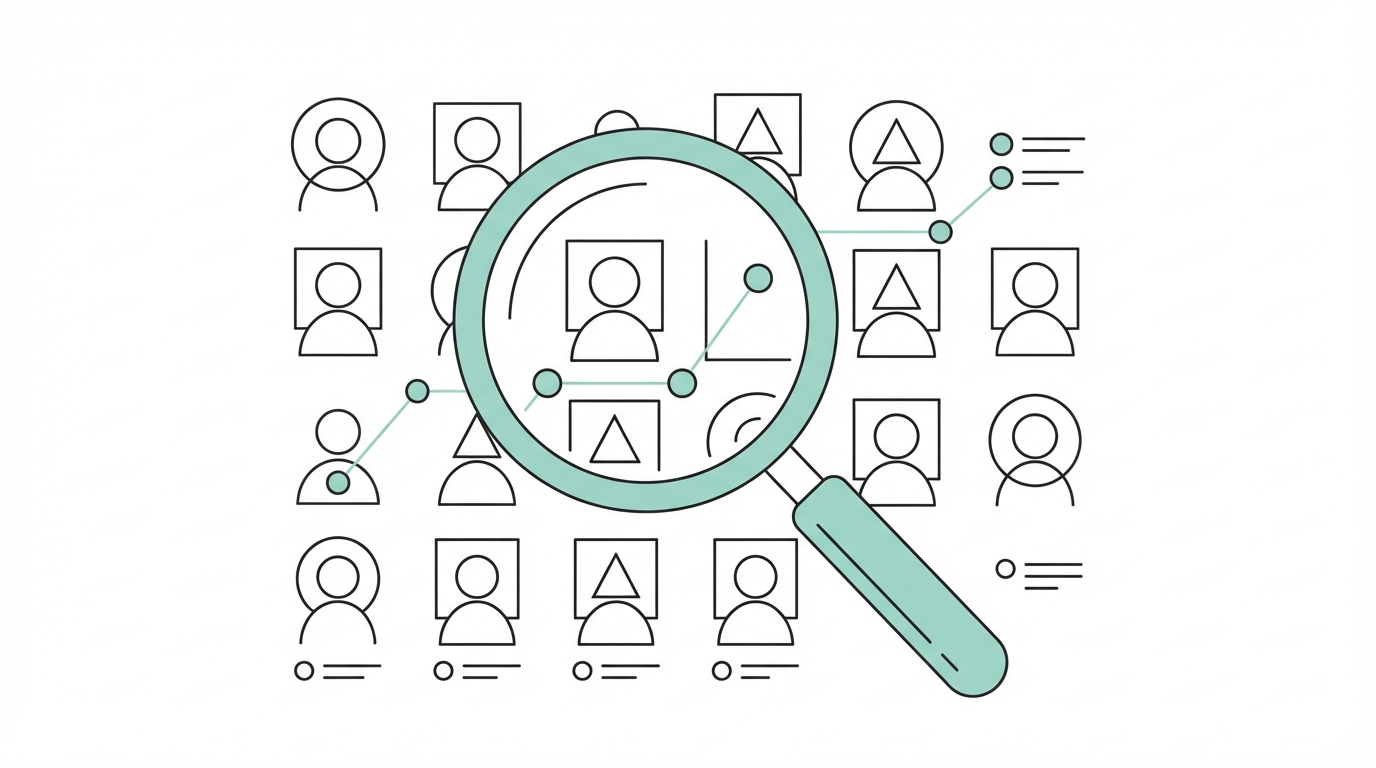
An agent is only as good as its data. In a high-performing agentic workflow, you need a specialized engine to feed high-quality creator leads into your system. This is where Stormy AI excels. Instead of manual filtering, you use natural language prompts to surface the most relevant creators. For example, a mobile app developer looking for User Generated Content (UGC) for a productivity tool might use a prompt like: "Find US-based tech YouTubers with 50k-200k subscribers who focus on minimalist setups and have mentioned 'productivity' in their last 3 videos."

The AI influencer marketing platform acts as the connective tissue, providing the raw data—emails, engagement rates, and audience quality scores—that Claude Code then processes. Research from IQFluence shows that while average brands earn $5.78 for every $1 spent on influencers, top performers who leverage data-driven vetting hit up to $18 per $1 invested. By using Stormy AI to feed Claude Code, you are positioning your brand among those top performers.
Layer 2: The Skill Architecture and Playbook Execution
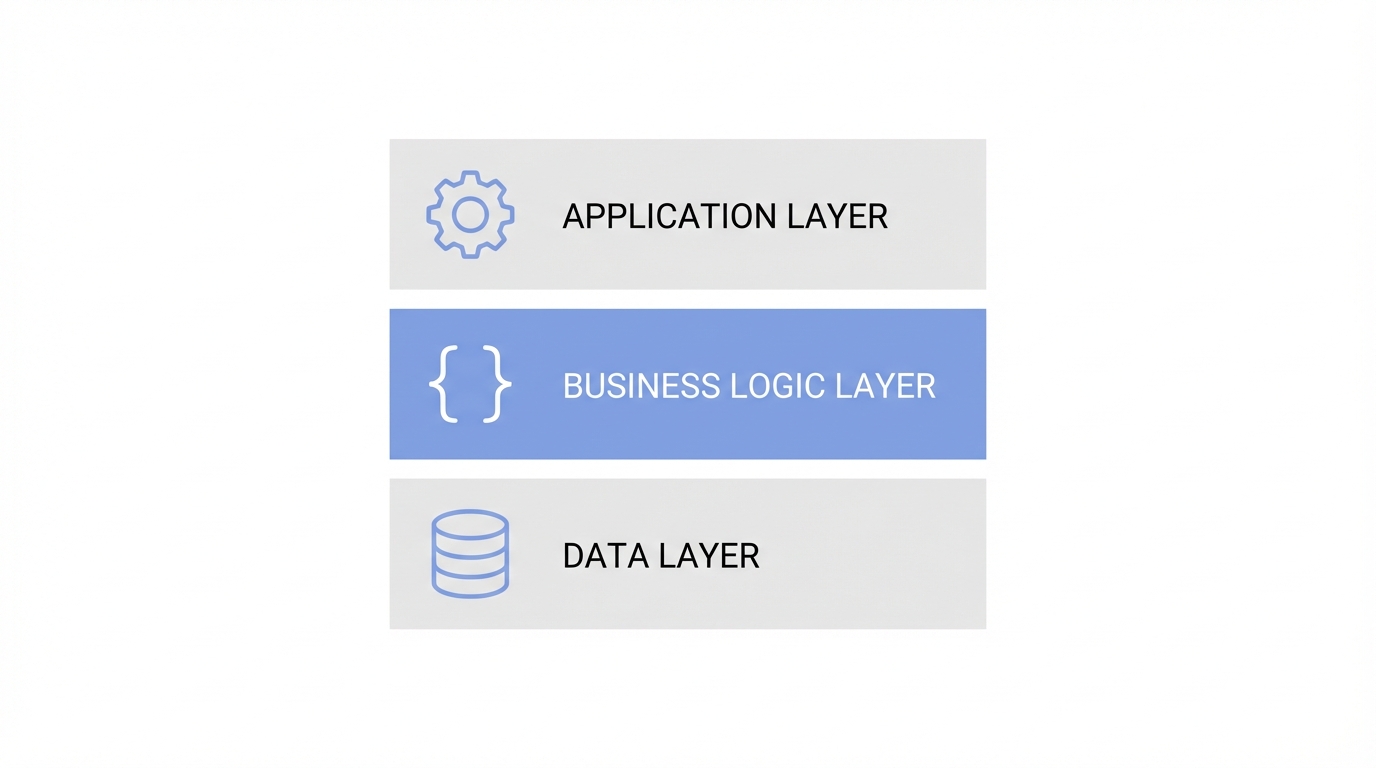
One of the most powerful features of Claude Code is the ability to build a .claude/skills directory. This is essentially a library of repeatable marketing playbooks stored as code. Andrej Karpathy, former Director of AI at Tesla, suggests treating AI as a "junior report." You don't just give them a task; you provide constraints and repeatable "Skills." For a marketing leader, these skills might include:
- Outreach Skill: A script that takes a creator's bio and latest video title and generates a hyper-personalized email.
- Vetting Skill: A script that analyzes a CSV of creators and flags anyone with suspicious engagement patterns or non-relevant audience demographics.
- Negotiation Skill: A playbook that helps the AI respond to price quotes based on your brand's internal CPM benchmarks.
By housing these in a GitHub repository like the Influencer Marketing Claude Skills, your team can ensure consistency across every campaign. This approach effectively eliminates "AI Slop"—generic, low-quality outputs—by anchoring the agent's reasoning in your actual brand voice and historical successes.
Layer 3: Closed-Loop Creative Optimization
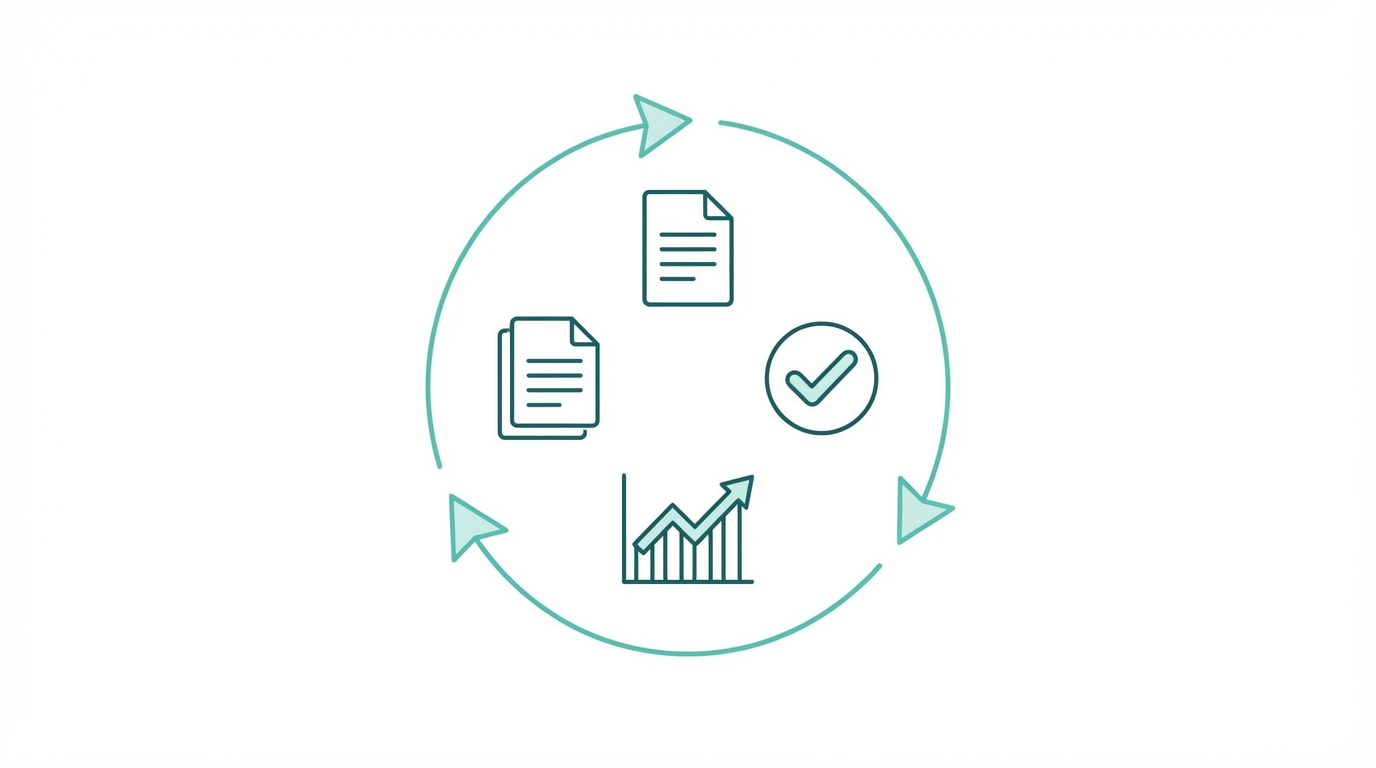
The final stage of an agentic marketing workflow is the closed loop. This is where the AI doesn't just launch a campaign but also analyzes the results to inform the next discovery phase. By using the Model Context Protocol (MCP), Claude Code can connect to tools like Playwright to browse the web, take screenshots of influencer content, and analyze performance data from Meta Ads Manager or TikTok Ads.
A real-world example of this in action is Unilever’s rollout of its Clean Beauty line. By using an AI content studio to generate over 1,200 brand-safe assets from just a few pieces of influencer footage, they reduced creative spend by 33% (AI Align Agency). In an agentic workflow, Claude Code could automatically identify which influencer video is performing best in Apple Search Ads and then instruct Stormy AI to find 20 more creators with similar audience profiles to scale the success.
Common Mistakes to Avoid
While building these workflows, marketing leaders must avoid common pitfalls that lead to diminishing returns:
- The "AI Slop" Trap: Never rely on generic AI outputs. Always anchor Claude’s writing by feeding it your past successful posts and a detailed brand voice guide.
- Vanity Metric Obsession: Ranking creators only by follower count is a legacy mistake. Use Claude to perform sentiment analysis on the last 100 comments of a creator to gauge true audience trust.
- Fragmented Tooling: Avoid having research in one tab and outreach in another. Tools like Stormy AI integrate discovery, vetting, outreach, and CRM into a single source of truth, which Claude Code can then access via API or file export.
As noted by industry experts, maintaining qualitative human feedback for long-term relationship building is still essential. The AI should handle the quantitative heavy lifting—discovery, initial outreach, and data analysis—allowing humans to focus on the high-level strategy and creative vision.
Conclusion: The Future is Agentic
The transition to agentic marketing workflows is no longer a luxury for early adopters; it is a necessity for brands looking to scale in a saturated market. By using Claude Code as your central command center and leveraging the deep data insights of Stormy AI, you can build a marketing machine that is more efficient, more data-driven, and more profitable than ever before. Start by defining your first "Skill," connecting your influencer data, and watching as your campaign launch times drop from hours to seconds. The era of the automated marketer is over; the era of the agentic marketing leader has begun.