In 2026, the era of the monolithic CRM as the sole source of truth has ended. We have moved beyond simple automation and entered the age of the Agentic GTM Mesh. Growth teams are no longer just purchasing SaaS seats; they are architecting custom data pipelines that act autonomously. At the heart of this shift is Claude Code, Anthropic’s agentic CLI tool, which has transformed RevOps from a department of "no-code" troubleshooters into a team of AI-augmented software engineers. This guide explores how to build and maintain this mesh to achieve unprecedented efficiency.
The Shift: From 'Buying SaaS' to 'Building Agentic Workflows'
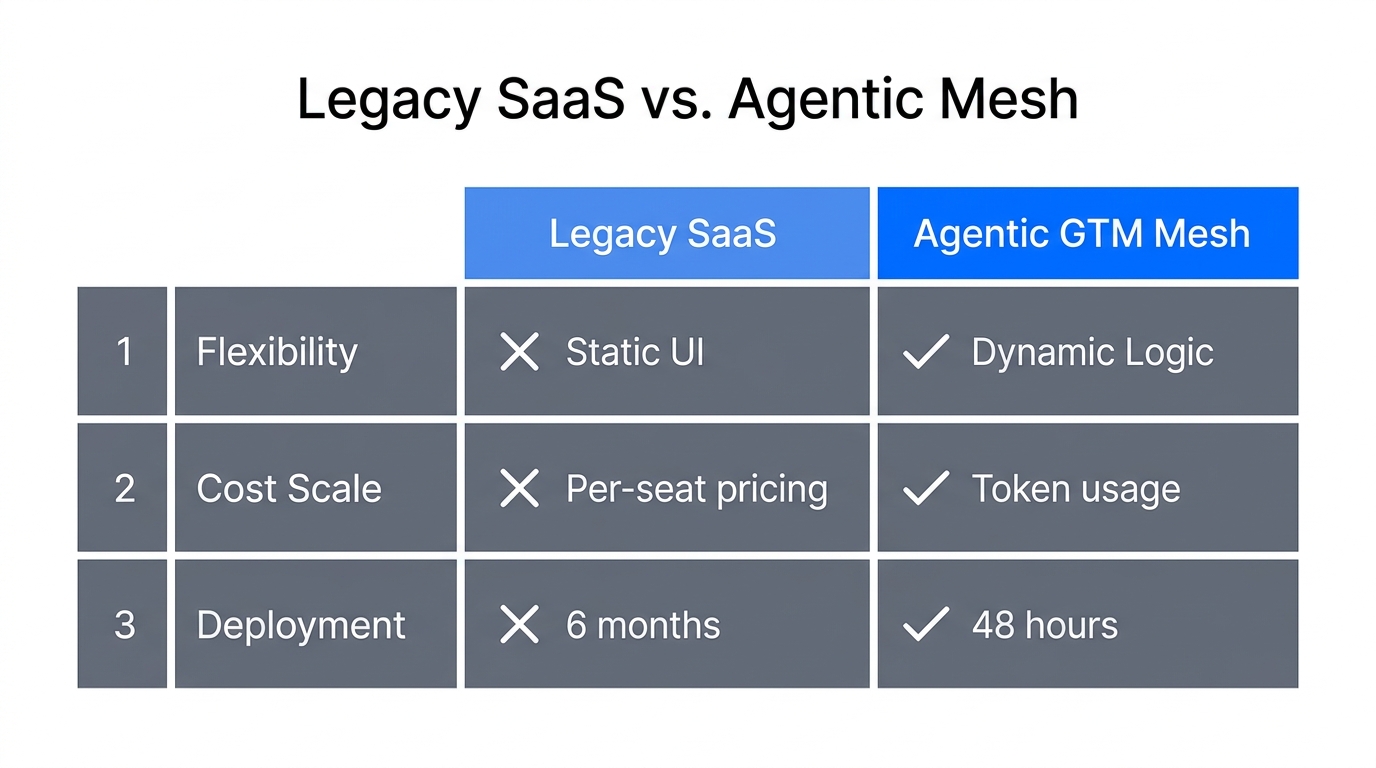
By early 2026, the market for AI-driven GTM infrastructure has exploded. According to IDC, the AI developer tool market is projected to reach $36.2 billion by the end of this year. This growth is driven by a fundamental change in how companies allocate their $132 billion global GTM technology spend. Instead of settling for rigid integrations, teams are using Claude Code to build "Composable GTM" solutions.
"The GTM Mesh is no longer a concept; it’s the requirement. If your sales team is waiting for a batch sync from Marketing, you’ve already lost."
Traditional silos are being replaced by an interconnected mesh where AI agents like Claude Code orchestrate data flow between platforms like Clay, Common Room, and Segment. The goal is simple: minimizing the latency between a customer signal and a revenue-generating action. For teams leveraging influencer marketing, integrating platforms like Stormy AI into this mesh allows for real-time creator vetting and automated outreach as soon as a potential partner trends in your niche.
| Feature | Claude Code | Cursor IDE | Zapier/Make |
|---|---|---|---|
| Interaction | Terminal/CLI (Agentic) | Visual Code Editor | Drag-and-Drop GUI |
| Logic Depth | Extremely High | High | Low/Medium |
| GTM Suitability | Custom API & DevOps | App Development | Simple Tasks |
Implementing the Signal-to-Ship Pipeline
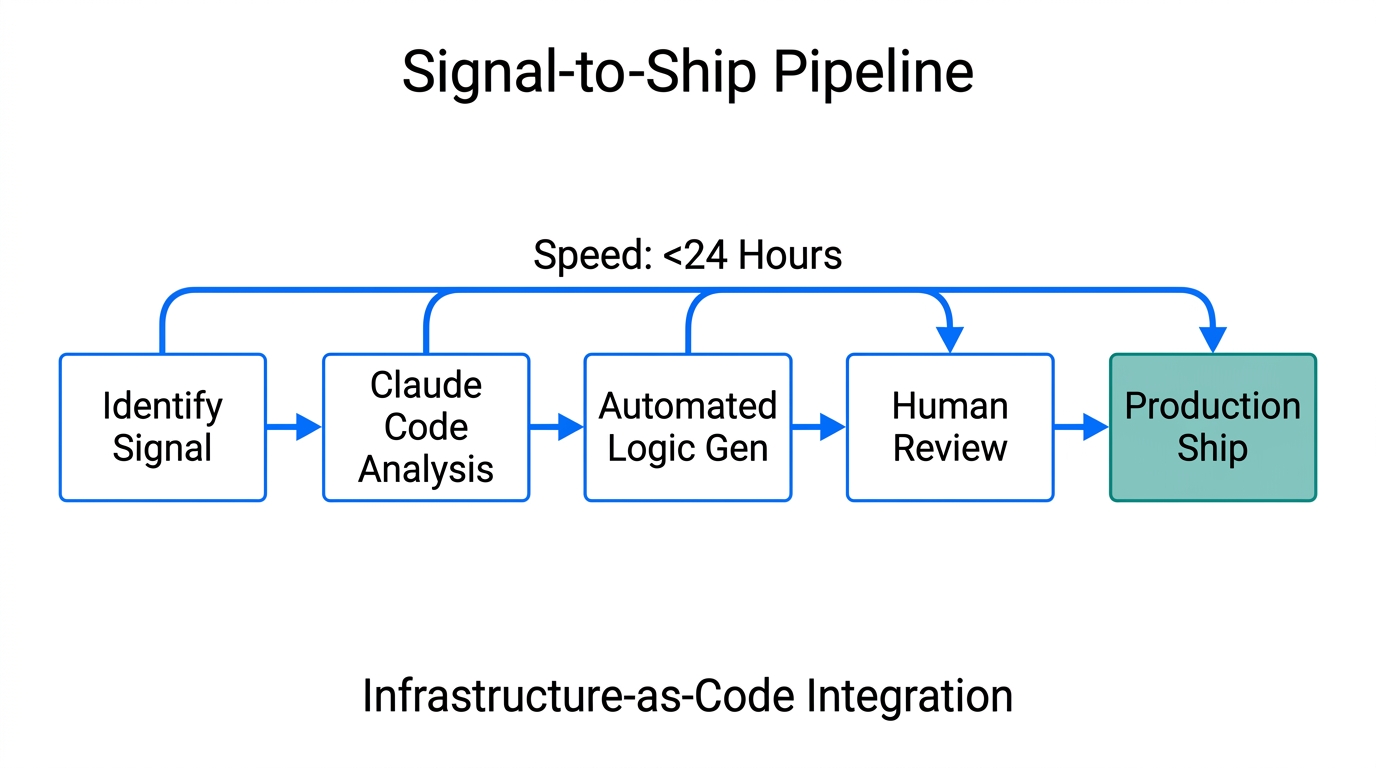
The Signal-to-Ship pipeline is the gold standard for GTM in 2026. It ensures that every high-intent action—whether it’s a GitHub star or a specific product interaction—is met with an immediate response. Leading firms are now seeing "latency to action" windows drop below 5 minutes.
Step 1: Initialize the Environment
Begin by running the standard 2026 one-liner: curl -fsSL https://claude.ai/install.sh | bash. Launch claude code in your local repository to begin the orchestration process.
Step 2: Define the Signal
Instead of manual monitoring, prompt Claude Code to create a listener. Example: "Write a Python script to monitor our Snowflake 'Product_Signals' table for any user who hits the 'Export' button 5+ times in 24 hours."
Step 3: Build the Enrichment Connector
Once the signal is caught, the agent needs to enrich the data. Use Claude to write logic that connects to the Clay API to find LinkedIn profiles and verify seniority levels.
Step 4: Execute the Action
Finally, have Claude Code task your CRM (like HubSpot or Salesforce) and notify the account owner via Slack. This entire workflow, which previously took weeks of engineering, can now be deployed in minutes.
Reducing 'Ops Debt' by 45%
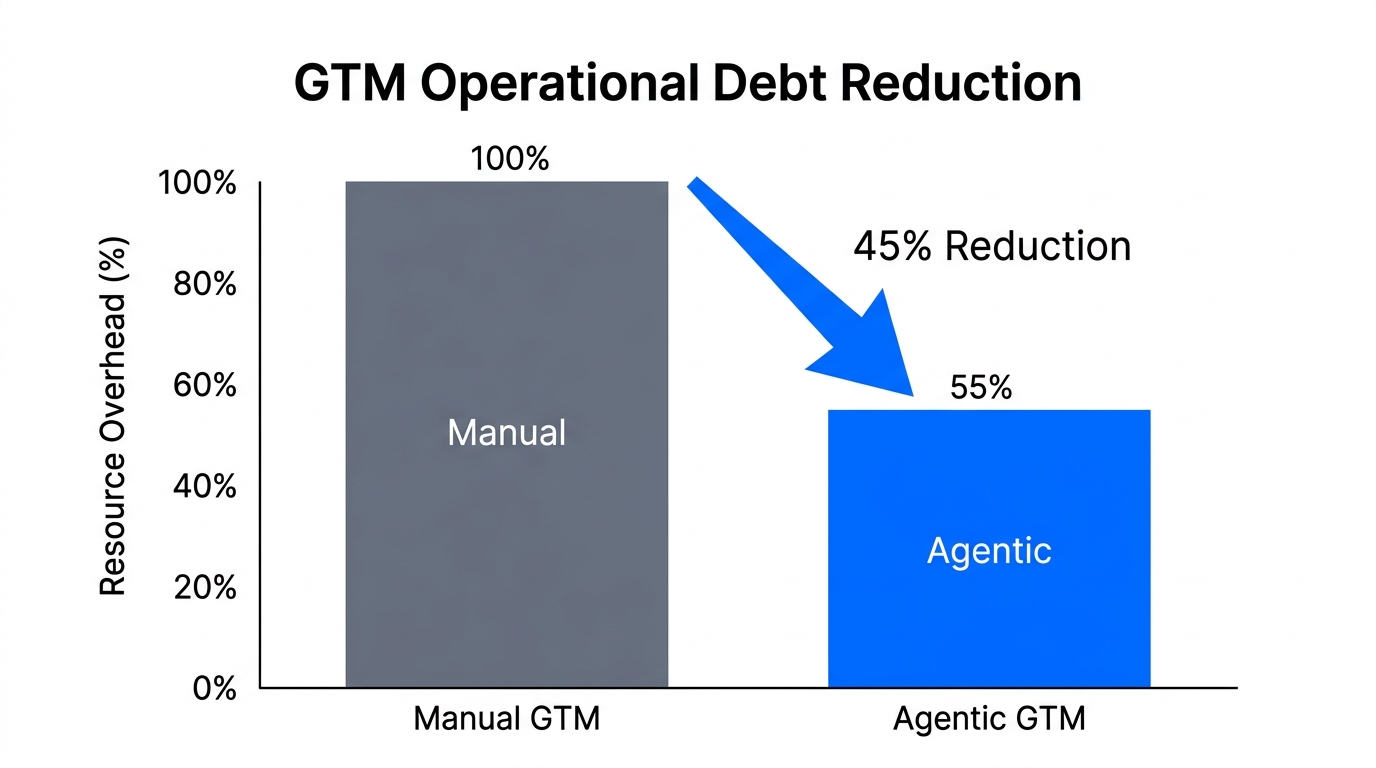
One of the most significant benefits of the Agentic GTM Mesh is the 45% reduction in "Ops Debt"—the time wasted fixing broken connectors or manual data syncs. By moving from "No-Code" to "AI-Code," RevOps leaders can handle complex routing logic that legacy tools simply cannot manage.
"The biggest shift in 2026 is the democratization of technical GTM. You don't need a 10-person Engineering team when you have an Ops person who knows how to prompt Claude Code." — Hollie Castro, GTM Advisor
Case studies from 2026 show this transition in action:
- Ramp: The fintech leader used Claude Code to refactor their lead scoring algorithm, replacing a 2,000-line legacy SQL script with clean, AI-built microservices. This resulted in a 34% increase in lead routing accuracy.
- Vanta: By using the Signal-to-Ship methodology, Vanta reduced churn risk notification time by 60%, allowing customer success teams to intervene almost instantly.
Managing 'Token Shock' and Optimization
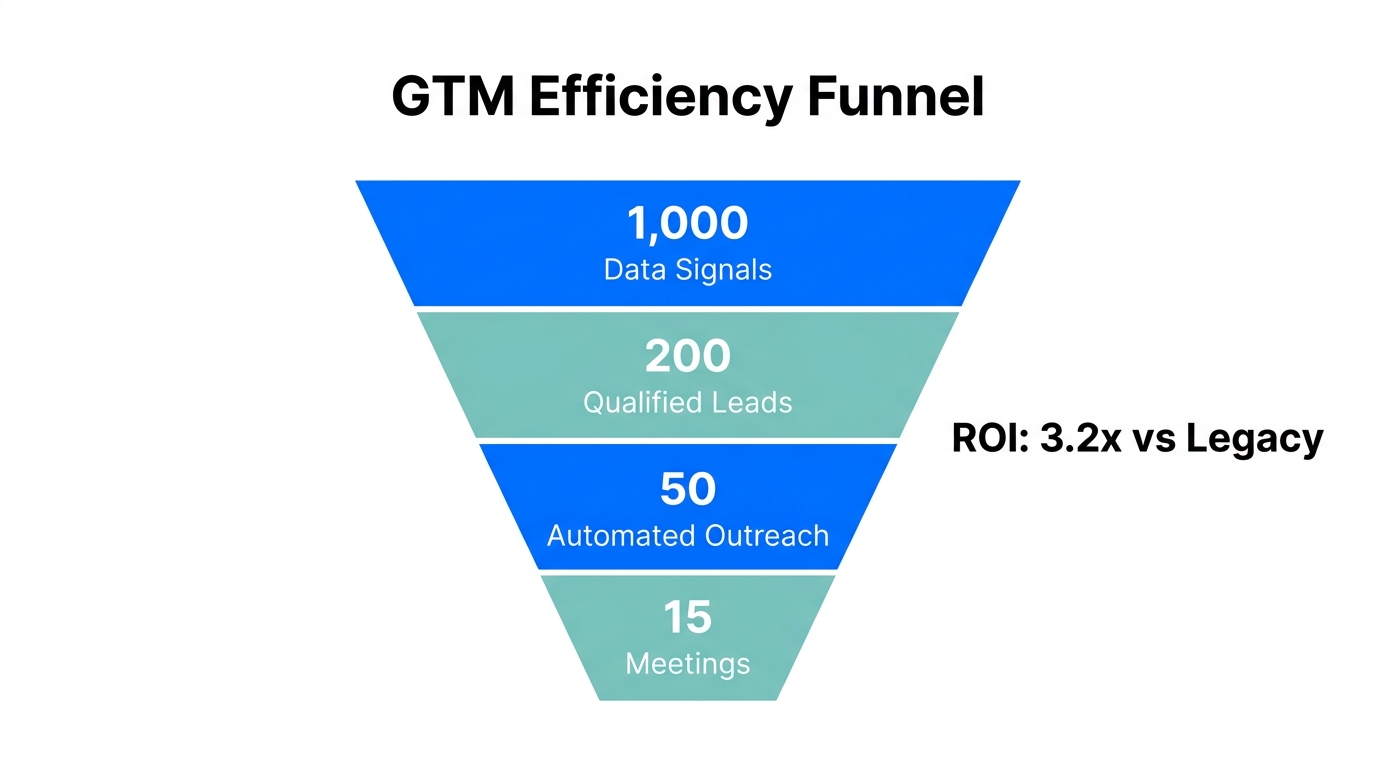
With power users burning through 200M to 1B tokens per month, managing costs is vital. In 2026, Claude Code users benefit from prefix caching, which allows for a 92% prefix reuse rate. This means a task that would have cost $6.00 in 2024 now costs roughly $1.15 because the agent remembers your CRM schema and coding rules.
| Metric | 2024 (Manual/Legacy) | 2026 (Agentic Mesh) |
|---|---|---|
| Time to build integration | 2-4 Weeks | 4 Hours |
| MQL-to-SQL Conversion | Baseline | +22% |
| Operational Debt Syncs | High | -45% |
For high-volume operations, switching to the Claude Max plan ($200/mo) is often the breakeven point. It’s also important to use the /compact command to summarize sessions and save on input tokens when your context window hits 80% capacity.
Navigating the Risks of 'Agentic Debt'
Despite the efficiency, growth leaders must be wary of "Black Box" integrations. If an agent writes a complex sync between Common Room and Vitally that no human understands, you’ve created a new form of legacy debt. To prevent this, practitioners on r/ClaudeCode recommend maintaining a strict CLAUDE.md hierarchy to document every AI-authored workflow.
Additionally, for teams managing creator networks, platforms like Stormy AI can act as an autonomous agent within your mesh, discovering and outreaching to influencers while you sleep, further reducing the manual burden on your growth team.
The Future of GTM is Agentic
By March 2026, the competitive advantage belongs to those who can turn data into action faster than their peers. Building an Agentic GTM Mesh with Claude Code is no longer just a technical luxury; it is the infrastructure required to survive in a high-velocity market. Start small—refactor a single lead scoring script or a notification pipeline—and scale your mesh as you see the ROI in your pipeline conversion rates. The goal is clear: build a growth engine that learns, acts, and scales with minimal human friction.