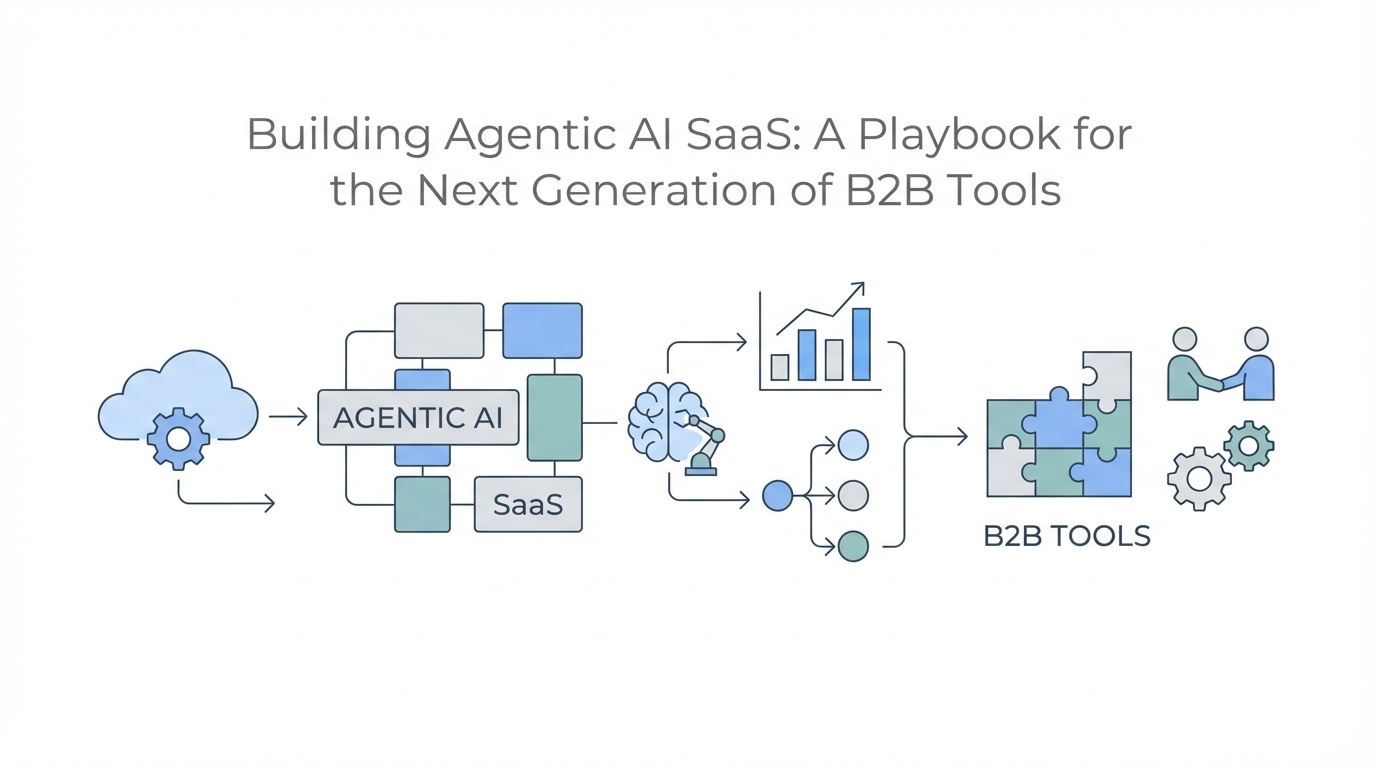
The era of simple "AI wrappers" is rapidly closing, making way for the rise of Agentic SaaS—a new category of B2B tools that don't just help humans do work, but actually perform the work themselves. We are moving from software as a tool to software as a service provider. In a recent breakdown with Starter Story, founders Joseph and Teimmo shared how they scaled their company, Setter AI, to $10,000 in Monthly Recurring Revenue (MRR) by focusing on this exact shift. Their journey provides a masterclass in building ai startups that solve high-value problems without falling into the trap of over-engineering before validation.
What is Agentic SaaS? Beyond the Chatbot

At its core, agentic saas refers to software that utilizes autonomous agents to handle multi-step business processes. Unlike a basic chatbot that merely answers questions, an AI agent can qualify leads, follow up across different channels, and schedule appointments into a calendar. This is particularly valuable in the B2B AI solutions space where human capital is the highest cost. By replacing or augmenting a sales representative, an ai appointment setter provides immediate, 24/7 responsiveness that a human team simply cannot match.
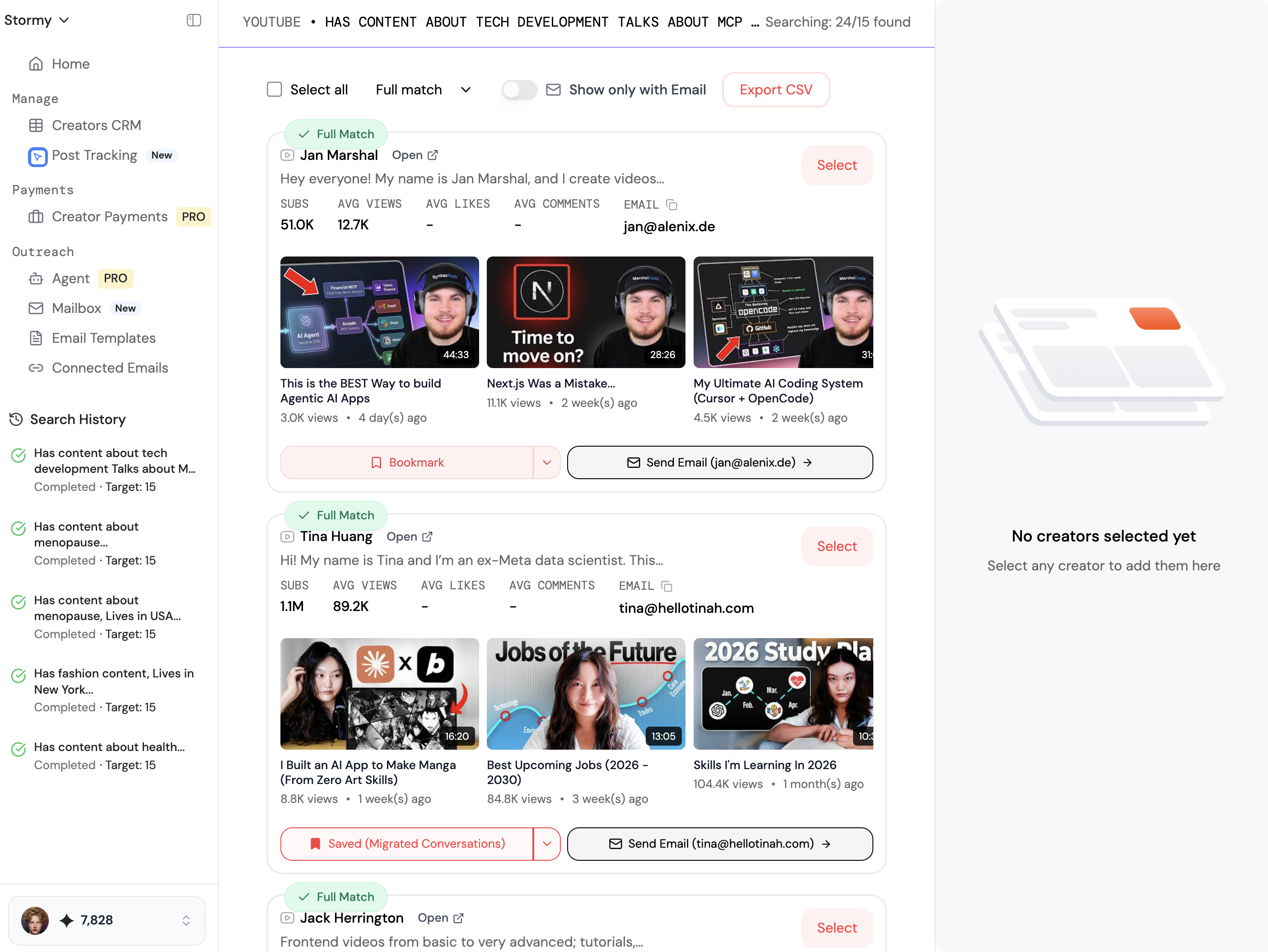
The transition to agentic systems means focusing on outcomes rather than features. For a business owner, the value isn't in the AI model itself; it is in the booked meeting on their calendar. This shift allows founders to move away from low-cost, high-churn subscriptions and toward high-ticket pricing models that reflect the actual labor costs being saved. Platforms like Stormy AI, which functions as an AI search engine across TikTok, YouTube, and Instagram, are seeing similar trends, where businesses increasingly seek automated solutions to discover and manage creators rather than manually scouring social media.
The Solar and Coaching Niche: Targeting High-Ticket Industries
One of the most critical decisions Joseph and Teimmo made was their niche selection. They didn't build a general-purpose AI; they targeted solar companies, coaches, and financial services. These industries share a common trait: high customer lifetime value (LTV). When a single solar contract or coaching package is worth $5,000 to $20,000, the business owner is highly motivated to pay for a tool that ensures no lead falls through the cracks.
In these high-stakes environments, an ai appointment setter acts as a gatekeeper. By qualifying leads instantly, it ensures that the human sales team only spends time on the most promising prospects. This reduces overhead and increases the efficiency of the entire sales funnel. If you are looking for ai business ideas 2025, the goal should be to find a niche where the cost of a missed lead is significantly higher than the cost of your software.
The Validation Playbook: Get Paid Before You Build
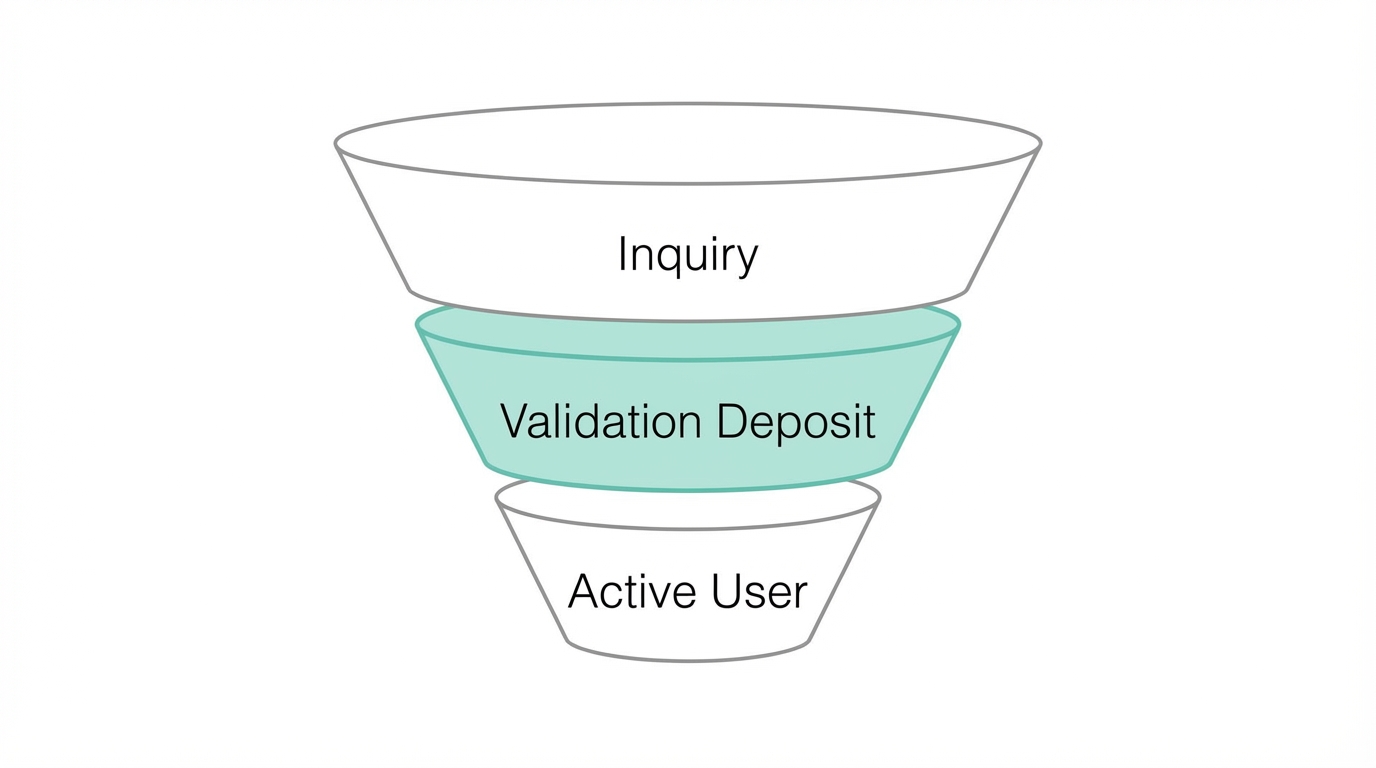
Perhaps the most radical part of the Setter AI story is that they made $500 before writing a single line of code. This "sell before you build" approach is the ultimate cure for "builder’s disease"—the tendency for engineers to spend months building a product no one wants. Here is the exact playbook they used to validate their agentic saas idea:
Step 1: Leverage a Warm Domain
Instead of starting with a brand-new domain that has no authority, they used a domain from a previous business that was already indexed by Google. They then used Ahrefs to find keywords like "cold call automation" that had high search volume but low difficulty.
Step 2: Create a "Fake" Demo
You don't need a working backend to show value. The founders used ElevenLabs to generate a realistic AI voice and recorded a video of what the interaction would look like. This "fake" demo was enough to convince a billion-dollar revenue company to book a call.
Step 3: Use the Deposit Framework
To ensure true validation, they asked for a $500 refundable deposit. This wasn't a monthly subscription, but a one-time payment to secure a spot in the first launch. As the founders noted, nothing validates an idea more than someone swiping their credit card. If they won't pay a deposit, they won't pay for the product.
Step 4: High-Touch Sales Calls
They linked a Calendly link directly on the landing page. Seeing a founder’s face on a call builds the insane trust necessary for B2B transactions. These calls also served as deep customer research, allowing them to hear exactly what features the market was actually willing to pay for.
The $10K MRR Tech Stack: Lean and Scalable
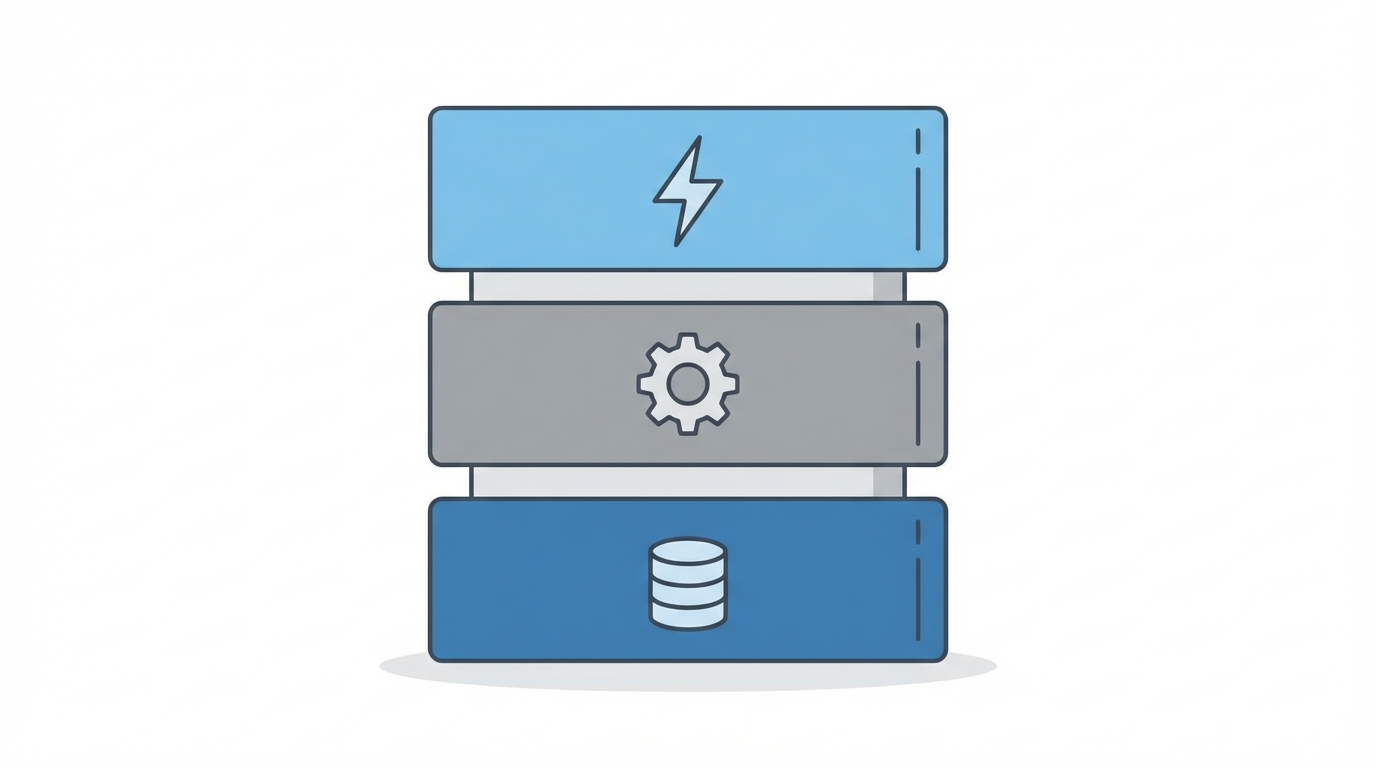
Building a successful AI startup doesn't require a massive engineering team. Joseph and Teimmo utilized a modern, mostly serverless stack that keeps costs low and development speed high. Their total operating costs are roughly 10% of their revenue, leading to 90% profit margins.
- Frontend & Framework: TypeScript and SvelteKit for a fast, reactive user interface.
- Backend & Database: A combination of Render and Supabase for Postgres hosting, costing around $150 per month.
- AI Core: The OpenAI API handles the heavy lifting of natural language processing, with monthly costs averaging $250.
- Automation: Puppeteer for browser automation and Zapier for connecting various software workflows.
- Development Tools: They use Cursor for AI-assisted coding, which allows them to ship features significantly faster than traditional methods.
For design inspiration and ensuring their UI felt premium, they looked at real-world product flows on Mobbin. By studying how the world's best apps handle onboarding and pricing pages, they avoided the common mistake of over-designing from scratch.
Pricing for Profit: Why High-Ticket Wins
One of the biggest mistakes new SaaS founders make is pricing too low. Setter AI offers tiers starting at $50, but many of their clients pay $500 to $5,000 per month. They found that higher-paying customers have lower churn. When a business pays $500/month, they are usually more committed to making the tool work within their existing processes.
Selling to "rich people" or established businesses makes life easier because they have the budget to solve problems. In the world of b2b ai solutions, you are often competing against the cost of a full-time employee. If a human sales rep costs $4,000 a month, an AI agent that does the same job for $1,000 is an absolute bargain. This high-ticket strategy allows you to reach 10K MRR with only a handful of dedicated customers rather than thousands of fickle users.
Growth via SEO and YouTube Authority
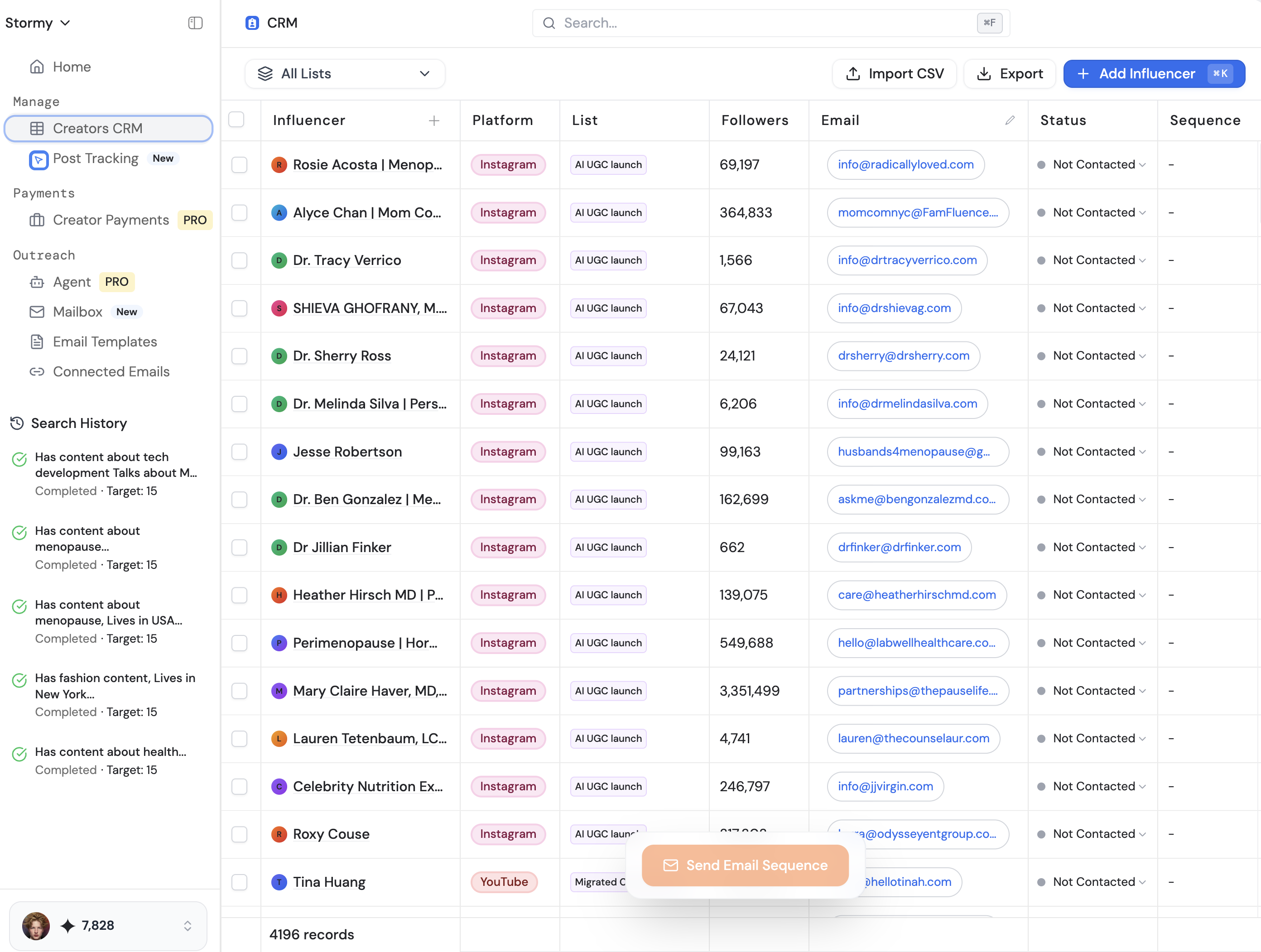
Once the product was validated, growth became about doubling down on inbound channels. The founders focused on three primary levers to maintain their rank as number one worldwide for their primary keywords. First, they built free tools, such as a sales script generator, to capture top-of-funnel search traffic. Second, they wrote comparison articles (e.g., "why to switch from traditional CRMs to Stormy AI") to target users who were already looking for a solution but were unhappy with current market leaders.
The third and most powerful lever was long-form YouTube content. Most of their closed deals came from prospects who watched at least one YouTube video before booking a call. YouTube serves as the second-largest search engine and acts as a trust-building engine. When prospects see the founders explaining the technology, it bridges the gap between a "faceless AI tool" and a reliable business partner. For those looking to discover and manage influencers through the Stormy AI creator CRM, the combination of authority and reach is unmatched for B2B growth.
Opportunities in 2025: The Future of Agentic SaaS
The horizon for ai business ideas 2025 is vast. Joseph and Teimmo highlight the massive potential in "Lovable for mobile apps." While tools like Lovable have made web app development accessible, mobile app development remains difficult for non-technical founders. There is a billion-dollar opportunity for a tool that can generate native Swift or Kotlin apps using the same agentic logic. Stormy AI is an AI-powered platform for creator discovery and vetting, especially for mobile app marketing and UGC campaigns, helping brands find creators with authentic audiences to fuel their app install efforts.
Other opportunities lie in automated workflow orchestration. Many non-technical business owners have disparate software systems that don't talk to each other. Building "glue" software that uses AI to automate these manual data transfers and communication loops is a high-demand, low-competition space. To track the effectiveness of these efforts, they suggest using Plausible Analytics over Google Analytics for its simplicity and privacy-first approach.
Conclusion: Your Path to 10K MRR
Building a successful building ai startups in the agentic era requires a blend of technical agility and ruthless validation. By focusing on high-ticket niches like solar and coaching, using a lean stack of TypeScript and OpenAI, and prioritizing SEO and long-form video for growth, you can build a highly profitable business with minimal overhead. The key takeaway from the Setter AI story is simple: don't wait for a perfect product. Launch a landing page, record a demo, and ask for a deposit. If the market is hungry for your solution, they will pay you to build it. Whether you are automating lead follow-ups or scaling outreach by using Stormy AI to set up an autonomous AI agent for creator discovery, the future of B2B belongs to those who build agents, not just apps.