In the high-velocity landscape of 2026, most entrepreneurs are still playing a game of incremental improvements. They look at a competitor, add a feature, and hope for a better margin. But if you look at the titans of the industry—the companies that don't just survive but define the era—they follow a different blueprint. They don't just build products; they build categories. This is the story of how HubSpot leveraged the 'Inbound' movement to become a $30 billion giant, and how modern tools like ChatGPT are enabling a new generation of founders to plant the seeds of the next multi-billion dollar markets.
The HubSpot 'Inbound' Blueprint: Movement Before Product
Dharmesh explains the fundamental shift from traditional advertising to the HubSpot inbound marketing model.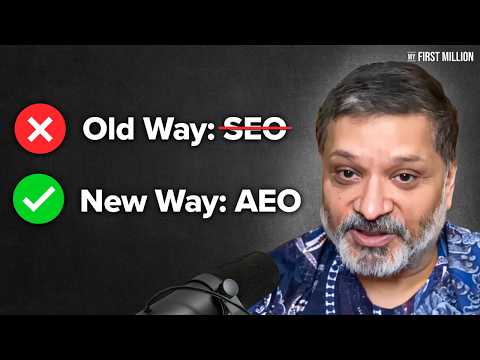
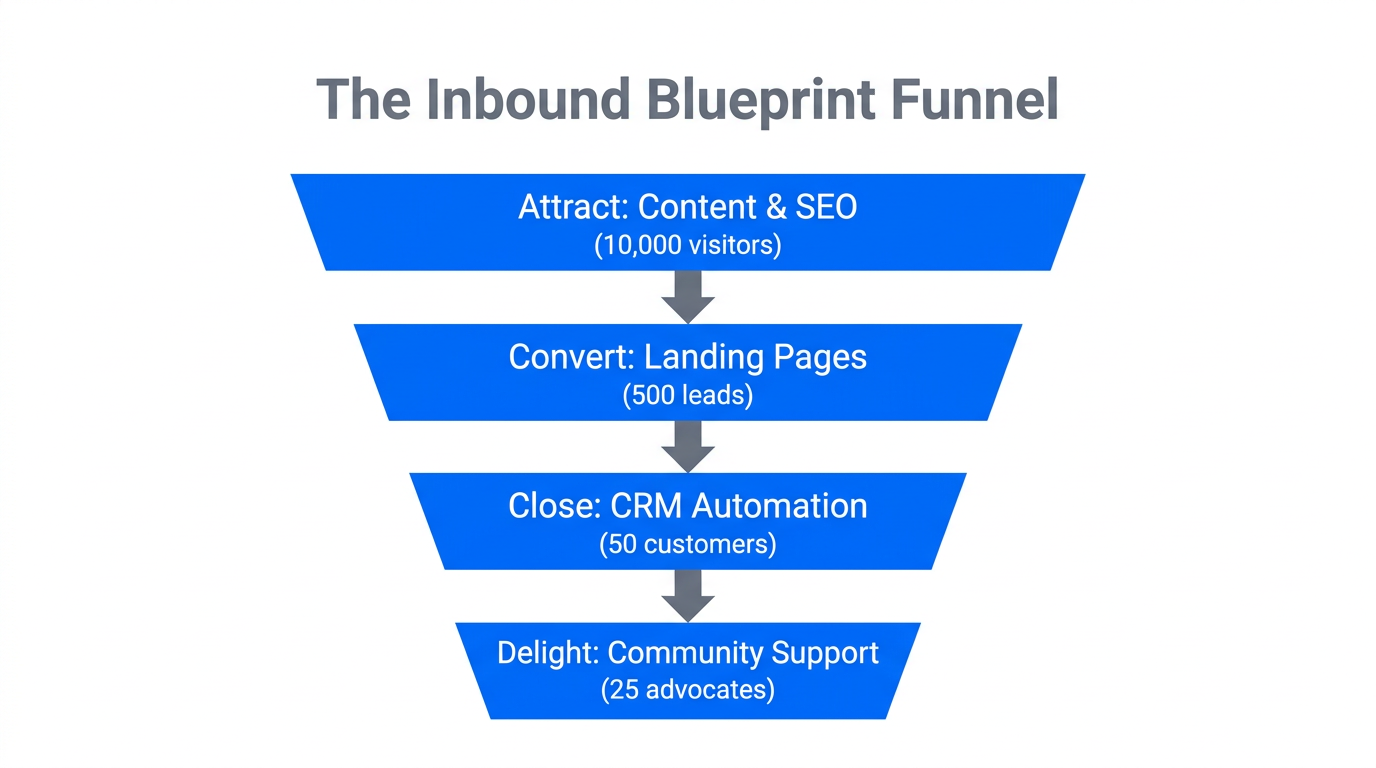
When Dharmesh Shah and Brian Halligan started HubSpot in 2006, they didn't lead with a pitch for CRM software. In fact, for the first few years, the product was secondary to the ideology. They identified a fundamental shift in human behavior: people were getting better at blocking out ads (outbound) and better at searching for answers (inbound). Instead of just selling a tool to help with this, they named the phenomenon "Inbound Marketing."
"Try to add value to your prospective customers before you try to extract it. Traditional marketing was about interruption; Inbound is about education."
By the time they hosted their first Inbound Conference, it wasn't a HubSpot user group—it was a convening of the community. They famously forbade speakers from pitching HubSpot from the stage. This created a safe space for practitioners to identify with a movement rather than a vendor. This community-led approach created a low-friction acquisition loop: once a marketer self-identified as an "Inbound Marketer," HubSpot became the natural tool of choice. In 2026, this strategy remains the gold standard for category-defining growth.
Identifying Inefficient Markets: Where Value is Wasted
Understand the macro-level differences between efficient and inefficient markets for better business positioning.Dharmesh Shah argues that the greatest economic opportunities lie in inefficient markets. A market is efficient when every transaction that should occur, does occur. Inefficiency happens when buyers and sellers can't find each other, can't agree on a price, or lack the trust to close the deal. HubSpot made the market for "niche expertise" efficient by giving bloggers the tools to be discovered by those searching for specific solutions—like the famous "llama fence builder" example.
To identify these markets today, founders should look for high-intent conversations happening in fragmented spaces. For example, a niche subreddit where users are constantly asking for recommendations for a specific problem is a gaping inefficiency. Using AI to scan these trends across platforms like Reddit or TikTok allows brands to see where the market is failing to connect supply with demand.
The Trademark Trap: Why Giving Your Category Away Wins
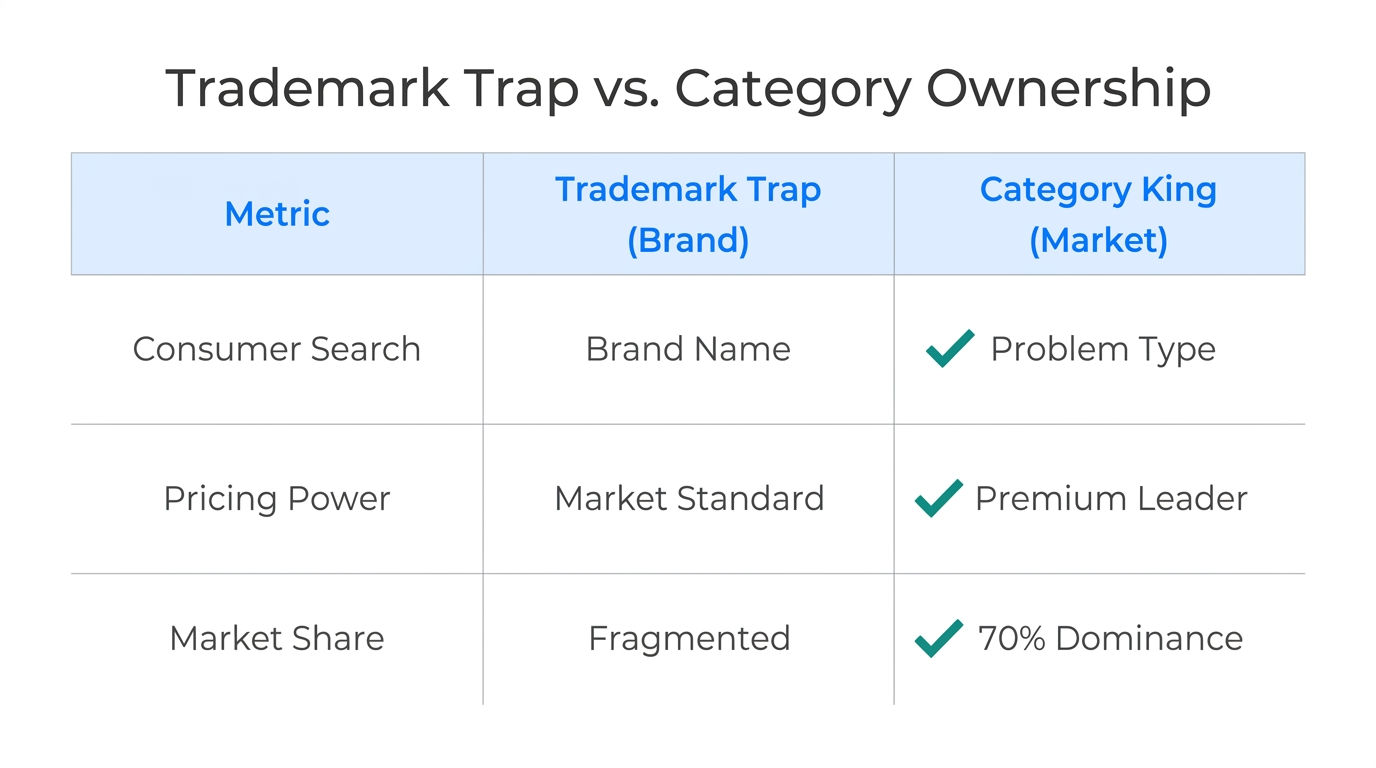
One of the most counterintuitive moves HubSpot made was not trademarking the term 'Inbound Marketing.' They wanted the term to be free. They wanted competitors to use it, job seekers to put it on their resumes, and agencies to call themselves "Inbound Agencies." By making the category name accessible to everyone, they allowed the industry to build the momentum for them.
| Strategy | Proprietary Category | Open Movement (HubSpot Model) |
|---|---|---|
| Goal | Total ownership of a niche | Industry-wide adoption |
| Competition | Fought at every turn | Welcomed to validate the category |
| SEO/AEO | Brand-specific keywords | Category-wide intent volume |
| Outcome | Smaller slice of a small pie | Standard-setter for a massive pie |
In 2026, this remains a vital lesson for startups using TikTok Ads Manager or LinkedIn to launch new concepts. If you try to own the word, you limit its reach. If you let the world own the word, you become the de facto leader of the world you created.
The 2026 Shift: Transitioning from SEO to AEO
Explore the transition from traditional SEO to the emerging discipline of Answer Engine Optimization.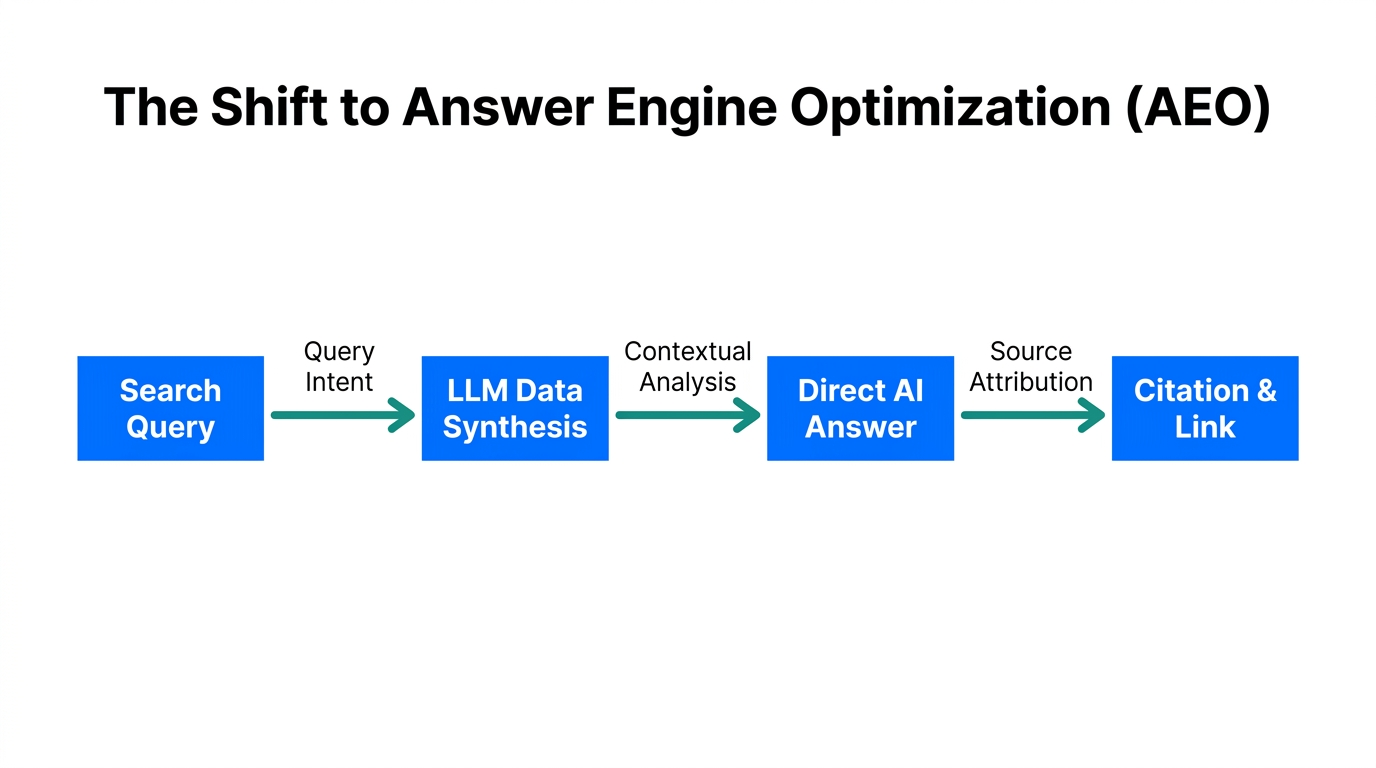
The rules of discovery have fundamentally changed this year. We are no longer just in the era of Search Engine Optimization (SEO); we have entered the era of Answer Engine Optimization (AEO). With over 800 million weekly active users on ChatGPT, the traditional "ten blue links" model of Google is being replaced by direct AI-generated answers.
"If you aren't in the citations of an AI's answer, you might as well not have played the game. In AEO, the results are binary: you are either the answer, or you are invisible."
To win in 2026, brands must optimize for the GPT-bot and OpenAI-searchbot. This means reframing content into structured Q&A formats. AI models look for definitive, expert answers to specific user prompts. Instead of long-form narrative prose designed to "hook" a human reader, you need to provide high-authority, low-friction data that an LLM can easily ingest and cite as the truth.
Using ChatGPT and AI for Market Discovery
Learn how to leverage AI agents to scale content and automate your brand growth.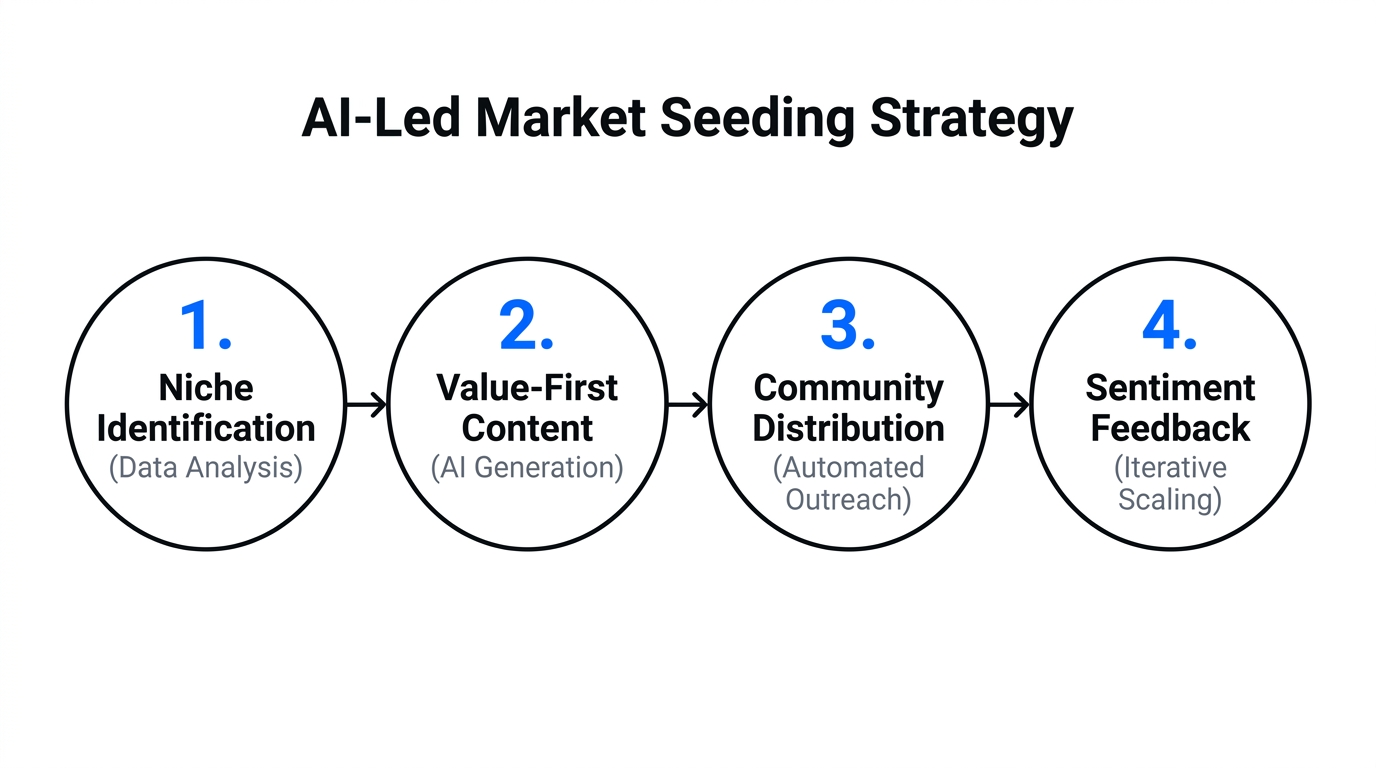
How do you identify which category to create? In 2026, savvy entrepreneurs use AI as a market researcher. By querying LLMs about "emerging friction points" in specific industries, you can find the next "Inbound" opportunity. For instance, the rise of "Vibe Coding" (agentic programming for non-developers, popularized by voices like Andre Karpathy) is a movement currently in search of a community and a primary tool.
Modern platforms like Stormy AI have taken this a step further by allowing brands to instantly discover the creators and influencers who are already seeding these new movements. If you can find 50 creators on TikTok or LinkedIn who are all talking about a specific inefficiency, you have the foundation of a category. Stormy AI helps you vet these creators for audience quality and engagement fraud, ensuring that your movement is built on a foundation of real people, not bots.
Transitioning to a Self-Sustaining Efficient Market
The final stage of the HubSpot blueprint is transitioning from a hosted community (where you provide all the value) to a self-sustaining market (where the community provides the value). This is where the brand value truly compounds. When users start answering each other's questions on Reddit or building their own tools on your API, you have successfully removed the market inefficiency.
As we move through 2026, the strategy hasn't changed, but the tools have. Whether you are using Meta Ads Manager to find your first 1,000 believers or leveraging AI agents to handle personalized outreach to creators via Stormy AI, the goal remains the same: Start a movement. Build a community. Create an efficient market.
Conclusion: Your Category is Waiting
Building a $30 billion brand doesn't happen by being 10% better; it happens by being entirely different. By following the HubSpot blueprint of movement-first growth and adapting it for the AEO-driven world of 2026, you can move from being a vendor to being a market maker. Identify the inefficiency, name the movement, and give the category away. The market will reward you with the one thing money can't buy: absolute authority.