In the world of tech, we are often told that success requires a massive venture capital check, a co-founder from an Ivy League school, and a team of twenty engineers. But John Makavoy, a self-taught developer from Scotland, shattered that narrative by building Mumigo—a transit tracking app that has surpassed 5.2 million downloads and generates $30,000 in monthly recurring revenue (MRR). What makes this feat even more impressive is that he did it entirely alone. If you are looking for a roadmap on how to build a mobile app as a solo founder, his journey provides a masterclass in efficiency, patience, and strategic growth. By focusing on a mobile app business model rooted in real-world utility and leveraging the best tech stack for mobile apps, you can turn a side project into a life-changing enterprise.
The 'Solve Your Own Problem' Framework
The most successful apps rarely start with a complex market analysis or a pivot-heavy business plan. Instead, they start with a personal annoyance. For John, the spark for Mumigo came while he was working for a bus company in Edinburgh. He found himself standing in the rain, wondering exactly when his bus would arrive. Uber had recently popularized the concept of seeing a vehicle move toward you in real-time on a map, and John wanted that same transparency for public transit. This is the ultimate app development for beginners strategy: find a gap in your daily life and fill it.
When you solve your own problem, you are your own primary user. This eliminates the guesswork during the initial design phase. You don't need to guess if a feature is useful; you know it is because you needed it at 7:00 AM while waiting for a train. For those wondering how to build a mobile app as a solo founder, this personal connection provides the motivation necessary to survive the "trough of sorrow"—that long period where you are building with zero users and zero revenue. Solving a problem you care about ensures you won't quit when the development gets difficult.
Choosing the Best Tech Stack for Mobile Apps
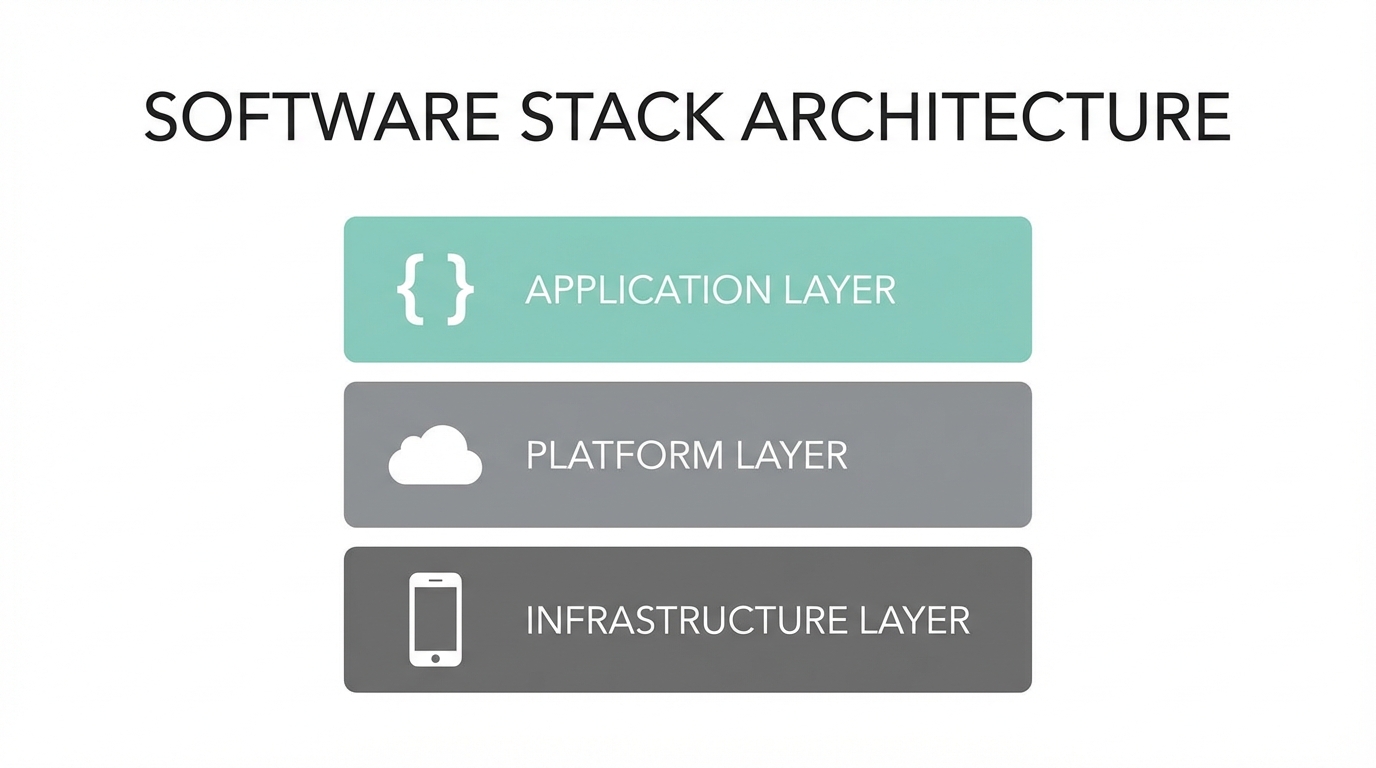
As a solo founder, your greatest enemy is complexity. John’s journey began with a background in graphic design and zero formal coding experience. He initially experimented with Xamarin because it utilized C#, but he eventually realized that for long-term stability and performance, a more robust foundation was required. He advocates for an "old and boring" stack—technologies that are mature, well-documented, and reliable.
To reach the milestone of scaling an app to 30k monthly revenue, John eventually settled on a stack that prioritizes speed and maintainability. For the backend, he uses Laravel (PHP), which is known for its elegant syntax and excellent documentation. On the frontend, he utilizes Swift for native iOS performance and Flutter for cross-platform flexibility where appropriate. When managing a massive user base of 400,000 monthly active users, you cannot afford to spend all your time debugging experimental frameworks. You need tools that just work.
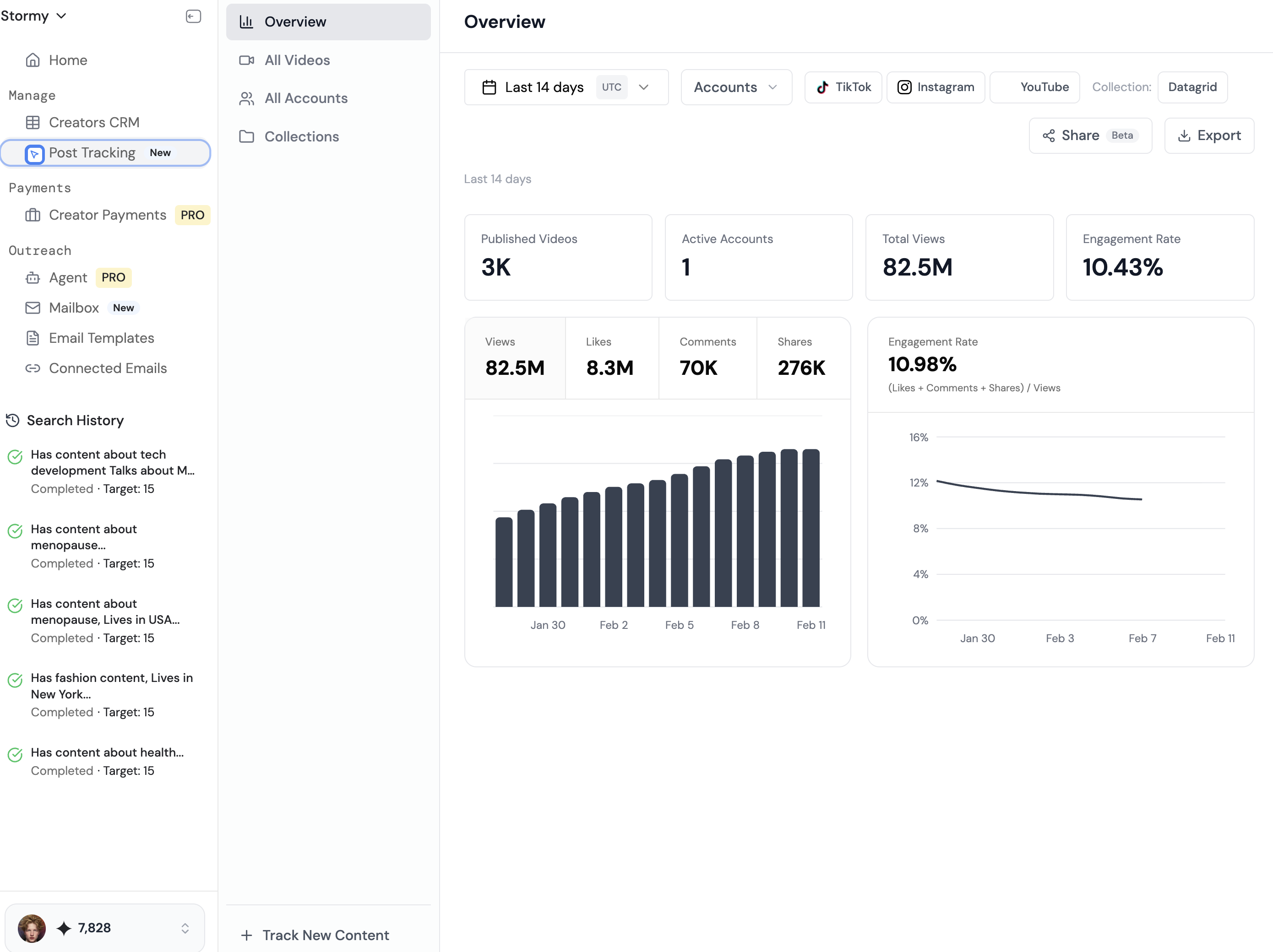
Platforms like Stormy AI often observe that the most successful solo founders are those who spend less time "bikeshedding" their tech stack and more time on product-market fit. Once your app starts gaining traction, you can then focus on higher-level strategies like influencer marketing or using Stormy AI to find creators who can produce UGC content that drives lower-cost app installs.
The $0 Growth Engine: ASO Playbook


John achieved over 5 million downloads without spending a dime on paid acquisition. His secret weapon? App Store Optimization (ASO). ASO is essentially SEO for the App Store, and for a solo founder, it is the most leveraged activity you can perform. By understanding the intent behind user searches, you can place your app in front of millions of potential users at the exact moment they need your solution. To supplement ASO, you can use Stormy AI to vet creators and analyze their audience demographics to ensure your social presence matches your App Store targeting.
Step 1: Location-Specific Keywords
Generic terms like "bus tracker" are incredibly competitive. John realized that users search for specific systems rather than general categories. For example, a commuter in New York searches for "MTA Subway," while someone in Chicago looks for "CTA L Train." By researching these specific terminologies and including them in the app title, subtitle, and keyword list using tools like AppFigures, he was able to rank at the top of highly relevant searches.
Step 2: Localization Hacks
One of the most effective "hacks" in ASO involves leveraging secondary localizations. For instance, adding English keywords to the Mexican Spanish localization can actually help your app rank for those same keywords in the US App Store. This effectively doubles the number of keywords you can target in a single market. John used this strategy to cast a wider net and capture niches that his competitors were ignoring.
Step 3: Engineering Magic Moments for Ratings
The App Store algorithm heavily favors apps with a high volume of recent, positive ratings. However, you shouldn't just ask for a rating randomly. John identifies "magic moments"—points in the user journey where the app has just provided maximum value. In Mumigo, this happens when a user sees their bus moving in real-time on the map. By triggering a rating request at this moment of delight, he secured over 75,000 ratings, pushing his app to the top of the charts.
Scaling to $30K MRR: From Ads to Subscriptions
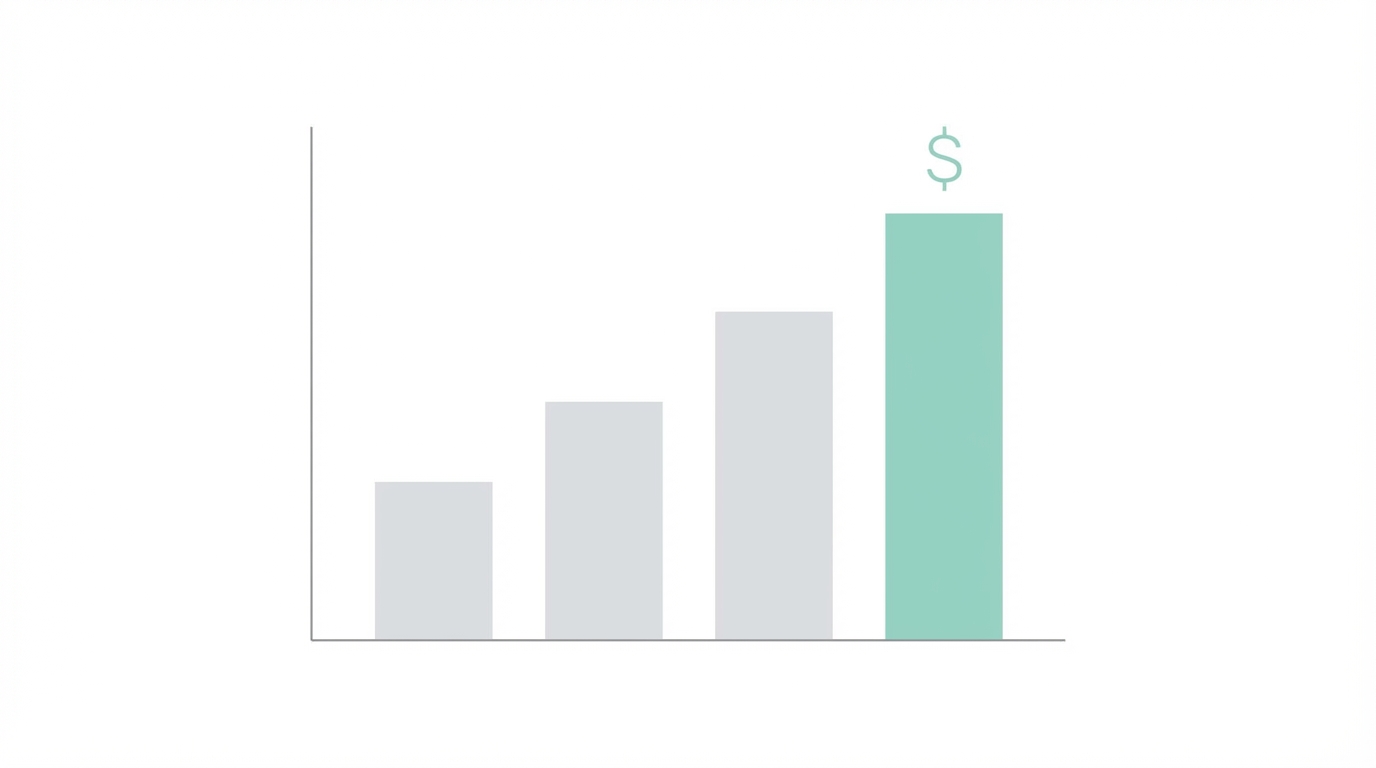
Building a sustainable mobile app business model often requires a pivot. In the early days, Mumigo relied on banner ads, generating roughly $8,000 per month. However, when the pandemic hit and ridership plummeted, ad revenue evaporated. This forced a transition to a subscription-based model, which eventually proved to be far more lucrative and stable.
The real breakthrough in scaling an app to 30k monthly revenue came from rigorous A/B testing. By using Mixpanel for event-based analytics and RevenueCat for subscription management, John ran dozens of experiments on his paywall. He tested different price points, trial lengths, and layout designs. Through this process, he managed to increase his paywall conversion rate from 0.5% to a staggering 8%. This 16x improvement in conversion efficiency is what allowed the business to scale without needing a corresponding 16x increase in traffic.
He also introduced a "reverse trial" strategy. When a user tries to close the initial paywall, the app offers a 7-day free trial of the Pro features automatically. This allows users to experience the full value of the app without upfront friction, significantly increasing the likelihood of a long-term subscription conversion.
Managing Operations, Costs, and AI
Being a solo founder doesn't mean you have to do every manual task yourself. It means you must be an expert at automation and outsourcing. To handle the complex legal and administrative side of a global business, John uses Doola to manage his LLC and tax compliance. Similarly, you can use Stormy AI to automate your marketing by setting up an AI agent that handles creator discovery and outreach while you sleep.
Running an app with 5 million downloads does come with significant overhead. John's monthly expenses include:
- $2,500/month for a fleet of 20 dedicated servers.
- $1,000/month for third-party mapping and transit APIs.
- $90/month for Cloudflare to handle geographic load balancing.
- $20/month for ChatGPT, which he uses as a co-developer for everything from writing scripts to brainstorming UI copy.
AI tools have bridged the gap between design and development. For a founder with a design background, using Adobe Creative Suite in tandem with Lottie for animations allows for a high-fidelity user experience that rivals apps built by massive teams. If you are struggling with the "how" of app development for beginners, AI is now the ultimate force multiplier, allowing you to generate code snippets and troubleshoot backend issues in seconds. For managing your creator relationships, a dedicated Stormy AI CRM ensures you never lose track of a negotiation or payment.
Final Takeaways for the Solo Founder
Scaling a mobile app to $30,000 per month as a solo founder is not about working 100-hour weeks; it is about making high-leverage decisions. Start by solving a problem that you face personally to ensure you have the grit to see it through. Stick to a best tech stack for mobile apps that emphasizes stability over hype. Prioritize ASO to build a free, sustainable top-of-funnel, and use event-based analytics to relentlessly optimize your conversion rates. For those looking to accelerate their growth further, utilizing Stormy AI for finding UGC creators and influencers can help you turn your app into a household name. The tools to build a multi-million dollar business are now available to anyone with a laptop and a bit of curiosity—the only thing left to do is start.