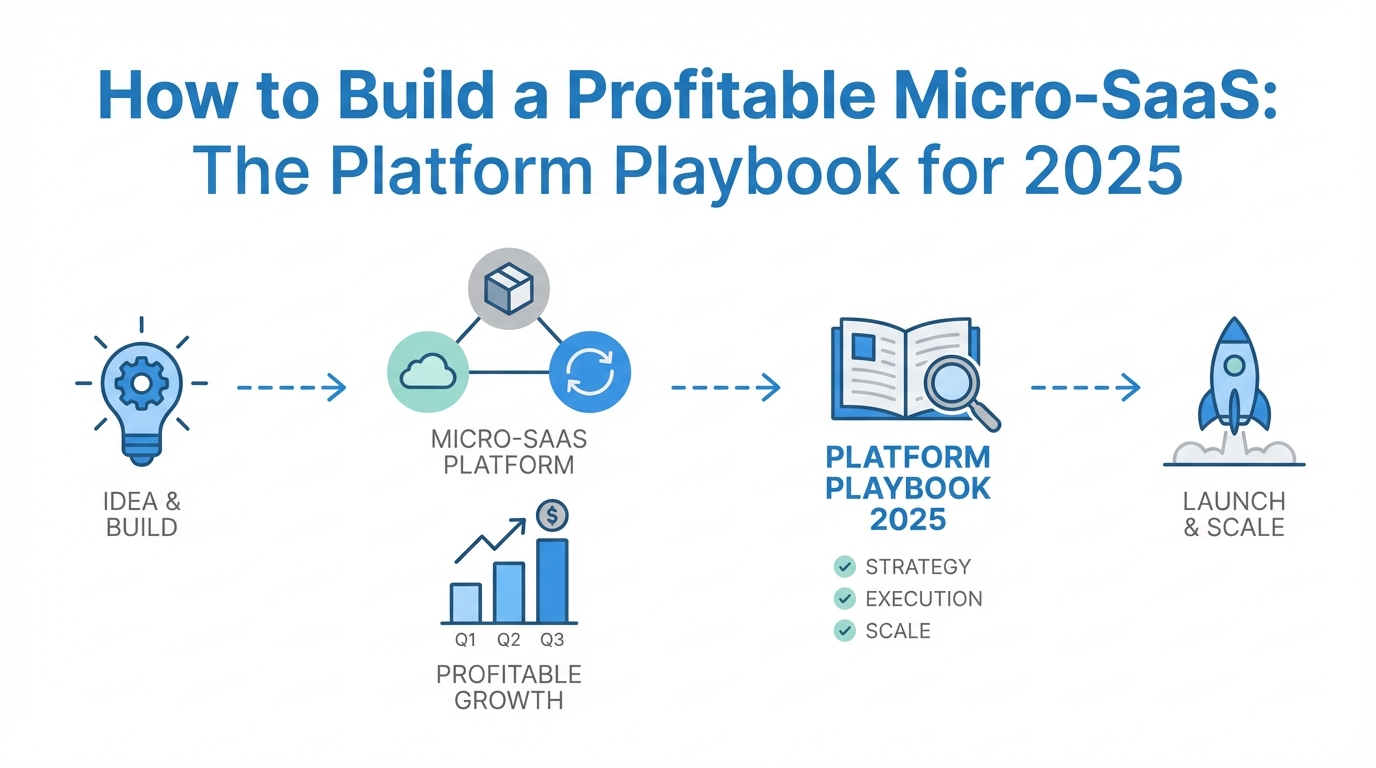
In the world of software development, the 'build it and they will come' mantra is officially dead. For solo founders, the hardest part of launching a startup isn't writing the code; it's the zero-to-one distribution hurdle. You can spend six months building a revolutionary standalone application, only to realize that the cost of acquiring a single customer via Google Ads or cold outreach exceeds your monthly subscription fee. This 'Distribution Death Valley'—a term popularized by Y Combinator [source]—is where most bootstrapped dreams go to die. However, a new breed of entrepreneur is bypassing this hurdle entirely by building within existing ecosystems. This is the era of the platform-first business model.
By leveraging established marketplaces like Airtable, Shopify, Notion, and Figma, solo founders are tapping into ready-made audiences with high intent. Instead of fighting for attention on the open web, they are positioning their tools exactly where users are already working. In this playbook, we will break down the exact framework used by successful founders like Andy Cloke of Data Fetcher, who built a business generating over $23,000 per month in recurring revenue as a solo operation. If you want to learn how to build a micro saas that actually makes money in 2025, you need to master the platform play.
The distribution advantage: Why building on a platform marketplace solves everything
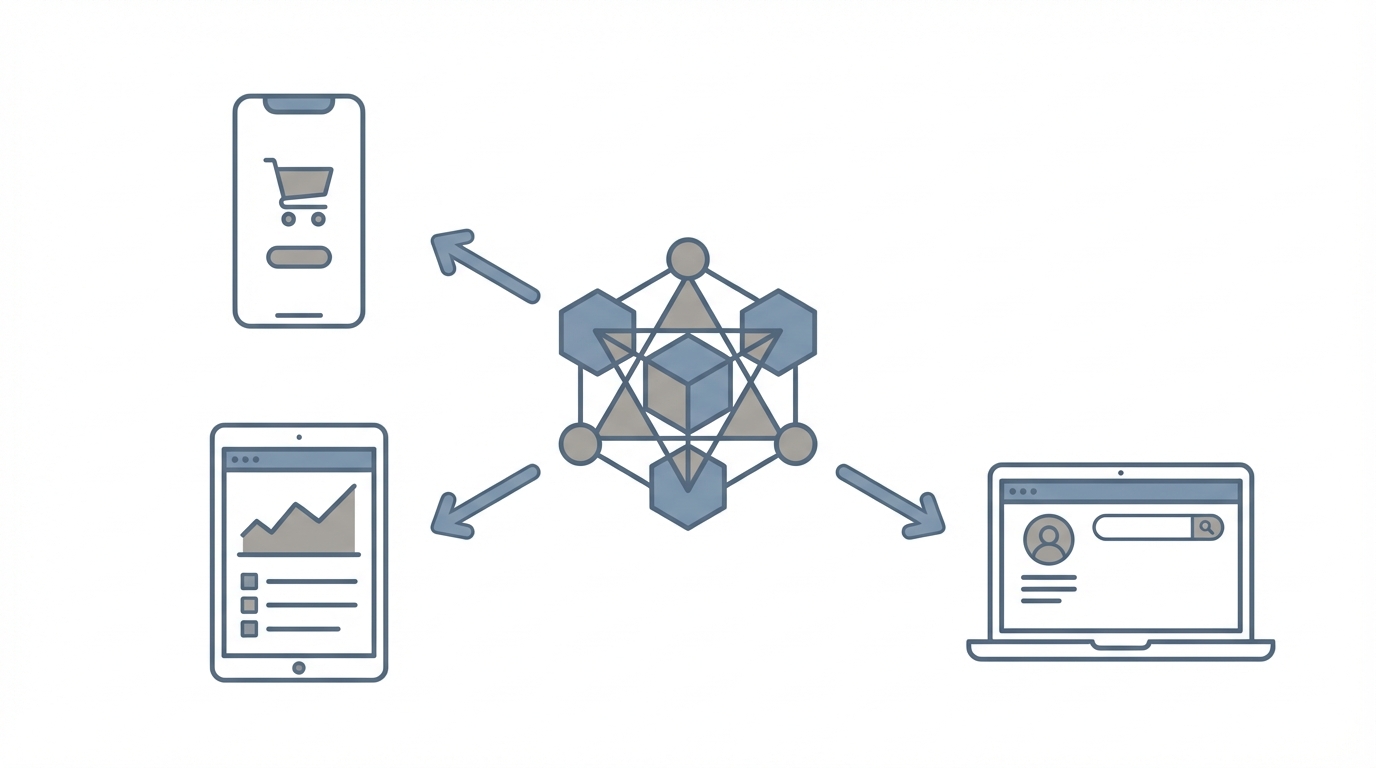

The primary reason a saas business model for solo founders fails is the lack of a sustainable marketing engine. When you build a standalone web app, you are responsible for SEO, social media marketing, paid advertising, and brand building from scratch. Conversely, when you build an Airtable marketplace extension or a Shopify app, the platform handles the discovery phase for you. These marketplaces act as search engines for specialized problems. When a user realizes they need to import financial data into their database, they don't go to Google; they search the Airtable marketplace.
Being early to a growing platform marketplace provides a steady stream of super-qualified leads. According to recent industry reports, platform-based SaaS tools see a 40% lower churn rate than standalone apps. These users are already paying for the base platform, meaning they have a validated budget and a clear technical need. Furthermore, there is an inherent 'trust bridge.' Users are more likely to install a third-party extension that has been vetted and approved by a platform they already rely on. This reduces the friction of the initial sale significantly. For founders like Andy Cloke, this meant landing the first paying customer within just a few days of launching, rather than months of grueling outreach.
The 'Sweet Spot' Strategy: Finding gaps VCs won't touch
To find profitable micro saas ideas, you must look for the 'Sweet Spot.' This is an opportunity that is large enough to change your life financially—generating $10k, $20k, or $50k per month—but too small to attract venture capital. A VC-backed startup needs to see a path to $100 million in annual revenue to justify an investment. As a solo founder, you can thrive in the niches they ignore, often documented by communities like Indie Hackers.
The sweet spot usually exists in the gaps between a platform's native features and its power-user requirements. For example, while Airtable has basic data import features, it doesn't offer the deep, flexible API connectivity that professional marketers or data analysts need. This gap is where Data Fetcher lives. By focusing on a specific technical pain point within a larger ecosystem, you create a moat. The complexity of the problem acts as a barrier to entry for other solo founders, while the total addressable market (TAM) is too small for giant corporations to prioritize.
When you are scouting for these opportunities, tools like Exploding Topics can help you identify which platforms are seeing a surge in interest. However, identifying the platform is only half the battle; you must also identify the specific technical friction point. This requires diving into support forums, subreddits like r/SaaS, and platform-specific communities to see what users are complaining about most frequently.
Managing platform risk: How to choose platforms that won't 'Sherlock' you
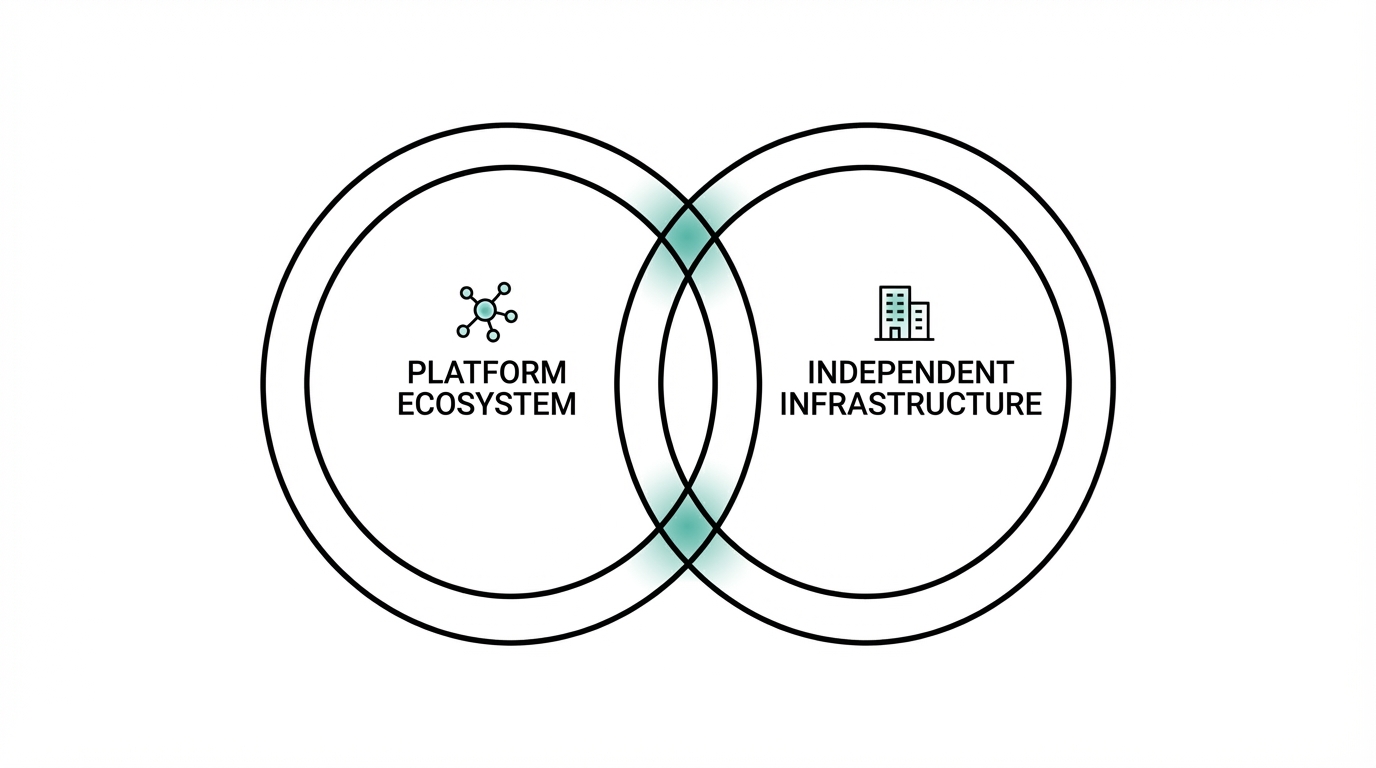
The most common fear when building on existing platforms is 'Sherlocking'—the phenomenon where a platform owner notices a popular third-party tool and decides to build those features directly into the core product. This term originates from Apple's historical habit of integrating features from third-party Mac apps. To mitigate this risk, you must evaluate the 'nativeness' of your idea. If your tool feels like a feature that should have been there in the first place, you are at high risk. If your tool is a bridge to other external services, your risk is much lower.
Successful micro-SaaS founders look for 'integrative value.' Platforms like Notion or Figma are fantastic because they are hubs that need to talk to dozens of other tools. It is unlikely that Notion will build a native integration for every single niche CRM or marketing tool on the planet. By positioning your SaaS as the 'glue' between the platform and the outside world, you make yourself an ally to the platform's growth rather than a competitor to its core roadmap. Always check the platform's public roadmap and developer newsletters to see which direction they are heading before you commit to a build.
The 6-Step Framework for Building a Platform-First Micro-SaaS
Building a successful micro-SaaS isn't about luck; it's about following a repeatable framework. Here is the 2025 playbook for solo founders:
Step 1: Identify a Growing Ecosystem
Don't build for stagnant platforms. Use data to find ecosystems with high growth and a relatively new API or marketplace. Currently, Notion and Figma are prime targets because their developer ecosystems are still maturing. Avoid building simple wrappers for LLMs like ChatGPT or Claude, as the competition there is hyper-saturated.
Step 2: Scour Forums for 'High-Friction' Use Cases
Go to the official community forums and search for keywords like 'how do I,' 'workaround,' or 'is it possible to.' You are looking for users who are frustrated by a specific limitation. When you see the same question asked ten times with no clear solution from the platform staff, you've found your product-market fit.
Step 3: Borrow a Proven Pattern
You don't need to reinvent the wheel. If a specific type of tool (like a 'Google Sheets to Webflow' exporter) is successful on one platform, there is a high probability it will be successful on another growing platform that lacks that functionality. Analyze the UX of top-rated add-ons on more established marketplaces like Salesforce AppExchange to understand what users expect.
If you're unsure who to promote your tool to once it's built, Stormy's AI search can instantly find niche creators and influencers who specialize in the platform you're building for—it's the only AI search engine that scans across TikTok, YouTube, Instagram, LinkedIn, TikTok Shop, and even newsletters to find 'Notion productivity experts' or 'Airtable consultants.'
Step 4: Validate Technical Feasibility
Before writing a single line of code, verify that the platform's SDK and public APIs actually allow you to build what you've envisioned. Many founders get excited about an idea only to realize the platform's API permissions are too restrictive to allow for the deep integration they planned. Check Figma's API documentation or similar resources early.
Step 5: Perform 'Napkin Math' for Pricing
Calculate your potential revenue by looking at the user base of the platform. If the platform has 20 million users and 0.1% of them have this specific problem, that's 20,000 potential customers. Look at the pricing of similar tools on other marketplaces. If they are charging $20/month, you have a clear path to a profitable micro saas.
Step 6: Build a 'Native-Feeling' MVP
Your tool should feel like an extension of the platform, not a separate website. Use the platform's design system (like Shadcn UI or Tailwind CSS to match the UI). The more seamless the experience, the higher your conversion and retention rates will be.
Financial modeling: Achieving 80%+ profit margins
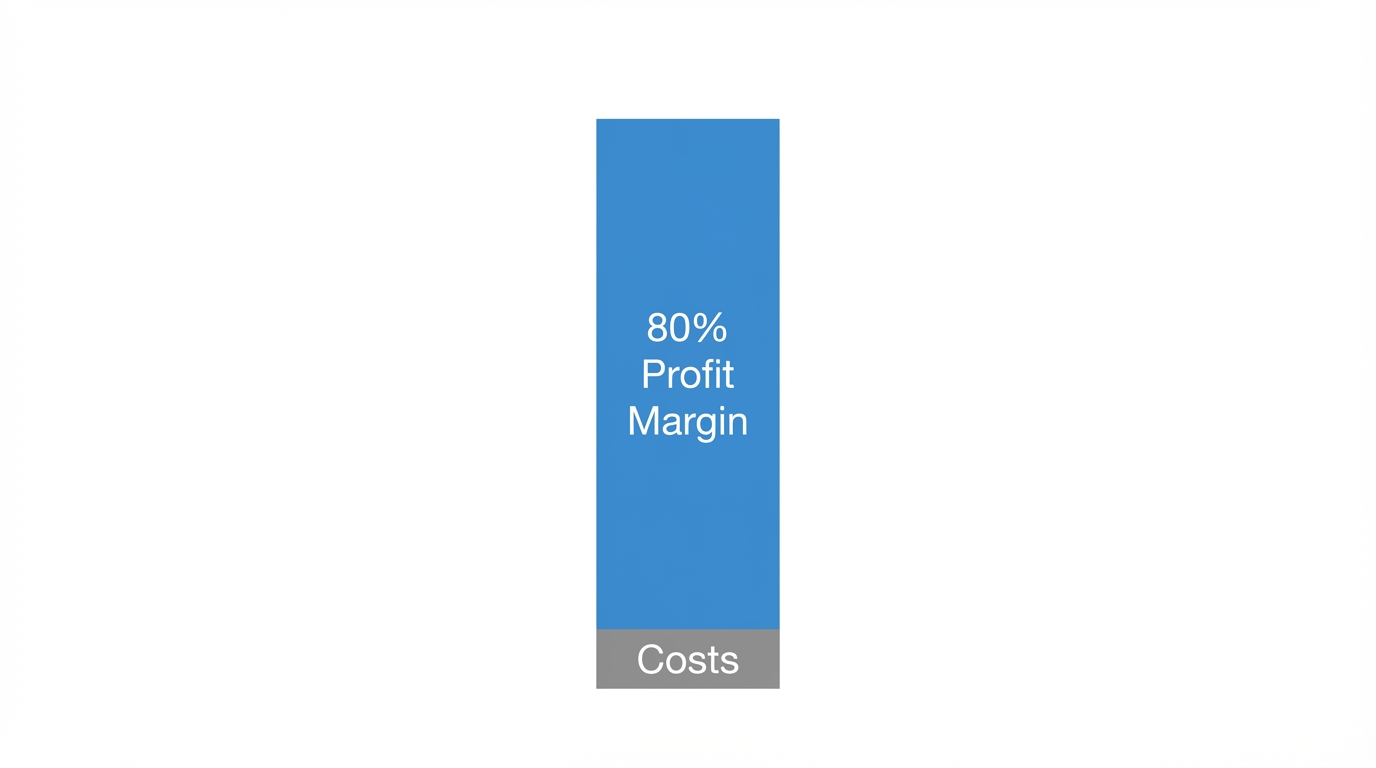
The beauty of a saas business model for solo founders is the efficiency. Because you aren't paying for a sales team or expensive downtown office space, your margins can be incredibly high. Andy Cloke reports an 85% profit margin on his $23,000 MRR. His primary costs include hosting, a handful of SaaS tools, and a small coworking space fee.
To maintain these margins, you must choose a lean tech stack. Many modern micro-SaaS tools use TypeScript, React, and Next.js for the frontend, with lightweight backends hosted on platforms like Heroku or Hetzner. By keeping your infrastructure simple and automating your customer support with tools like Help Scout, you can manage hundreds of paying customers without ever needing to hire a full-time employee. This lean approach is what allows you to reach 'default alive' status much faster than traditional startups.
Growth through content and influencer collaboration
Once your extension is live on the marketplace, your next goal is to dominate the search results. Marketplace SEO is a game of keywords and reviews. Include high-volume search terms in your app title and description. Beyond the marketplace, content marketing is your best friend. Create YouTube tutorials and blog posts showing exactly how your tool solves a specific workflow (e.g., 'How to sync Facebook Ads data to Airtable').
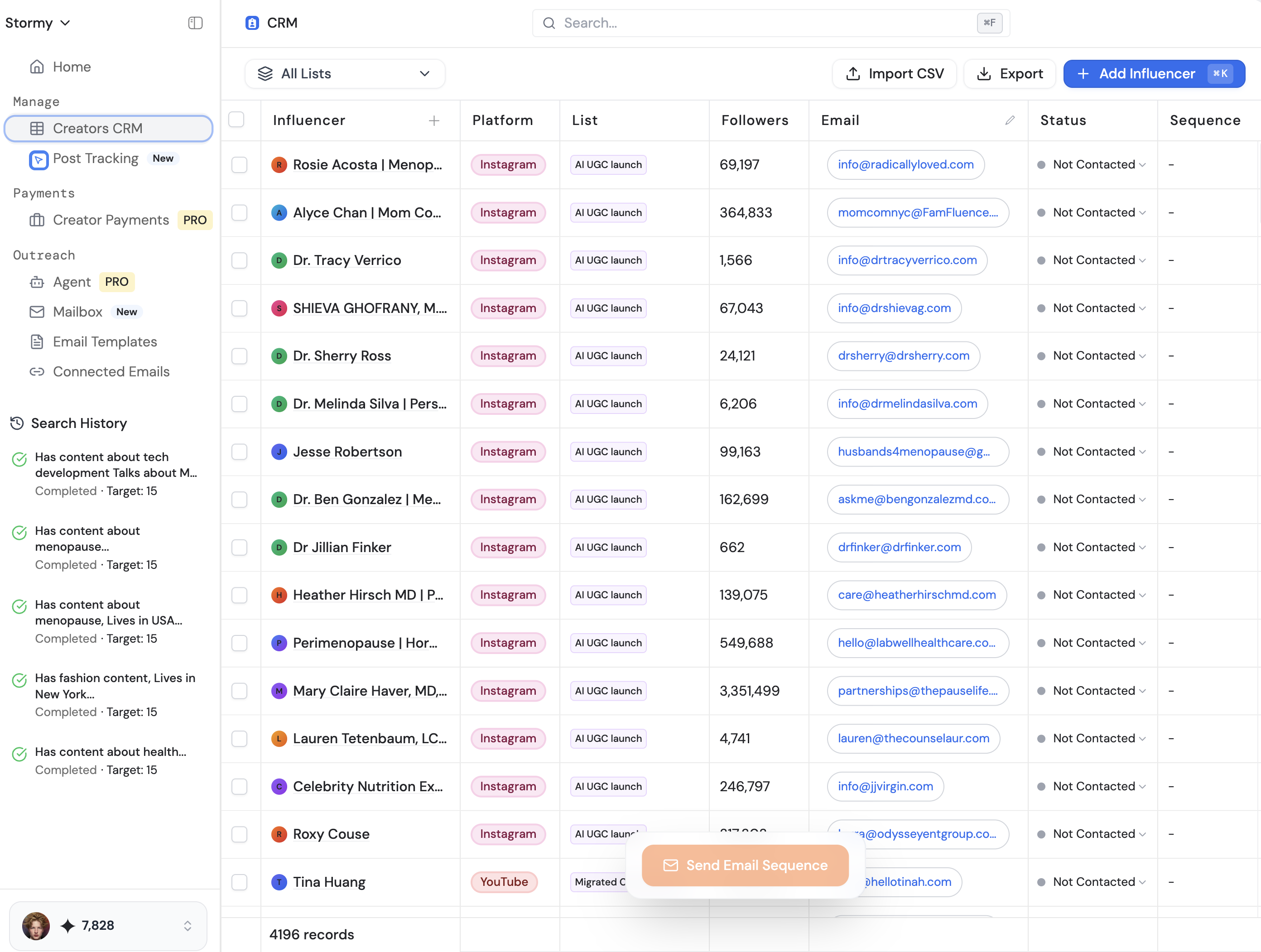
For even faster growth, partner with micro-influencers who already have the trust of your target audience. If you've built a Figma plugin, reach out to design influencers on YouTube or LinkedIn. To vet these partners effectively, you can use Stormy AI for influencer vetting and fake follower detection, ensuring you only partner with high-quality creators. Managing these relationships manually is a chore, but you can use Stormy's creator CRM to track your outreach, negotiations, and payments in one place.
Using Stormy's AI outreach, you can even automate hyper-personalized emails and follow-ups to these creators, or set up an autonomous AI agent to handle it for you while you sleep. Once the collaborations are live, Stormy's post tracking allows you to monitor exactly how many views and engagements your partners are generating across TikTok and Instagram, helping you double down on the creators that drive the most ROI.
Conclusion: The Path to Solo Founder Freedom
Building a profitable micro saas in 2025 is no longer about having the most original idea in the world. It is about being a 'value-added' layer to the massive platforms that businesses already use every day. By solving high-friction problems within ecosystems like Airtable, Notion, and Figma, you inherit their distribution, their trust, and their user base.
If you focus on the 'Sweet Spot,' manage your platform risk by building integrative tools, and maintain a lean tech stack using Stripe for payments and AI for marketing, you can achieve the dream of 80%+ profit margins and the freedom that comes with a solo-run business. Stop trying to build the next giant social network and start building the tool that makes an Airtable power-user's life ten times easier. The marketplace is waiting for you.