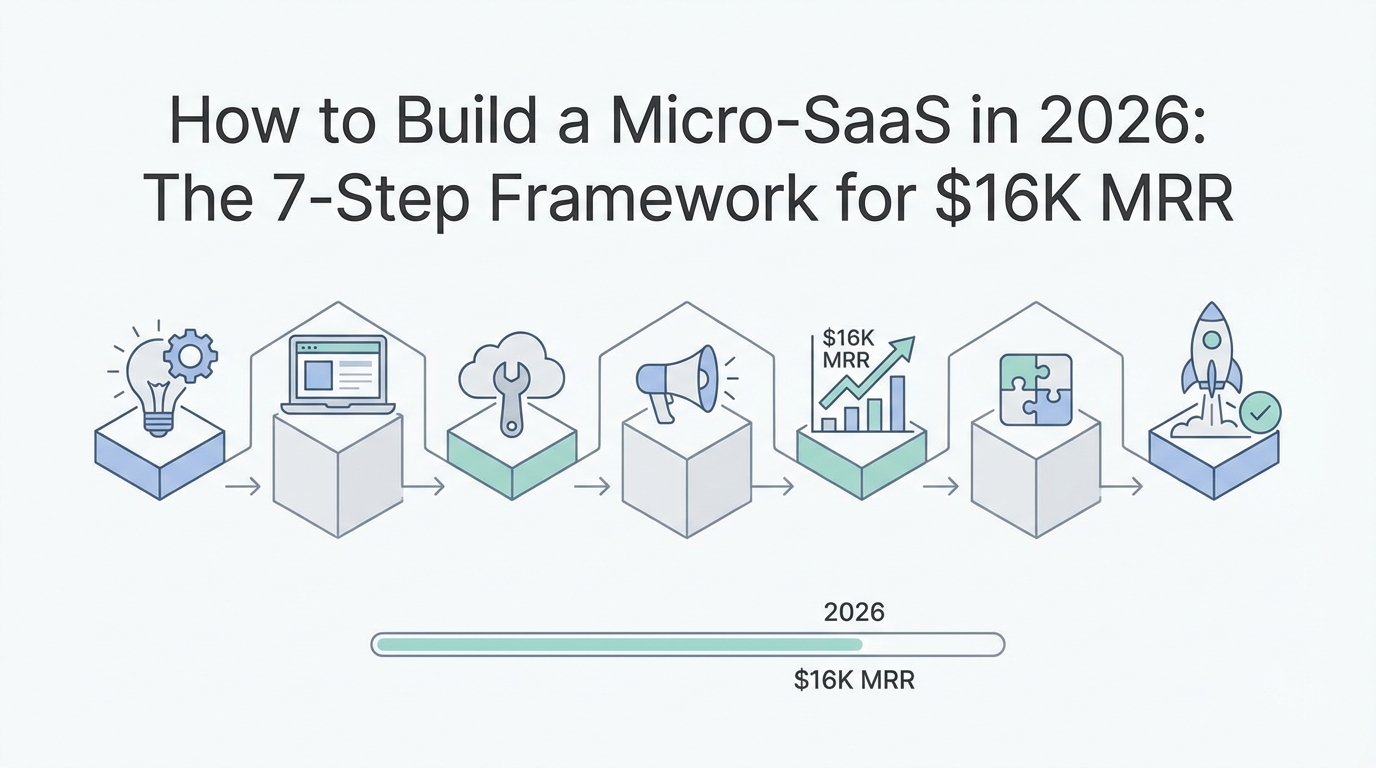
Building a software business in 2026 doesn't require a Silicon Valley office or a million-dollar seed round. In fact, some of the most successful founders are finding fortune in the "boring" corners of the internet. Take Nick, a founder who transformed a simple frustration with Pinterest marketing into a niche powerhouse. By identifying a task that people already pay for but hate doing manually, he built a micro-SaaS that generates over $16,000 in Monthly Recurring Revenue (MRR). His secret? He didn't try to change the world; he just tried to save people ten minutes of work. This article breaks down his exact 7-step playbook so you can build a saas with ai and capture a slice of this highly profitable market.
The 'Boring Problem' Strategy: Scaling What Already Works
Most founders fail because they try to invent a new behavior. Nick’s success with BlocktoPin came from the opposite approach: finding something people were already doing—and paying for—but doing poorly or slowly. In the world of digital marketing, Pinterest is a massive driver of traffic, with over 500 million active users searching for visual inspiration. However, creating 5 to 10 high-quality pins per day manually takes significant time. This is a classic boring problem. It’s a repetitive, low-creativity task that businesses are desperate to automate.
When looking for profitable micro saas ideas, don't look for the next social media giant. Look for the friction in existing workflows. Nick realized that bloggers and e-commerce owners were already hiring virtual assistants or spending hours in design tools to create pins. By focusing on a specific niche, he could build something better, faster, and cheaper than the manual alternative. If you can find a task where a person thinks, "I'd happily pay someone to do this for me," you've found your SaaS idea.
Competitor Gap Analysis: Turning Bad Reviews into Features

Before writing a single line of code, you must understand the landscape. Nick’s second step in his micro saas framework involves deep research into existing solutions. This doesn't mean you should be intimidated by competition; it means you should use them as a roadmap. By analyzing sites like G2 and Capterra, you can see exactly where legacy software is failing.
Legacy tools often suffer from "feature creep," making them bloated and difficult to use. Modern AI allows you to eliminate 90% of that complexity. When conducting your research, look for comments like "it's too expensive," "it's too slow," or "the UI is confusing." This is where your opportunity lies. A smaller, more focused tool that does one thing exceptionally well will always beat a giant tool that does twenty things poorly. This is the core of an effective saas go to market strategy: positioning yourself as the specialist in a world of generalists.
The 7-Step Playbook for Building a $16K MRR SaaS

Nick’s execution wasn't accidental. It followed a rigorous ai software development guide that prioritized speed and customer feedback over perfection. Here is the step-by-step breakdown you can use to replicate his results.
Step 1: Find What People Already Pay For
Avoid unique experiences. If people aren't already spending money to solve the problem (even if they're paying a human to do it), it will be nearly impossible to sell your software. Look for tasks involving manual data entry, repetitive design, or complex formatting. If you need inspiration, you can use Stormy AI to discover creators and analyze the repetitive tasks they complain about on their platforms.
Step 2: Google the Competition and Audit Reviews
Search for every existing tool in your niche. Watch YouTube tutorials for those tools. Read every negative review. Your goal is to find the "UI debt"—the parts of the workflow that haven't been updated in years. Specifically, look for how they use (or fail to use) AI. Many older companies find it hard to integrate LLMs into their core architecture, giving you a massive speed advantage.
Step 3: Rapid Prototyping with Claude and LLMs
In 2026, you don't need a six-month development cycle. Nick built his MVP using GitHub Copilot, and today, tools like Claude allow you to generate functional code in days. Your MVP should be faster, cheaper, and better for your specific niche. Aim to get a working version out in under two weeks. Don't worry about scaling yet; focus on functionality.
Step 4: Talk to Your Ideal Customer Profile (ICP)
This is where most founders hide. They submit to directories and hope for the best. Instead, you must find where your ICP hangs out. Whether it's Reddit, X, or niche Facebook groups, you need to reach out directly. If you're building for creators, use Stormy AI to identify high-quality influencers who need your specific automation and reach out with a personalized offer.
Step 5: Treat Your First Customer as Your Boss
When you land your first paying user, your job is to make them 100% satisfied. Nick reviews screen recordings of how users interact with his app. If a user needs a feature, he builds it within hours. This level of care creates word-of-mouth marketing that no ad budget can buy. At this stage, you aren't a founder; you are a high-end consultant whose software is the solution.
Step 6: Scale via Word of Mouth
Once you have a dozen happy customers, they become your fans. They will naturally recommend your tool in the communities where they hang out. This creates an asymmetric marketing effect where your early struggle pays off in autopilot growth. At this stage, Nick saw his revenue begin to compound as he moved from manually hunting for users to receiving signups from word-of-mouth and LLM recommendations on Product Hunt.
Step 7: The 1% Daily Improvement Rule
SaaS success is a game of attrition. Nick focuses on improving his app by 1% every single day—whether that’s tweaking the onboarding flow, reducing churn, or refining his email sequences using tools like Sequencey. If you add one customer per day and maintain a reasonable churn rate, you can hit $10,000 MRR within a year.
Marketing Without 'Hacks': The Power of Direct Outreach
One of the most refreshing parts of Nick’s story is the lack of "growth hacks." He didn't rely on a viral Product Hunt launch or expensive Google Ads. Instead, he relied on direct value. Early on, you have to do the "grind"—posting on Reddit, reaching out to influencers, and creating SEO-driven articles.
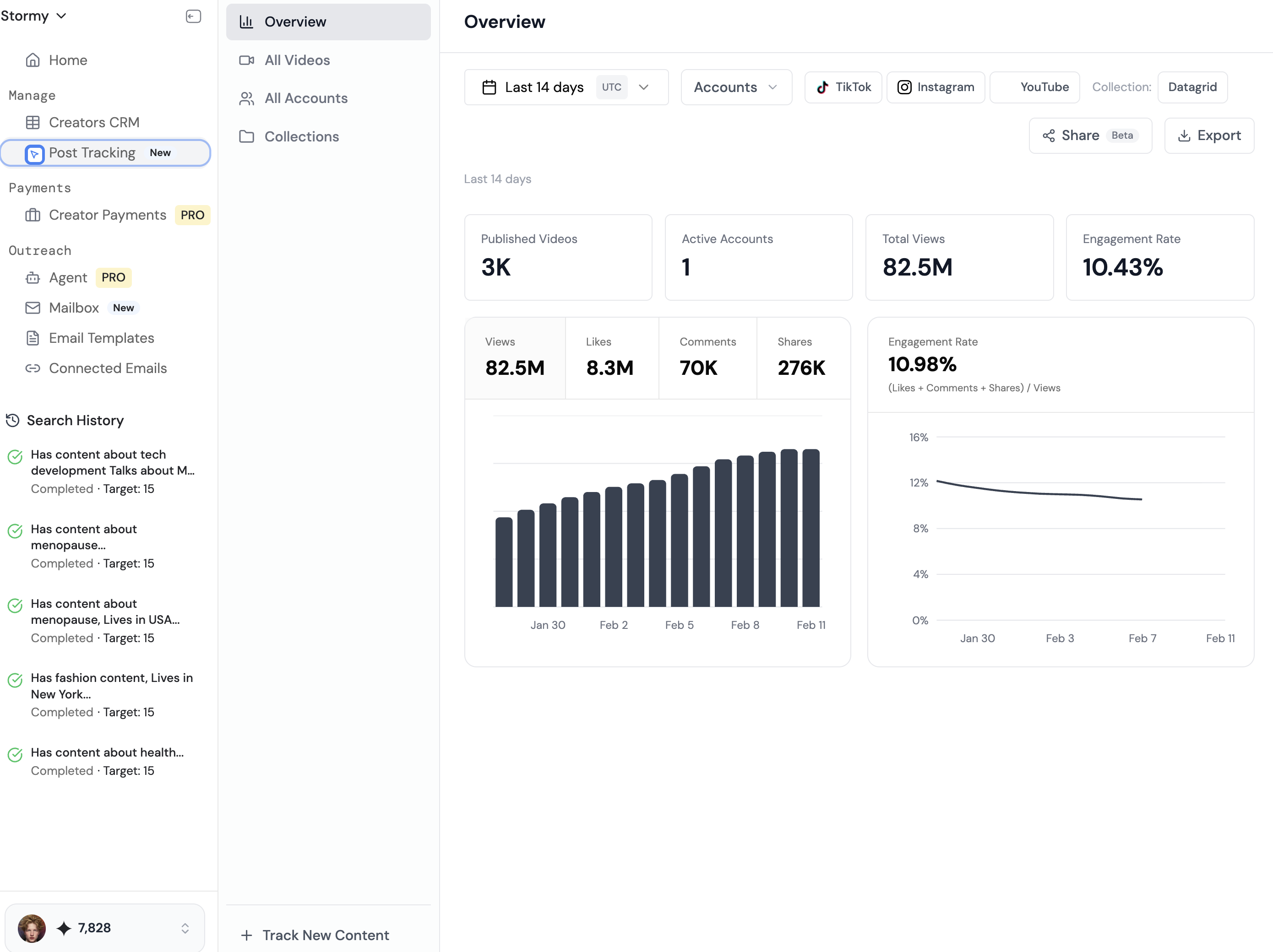
This "unscalable" work builds the foundation for your saas go to market strategy. For instance, if you're building a tool for YouTubers, you could use Stormy AI analytics to identify which channels are growing fast but have poor engagement—potentially signaling they need better automation tools. By reaching out to them with a specific solution to their problem, your conversion rate will be significantly higher than any broad advertising campaign.
Avoiding the ICP Trap: Why Broad is Bad
A common mistake in the ai software development guide is trying to build for everyone. Founders fear that if they pick a niche, they are limiting their upside. In reality, the opposite is true. By picking a painfully specific niche—like Pinterest marketing for cocktail bloggers—Nick was able to build a tool that was perfect for those people.
When you build for everyone, you build for no one. Your messaging becomes diluted, your features become bloated, and your churn skyrockets because users don't feel like the tool was made for them. In the micro-SaaS world, being the "big fish in a small pond" is the fastest way to profitability. Once you've conquered one niche, you can always expand to others, but starting broad is a recipe for a $0 launch.
Conclusion: Your Path to $16K MRR
Building a profitable micro saas in 2026 is about more than just technology; it's about empathy for the user's struggle. Nick’s journey from a 9-to-5 engineer to a founder making $16,000 MRR proves that if you solve a boring problem better than the competition, people will beat a path to your door.
Start by identifying a manual task you hate doing. Research the competition on G2. Use AI to build a scrappy MVP in two weeks. And most importantly, find your first customer manually. Whether you are searching for collaborators on LinkedIn or running automated outreach via Stormy AI, the key is to stop hiding behind your code and start talking to humans. The "AI wave" is just a tool—the real value is in the problem you solve.