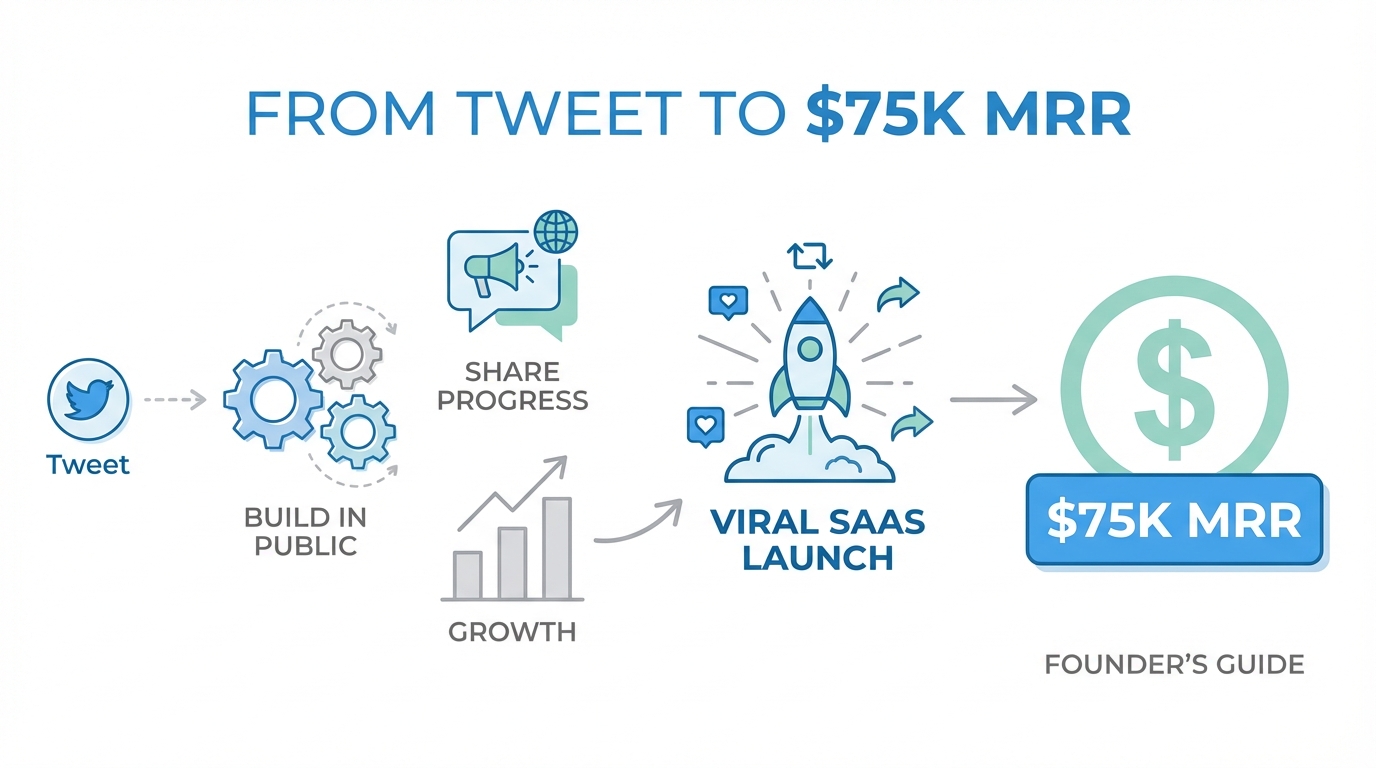
The dream of every modern entrepreneur is to wake up to a notification that their side project has gone viral. For many, this remains a dream, but for Marc and Julia, the co-founders of Papermark, it became a reality that transformed a weekend project into a $75,000 Monthly Recurring Revenue (MRR) powerhouse. In just 18 months, this husband-and-wife duo utilized an organic growth for startups strategy that bypassed traditional paid advertising in favor of transparency, community, and the power of a single social media post.
The journey from a simple tweet to nearly $1 million in Annual Recurring Revenue (ARR) is not just a story of luck; it is a blueprint for a modern how to launch a SaaS methodology. By embracing the "open source successor" model to incumbents like DocSend, Papermark proved that you don't need a massive marketing budget to disrupt a decade-old industry. This guide breaks down the tactical build in public strategy and community-led growth tactics used to scale a SaaS in the age of social media.
The Tweet-to-MVP Framework: Testing Market Demand

Most founders spend months, if not years, building in stealth mode, only to launch to a chorus of crickets. Marc took the opposite approach. He started with a single tweet: "I’m going to build an open source alternative to DocSend." Within hours, that post garnered over 40,000 views and dozens of comments from users eager for a more transparent, secure way to share documents. This is the ultimate saas marketing on twitter hack—validating your product before a single line of code is written.
Instead of over-engineering the solution, Marc spent the weekend building the first Minimum Viable Product (MVP). By Monday, he posted a launch tweet that exploded with 100,000 views. This immediate feedback loop is critical. It allowed the founders to see exactly what features the market craved—such as document analytics, password protection, and custom watermarks—without guessing. When organic growth for startups starts with validation, the first customers don't just find you; they ask for the link to pay you.
To replicate this, founders must identify "incumbents" in the market—companies that have existed for 10+ years but have stopped innovating or shifted their focus entirely to enterprise clients. When you can offer a simpler, more targeted alternative, you create an immediate value proposition. To find the right audience to pitch this to, many founders use Stormy AI's search and discovery to identify niche creators and industry leaders who are already complaining about the complexity of legacy tools.
Tactical Advice for 'Building in Public' Without Losing Edge
A common fear among founders is that a build in public strategy will allow competitors to steal their ideas. However, the founders of Papermark argue that being open source is actually highly defensible. When you give away the core product for free and share your development journey on Twitter and LinkedIn, you build a level of trust that proprietary software cannot match. Users can audit the code, ensuring high security and no "nefarious" background processes.
Building in public also creates a natural founder brand. Every small update, every bug fix, and even the incomplete features shared on social media gather a community of early adopters. This transparency reduces the cost of customer acquisition (CAC) significantly. When your audience feels like they are part of the building process, they become your most loyal advocates. This is the cornerstone of community led growth: turning users into stakeholders.
If you are struggling to find the right voices to amplify your public build, you can use Stormy AI's influencer analysis and vetting tools to ensure potential partners have real reach. By detecting fake followers and analyzing audience quality, you ensure that the people sharing your story actually have the authority to drive meaningful traffic to your GitHub or landing page.
Using Hacktoberfest and GitHub Stars for Top-of-Funnel Growth


For an open-source SaaS, the currency of credibility is the GitHub star. Papermark has amassed over 7,000 stars and 60 contributors, which serves as a massive top-of-funnel lead generation engine. One of their most successful growth levers was participating in Hacktoberfest, a month-long celebration of open-source software. This event encourages developers globally to contribute to projects in exchange for swag or recognition.
By opening up their codebase during Hacktoberfest, Papermark didn't just get free code contributions; they gained visibility. Every contributor is a potential user, and every pull request is a signal to the GitHub algorithm that the project is trending. This "community-driven R&D" allows a small team to out-ship massive incumbents. While legacy companies are bogged down by bureaucracy, an open-source startup has a global fleet of developers monitoring the project and suggesting new features in real-time.
Tracking the impact of these viral moments is essential for long-term planning. Using Stormy AI's post tracking, founders can monitor views, likes, and engagement across all social platforms to see which specific updates or community events are driving the most sign-ups. This data-driven approach ensures that you aren't just "building in public" for the sake of it, but are actually moving the needle on your North Star metrics.
The Tech Stack: Building for Scalability and Velocity
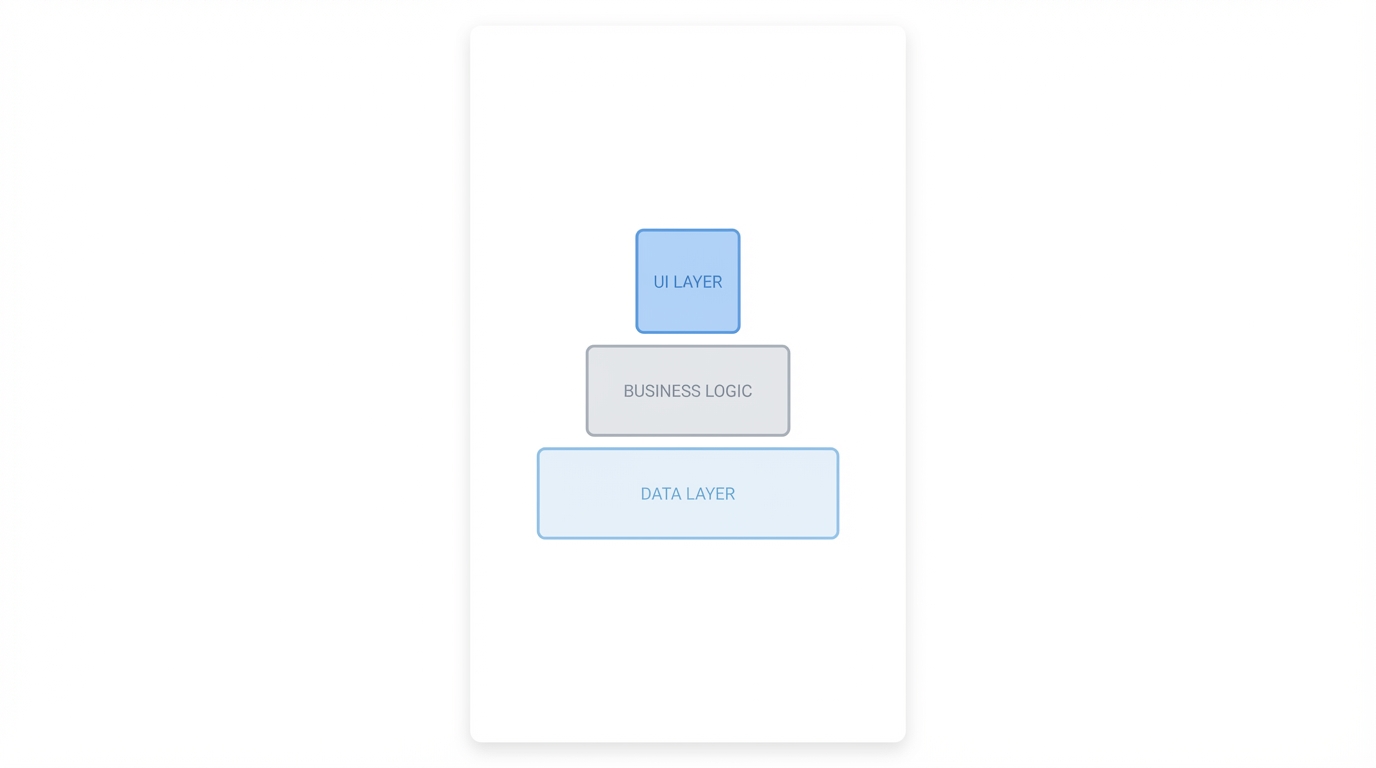
To reach $75K MRR, you need a tech stack that allows for rapid iteration. The Papermark team utilizes a modern stack that favors speed and AI-assisted development. Their core application is built with Next.js and TypeScript, hosted on Vercel. This combination provides the performance needed to handle sudden spikes in traffic from viral tweets.
Other essential tools in their arsenal include:
- Cursor: An AI-powered IDE that helps them ship code faster.
- PlanetScale: A serverless MySQL database that scales effortlessly.
- Resend: A fan-favorite tool for transactional emails that ensures high deliverability.
- Stripe: The gold standard for SaaS billing and payments.
- Trigger.dev: For managing background tasks and complex workflows.
By leveraging these tools, the founders can focus 80% of their budget on salaries and growth experiments rather than infrastructure maintenance. This lean approach is what allows a two-person team to maintain high margins while serving 30,000 users and managing 800,000 document views monthly.
Step-by-Step: Transitioning Viral Traffic into Sustainable Revenue

Viral traffic is a vanity metric unless it converts into a sustainable community of paying users. Papermark uses an Open Core model to bridge this gap. Here is the playbook for transitioning a viral launch into a $1M ARR business:
Step 1: Offer a Free Self-Hosted Version
By making the core software open source and self-hostable, you remove the barrier to entry. This allows developers and tech-savvy users to try the product for free, building a massive base of free users who provide feedback and bug reports.
Step 2: Provide a Managed Cloud Alternative
Many users don't want the overhead of maintenance. By offering a hosted version on papermark.io, you capture the value from users who prioritize convenience and reliability over free self-hosting.
Step 3: Layer on Enterprise Features
Features like advanced analytics, custom branding, and team management are often locked behind an enterprise license. This allows you to serve both small startups and large organizations simultaneously, as seen in the Starter Story interview with Marc and Julia.
Step 4: Automate Your Outreach
As your community grows, managing relationships becomes impossible manually. This is where Stormy AI's creator CRM becomes invaluable. You can track every interaction, from the first time a developer stars your repo to the moment they convert to a paid enterprise plan, ensuring no lead falls through the cracks.
The Future: Finding Niche Opportunities in the AI Era
The success of Papermark shows that "software is not always the differentiator." Being open-source and transparent is a competitive advantage in a world where users are increasingly wary of black-box algorithms. Marc suggests that the next big opportunities lie in reducing complexity for massive incumbents. For example, building a targeted CRM for a specific niche—like veterinarians or office building managers—rather than trying to be a one-size-fits-all solution.
With the rise of AI, founders can now build highly differentiated businesses in much smaller markets. Whether you are focusing on UGC for mobile app marketing or specialized App Store Optimization (ASO) tools, the formula remains the same: validate with a tweet, build in public, and leverage community events to drive organic growth.
To accelerate this process, you can deploy Stormy AI's autonomous email agent. This AI agent can discover creators in your specific niche, send hyper-personalized outreach emails, and handle follow-ups while you sleep, allowing you to focus on building the product while Stormy handles the growth engine.
Conclusion: Your Launch Starts Today
Building a $75,000 MRR SaaS doesn't require a secret formula or millions in VC funding. It requires the courage to share your idea early, the transparency to build in public, and the tactical use of community platforms like GitHub and Twitter. Marc and Julia’s journey with Papermark proves that organic growth for startups is possible when you prioritize trust and value over stealth and secrets.
If you're ready to start your own how to launch a SaaS journey, don't wait for the perfect product. Post that first tweet, start your open-source repo, and use modern tools to scale your outreach. Platforms like Stormy AI are built to help you navigate this new era of influencer-driven, community-led marketing. The successor to the next big incumbent is waiting to be built—it might as well be by you.