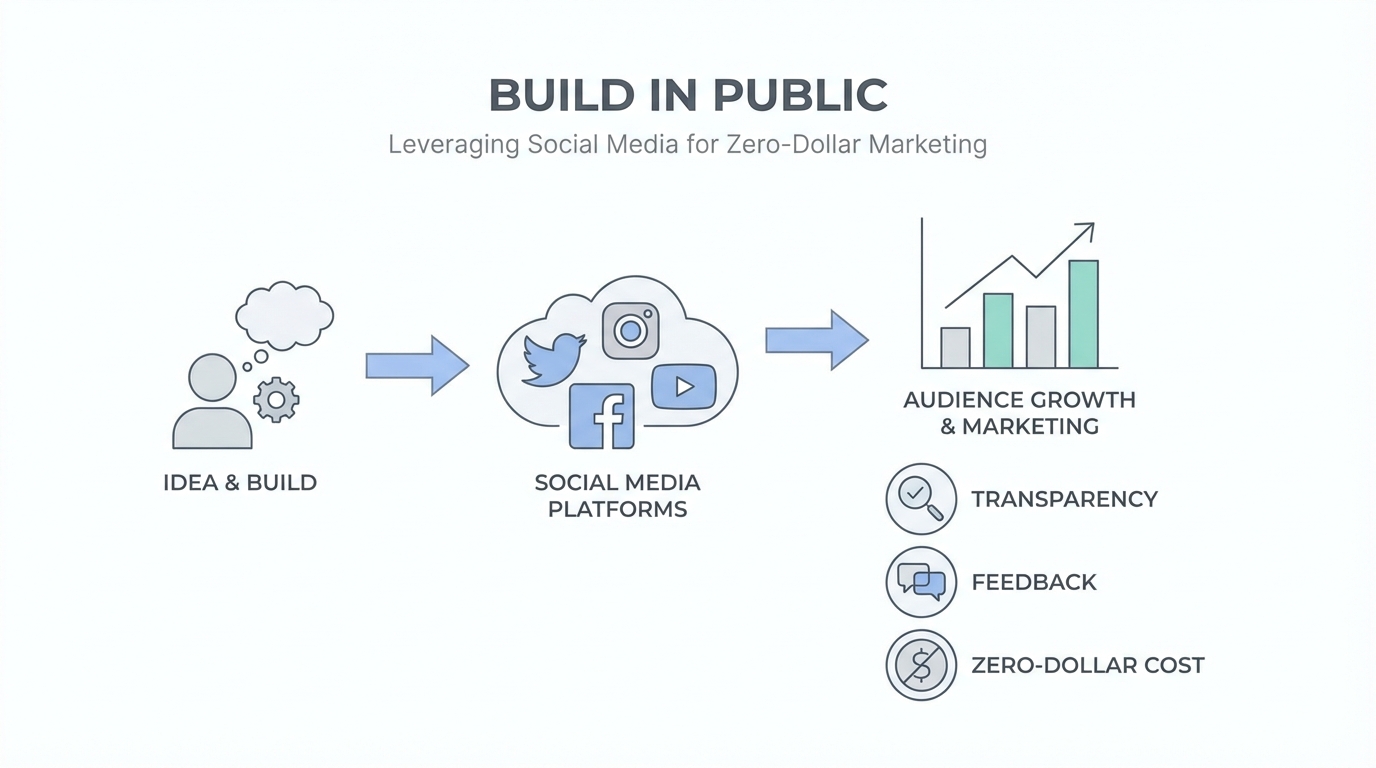
In an era where digital advertising costs are skyrocketing year-over-year, a new breed of entrepreneurs is proving that you don't need a multi-million dollar marketing budget to build a seven-figure business. By embracing radical transparency and sharing their journey in real-time, solopreneurs are bypassing traditional ad platforms and building high-trust brands from scratch. This approach, known as the build in public strategy, has turned social media platforms into powerful engines for organic growth for service businesses, allowing founders to generate high-ticket leads through nothing more than a smartphone and a dedication to consistency.
The Build in Public Strategy: Why Transparency is the New Trust


The core philosophy of building in public is simple: document the process, not just the result. For decades, businesses operated behind closed doors, only emerging when a product was "perfect." Today, that distance is being replaced by intimacy. When you share your daily struggles, your revenue milestones, and even your failures, you aren't just creating content; you are building social proof and emotional investment from your audience. This transparency is particularly effective for marketing for solopreneurs, as it humanizes a brand that might otherwise feel like a faceless service.
Consider the case of Brett from Designjoy, who built a $1.3 million-a-year design agency with zero employees. As documented by Starter Story, Brett's success wasn't built on Google Ads or expensive agency retainers. Instead, he shared his unique business model—design as a subscription—openly. By showing the world that he was managing 20+ clients solo while maintaining a 9-to-5 job, he created a narrative of efficiency and high-level skill that attracted high-paying clients. This level of openness acts as a filter; clients who reach out already trust your process because they’ve seen it in action.
From Zero to One: The Product Hunt Launchpad
For many service providers, the hardest part is getting the first five clients. While long-term social media lead generation for agencies requires a steady presence, a high-impact launch can provide the initial momentum needed to exit the "death valley" of a new business. Platforms like Product Hunt have become the go-to destination for launching new ventures. The key, however, isn't to spend months polishing a launch, but to ship a Minimum Viable Product (MVP) as quickly as possible.
Brett’s journey highlights this perfectly: he built his initial Webflow site and set up his business structure in just one day. By launching on Product Hunt with a simple, clear value proposition—unlimited design for a fixed monthly fee—he tapped into an existing community of early adopters and tech founders. This "cliché" launch method, as he calls it, provided the initial hits and client interest that validated his idea. For those looking to replicate this, the goal is to get a landing page live, explain exactly what you do, and let the market decide if it’s valuable. Don't wait for perfection; wait for data.
Once you have your first few clients from a launch platform, the next step is managing that growth. Modern agencies often use Stormy's AI search to discover which influencers and industry leaders are talking about their niche. By identifying key voices on TikTok, YouTube, and LinkedIn, you can find potential partners who can amplify your launch message to a much broader audience, ensuring your one-day build gets the eyes it deserves.
The X (Twitter) Engine: Sustained Lead Generation
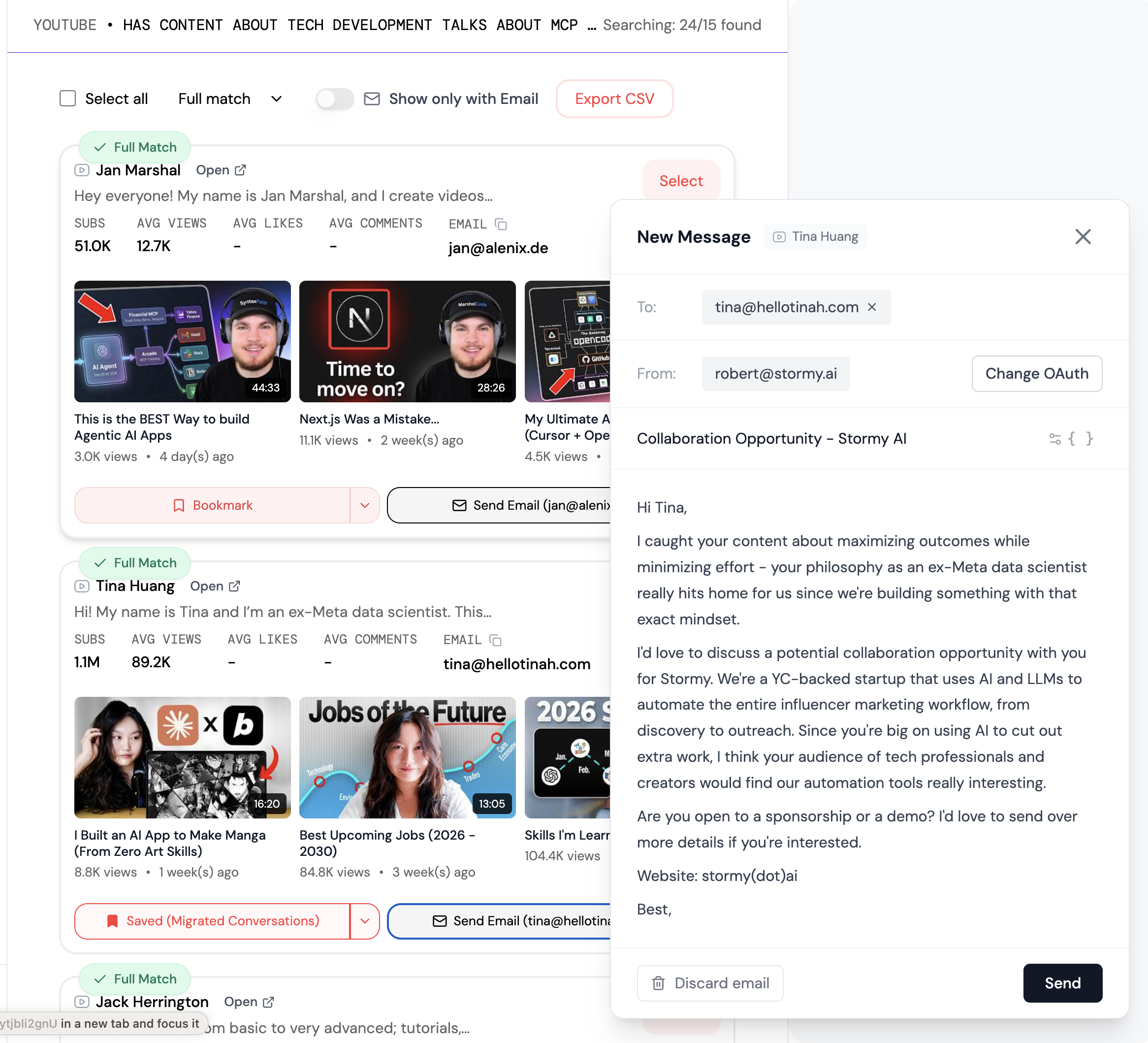
While a launch provides a spike, getting clients on twitter (now X) is about the long game. Social media platforms are the modern town square where service providers can demonstrate their authority daily. To move from a one-off launch to a sustained lead generation machine, you must transition from "announcing" to "educating." This means posting insights about your industry, sharing your workflow, and engaging with the community.
The secret to social media lead generation for agencies on X is consistency over complexity. You don't need a viral thread every day; you need to be top-of-mind when a potential client realizes they have a problem you can solve. Brett noted that his primary means of getting leads today is simply through his tweets. By building a following of just a few thousand people who are interested in design, entrepreneurship, and productized services, he has created a self-sustaining ecosystem of referrals and direct inquiries. He uses tools like Figma to create visual proof of his work, which he then shares to spark conversations.
To scale this process without spending all day on social media, smart founders use Stormy's AI email outreach. This allows you to set up an autonomous AI agent that discovers relevant creators and potential clients, then sends hyper-personalized emails or messages. This ensures that while you are focused on doing the actual work, your lead generation engine is running in the background, reaching out to the right people while you sleep.
Niching Down: The Ultimate SEO and Social Hack
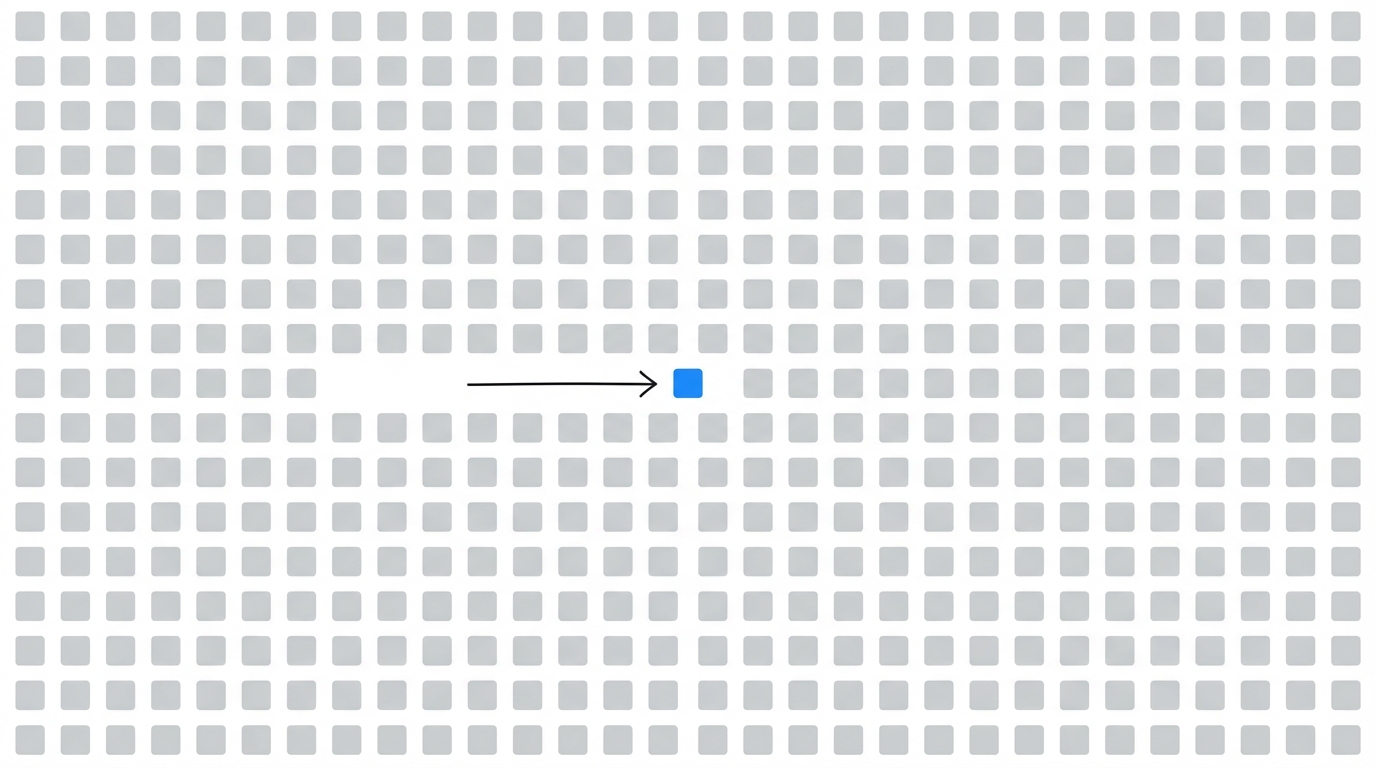
A common mistake in marketing for solopreneurs is trying to be everything to everyone. The "generalist" agency is a dying breed because it’s impossible to stand out in a global marketplace. Instead, the most successful service providers find a specific niche and dominate it. Niching down isn't just about limiting your services; it's about increasing your speed and quality within a specific domain.
In the design world, for example, instead of offering "graphic design," you might offer "SaaS landing page design" or "YouTube thumbnail optimization." By narrowing your focus, you become uniquely searchable. This is a subtle social media hack: when someone on X or LinkedIn asks for a "designer," they get 500 replies. When they ask for a "Webflow landing page expert for Fintech apps," only three people qualify. Before partnering with any niche experts or influencers to promote your specialty, use Stormy AI for influencer vetting to perform fake follower detection and audience analysis, ensuring you only collaborate with high-quality creators.
Furthermore, niching down allows you to productize your workflow. Using tools like Trello to manage a specific type of request allows for a streamlined, asynchronous process. As Brett mentions, he doesn't have Zoom calls or Slack channels with his clients. Because he specializes in a specific type of design, he can complete requests in 30 to 60 minutes. This efficiency is only possible when you stop reinventing the wheel for every new client and start mastering a single, high-value wheel.
The 'Fake Project' Strategy for Creative Portfolio Building
How do you get your first client if you don't have a portfolio? This is the classic chicken-and-egg problem of service-based businesses. The solution is the 'fake project' strategy. If you are a designer, find a popular app or website and redesign it. If you are a copywriter, rewrite the landing page for a famous startup. If you are a video editor, take raw footage from a popular YouTube creator and create a high-impact edit.
By mimicking good design or high-quality work that is already out there, you accomplish two things: you train your skills and you create visual proof of what you are capable of. Brett credits his skills to essentially teaching himself by being in design programs all day and mimicking high-quality work. He didn't wait for a client to give him a project; he created his own. These "fake projects" can then be posted on social platforms like Behance or X as part of your build in public strategy. When you show a "Before and After" redesign of a popular brand, you aren't just showing a design; you're showing your strategic thinking. This is often more persuasive to a potential client than a thousand-word blog post.
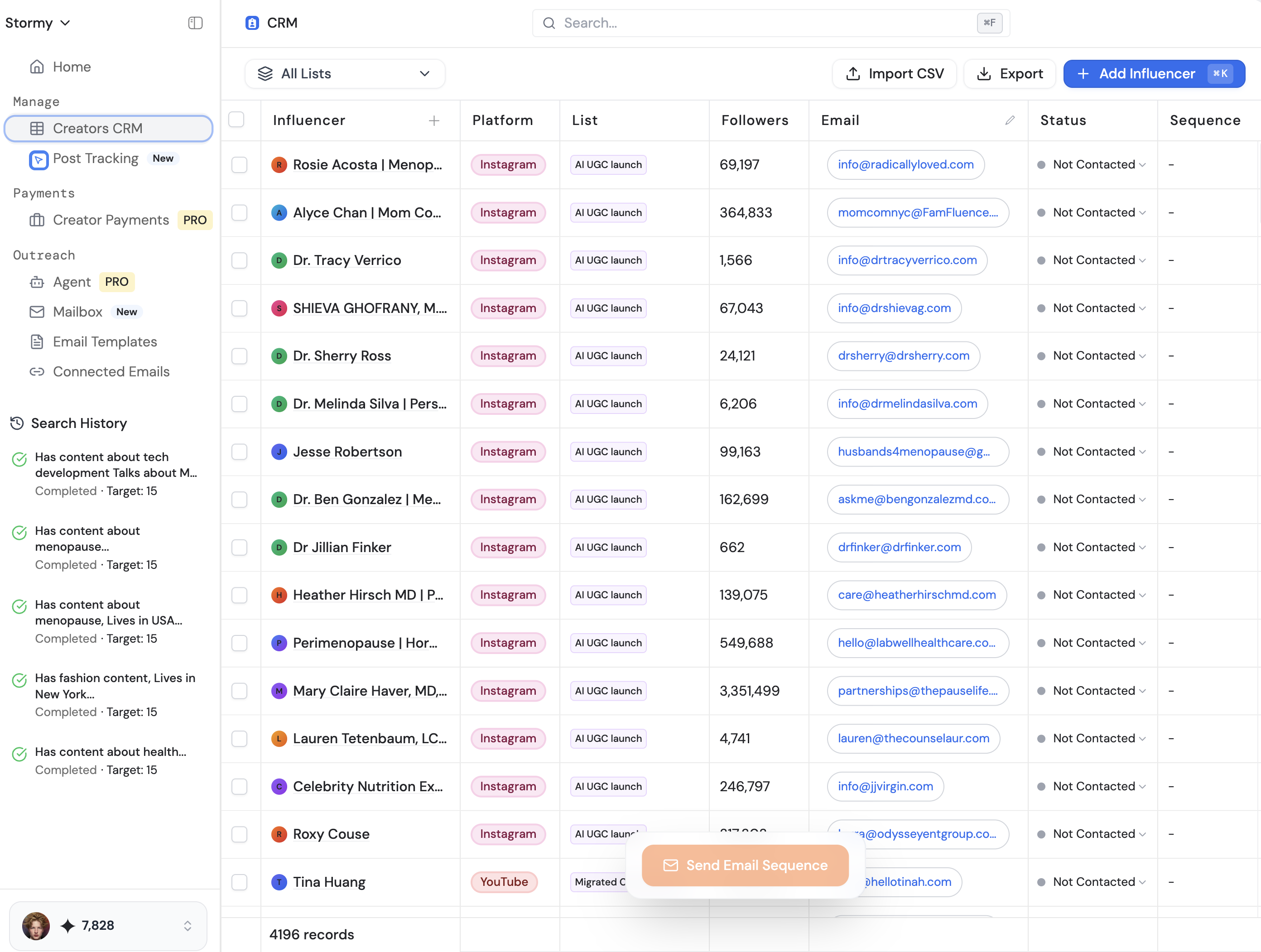
Managing these relationships as they turn from "social media followers" to "interested prospects" requires organization. A tool like Stormy's creator CRM can help you track every interaction, from the first time they liked your redesign to the final negotiation. Keeping your leads organized in a central hub ensures that no high-ticket opportunity falls through the cracks, allowing you to focus on the creative work that builds your reputation.
Converting Social Media Followers into High-Paying Subscribers
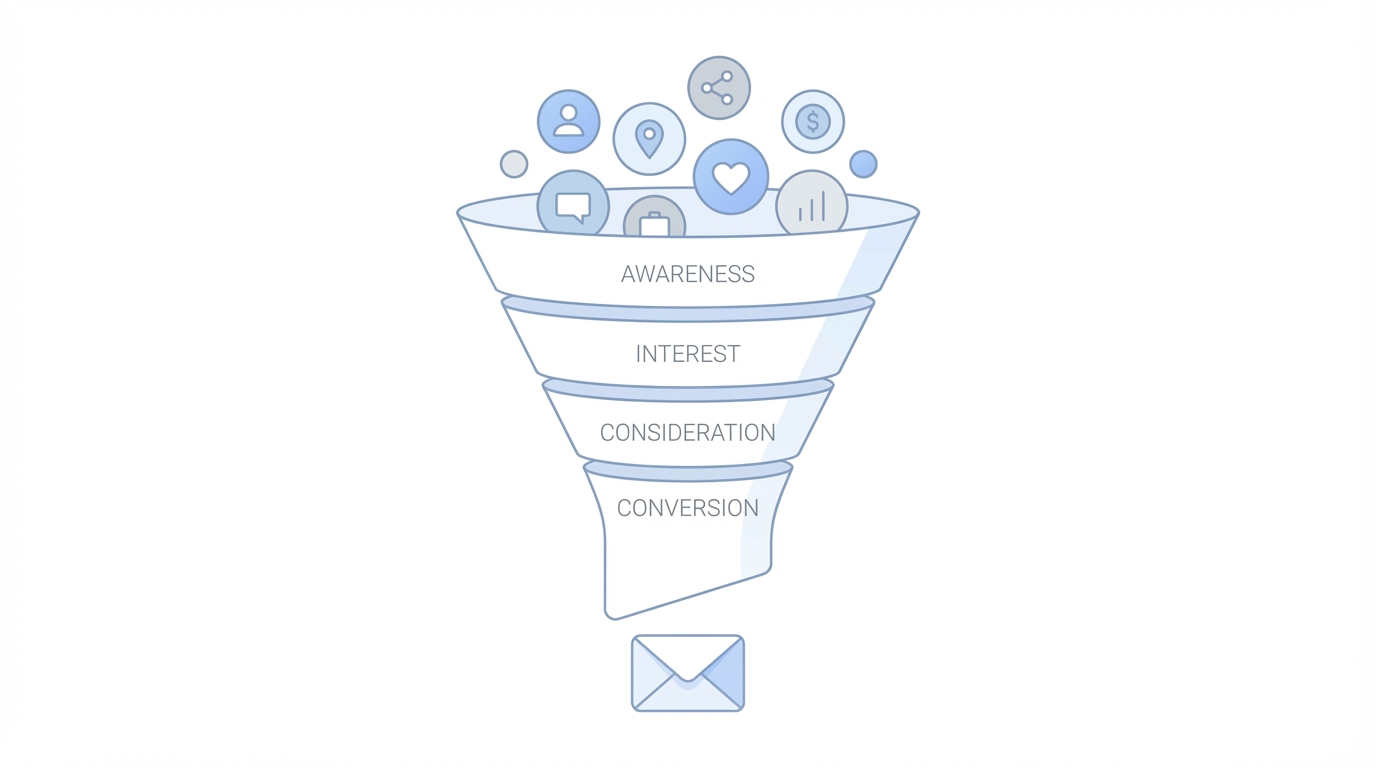
The ultimate goal of organic growth for service businesses is to move people away from social media platforms and into your own ecosystem. Social media is "rented land." To build a sustainable $1.3M business, you need a way to convert that attention into predictable revenue. The productized service model is the most efficient way to do this. By turning your service into a "subscription"—similar to a Netflix for design or writing—you remove the friction of hourly billing and custom proposals.
Clients love predictability. When you offer a package at $5,000 a month for "unlimited" requests, processed one by one via a tool like Stripe, you provide them with a fixed cost and a high-quality output. This model works because it aligns incentives: you are incentivized to be fast and efficient, while the client is incentivized to stay long-term because they always have design needs. To manage this at scale, you need to track your performance. Stormy's post tracking and analytics can help you see which types of content are actually driving these high-value conversions, allowing you to double down on what works and cut out the noise.
Conclusion: The Power of Self-Belief in the Creator Economy
Building in public and leveraging social media for lead generation is as much a psychological challenge as it is a tactical one. Many solopreneurs hold back because of insecurity, waiting for "one more certification" or "one more client" before they commit. However, as the case of Designjoy shows, the revenue often follows the commitment. Brett stayed in his 9-to-5 job until he was making $80,000 a month—not because he had to, but because he was afraid the "shooting star" would dissipate. Once he made the leap, his revenue doubled almost instantly.
To succeed in marketing for solopreneurs, you must believe in the system you are building. Start small: pick a niche, build an MVP in a day, launch it on a platform like Product Hunt, and then begin the daily work of sharing your journey on X. Use AI-powered tools like Stormy AI for influencer vetting, automated discovery, and outreach so you can focus on the high-level strategy. The tools for a million-dollar solo business are more accessible than ever—the only missing ingredient is your willingness to be seen while you build it.