By the start of 2026, the barrier between an idea and a profitable digital product has effectively vanished. We are no longer in the era of "experimenting" with AI; we are in the era of AI-driven industrialization. For entrepreneurs, this shift has birthed one of the most lucrative creator economy revenue streams available: the high-volume, AI-generated ebook empire. While many still view ChatGPT as a mere writing assistant, savvy founders are using it as the core production engine for million-dollar publishing brands.
The blueprint isn't theoretical. Early movers like Joe Poplus have already demonstrated that a 20-year-old student can build a book brand valued at over $930,000 using little more than GPT models and targeted advertising. This guide provides the definitive AI entrepreneurship guide for those looking to replicate that success, scaling an ebook business from a side hustle into a seven-figure exit.
Identifying High-Intent Niches: The Psychology of 2026 Sales
Learn how to analyze competitor books to identify high-intent niches for your brand.
In the 2026 market, generic information is free. To build a million-dollar empire, you cannot sell "information"; you must sell transformation. The most profitable ChatGPT business ideas 2026 revolve around niches where readers are high-intent, ambitious, or emotionally charged. When you target people seeking a specific outcome—whether it's financial freedom, health recovery, or parenting solutions—you can tug on their emotions and present your book as the only bridge to their desired reality.
"The key to AI publishing isn't just writing; it's finding a niche with ambitious people where you can present an outcome they desperately want to achieve."
Consider the demographic of your platform. While TikTok Ads Manager is excellent for impulse buys, platforms like Pinterest Ads remain a goldmine for "middle-aged moms" and DIY enthusiasts who are looking for deep-dive guides. By using tools like Google Trends to align your niche with the specific behavioral patterns of these platforms, you ensure that your AI digital publishing efforts meet the right eyes at the right time.
The 'Step-by-Step' ChatGPT Prompting Framework
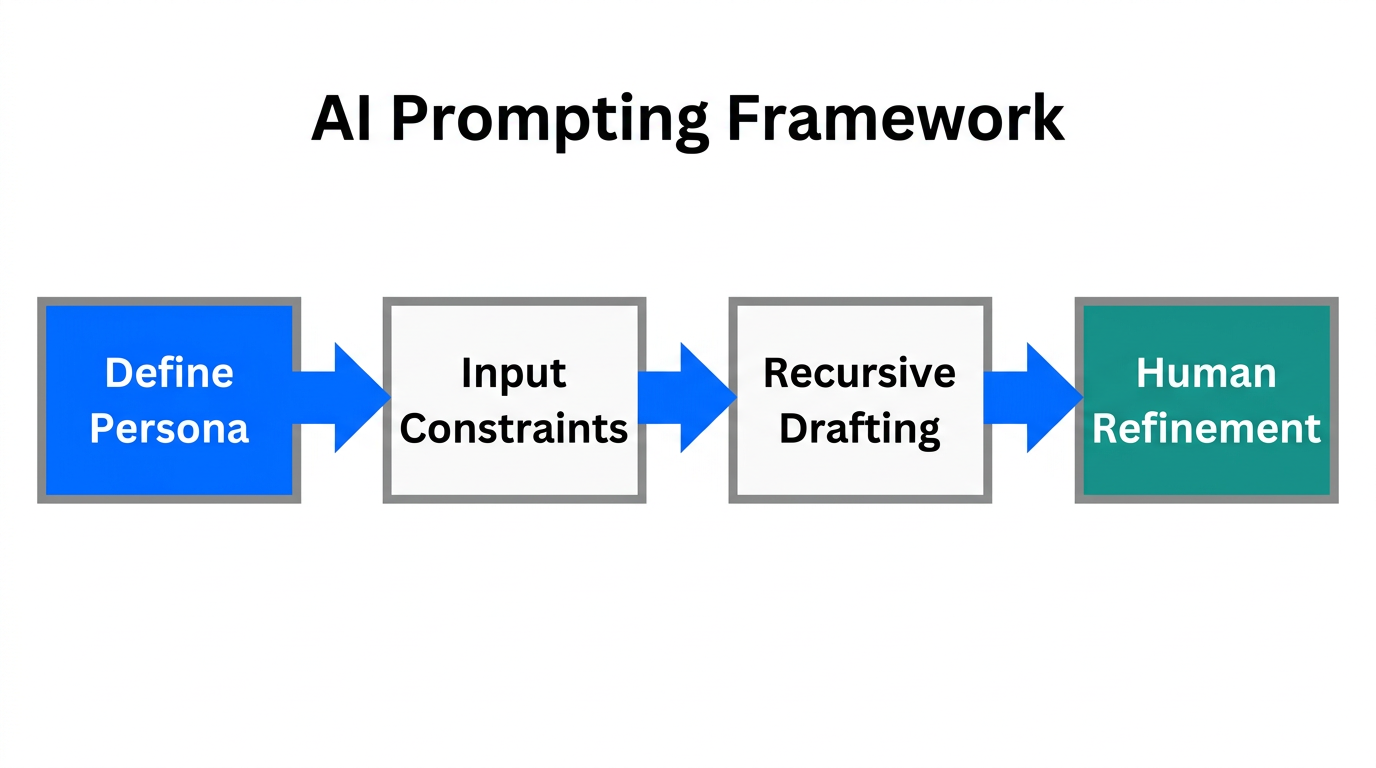
The biggest mistake amateur publishers make is asking ChatGPT to "write a book on X." This results in generic, repetitive, and shallow content. To achieve a $1M valuation, your books must have congruency and depth. The 2026 gold standard is the 5x5 Granular Framework.
Step 1: The Master Outline
Start by researching your competitors on Amazon KDP or specialized marketplaces. Identify the gaps in their content. Prompt ChatGPT to generate a comprehensive outline consisting of exactly five core chapters, each serving a specific stage of the reader's journey.
Step 2: Sub-Topic Expansion
For each of those five chapters, command the AI to generate five specific sub-topics. This creates a 25-point roadmap for your entire book, ensuring no stone is left unturned. Precision in the outline phase prevents the AI from hallucinating or losing the narrative thread later on.
Step 3: Iterative Generation
Never generate an entire chapter at once. Instead, generate each sub-topic individually. This allows you to maintain a consistent tone and manually steer the AI if it starts to drift. By feeding the AI the context of the previous sub-topic, you create the congruency that separates professional ebooks from low-quality AI spam.
| Production Phase | AI Role | Human Role | Estimated Time |
|---|---|---|---|
| Niche Research | Market Analysis | Final Selection | 1 Hour |
| Outlining | Structure Creation | Logical Review | 30 Mins |
| Content Writing | Granular Generation | Tone Management | 3-4 Hours |
| Proofreading | Error Detection | Quality Control | 2 Hours |
Cost-Efficiency: Keeping Margins at 70%
Understand the profit margins and valuation of an AI-driven digital publishing business today.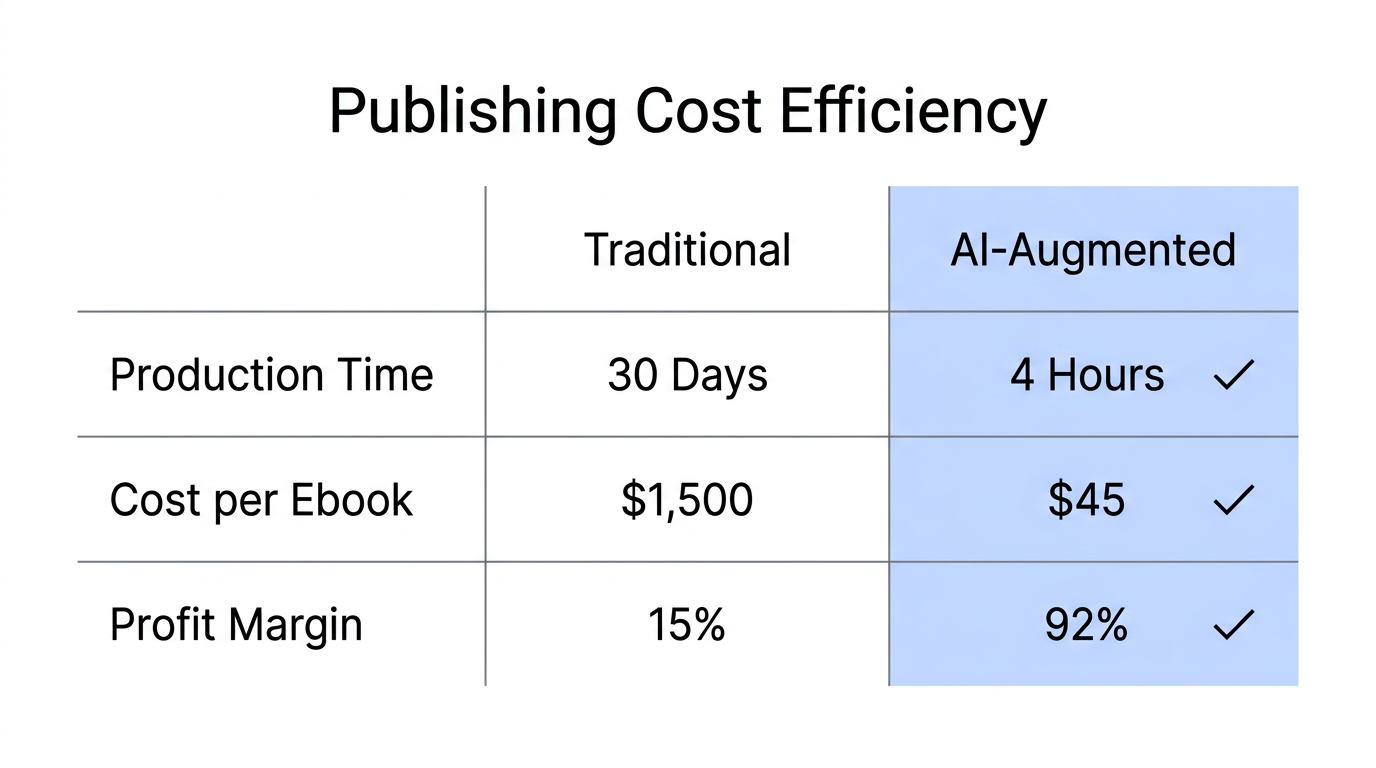
One of the most attractive aspects of scaling an ebook business in 2026 is the overhead—or lack thereof. A sophisticated publishing operation can be launched for under $500. Your primary costs aren't in the production, but in the distribution and marketing. In fact, generating a full-length, high-quality book using modern API calls typically costs less than $5 in tokens.
"You can start this business for under $500 if you avoid the mistakes of the past. The goal is to stay lean and focus on learning over earning in the first 90 days."
To maintain 70-80% profit margins, you must ruthlessly optimize your tech stack. Use tools like Canva for cover design and Shopify or LemonSqueezy for the storefront. The biggest drain on your capital will be advertising, which is why your conversion tracking must be airtight from day one using tools like Google Analytics.
The Quality Control Layer: Human vs. AI
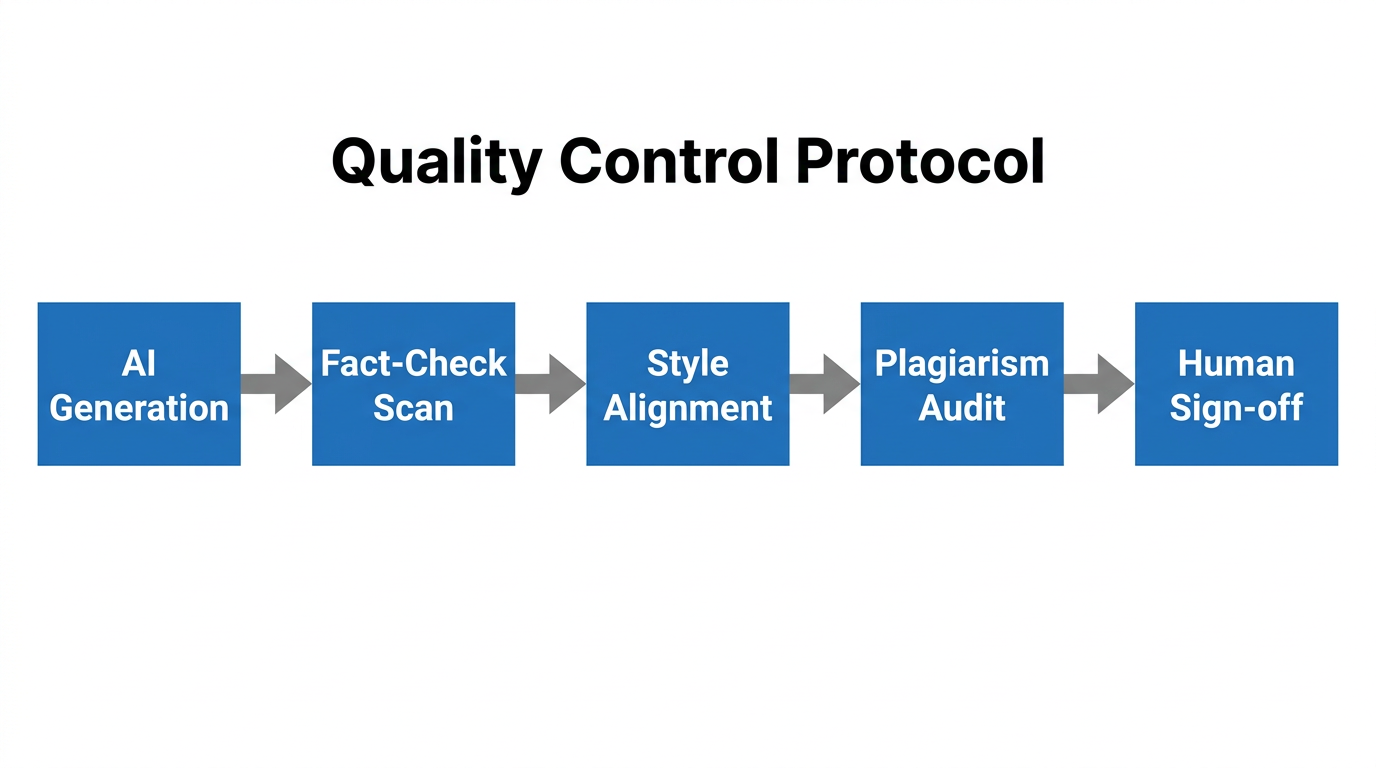
While AI generates the bulk of the text, the human proofreader is the secret weapon of a $1M brand. Readers in 2026 are savvy; they can sense a book that has had zero human intervention. A human editor ensures that the "voice" of the brand remains consistent and that the advice provided is actually actionable. Use software like Grammarly to assist with logical flow and grammatical precision.
Early in your journey, you should perform this role yourself. Read every chapter. Meticulously check for logical flow. As you scale, you can hire a proofreader on a retainer. This "Human-in-the-loop" system allows you to maintain a high output—generating 40+ books in a single quarter—without sacrificing the brand integrity that attracts investors.
For those looking to amplify their reach, pairing your book launches with UGC (User-Generated Content) is essential. Platforms like Stormy AI can help you discover and outreach to micro-influencers who can provide authentic reviews or video testimonials for your digital products, giving your brand the social proof it needs to convert cold traffic.
Marketing Strategy: The Pinterest to Landing Page Pipeline
Discover how to structure ad campaigns to drive traffic to your publishing pages.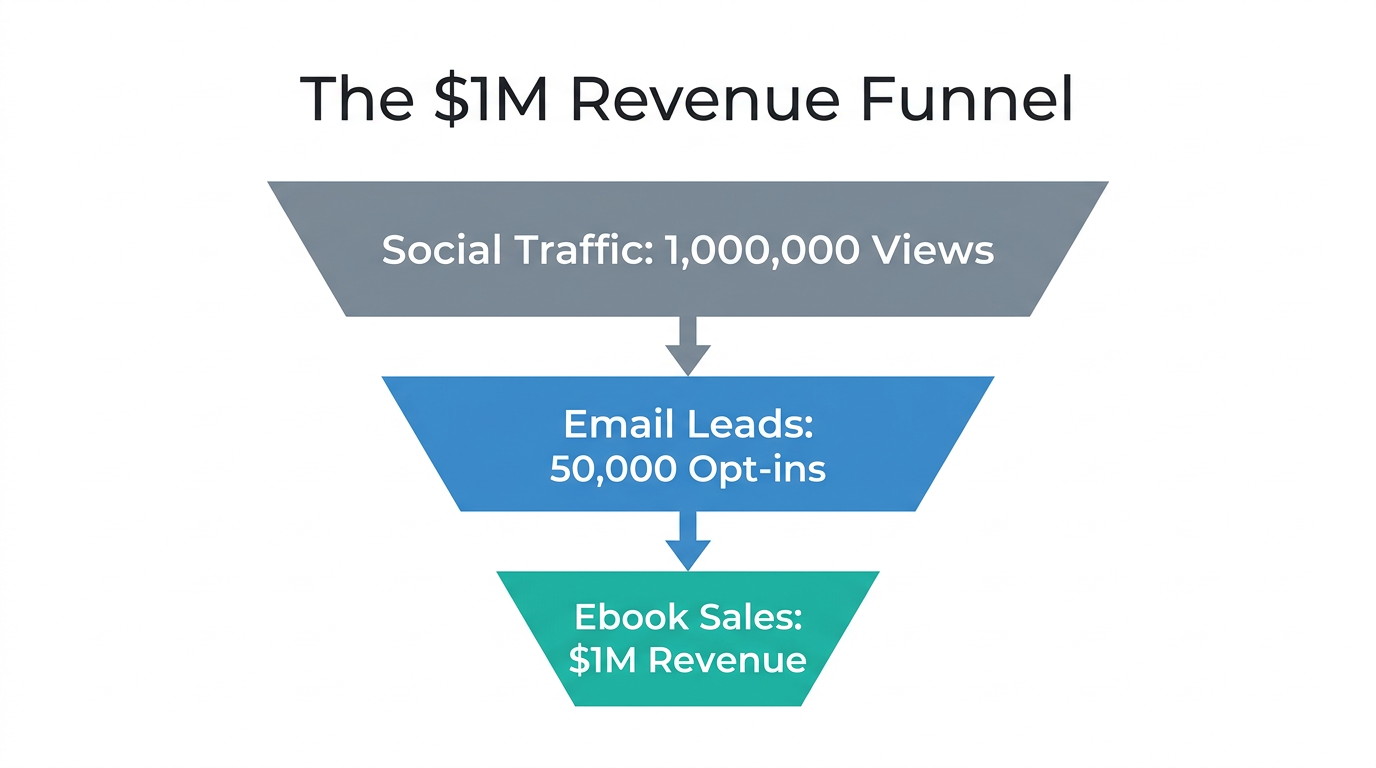
Your marketing engine is what transforms a collection of PDF files into a $1M digital publishing empire. In 2026, the most effective funnel for ebooks isn't a direct sale from a social post, but a sophisticated landing page strategy.
- Consideration Campaigns: Use Pinterest Ads to test which niches and headlines garner the most interest. This is your research phase.
- Conversion Campaigns: Once you find a winning niche, switch to conversion-focused ads. Set up your tracking pixels to monitor behavior "above the fold" versus "below the fold."
- The Value Stack: Your landing page must do more than list the chapters. It should show a "value stack"—the book, the bonuses, the worksheets, and the community access—to make the purchase a no-brainer.
If your landing page looks unprofessional or has a bounce rate over 70%, your brand image is failing. In the creator economy, trust is the primary currency. A clean, high-converting landing page built on Framer or Webflow is non-negotiable. To further scale discovery, platforms like Stormy AI streamline creator sourcing and outreach to find ambassadors for your landing pages.
"The landing page is your only real estate to sell. If it doesn't look professional, they will bounce instantly, and your ad spend will be wasted."
Exit Strategy: Valuing and Selling Your AI Brand
The ultimate goal of AI entrepreneurship is not just monthly cash flow, but building a sellable asset. Investors in 2026 are actively looking for cash-flowing AI brands with low overhead and repeatable systems. A business that generates $30k-$40k in monthly profit can easily command a valuation near $1M.
To make your business attractive to buyers, you must demonstrate:
- Systemization: Can the business run without you? (e.g., outsourced proofreading and automated ads).
- Diversification: Are you advertising on multiple platforms like Meta Ads and Google?
- Retention: Do you have an email list of loyal customers managed through Klaviyo or Beehiiv?
You don't even have to sell the whole company. Many founders use marketplaces to sell 40-50% of their brand to an investor to recoup their initial capital while maintaining a stake in the future growth. This allows you to stay lean, take your "bag," and immediately start building your next AI digital publishing venture.
Conclusion: The 2026 Publishing Playbook
A final look at why AI books are a million-dollar opportunity for creators.Building a $1M digital publishing empire using ChatGPT in 2026 is no longer a matter of luck; it is a matter of execution and systems. By identifying high-intent niches, using a granular prompting framework, and mastering the art of the landing page, you can build a business that generates massive profit margins with minimal physical overhead.
The creator economy reward those who prioritize learning the skills of the future. Whether you are a student stocking shelves or a corporate worker looking for an exit, the tools to build a million-dollar brand are at your fingertips. Start by mastering the AI, then master the marketing, and finally, master the exit. The 2026 AI revolution is here—it's time to write your own success story.