In 2026, the era of the "rigid SaaS dashboard" is officially over. For years, growth teams have been trapped in a cycle of paying thousands of dollars for reporting tools that offer limited integrations, generic visualizations, and a high learning curve. But as of this year, the intersection of agentic AI and growth marketing has birthed a new movement: vibe coding for marketers. Non-technical growth leaders are now using terminal-native tools like Claude Code to build bespoke infrastructure that previously required a dedicated engineering team.
The shift is backed by staggering data. Organizations utilizing AI for growth marketing report a 37% reduction in costs and a 39% increase in revenue, according to recent research from Genesys Growth and global insights from McKinsey & Company. With 93% of CMOs reporting that generative AI is delivering clear ROI, the question is no longer if you should automate, but how fast you can deploy your own custom data pipelines.
The Rise of Agentic Marketing Ops in 2026
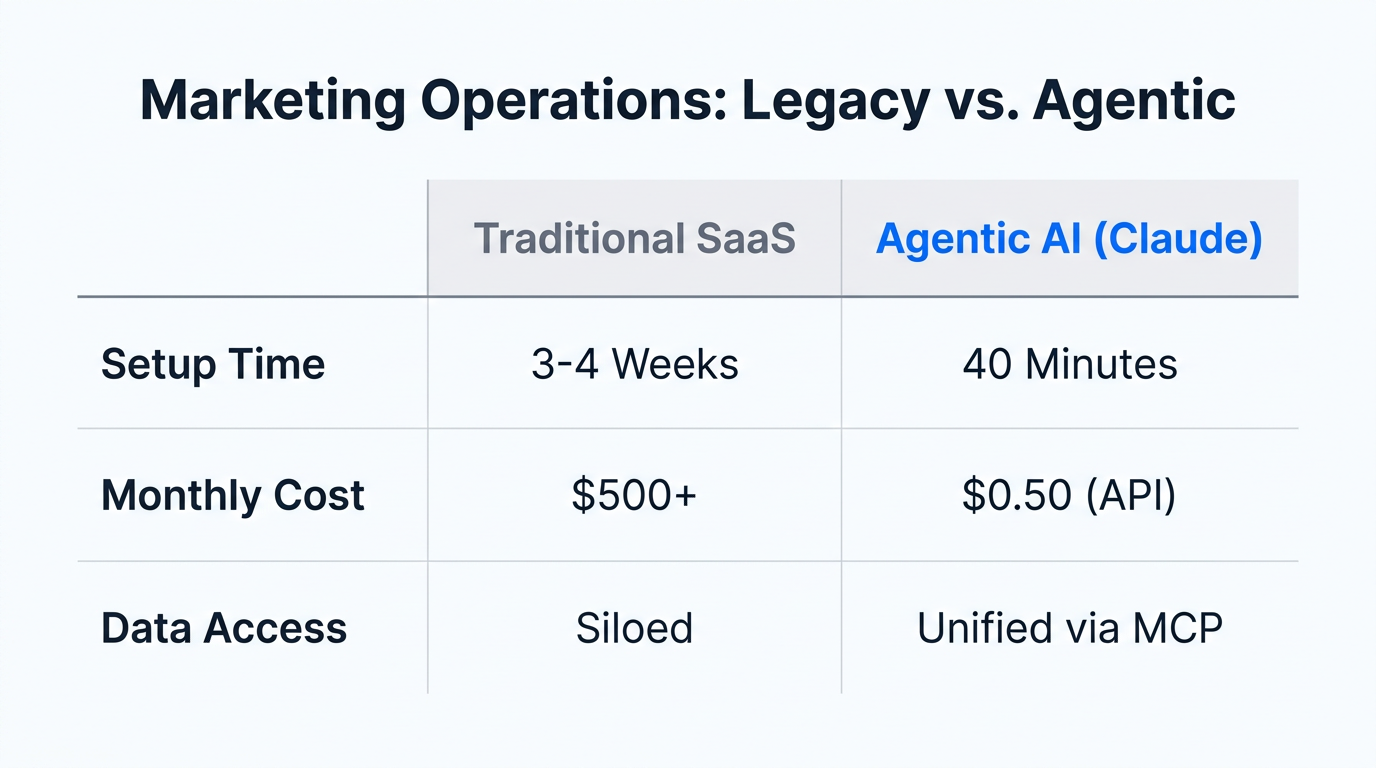
The marketing department of 2026 isn't just about creative and copy; it is about managing a fleet of specialized AI agents. Data from Statista and industry surveys show that 73% of marketers now use AI tools daily, a figure that has doubled since 2024. This isn't just for writing emails; it's for building the very tools used to measure them. This democratization of code means that domain expertise—knowing exactly what metrics drive your business—is now more valuable than knowing how to write a Python script from scratch.
"The entire marketing department is now one dude with Claude Code and a coffee."AI-powered marketing agencies are already seeing 25–45% higher ROI than traditional counterparts by compressing campaign launch timelines from weeks to same-day deployment, as noted by RZLT. By building your own custom marketing reporting dashboards—perhaps pulling creator performance data from Stormy AI—you eliminate the middleman and gain 100% control over your data narrative.
What is Claude Code and the Model Context Protocol (MCP)?
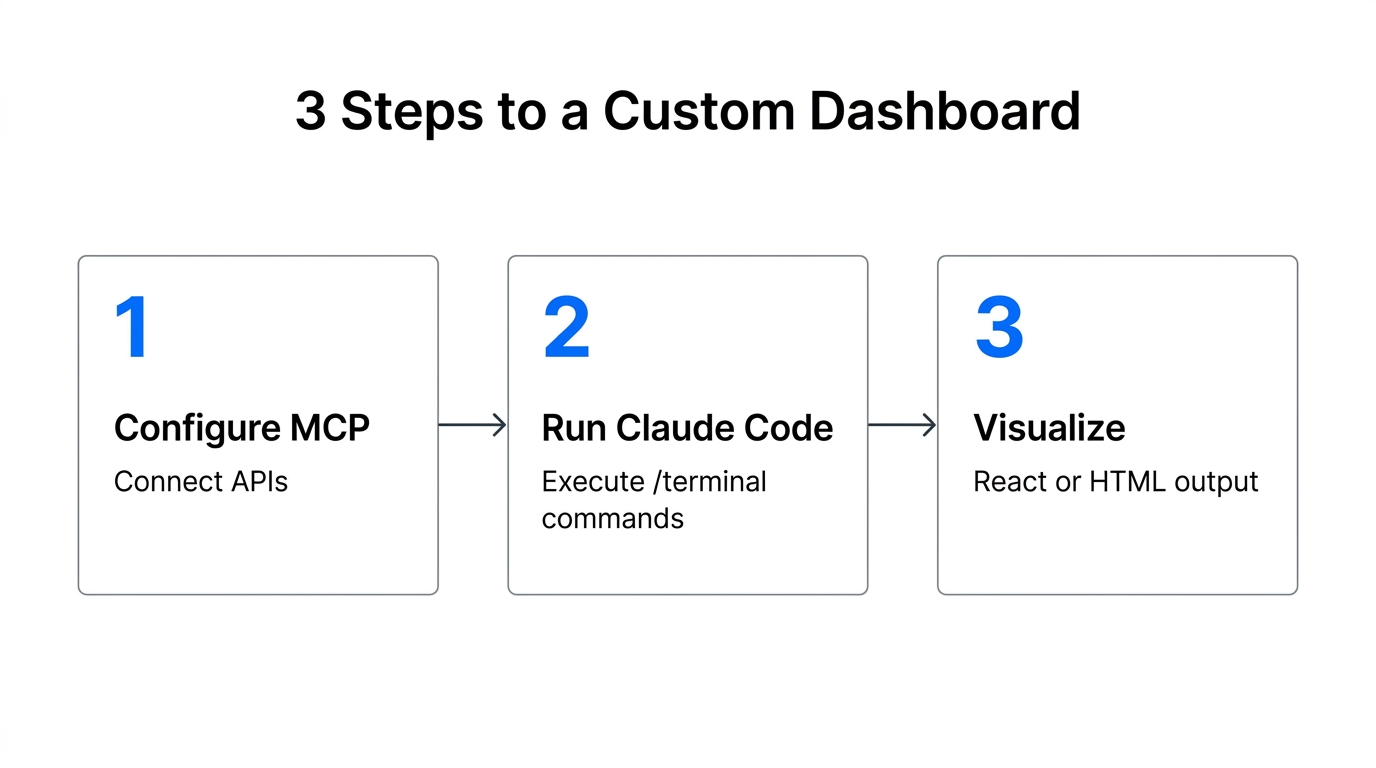
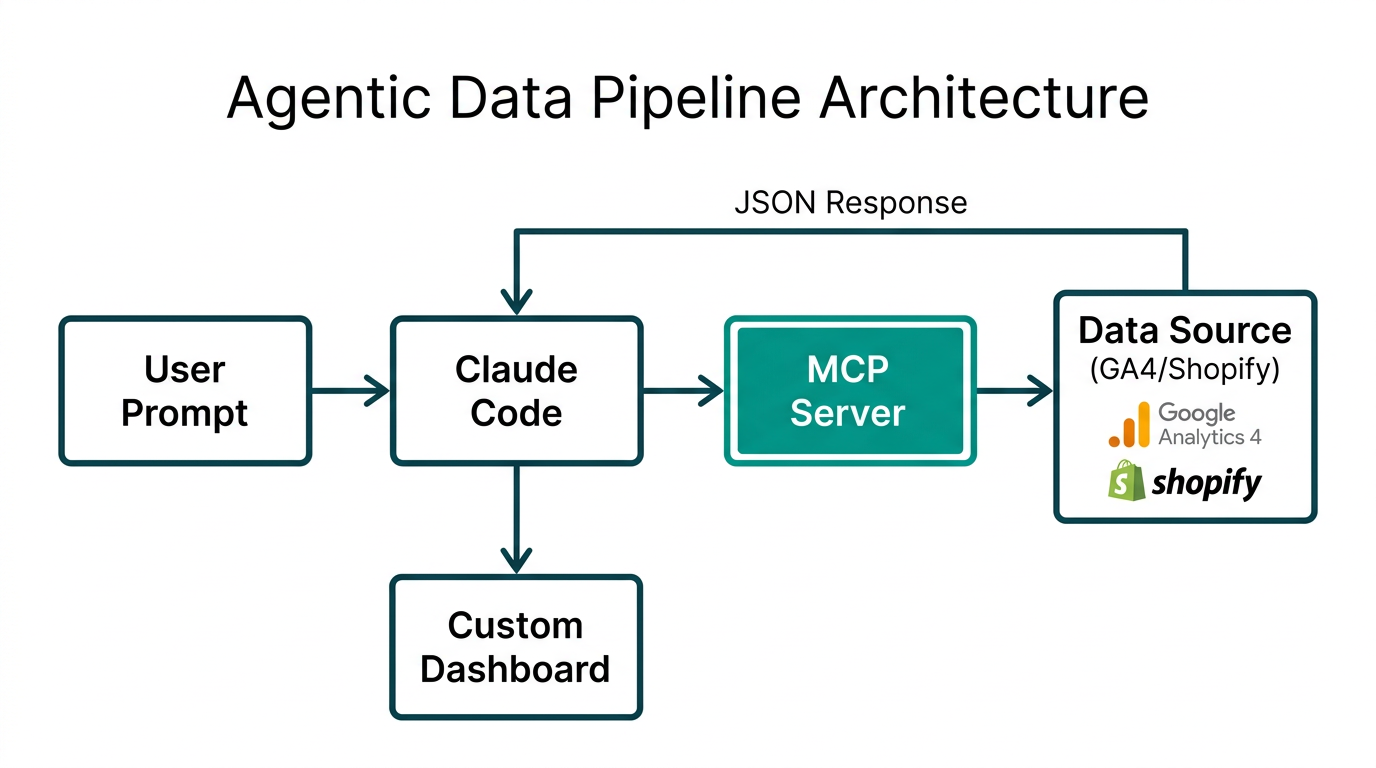
To build a custom dashboard, you need to understand the two core technologies driving this shift. Claude Code is a terminal-native, agentic AI coding assistant from Anthropic. Unlike standard chat interfaces, it operates directly on your local codebase, allowing it to analyze an entire project folder at once thanks to its 1 million token context window.
However, the real magic happens via the Model Context Protocol (MCP). This protocol acts as a bridge, allowing Claude to securely connect to live data sources like Google Ads, Shopify, or even your internal Stripe records. Instead of downloading CSVs and uploading them to a chat window, you can use MCP Servers to let your AI assistant