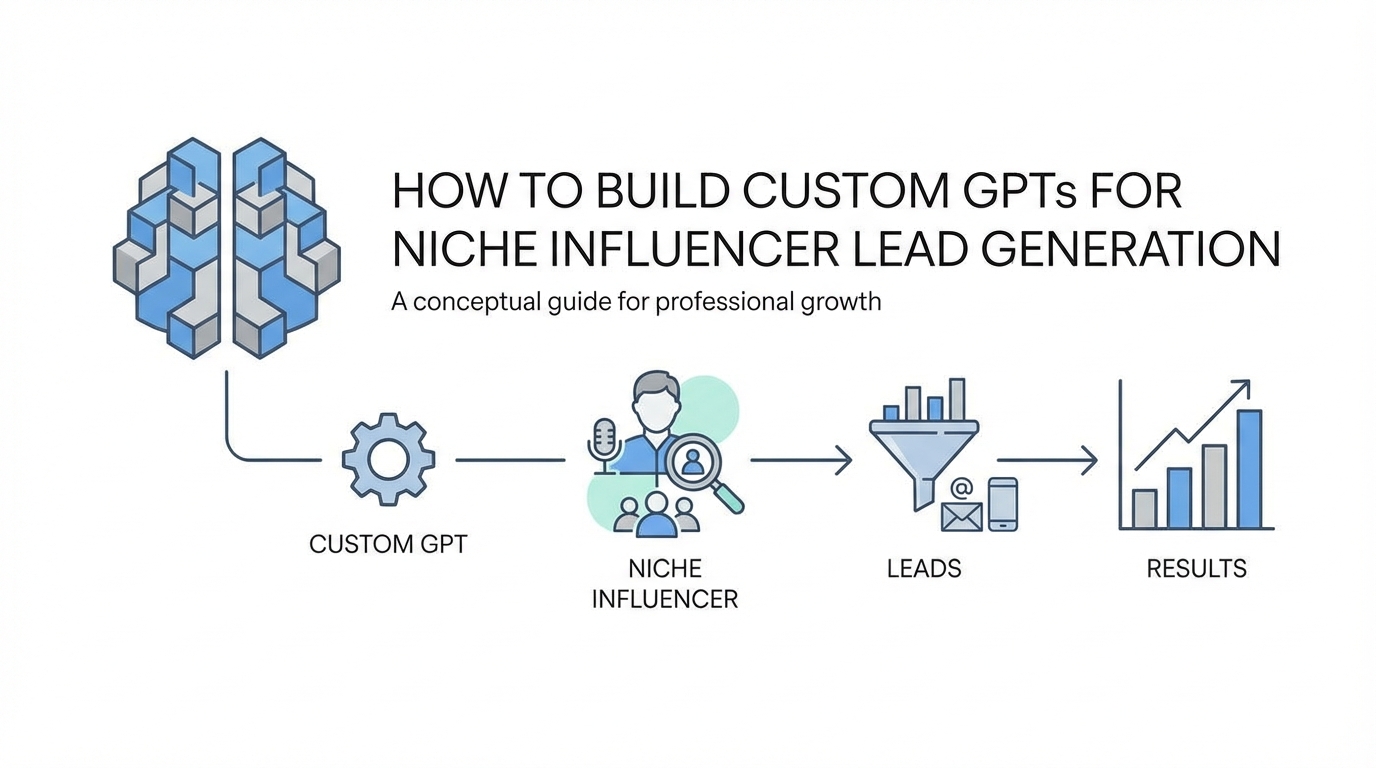
In the early 2010s, the golden ticket to passive income was the niche directory. Whether it was a list of coworking spaces for digital nomads or a database of gluten-free restaurants, these static websites dominated search results by aggregating valuable data. However, the internet is shifting. We are moving from a world of information retrieval to solution delivery. Today, users don't want to browse a list of 500 influencers; they want an AI to tell them exactly which three are the best fit for their specific campaign. This transition is fueling one of the most exciting ai startup ideas 2025: transforming static data into conversational custom GPTs that act as high-intent lead magnets.
The Evolution of Niche Directory Websites
For years, platforms like Nomad List proved that aggregating public data into a clean, filterable interface could build a multi-million dollar business. But as Steph Smith highlights, once information becomes digitized, the next logical step is making it actionable. A static directory requires the user to do the hard work of filtering, comparing, and deciding. A custom GPT, on the other hand, removes that friction. Imagine a user asking, "I have $1,000 and I want to live somewhere with great surfing and fast Wi-Fi in October." Instead of clicking through filters, the AI provides a curated recommendation instantly.
This shift is critical because static landing pages are becoming outdated. The "subscribe to my newsletter" call-to-action is facing massive fatigue. As Greg Isenberg notes, users are increasingly hesitant to give up their email addresses for generic updates, but they will gladly trade their contact information for a bespoke solution or a high-value insight generated by an AI tool. By learning how to make a custom gpt that leverages proprietary data, you move from being a simple data provider to an indispensable consultant.
Why Specialized Data is Your Only Moat


A common mistake when exploring ai lead generation is relying solely on the base knowledge of LLMs like GPT-4 or Claude. If your custom GPT only knows what the public version of ChatGPT knows, you don't have a business; you have a wrapper. To build a defensible AI business, you must feed the model specialized, proprietary, or highly curated data that isn't easily accessible to the general public. This could be anything from deep-dive analysis of niche internet trends to a private database of creator engagement rates.
When you provide specialized data, you create a "knowledge moat." For example, a GPT designed for influencer marketing lead generation is significantly more valuable if it includes historical ROI data from past campaigns rather than just a list of follower counts. This is why niche directory websites that have spent years collecting data are perfectly positioned to pivot into the AI space. They already own the raw materials; they just need a better interface to serve them. Specialized data allows the GPT to provide nuances that general models miss, making the leads generated through these tools much higher in quality and intent.
Case Study: The Legal GPT Lead Gen Machine
One of the most effective ways to monetize custom gpts is through high-ticket lead generation. Take the example of a lawyer who identified a gap in how small business owners handle contracts. Instead of writing blog posts about contract law, they built a custom GPT trained on specific legal frameworks and common contract disputes. Users come to the GPT to ask questions like, "Does this non-compete clause hold up in California?"
The GPT provides an initial, highly accurate answer based on the specialized data provided by the lawyer. At the end of the interaction, the AI suggests, "While this is a general analysis, you should have a professional review this. Would you like to schedule a consultation with our firm?" This is ai lead generation at its finest. The user has already received value, the lawyer has demonstrated expertise through the AI, and the transition to a paid service is seamless. This professional is reportedly buying up top-ranking legal GPTs from other developers because the cost per lead is significantly lower than traditional Google Ads.
Playbook: Building a Custom GPT in 30 Minutes
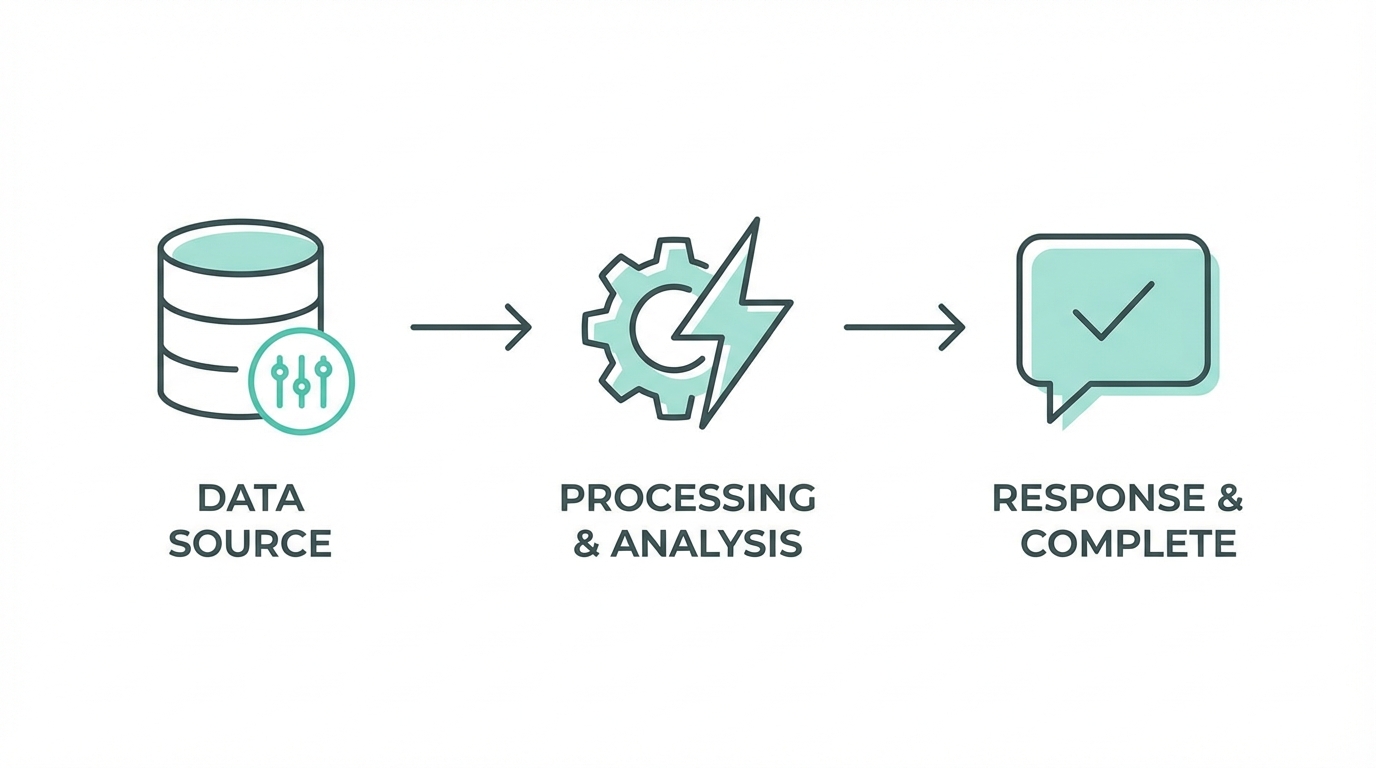
Building a custom GPT does not require a computer science degree. With the modern stack, you can go from an idea to a functioning lead magnet in under half an hour. Follow these steps to build yours:
Step 1: Aggregate Your Proprietary Data
Collect the information that will make your GPT unique. This could be a CSV of niche influencers, a PDF of your most successful consulting frameworks, or an export of data from Stormy AI regarding creator performance metrics. The goal is to have a clean set of documents that the GPT can use as its primary knowledge base.
Step 2: Configure the GPT Builder
Go to the OpenAI GPT Builder and define the instructions. Be specific. Instead of saying "You are a marketing assistant," say "You are a specialized UGC strategist who helps mobile app developers find creators with high conversion rates in the fitness niche." Upload your data files to the 'Knowledge' section. This ensures the model prioritizes your data over its general training.
Step 3: Define the Lead Capture Trigger
Integrate a call-to-action within the GPT's persona. Instruct the model to offer a deeper resource—like a detailed audit or a discovery call—after it provides the initial answer. You can use tools like Zapier to connect your GPT to your CRM, ensuring every lead is captured instantly.
Strategies for Monetizing Custom Gpts
Once you have mastered how to make a custom gpt, the next step is revenue. While the GPT store offers some revenue sharing, the real money is made through secondary monetization channels. Affiliate marketing is a prime candidate. If you build a GPT for health and fitness, you can naturally recommend supplements or equipment. For instance, if a user asks for a workout plan, the GPT can include links to specific products on Amazon or niche supplement brands.
Another strategy is direct lead sales. If your GPT helps users find creators, you are sitting on a goldmine of data. Companies are willing to pay a premium for "warm" leads who have already interacted with an AI and expressed a specific need. To manage these creator relationships at scale, tools like Stormy AI are invaluable. Stormy allows you to vet the influencers your GPT recommends, ensuring that the leads you sell are backed by real engagement and audience quality metrics. This professional-grade vetting turns a simple AI experiment into a legitimate marketing agency service.
The Future of AI Agents and Influencer Discovery
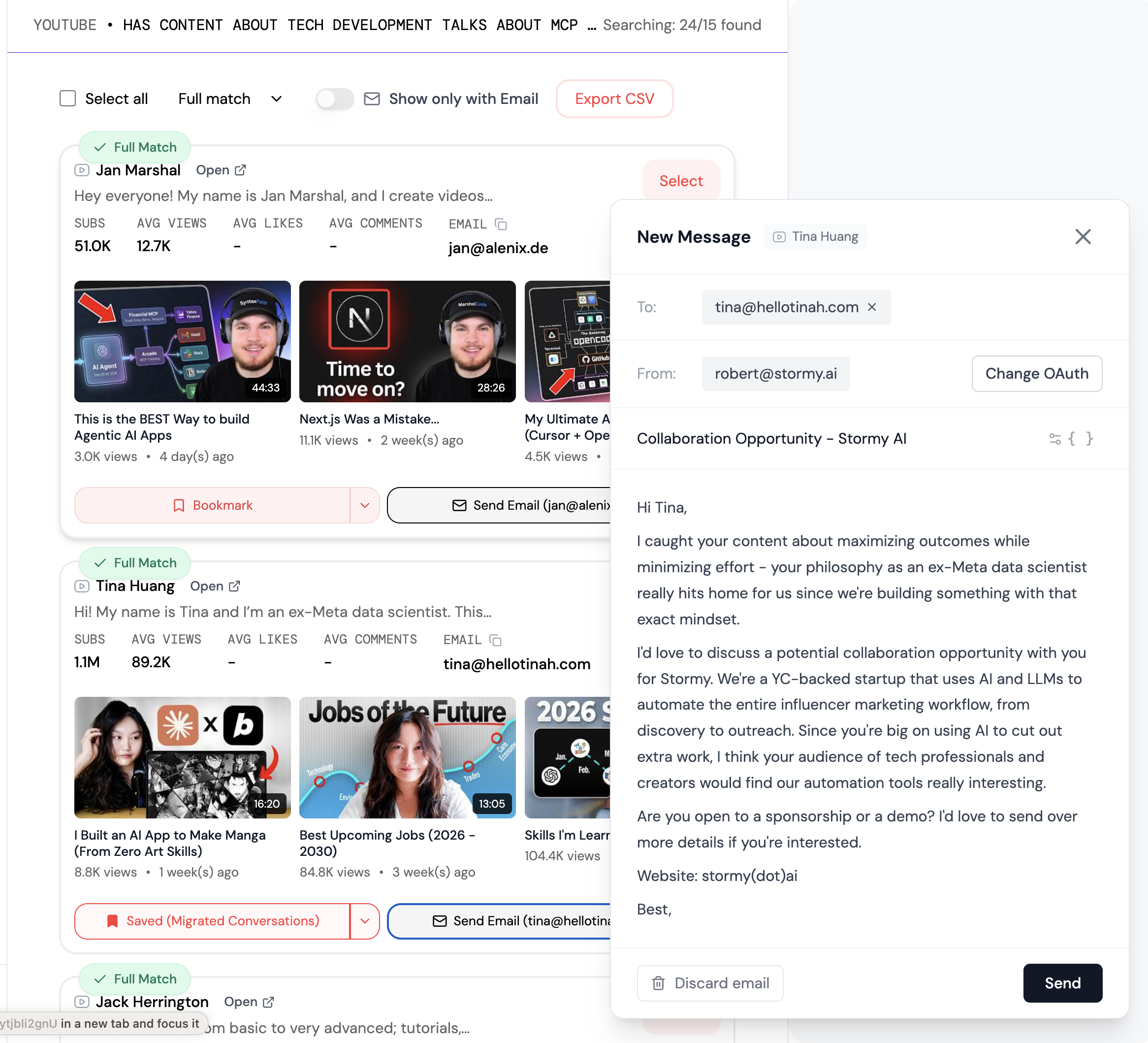
As we look toward ai startup ideas 2025, the trend is moving away from simple chatbots toward autonomous AI agents. These agents don't just answer questions; they perform tasks. In the world of influencer marketing, this means an agent that can not only identify the right creators but also handle the initial outreach and negotiation. For brands, this level of automation is the holy grail of scaling UGC campaigns.
Platforms like Stormy AI are leading this charge by offering AI-powered search across TikTok, YouTube, and Instagram, paired with automated outreach tools. By combining a custom GPT as your "front-end" lead magnet with a robust platform like Stormy as your "back-end" execution engine, you can build a fully automated agency. You use the GPT to attract clients by showing them the power of your data, and then use Stormy to fulfill the actual marketing work—searching, vetting, and contacting creators while you sleep.
Conclusion: Building Your AI Moat
The opportunity to monetize custom gpts lies in the intersection of specialized data and user convenience. By moving away from niche directory websites that offer static lists and toward interactive AI tools that solve specific problems, you can capture higher-quality leads and build a more defensible business. Whether you are a lawyer generating consulting leads or a marketer building an influencer discovery engine, the playbook is the same: own the data, simplify the solution, and automate the execution. The year 2025 will belong to those who treat AI not just as a novelty, but as the core engine of their lead generation strategy.