In 2026, the most successful ecommerce founders aren't just selling products; they are owning the entire customer journey by providing free, high-value utility. While your competitors are fighting rising CPAs on Meta Ads Manager, the smartest operators are building "boring" AI-powered websites that print money and drive massive organic traffic to their brands. We're talking about simple tools like a Shopify AI tools suite or a specialized Amazon FBA profit calculator that solve a specific problem for your target audience.
This strategy, often referred to as "utility marketing," allows you to capture users at the exact moment they are researching a purchase or calculating their business costs. By using 2026's latest "vibe coding" technology, you can deploy these tools in minutes without writing a single line of code. Best of all, once these tools start ranking, an AI ecommerce employee like Stormy AI can handle the back-office operations, monitoring traffic spikes and managing the follow-up inquiries that these sites inevitably generate.
The Opportunity: Utility Sites vs. Product Pages
Discover why utility websites offer a massive passive income opportunity over product pages.
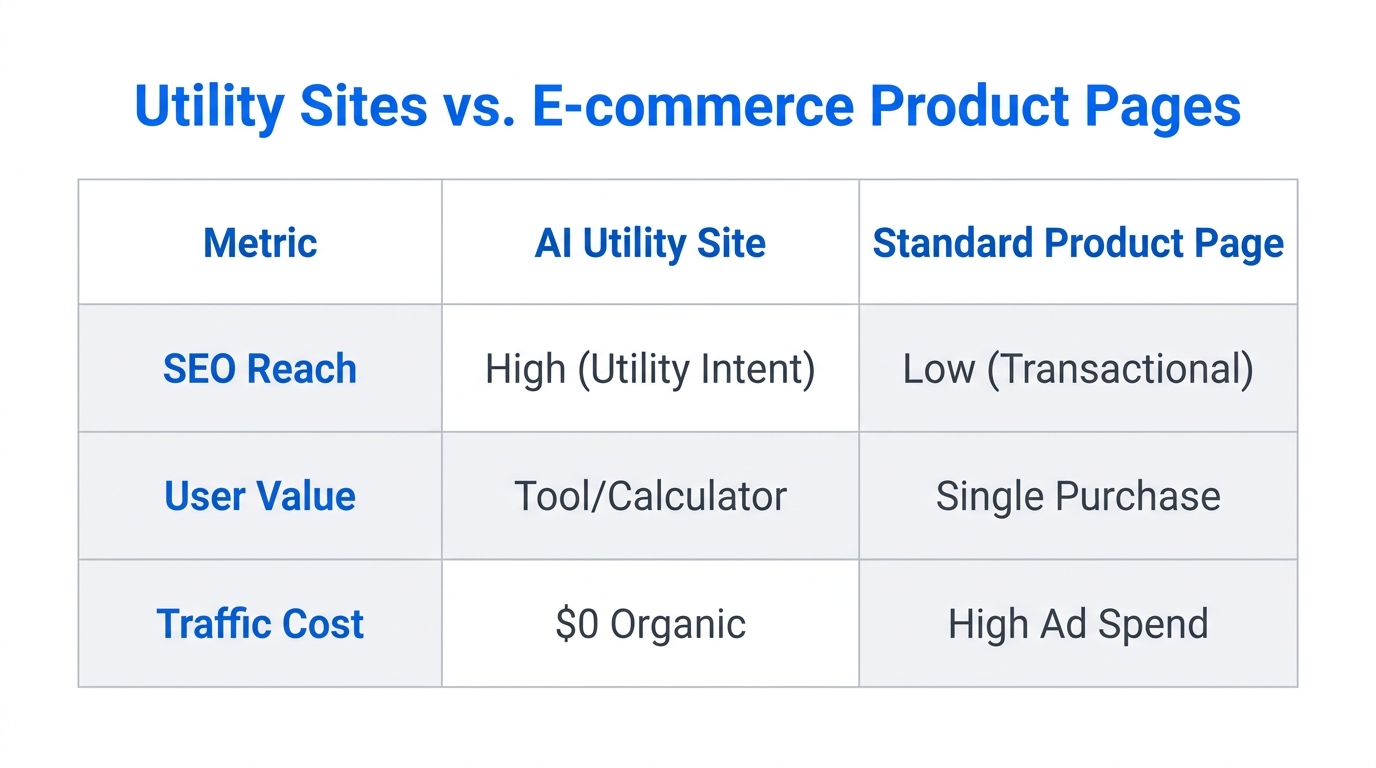
In the current 2026 landscape, attention is the most expensive commodity. Websites like speedtest.net or timeanddate.com generate millions in monthly revenue simply by providing a free service supported by Google AdSense. For an ecommerce brand, a utility site serves a dual purpose: it generates secondary ad revenue and acts as a massive top-of-funnel lead generator for your Shopify or Amazon Seller Central listings.
"The most profitable websites in 2026 don't sell products; they sell solutions to boring problems, then monetize the attention."
Third-party estimates from resources like Similarweb show that high-utility sites can reach over 133 million visitors per month, with RPMs (revenue per mille) ranging from $5 to $25 depending on the niche. If you are in a high-value niche like finance, tech, or business logistics, these "boring" tools can generate between $2,000 and $10,000 in monthly passive income while simultaneously funneling qualified buyers to your store.
Step 1: Identifying High-Volume Ecommerce Utility Niches
Learn how to identify high-volume niches using AI tools for maximum traffic potential.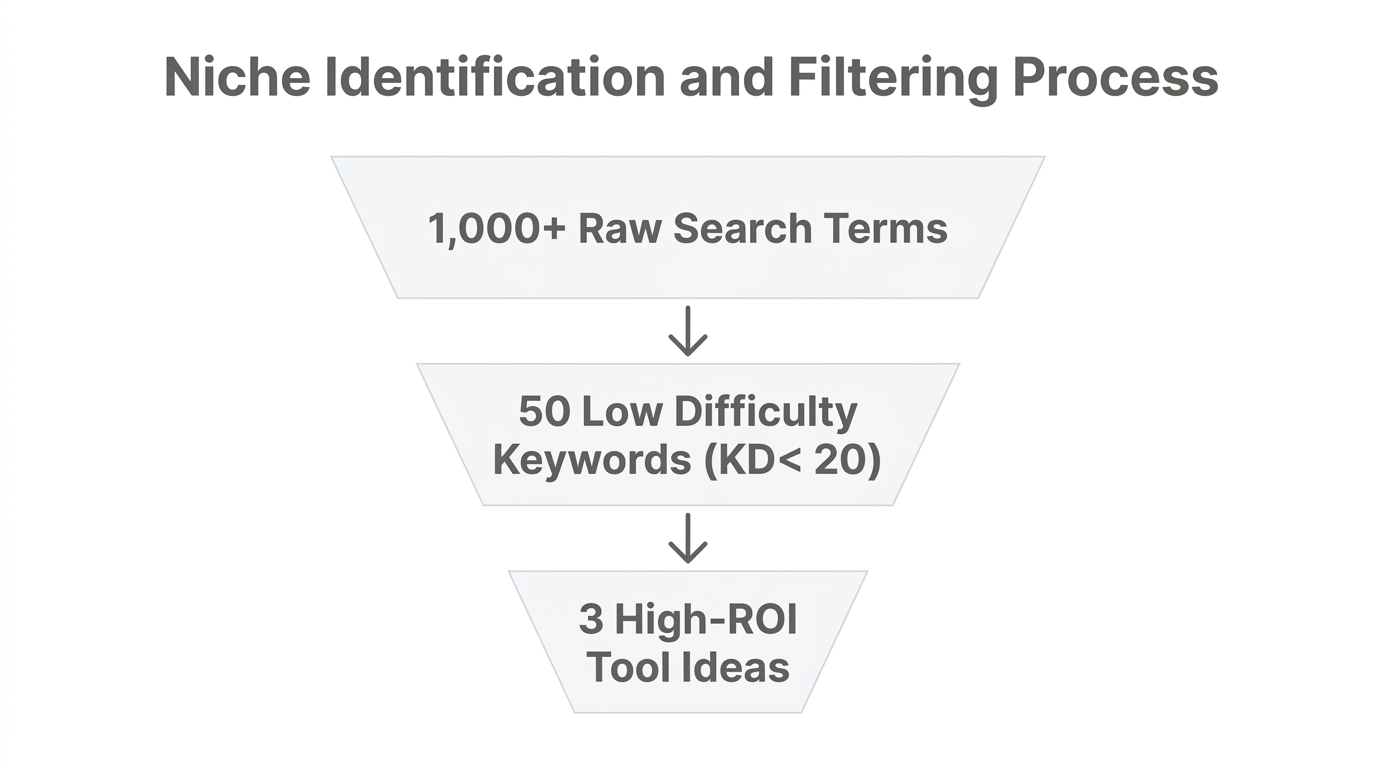
Before you build, you must validate the demand. You aren't looking for a generic tool; you are looking for an evergreen demand in a sub-niche with high search volume and manageable competition. You should aim for niches with between 100,000 and 1,000,000 monthly searches.
High-Value Utility Ideas for 2026:
- Amazon FBA Profit Calculator: Specifically for niches like hazardous materials or oversized goods.
- Shopify VAT/Sales Tax Estimator: Helping cross-border sellers navigate 2026 tax regulations.
- Shipping Cost Predictor: Integrating real-time data from ShipBob or ShipStation benchmarks.
- Influencer Rate Calculator: A tool for brands to estimate what to pay creators on TikTok or Instagram.
Once you've identified a niche—for example, a "Contractor Take-Home Pay Calculator" for UK-based business owners—you can use an LLM like ChatGPT to refine the requirements and ensure the tool covers all necessary 2026 tax codes and legal nuances.
Step 2: Vibe Coding with Hostinger Horizon Tutorial
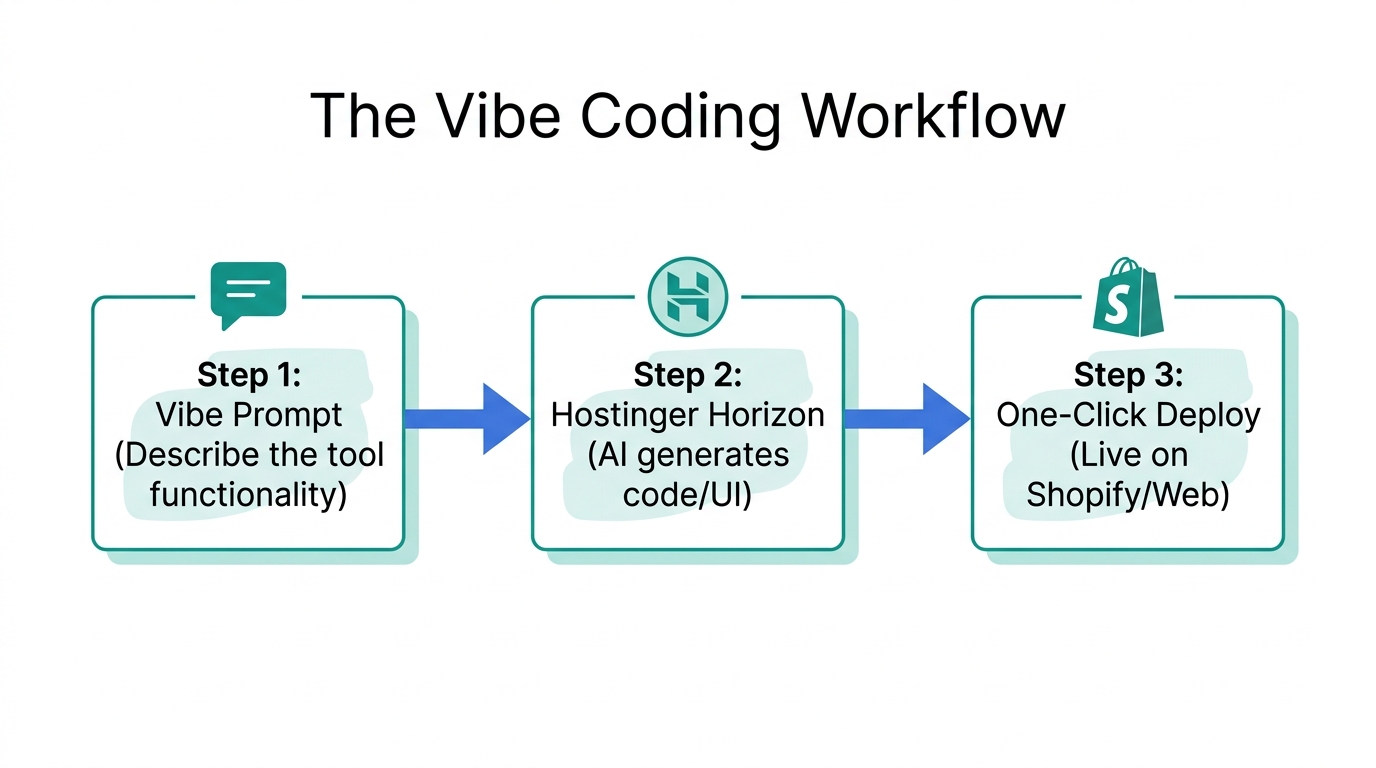
In 2026, we have moved past manual development. We are now in the era of vibe coding for business. This means you describe the "vibe" and functionality of your tool to an AI, and it builds the application in real-time. The best platform for this is Hostinger.
The 5-Minute Build Playbook:
- Choose Your Plan: Select the starter plan on Hostinger. It’s roughly $10/month and allows you to build multiple utility sites.
- Open the Horizon Vibe Coding Agent: In your dashboard, click "Start Building" and enter the Horizon interface.
- Provide the Master Prompt: Use an LLM to generate a technical prompt. For example: "Build an SEO-friendly Amazon FBA profit calculator that includes fields for storage fees, referral fees, and advertising costs using 2026 Amazon fee schedules."
- Iterate and Refine: Horizon will generate a preview. If something looks off, simply tell the AI: "Make the buttons larger" or "Add a breakdown for IR35 status." This is the essence of vibe coding.
- Connect a Custom Domain: Use your free domain included with the Hostinger plan. A name like "FBAProCalc.com" is better for SEO than a generic subdirectory.
While Horizon builds the frontend, you can have Stormy AI monitoring your Shopify store in another tab, ensuring that as you build new traffic funnels, your core operations remain stable and automated.
Step 3: Integrating Google AdSense for Secondary Revenue
Step-by-step guide to setting up Google AdSense and monetizing your AI utility tool.Once your utility tool is live, it's time to turn it into a revenue-generating asset. Google AdSense is the industry standard for monetizing high-traffic utility pages.
| Niche Category | Estimated Monthly Searches | Typical RPM (2026) | Potential Monthly Revenue |
|---|---|---|---|
| Finance/Tax Tools | 500,000+ | $15 - $25 | $7,500 - $12,500 |
| Ecommerce Logistics | 250,000+ | $10 - $18 | $2,500 - $4,500 |
| Marketing/Ad Calculators | 100,000+ | $12 - $20 | $1,200 - $2,000 |
To integrate AdSense, simply go to your AdSense dashboard, add your site, and copy the auto-ads code. Instead of fumbling with header tags, you can paste the code directly into the Hostinger Horizon chat and say: "Add this AdSense code between my header tags." The AI agent handles the deployment instantly.
Step 4: The 2026 SEO Playbook for Utility Ranking
Creating the tool is only half the battle. To drive ecommerce utility websites to the top of Google, you need a robust SEO strategy. In 2026, Google prioritizes E-E-A-T (Experience, Expertise, Authoritativeness, and Trustworthiness), and utility tools are a massive signal of authority.
Technical SEO Checklist:
- Schema Markup: Ensure your tool uses the "SoftwareApplication" schema so it appears with rich snippets in search results.
- Google Search Console: Verify your domain in Google Search Console immediately to monitor indexing and fix URL errors.
- Backlink Outreach: Reach out to industry blogs and newsletters like Beehiiv or Klaviyo experts. Tell them you have a 100% free tool they can link to in their next guide.
"Backlinks are the currency of the web. A single link from a high-authority ecommerce blog can jump your utility tool from page 10 to page 1 overnight."
This is where Stormy AI becomes invaluable. You can ask Stormy to "Find the top 50 blogs talking about Amazon FBA taxes and draft a personalized outreach email offering them our free calculator for their readers." Stormy handles the discovery and the initial outreach in the background while you focus on brand strategy.
Step 5: Managing the Back-Office with Stormy AI
As your utility tools gain traction, they will generate more than just ad revenue. They will generate customer inquiries, lead signups, and partnership requests. Attempting to manage this manually is the fastest way to burn out. This is why you need an AI ecommerce employee.
Stormy AI isn't just a chatbot; it's an autonomous agent that can use your browser, spreadsheets, and inbox to keep your operation running. Here is how Stormy manages your new utility empire:
- Spreadsheet Ops: Stormy creates a dynamic spreadsheet to track every lead that uses your tool. If a user calculates their Amazon FBA profit and leaves an email, Stormy adds them to your "High-Intent Leads" sheet.
- Inventory Monitoring: If your utility tool links to a specific product on Shopify, Stormy monitors stock levels. If you're running low, Stormy flags the stockout risk before the utility site sends you more traffic than you can handle.
- Email Follow-ups: When someone asks a question via the tool's contact form, Stormy reads the thread in Gmail or Gorgias and drafts an on-brand reply for your approval.
- Ad Audits: Every Monday, Stormy can pull your Google AdSense reports and compare them against your Google Ads spend to give you a true P&L of your utility strategy.
Realistic Timeline and Success Metrics
A realistic breakdown of your potential earnings from month three to one year.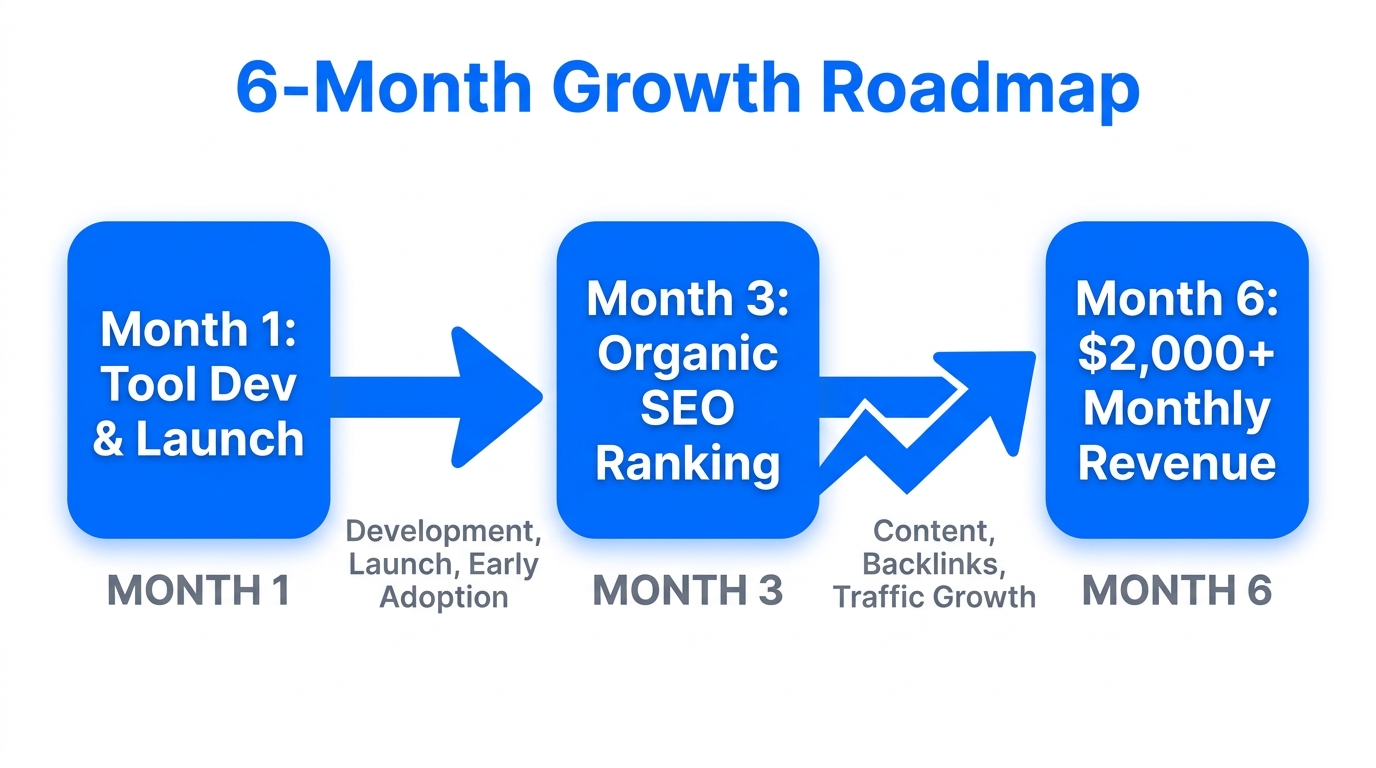
Building Shopify AI tools and utility sites is a long-term play. It’s not a get-rich-quick scheme, but rather a compounding asset strategy for your DTC brand.
- Month 1: Build 3-5 utility sites using Hostinger. Focus on narrow niches with high intent.
- Month 3: Initial SEO traction. You should see your first $50 - $200 in AdSense revenue and a noticeable uptick in organic traffic to your main store.
- Month 6: With a solid backlink strategy (run by Stormy AI), revenue can scale to $500 - $2,000 per month per site.
- Month 12: You now own a network of authority sites generating $5,000 - $10,000+ monthly, providing a permanent "moat" around your ecommerce business.
The Future of Ecommerce is Utility
The days of relying solely on paid ads are over. In 2026, the brands that win are those that provide free value first. By combining the power of vibe coding through Hostinger with the autonomous operational power of Stormy AI, you can build a massive, automated lead-generation engine that pays you to acquire customers.
Start today by identifying one "boring" problem your customers face. Vibe code the solution, deploy it, and let your AI ecommerce employee handle the rest. The tools are here; the only thing left is to build.