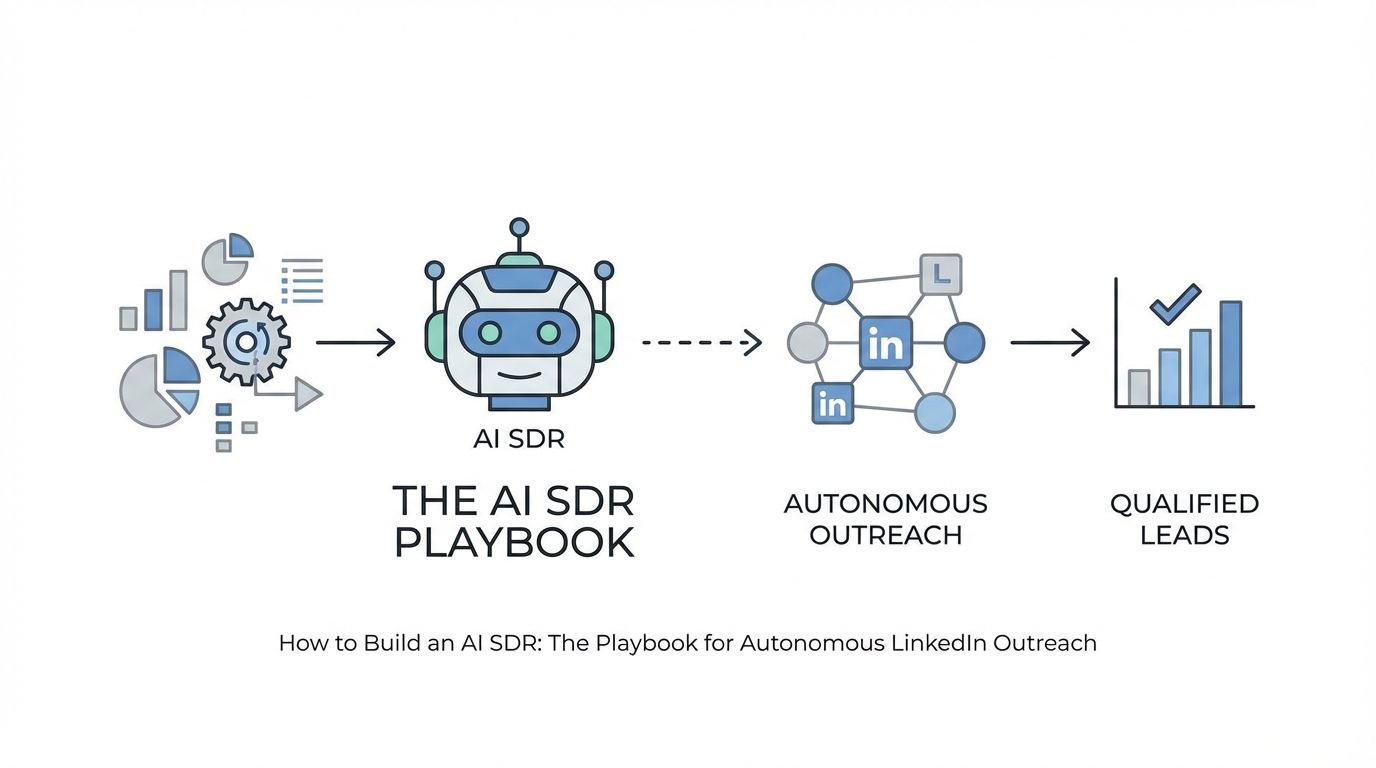
The traditional outbound sales model is facing a quiet crisis. Most companies realize that outbound lead generation is essential for growth, yet research suggests that a vast majority of professionals fail at it. They fail because manual outreach is exhausting, and existing LinkedIn automation tools often feel 'cringe' or robotic. However, we have entered the 'Macintosh moment' of AI sales agents. We are moving away from complex terminal-style coding and into an era where you can build a fully autonomous outreach engine using plain English. By leveraging the power of 'Computer Use' technology, brands are now bypassing the limitations of traditional APIs to create AI SDR systems that think, navigate, and communicate like high-performing humans.
The Death of Manual Outreach and the 'Cringe' Factor
For most founders and sales leaders, the hurdle to successful outreach isn't just time—it is the psychological barrier of subjective quality. Manual outreach on LinkedIn is often avoided because it feels awkward to strike up a conversation without a warm introduction. According to industry insights from the Startup Ideas Podcast, even the most disciplined entrepreneurs admit they avoid DMing prospects because of this perceived 'cringe' factor. This hesitation creates a massive bottleneck in the sales funnel, leaving potential revenue on the table simply because the human effort required to scale personalized messaging is too high.
Standard LinkedIn automation tools have historically tried to solve this, but they often rely on rigid templates that prospects can spot from a mile away. When a lead receives a message that feels automated, the relationship is dead before it begins. The goal of a modern AI SDR is not just to send more messages, but to maintain the nuance of a human-to-human connection at a scale that was previously impossible. By using platforms like Lindy AI, companies are now deploying agents that can research a profile, reference a specific podcast episode or achievement, and craft a message that feels genuinely personal.
Computer Use: Why It Beats Traditional APIs
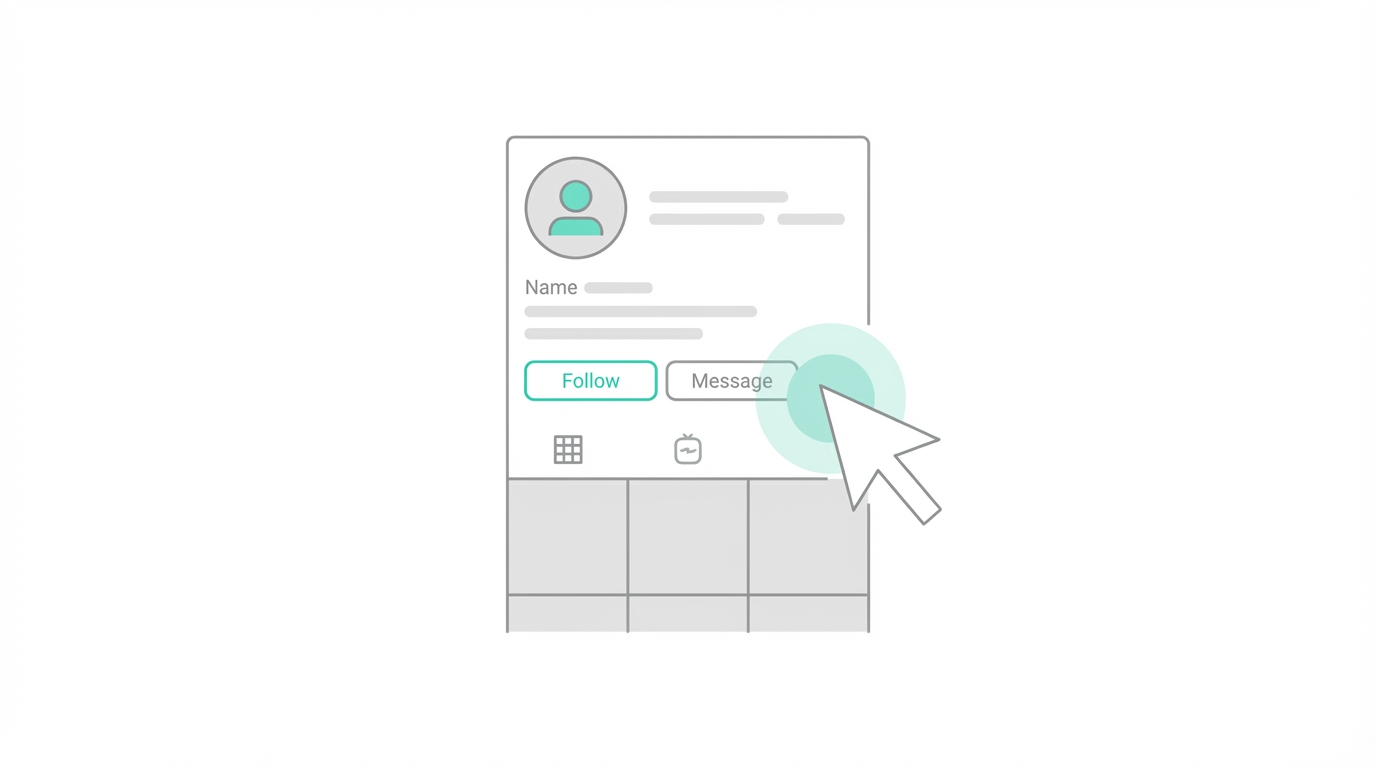
One of the most significant breakthroughs in outbound lead generation is the shift toward 'Computer Use.' Historically, if you wanted an automation tool to interact with a platform like LinkedIn, you were at the mercy of their official APIs. These APIs are often restricted, expensive, or entirely non-existent for certain features. For example, in highly regulated industries like healthcare, systems like Epic EMR charge upwards of $100,000 for API access and require year-long reviews. Computer Use technology allows an AI SDR to 'see' the screen and interact with the user interface just as a human would, clicking buttons and typing text without needing a back-door technical integration.
This capability is a game-changer for AI sales agents because it allows them to navigate the complexities of social platforms. If a prospect has their DMs disabled but is reachable via a 'Follow' or 'Message' button through a LinkedIn Sales Navigator or recruiter account, the agent can recognize this visual layout and adjust its strategy in real-time. By operating through a browser session monitored by the user, these agents can fulfill tasks across Stripe, Shopify, and CRM tools, creating a seamless workflow that traditional software could never replicate.
The Playbook: Building Your AI SDR in Under Five Minutes
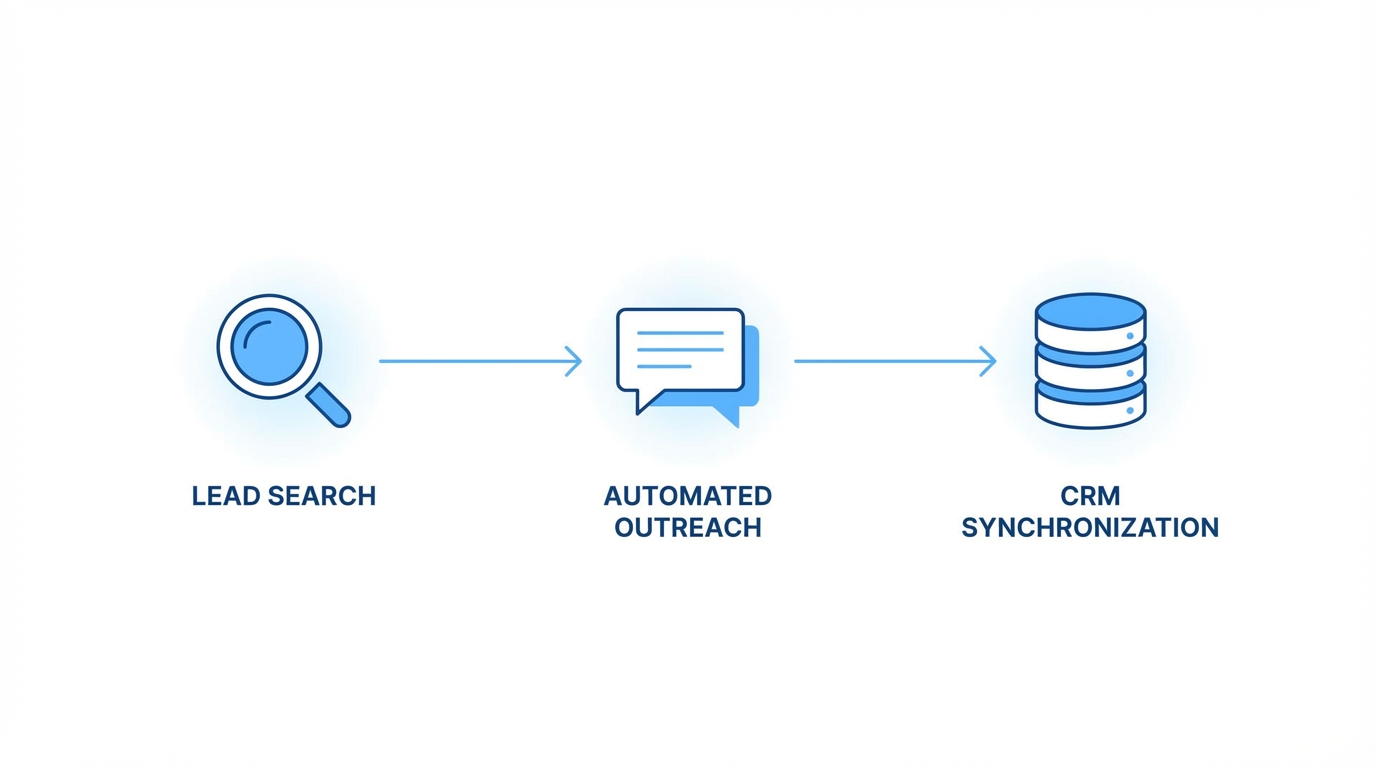

Building a high-performing AI SDR no longer requires a degree in computer science. The new wave of agent builders allows you to describe a workflow in plain English and watch the agent build itself. Here is the blueprint for setting up an autonomous outreach agent that actually converts.
Step 1: Define the Trigger and Data Source
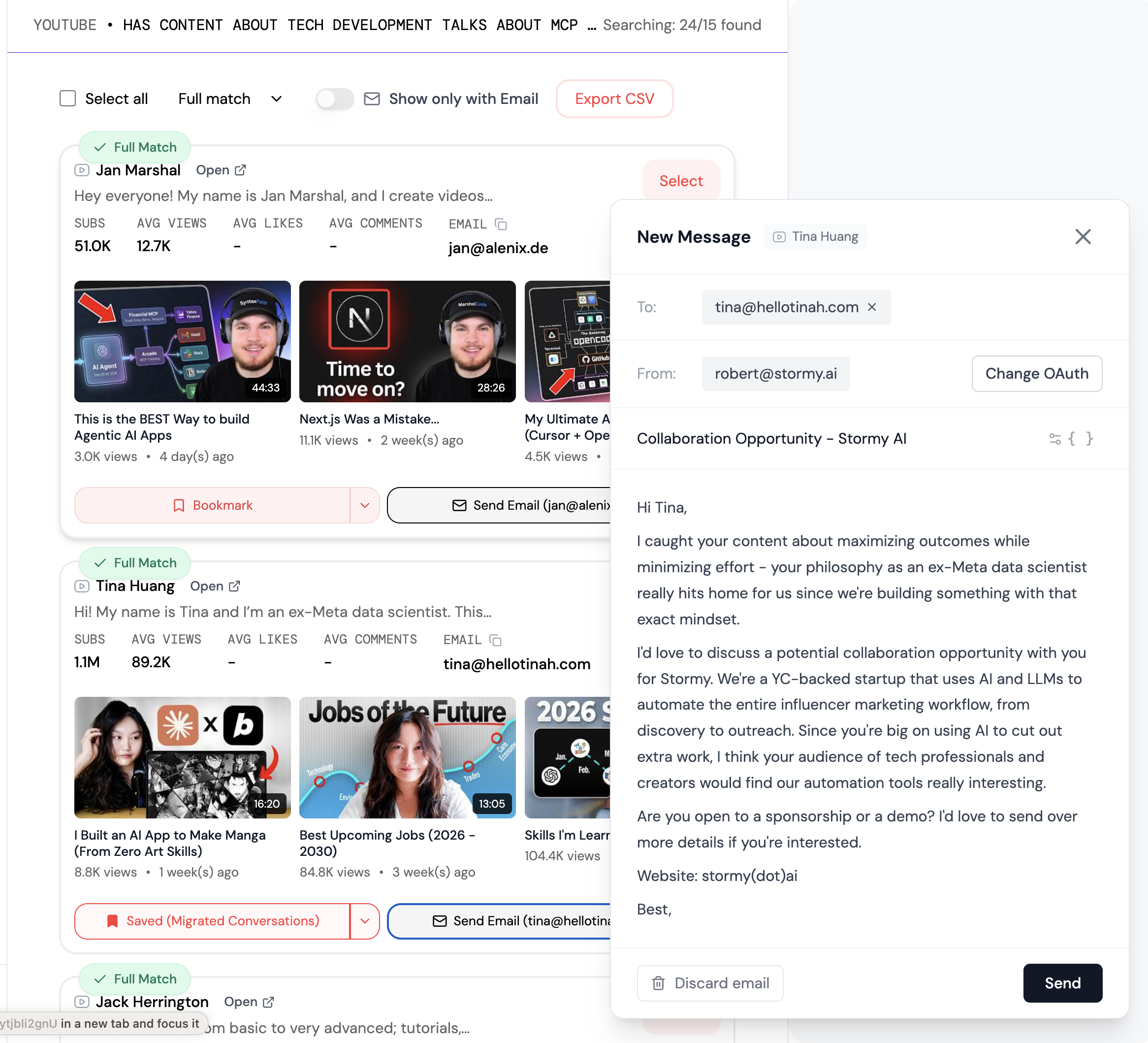
Every agent needs a starting point. This could be a Notion database update, a new lead in your CRM, or a simple Slack command. You might instruct your agent: 'When I send you a LinkedIn profile URL, I want you to start a research task.' For businesses looking to scale this further, platforms like Stormy AI can help source and discover creators or prospects at scale using AI-powered search, providing a high-quality list of profiles for your agent to process.
Step 2: Natural Language Instructions
Instead of writing code, you talk to the agent like an intern. Tell it exactly how to behave. For instance, you might say: 'Research this person's latest posts on LinkedIn. Look for mentions of their recent business growth or specific pain points. Then, draft a DM asking if they would be interested in our services, but make sure to reference a specific detail from their profile so it doesn't look like a template.'
Step 3: Deploy Computer Use for Execution
Once the copy is drafted, the agent uses a computer session to log into your account. It navigates to the profile, checks if the message button is available, and handles the manual 'heavy lifting.' If you are running multiple campaigns across TikTok or Instagram, your agent can even toggle between platforms to find the best way to reach a prospect.
Step 4: Human-in-the-Loop Vetting
For high-stakes sales, never go fully 100% autonomous without a 'vibe check.' Set your AI SDR to 'Draft Mode.' The agent will notify you in Slack or email: 'I have prepared this message for Greg. Should I send it?' This allows you to maintain control over the subjectivity of the conversation while the AI handles 95% of the research and navigation.
The Nurture Engine: Reviving Lost Deals Without the Effort
In sales, a win rate of 25-30% is considered excellent, which means 70% of your leads are 'lost.' However, these 'lost' leads are often your best future customers. An AI SDR can be programmed to monitor these leads indefinitely. By tracking your company's internal wins and product updates, the agent can reach back out to a lost lead when the timing is perfect. If you just closed a major client in the finance sector, your agent can automatically message other finance leads you lost months ago, citing the new case study as a reason to reconnect.
This 'event-based' nurturing is incredibly powerful. Imagine an agent that monitors your Google Ads performance or competitor news. If a competitor loses a key feature or raises prices, your AI sales agents can immediately trigger an autonomous outreach campaign to their customer base. This creates a business that is constantly reacting to market conditions 24/7 while the human team focuses on closing deals.
Building the 'Factorio' Business Model
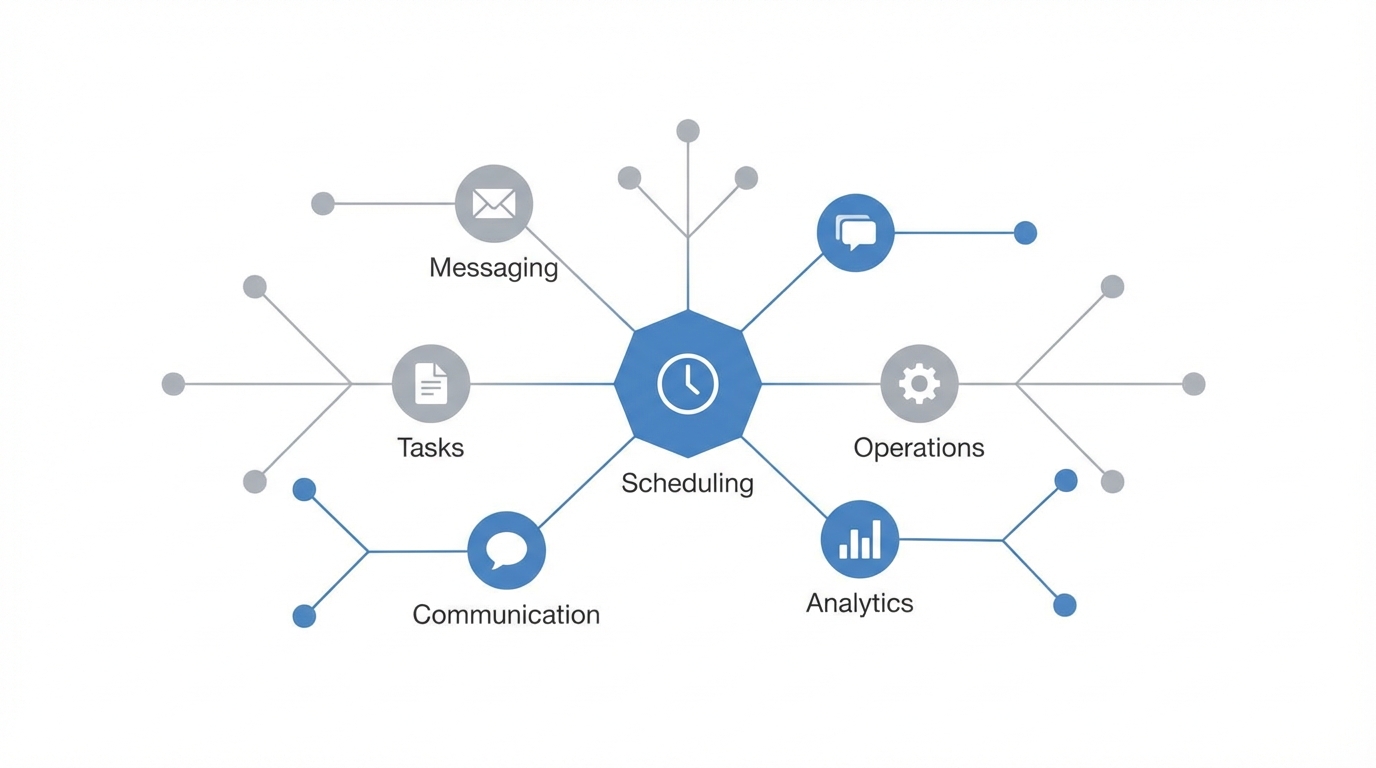
The ultimate goal of implementing an AI SDR is to move toward a 'Factorio' business model—a concept inspired by the Factorio game where the company is viewed as a series of automated pipelines. Just as a factory simulation requires you to automate resource collection to focus on expansion, a modern company should automate outbound lead generation to focus on strategy. This isn't just about saving money on virtual assistants or junior SDRs; it's about consistency. An AI agent doesn't get discouraged, doesn't slack off, and performs exactly the same way on message 1,000 as it did on message one.
As you scale, you can implement 'Agent Swarms.' This is where one master agent coordinates 20 sub-agents to handle different tasks—one for searching Meta Ads Manager for trends, another for scraping YouTube for creator contact info, and another for managing the Google Analytics reporting. By the time a human salesperson enters the chat, the lead is already qualified, nurtured, and ready to book a call on your calendar.
Conclusion: Start Small, Automate the Bottleneck
The path to a fully autonomous outreach system starts by identifying your biggest bottleneck. If you have a top-of-funnel problem, spend a few hours training an AI SDR on your brand voice and target persona. Use LinkedIn automation tools that leverage 'Computer Use' to ensure you aren't limited by APIs or rigid templates. Within 12 months, the most successful companies won't be those with the largest sales teams, but those with the most efficient agentic workflows. By integrating tools like Lindy AI for outreach and Stormy AI for creator discovery and automated outreach, you can build a self-sustaining growth machine that runs while you sleep.