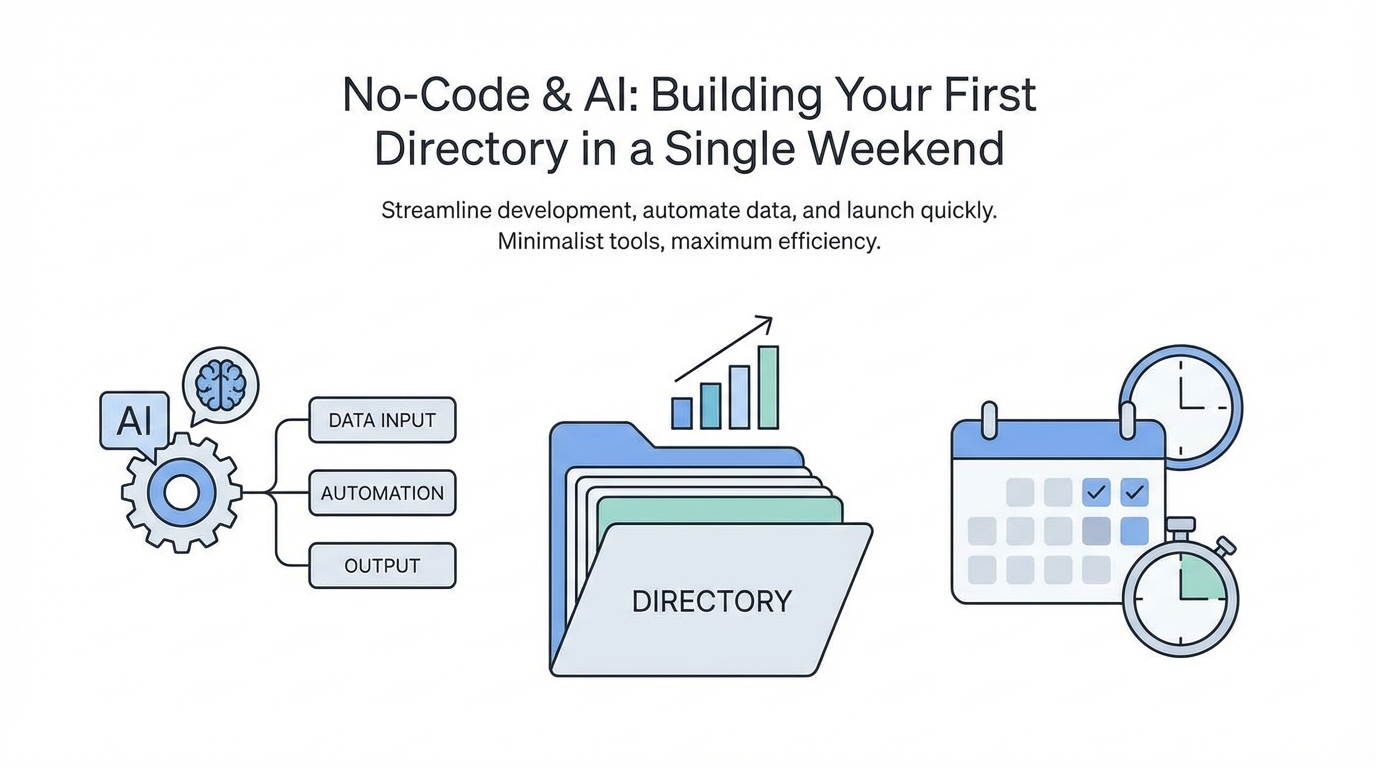
The internet is currently undergoing a massive shift. As the web becomes flooded with AI-generated noise, users are retreating from generic search results toward curated, high-quality information hubs. This is the Golden Era of Directories. Whether you are looking for the best nanny in London or the top SaaS tools for developers, people now want expert curation over algorithmic guesswork. Building a directory is no longer a months-long development project; thanks to modern no code directory software and AI directory builders, you can move from a blank page to a revenue-generating asset in a single weekend. This guide is your technical 'live cooking session' for launching a directory using lean startup methodology and AI power.
Why Directories are the Ultimate Low-Risk Startup
Many entrepreneurs fail because they spend months building a complex SaaS product only to realize nobody wants it. Directories flip the script. By following lean startup methodology, you focus on providing value through curation first. As John Rush, the "King of Directories," explains, directories are one of the lowest-risk ways to start a business because they solve the primary problem of the modern web: trust. When content is infinite, the person who filters the best content wins. Experts estimate that successful niche directories can generate anywhere from $5,000 to $20,000 in monthly recurring revenue (MRR) with minimal maintenance, as seen in various case studies on Indie Hackers.
Friday: The Foundation & Keyword Research
A successful directory isn't built on a "vibe"; it’s built on data. Your Friday night should be dedicated to finding a niche where people are actively searching but finding poor results. The goal is to find a high-intent keyword with a domain name that matches it perfectly.
Step 1: Use Google Keyword Planner
Start by spending a few hours in the Google Keyword Planner. This tool is designed for advertisers, but it is a goldmine for directory builders. Look for phrases like "small business ideas," "best local plumbers," or "Next.js starters." You want to find keywords with significant monthly volume (at least 10k-100k) and relatively low competition for organic search.
Step 2: Secure a Match-Based Domain
Google’s algorithm has evolved to understand meaning, but exact match domains or "near-match" domains still carry weight. If "businessideas.com" is taken, look for variations like "minibusinessideas.com" or "tinybusinessideas.com." The key is to keep the domain purchase cheap—under $10 on sites like Namecheap—and never buy an expensive premium domain for an unvalidated idea.
Saturday Morning: Building the MVD
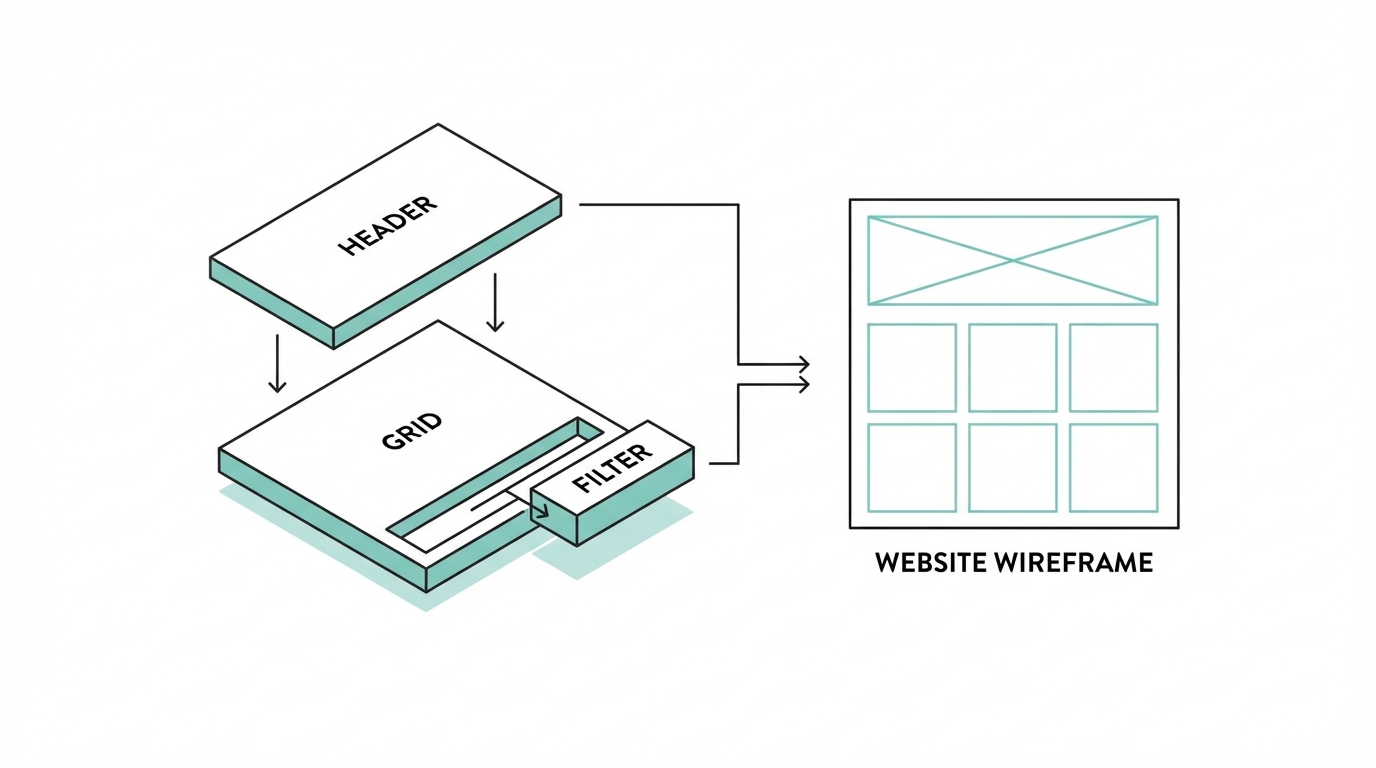
On Saturday, you move from research to execution. The most common mistake is over-engineering. To stay within the 48-hour window, you must build a Minimum Viable Directory (MVD). This means skipping complex features like user ratings, logins, or advanced search filters. At launch, the only thing that matters is the items.
Step 3: Choosing an AI Directory Builder
The fastest way to build is using no code directory software. Tools like Unicorn Platform have transitioned from simple landing page builders into powerful directory engines. These platforms allow you to build a website with ai by simply describing your niche. You can prompt the AI with: "Create a directory of side hustle ideas for students and indie hackers," and it will generate the structure, menu items, and initial text blocks automatically.
Saturday Afternoon: Scaling Data with AI
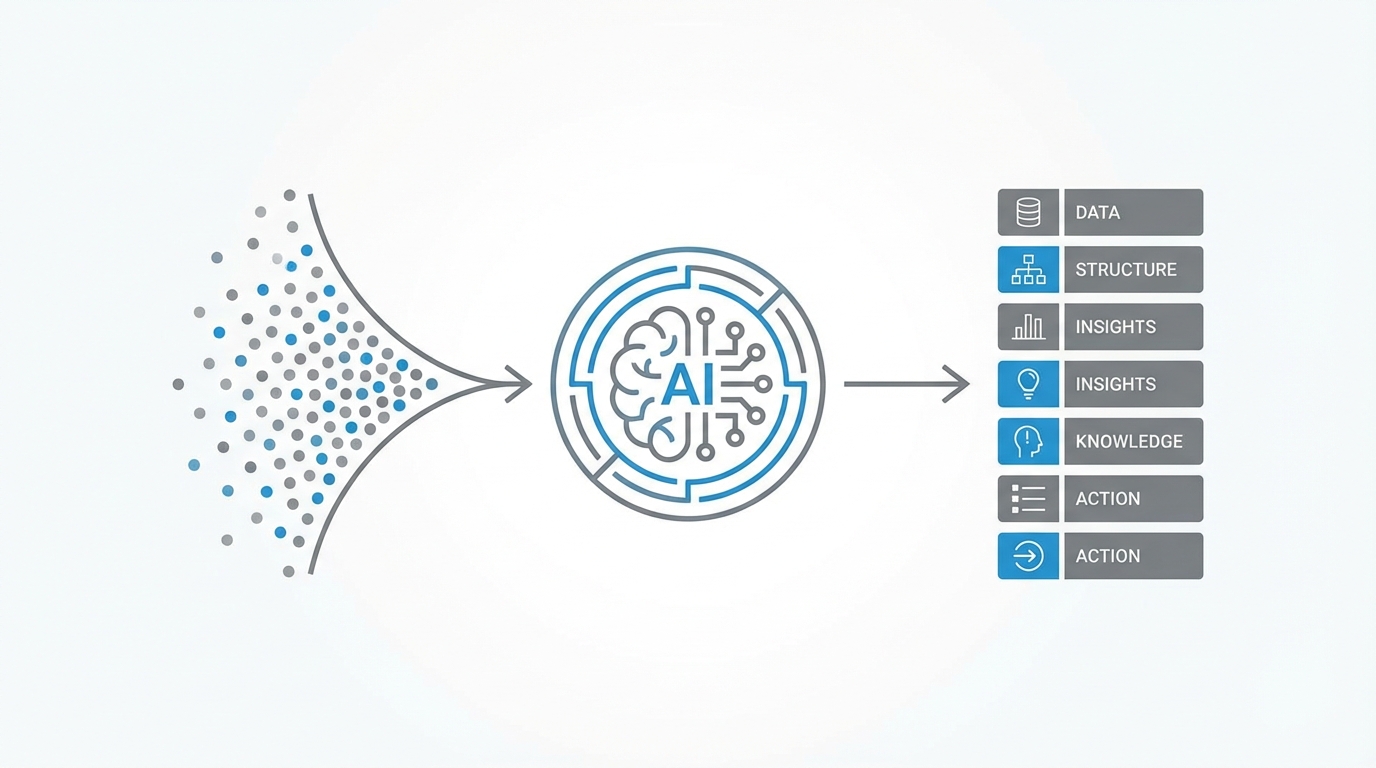

A directory is only as good as its data. While AI can help you generate initial lists, expert-level quality is what keeps users coming back. Use AI directory builders to draft descriptions, but perform a manual quality check to ensure you aren't missing industry staples (like missing Mistral in an AI model directory).
Step 4: The FAQ Strategy for SEO
To rank quickly, you need text that answers specific user queries. Go to Google Search and type "How do I [your niche]..." and look at the auto-complete suggestions. These are your FAQ items. Use AI to generate detailed answers for these specific questions (e.g., "How to start a business as a teenager"). Each FAQ item is a potential landing page for long-tail search traffic.
Sunday: Promotion & Distribution
Sunday is about validation. If you launch a directory and nobody clicks, the idea is likely a dud. You need to get your URL in front of real humans immediately to see if the "pain point" exists.
Step 5: The Reddit & Social Stealth Play
Go to Reddit and search for threads where people are asking for the very thing your directory provides. Do not spam. Instead, provide a helpful answer and mention your tool as a resource. If people are asking for "small business ideas," and you have a directory of 500 validated ideas, your link provides genuine value. Similarly, use social media to find viral threads. A well-placed reply on a Twitter thread can drive 30,000+ targeted visitors in a single day, which signals to Google that your site is authoritative.
As your directory grows, you may need to source more creators or tools to list. This is where influencer marketing tools become relevant. For example, if you are building a directory of TikTok creators for brands, platforms like Stormy AI can help you discover and vet creators at scale. You can use Stormy's AI search engine to find creators in specific niches and then use the built-in CRM to manage the relationship as you add them to your directory.
Monetizing Your Directory
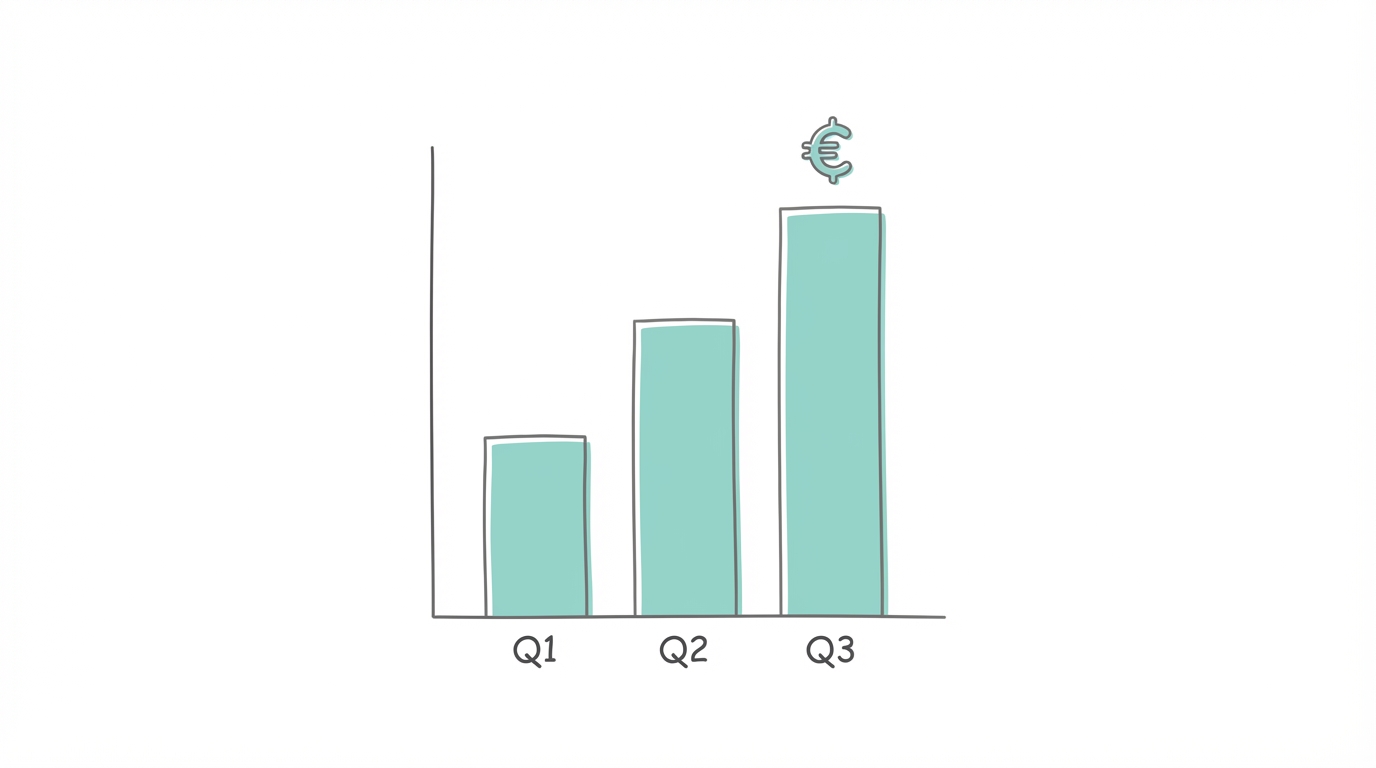
Once you hit a baseline of traffic—say, 5,000 visitors a month—you can begin to monetize. There are six primary ways to turn your weekend project into a cash-flow business:
- Featured Listings: Charge companies or individuals a fee (e.g., $50-$500) to be pinned at the top of the directory.
- Affiliate Links: If you list software or products, use affiliate links to earn a commission on every sale.
- Paywalled Access: Show a portion of the data for free, but charge for full access to contact details or premium insights.
- Brand Sponsorships: Sell banner space or "Sponsored by" tags to large corporate brands looking to reach your specific audience.
- Lead Generation: Charge for access to the users who are searching your directory.
- Indirect Monetization: Use the directory as a free traffic funnel for your main SaaS product or agency.
The 30-Day Rule for Success
After your weekend launch, stop working on the directory. Don't obsess over it for weeks. Instead, let it sit for 30 days and monitor the traffic in SimilarWeb or Google Search Console. If the traffic grows organically, invest more time into the data and SEO. If it stays flat, move on to the next idea. The beauty of the lean startup methodology is that you don't fall in love with the idea; you fall in love with the results.
For those looking to scale their SEO even further, services like Boring Marketing use AI to help outrank competitors through programmatic content. If you find a winning directory, this is the next step in professionalizing the asset. You can eventually list these assets for sale on marketplaces like Micro.io, where directories often sell for 20x to 40x their monthly profit.
Conclusion: Your Weekend Starts Now
Building a directory is the ultimate entry point for the modern entrepreneur. It requires no coding skills, minimal capital, and can be completed in just 48 hours. By focusing on keyword-driven ideation, using no code directory software, and leveraging AI directory builders for content, you can bypass the traditional struggles of a startup launch. Whether you use it to fund your life or as a funnel for other projects, a well-curated directory is a digital asset that grows while you sleep. Pick your niche, buy your domain, and start building today.