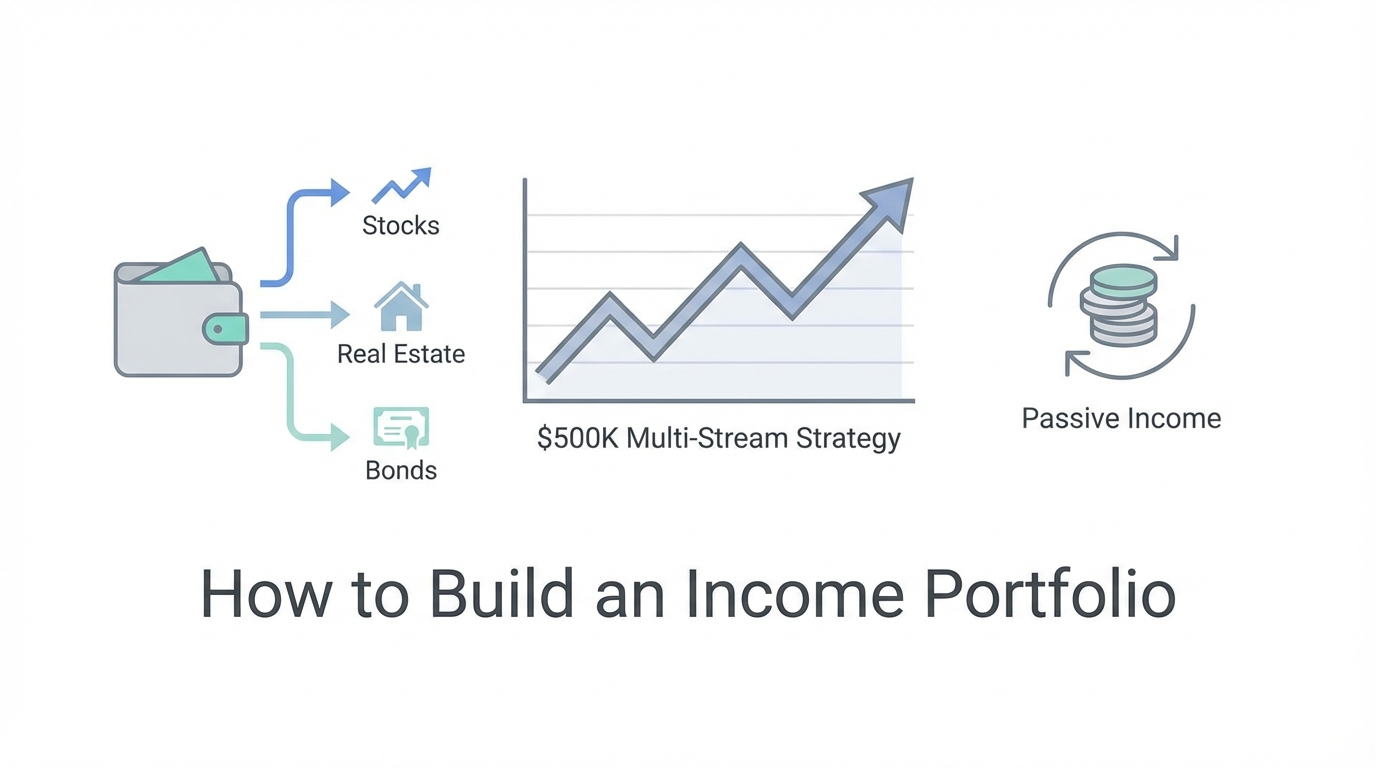
In the world of entrepreneurship, we are often sold the myth of the “unicorn”— the single, brilliant idea that strikes like lightning and changes everything overnight. We see the stories of founders who went “all-in” on one product, mortgaged their houses, and eventually sold for millions. While these stories are inspiring, they represent the exception, not the rule. For the vast majority of creators, the “one big bet” strategy is a recipe for high stress, financial instability, and inevitable burnout. There is a more sustainable, resilient way to win in the creator economy revenue landscape: building a diversified income portfolio of smaller, compounding projects that mitigate risk and maximize long-term wealth.
The Hidden Risks of the ‘All-In’ Founder Mentality

The traditional advice to focus on one thing until it succeeds sounds noble, but it ignores the reality of market dynamics. Most projects fail not because the founder lacks talent, but because of factors outside their control—timing, distribution, or shifting market sentiment. When you place all your emotional and financial eggs in one basket, a single algorithm change on Twitter (X) or a dip in Google Ads performance can feel like a life-ending catastrophe. This high-pressure environment leads to the “founder burnout” cycle: you work 100-hour weeks on one idea, it fails to gain traction, you feel like a failure, and you quit entirely.
Instead of chasing the one perfect business, successful modern entrepreneurs like Floren Pop have shifted toward an online business portfolio mindset. By building dozens of smaller projects over six years, Floren generated over $500,000 in total revenue. The logic is simple: if one project slows down, the others carry the weight. This approach treats your time and energy like an investment portfolio rather than a lottery ticket. Platforms like Stormy AI, which functions as an AI search engine for TikTok, YouTube, and Instagram, see this trend constantly; those who succeed often use natural-language prompts to find niche influencers for a suite of products rather than relying on a single flagship.
Treating Online Projects Like an Investment Index Fund
If you were to invest your life savings today, you likely wouldn’t put every cent into a single stock. You would invest in an index fund or an ETF that spreads your capital across hundreds of companies. This mitigates the risk of any single company going bankrupt. Building multiple streams of income follows the exact same principle. When you have a SaaS product, a course, a YouTube channel, and a consulting gig, you have effectively “indexed” your income against the volatility of any one platform or market segment.
In this model, your projects are the “stocks.” Some will be “growth stocks” (like a new SaaS) that require more attention but offer high upside. Others are “dividend stocks” (like an evergreen ebook or a YouTube channel) that provide steady, passive income streams with minimal maintenance. Over time, these projects begin to compound. A piece of content you post on YouTube drives traffic to your SaaS, which builds an email list that you can later use to launch a course. This cross-pollination is the “unfair advantage” of the portfolio entrepreneur.
Anatomy of a $500K Portfolio: 8 Distinct Income Streams
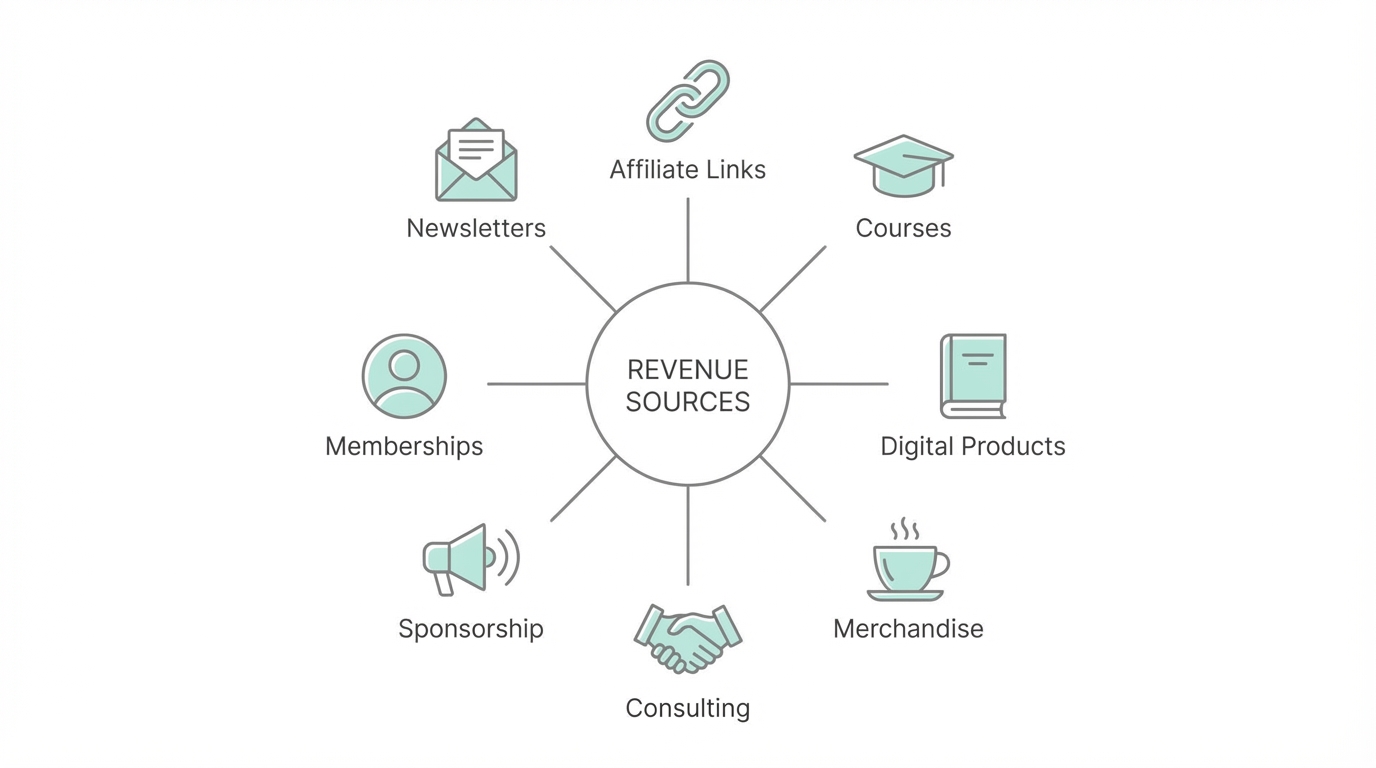
To understand how these numbers add up, we have to look at the individual components. A $500,000 portfolio isn’t built by one project making half a million; it’s built by stacking wins. Here is a real-world breakdown of how a diversified strategy looks in practice:
- Online Courses ($180,000): High-margin products that leverage expertise. Once the content is recorded on platforms like Teachable, the cost of fulfillment is near zero.
- SaaS Revenue ($68,000 + $50,000 Exit): Software provides recurring revenue via Stripe. Selling a successful SaaS for a 4-5x multiple on Acquire.com is one of the fastest ways to inject large amounts of capital into your portfolio.
- YouTube AdSense & Sponsorships ($100,000+): Content creation serves as the top-of-funnel for the entire portfolio. While AdSense provides base pay, sponsorships are the real lever. You can use Stormy AI to vet creators and get AI-powered quality reports to ensure your sponsorship partners have real, engaged audiences.
- Freelancing ($10,000s): The “stability” stream. Platforms like Upwork are the fastest way to generate cash when you are starting out or between project launches.
- Ebooks ($30,000): A low-friction entry point for your audience. Ebooks on Gumroad serve as a great “tripwire” to move people from free followers to paid customers.
- Consulting ($14,000): High-ticket, low-volume work booked through Calendly. Consulting allows you to stay close to the market and understand your customers’ deepest pain points.
- Small Tools & Products ($15,000 combined): Tiny apps or utility tools that solve a specific problem. These often run on autopilot for years.
- Affiliate Marketing & Referrals: Recommending tools you already use, such as Vanta for security compliance or Beehiiv for newsletters, can add a significant “silent” layer to your income.
The Sequential Building Strategy: Focus to Diversify
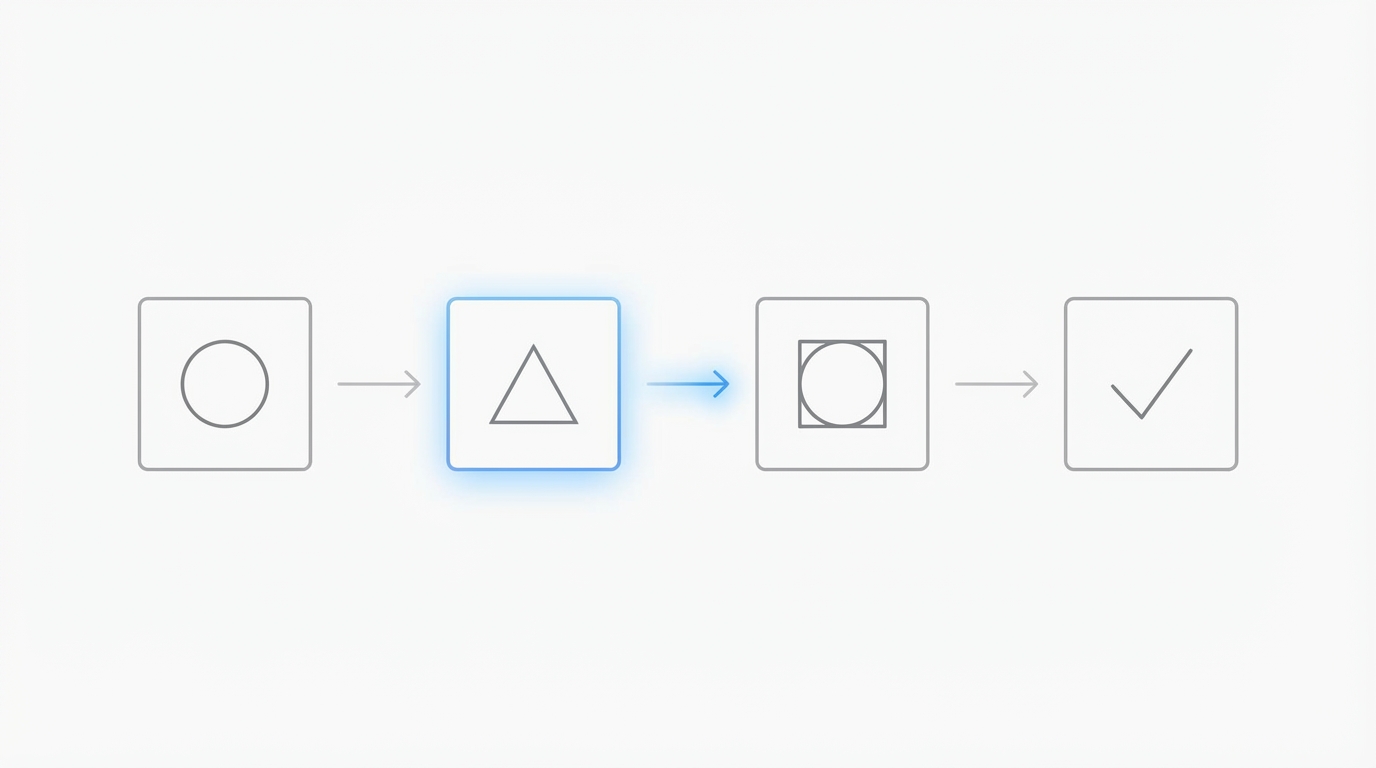
A common mistake when hearing about the portfolio approach is trying to launch eight projects at once. This leads to “scatterbrain” and failure across the board. The secret is sequential focus. You must focus on one project until it reaches a “sustainable plateau” before moving to the next. This means getting the product to a point where it is validated, monetized, and largely automated.
For instance, if you are building a mobile app, you might spend three months focused entirely on development and App Store Optimization (ASO). Once the app is ranking well and generating revenue, you might then set up automated user acquisition via Apple Search Ads. Only when the app is running with minimal daily input from you should you consider starting a newsletter or a second app. This “build, stabilize, repeat” cycle is how you scale without losing your mind.
Step-by-Step Playbook: Finding Your First Win
If you are starting from zero, the prospect of 80 projects is overwhelming. You need a win to build momentum. Here is the 5-step playbook used by successful portfolio founders:
Step 1: Build Something Small but Useful
Avoid the “visionary” trap. Don’t spend six months building a social network. Build a tiny tool, a guide, or a single-feature app that solves a problem you personally have. Use a modern tech stack like Next.js and Supabase to ship in days, not weeks. The goal is utility, not perfection.
Step 2: Ship Publicly and Early
Shipping is non-negotiable. Most projects fail because nobody knows they exist. Share your progress on platforms like TikTok or Reddit. Documenting the “build in public” journey helps you build an audience before the product is even finished.
Step 3: Gather Feedback and Iterate
Once you ship, watch how people use it. Do they complain? Do they ask for more features? This feedback is more valuable than any market research. If people are using a “broken” or “ugly” version of your product, you know you’ve found a real pain point.
Step 4: Add Monetization Early
Payment is the only real form of validation. Add a paid tier or a “buy me a coffee” link immediately. If someone is willing to give you $5.00, they are telling you that your solution has real-world value. This is where you separate a “hobby” from a multiple streams of income strategy.
Step 5: Double Down or Move On
Set a deadline—perhaps 4 to 8 weeks. If the project has traction, double down. If the numbers are flat despite your best efforts, move on without guilt. Every “failed” project is just data that informs your next (and likely more successful) attempt.
Scaling with UGC and AI-Powered Discovery
Once you have a portfolio of products, the challenge shifts from “building” to “distribution.” In the current market, User-Generated Content (UGC) is the most effective way to scale mobile apps and digital products. Consumers no longer trust polished brand ads; they trust people. For app developers, running UGC-style ads on Meta Ads Manager can drastically lower your Cost Per Install (CPI).
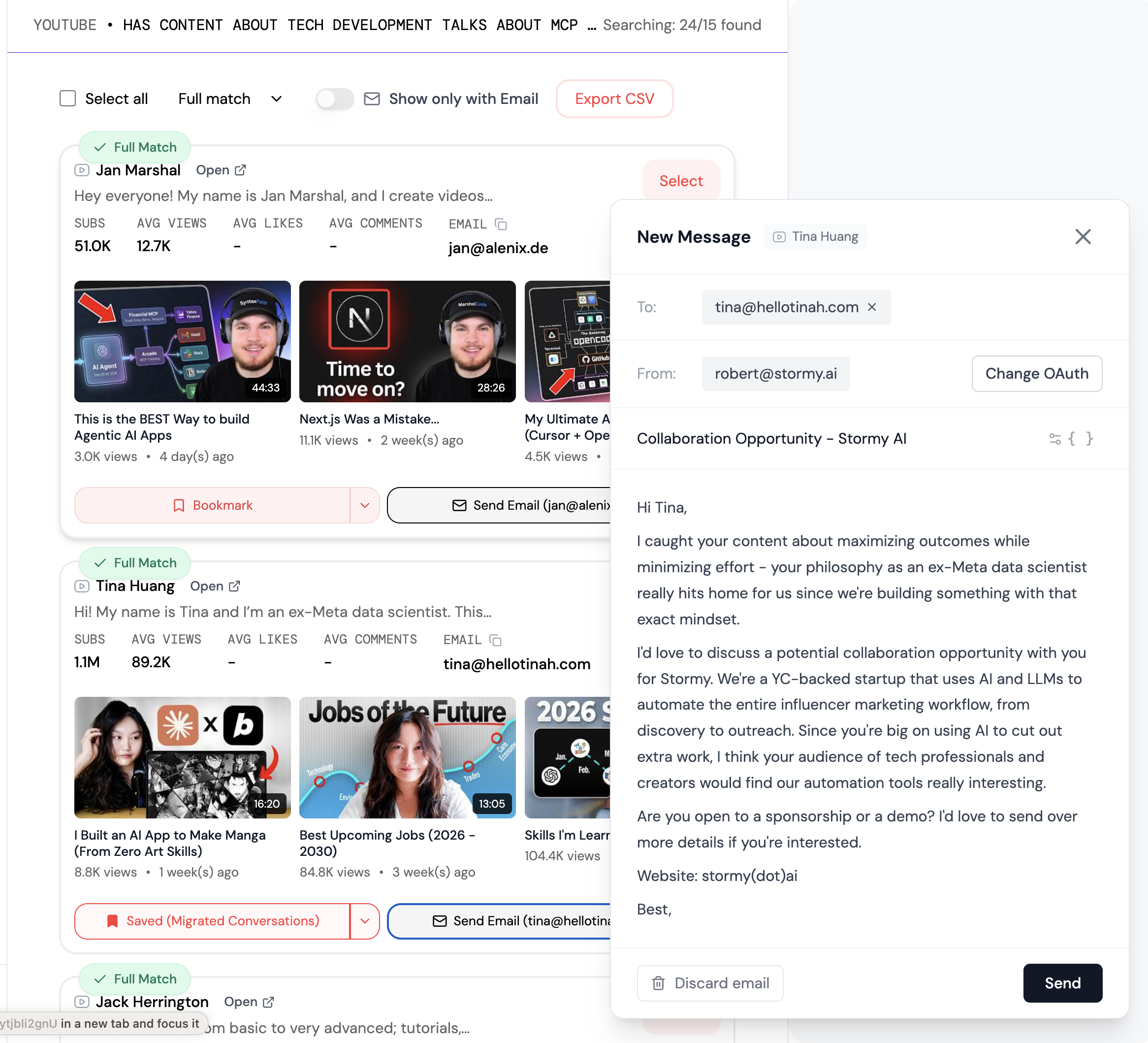
However, finding the right creators for these campaigns can be a full-time job. This is where AI-powered tools become a force multiplier. To maintain a lean, one-person business while managing multiple projects, you need to automate your outreach and discovery. Using Stormy AI, you can instantly find matching influencers and use hyper-personalized AI emails to contact them, managing all creator conversations in one built-in inbox. By combining a diversified product portfolio with an AI-driven marketing strategy, you create a moat that is very difficult for competitors to cross.
Subtracting Yourself: Creating Truly Passive Income

The final stage of the portfolio strategy is the “Transfer” phase. If a project requires four hours of your manual labor every day to survive, you haven’t built a business; you’ve built a job. To achieve true passive income streams, you must focus on automation and simplification.
Use tools like ChatGPT to handle customer support FAQs or to draft marketing copy. Use Vercel for automated deployments so your technical overhead remains low. The goal is to get each project to a “set and forget” state. Once a project is automated, it becomes an asset you can either hold for monthly cash flow or sell to a larger company. This freedom allows you to return to the “Build” phase with more capital and more experience than you had before.
Conclusion: The Power of Stacking Wins
Building a $500K multi-stream portfolio isn’t about being a genius; it’s about being a prolific “shipper.” By moving away from the high-stakes “one big idea” mindset, you give yourself the room to fail, the space to learn, and the leverage to win. Remember that your favorite creator probably has dozens of failed projects in their graveyard that you’ve never heard of. They didn’t get lucky once; they tried enough things that luck eventually became a statistical certainty.
Start small, serve a single niche (like developers or fitness enthusiasts), and build multiple solutions for that same customer. As you scale, leverage Stormy AI to set up an autonomous AI agent that handles discovery and outreach on a daily schedule while you sleep. The internet rewards those who show up, ship, and stay in the game long enough to let compounding do the heavy lifting.