The Buck Mason Brand Blueprint: Scaling to $150M Without Personal Brand Reliance in 2026
Discover the Buck Mason marketing blueprint for scaling to $150M. Learn Sasha Cohn’s 2026 strategies for brand-led growth, physical retail, and bootstrapping success.
In an era where every founder feels the crushing pressure to become a TikTok personality or a LinkedIn thought leader, Buck Mason has executed a masterclass in the opposite. Since its inception in 2013, the brand has scaled to an estimated $150 million in annual revenue and expanded to 52 physical retail locations, all while its co-founder, Sasha Cohn, purposefully stays out of the limelight. This isn't just a preference for privacy; it is a calculated, brand-led growth strategy designed to maximize long-term enterprise value in the competitive 2026 landscape.
The story of Buck Mason is a testament to the power of compounding focus. While most D2C brands spend their first decade pivoting through various aesthetics and categories, Sasha Cohn and his team spent twelve years obsessing over a single item: the perfect t-shirt. By refusing to let the founder's face become the logo, they built a "California Cowboy" identity that resonates far beyond the personality of any one individual. This case study explores how they did it and how modern brands can apply these brand-led growth strategies today.
The Power of Compounding: Why the 'Perfect T-Shirt' Won
Explore the ten-year journey and high pain tolerance required for long-term brand compounding.
In the early 2010s, the "sushi era" of startups saw founders jumping from one trend to another every eighteen months. In contrast, the Buck Mason journey began with a stubborn commitment to the basics. By 2026, the data from industry reports like Business of Fashion is clear: consistency outperforms agility when building a lifestyle legacy. Buck Mason didn't try to be everything to everyone; they wanted to be the only place a man needed to go for his daily essentials.
Consider the competitive landscape. Many of the brands that launched alongside Buck Mason in 2013 have since folded or been acquired for pennies on the dollar because they over-extended their product lines too early. By focusing on the compounding quality of their core catalog, Buck Mason created a moat. When a customer buys a t-shirt in 2026, they aren't just buying fabric; they are buying twelve years of iterative improvements on fit, weight, and wash. This is the essence of D2C fashion scaling.
"Imagine starting a company in 2011 and staying chained to it for 15 years with no other options. That level of compounding is exactly why Buck Mason is a $150M beast today."
| Strategy | Pivot-Heavy Brands | Buck Mason Blueprint |
|---|---|---|
| Product Focus | Trend-driven, wide SKU count | Category-defining staples |
| Customer Acquisition | High-burn paid social ads | Organic loyalty + retail |
| Brand Identity | Founder's lifestyle/personality | Product-centric aesthetic |
| Time Horizon | 3-5 year exit attempt | 12+ year compounding |
Brand-First Identity: The Tactical Benefits of the Invisible Founder
Discover how focusing on product quality helped Buck Mason build a lasting brand identity.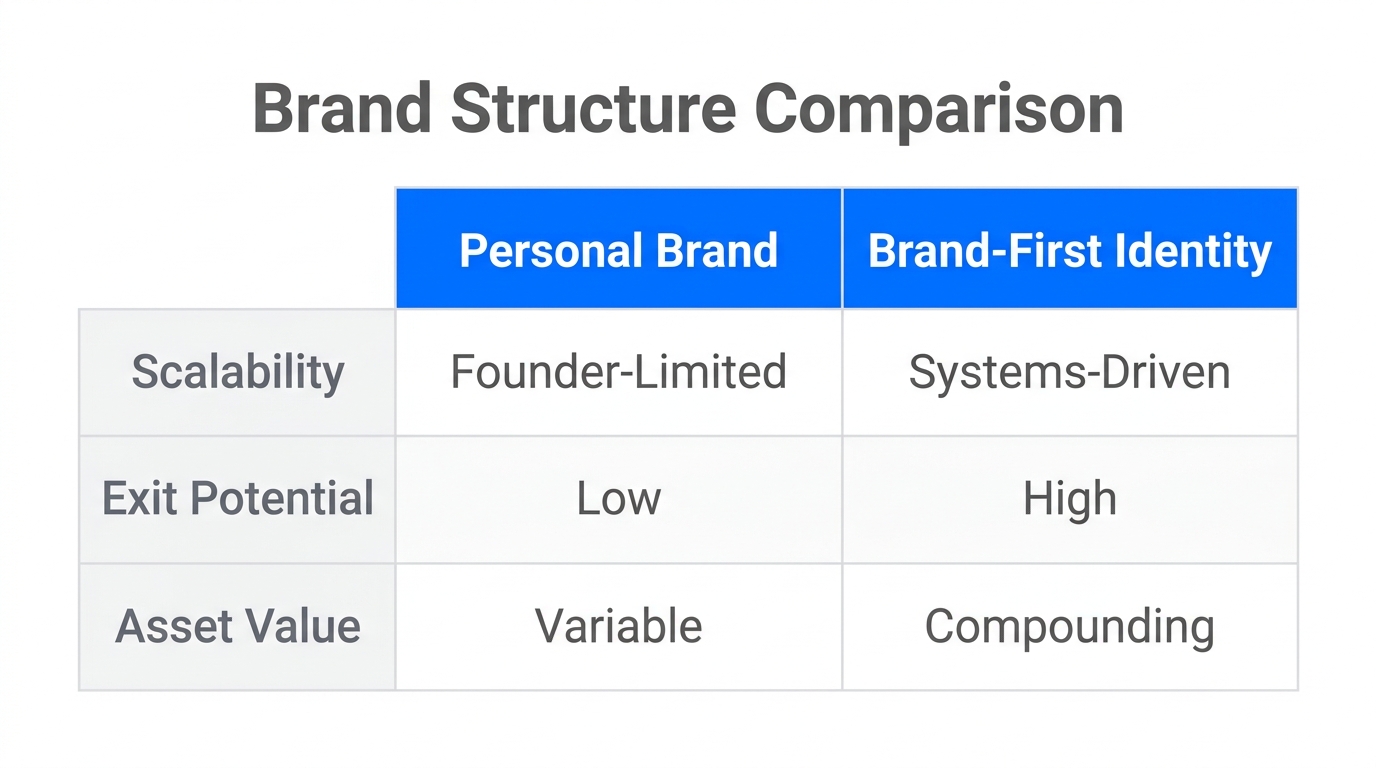
One of the most striking aspects of Sasha Cohn’s leadership is his refusal to appear on major podcasts or become a "public-facing CEO." This is a deliberate tactical choice for brand-led growth strategies. When the founder is the face of the company, the brand’s value is often capped by the founder's reputation. If the founder leaves or experiences a public scandal, the brand suffers. By keeping the "California Cowboy" aesthetic at the forefront, Cohn has ensured that Buck Mason exists independently of him.
This strategy significantly increases enterprise value. Investors in 2026 are wary of "key man risk." A company that can generate $150M in revenue without a celebrity founder is far more attractive to private equity or public markets. For brands looking to emulate this, sourcing the right creators to embody the brand is essential. Modern platforms like Stormy AI allow brands to find creators who fit a specific visual aesthetic—like the rugged, timeless look of Buck Mason—enabling the brand to scale its image through others rather than relying on the CEO.
As discussed on the My First Million podcast, this "invisible founder" approach allows for a much cleaner brand narrative. The customer isn't thinking about Sasha Cohn's morning routine; they are thinking about how they feel in a Buck Mason denim jacket. It’s a shift from "look at me" to "look at this product."
Physical Retail as a Growth Engine: The 52-Store Blueprint
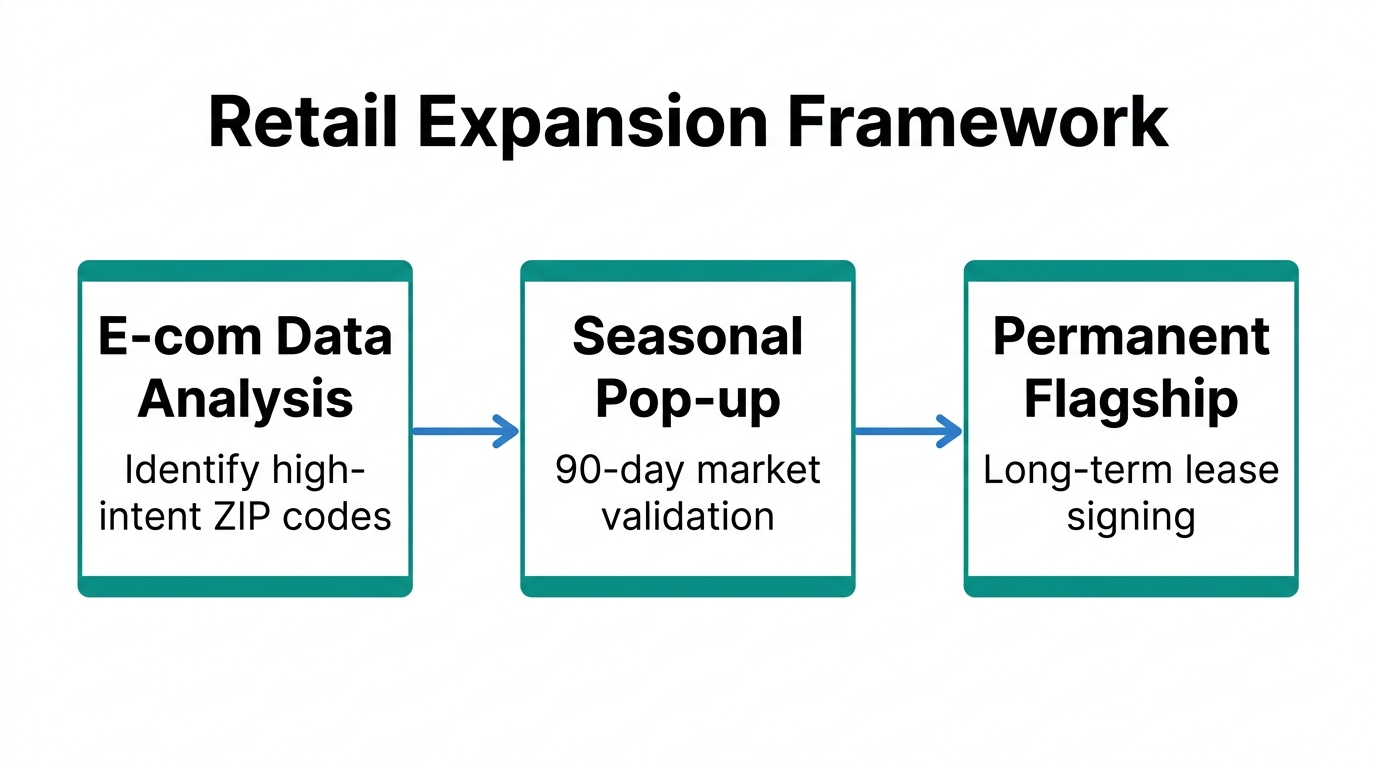
While most D2C brands were retreating from physical storefronts during the mid-2020s, Buck Mason doubled down. Scaling to 52 stores wasn't just about sales; it was about brand immersion. Each store serves as a physical billboard for the brand’s aesthetic. From the rugged wood interiors to the curated playlists, the stores act as a high-margin customer acquisition tool that offsets the rising costs of Meta Ads.
The key to bootstrapping a retail brand is ensuring that each location is cash-flow positive as quickly as possible. Buck Mason achieved this by picking locations that were already frequented by their "goldfish pond" of ideal customers. They didn't just open in malls; they opened in neighborhoods where their specific "California Cowboy" vibe felt like a natural extension of the street. By 2026, retail has become their most stable growth engine, as reported by Retail Dive, providing a hedge against the volatility of online algorithms.
"The trick to a big industry is making it feel small. Turn the ocean into a goldfish pond of 150 key relationships, and the growth becomes inevitable."
The Gift of Being 'Bad at Fundraising'
Learn how Buck Mason scaled to one hundred fifty million dollars in annual revenue.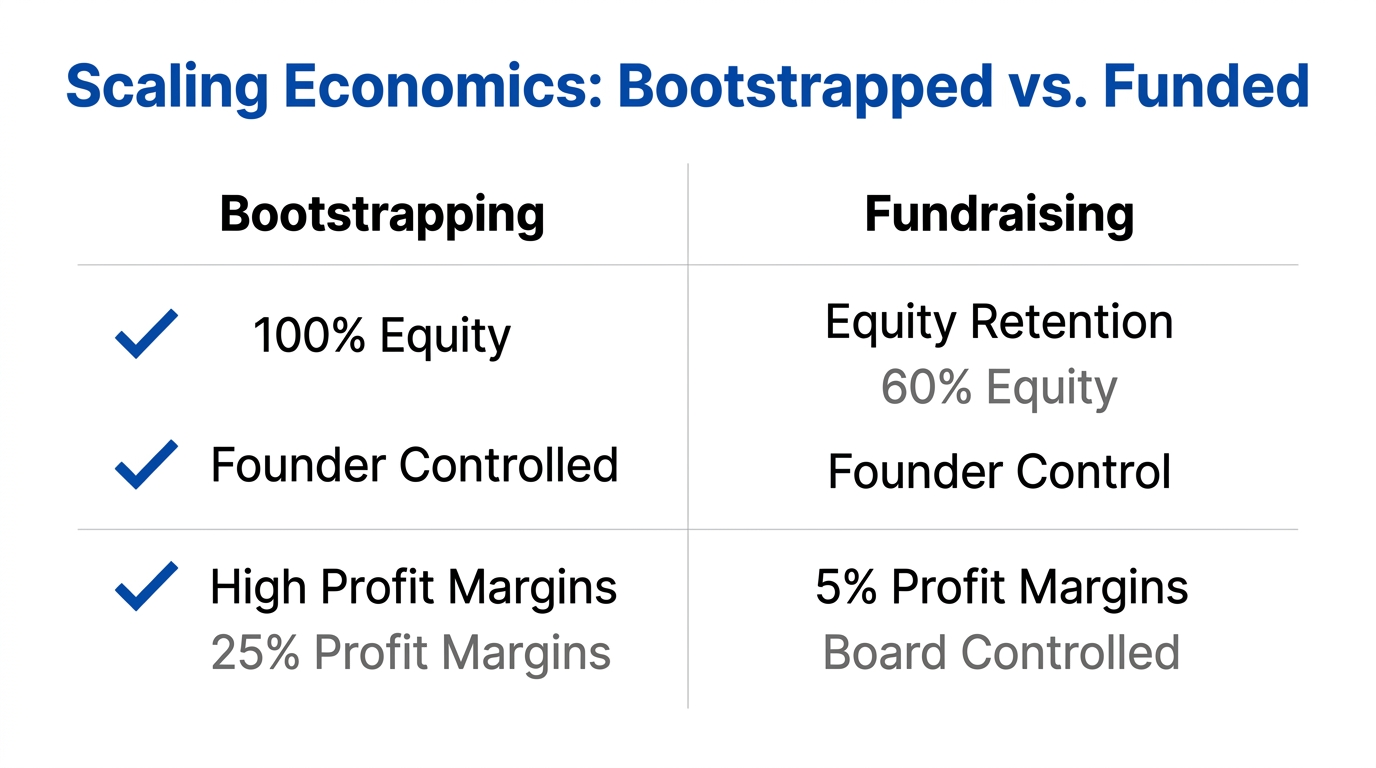
Sasha Cohn has often joked that he was "horrible at fundraising" in the early days. This "failure" turned out to be the brand's greatest competitive advantage. Without a massive venture capital war chest, the team was forced to focus on high-margin product-market fit and cash flow from day one. They couldn't afford to lose money on every customer acquisition, which meant the product had to be good enough to drive repeat purchases.
This forced discipline allowed Buck Mason to maintain 100% control over its creative direction and growth pace. In 2026, we see the wreckage of brands on TechCrunch that raised too much, too fast, and were forced into unnatural pivots by their boards. Buck Mason’s bootstrapped heritage meant they could spend three years perfecting a fabric without answering to a VC who wanted a 10x return in six months. This patience is what allowed the brand to reach its current $150M valuation floor with healthy margins.
For startups today, the lesson is clear: low funding forces high focus. If you can't raise money, you are forced to be a better merchant. You have to understand your Shopify analytics at a granular level and ensure your TikTok ad spend is generating immediate ROI. It turns business into a game of skill rather than a game of burn.
| Metric | VC-Backed Fashion | Buck Mason (Bootstrapped) |
|---|---|---|
| Growth Driver | Paid acquisition burn | Profitable retail + word-of-mouth |
| Product Timeline | Fast-fashion cycles | Multi-year perfection cycles |
| Control | Board-heavy influence | Founder-led vision |
| End Game | Exit at any cost | Sustainable legacy brand |
Future-Proofing in 2026: Applying the Blueprint
As we navigate 2026, the Buck Mason blueprint provides three actionable pillars for any founder or marketing director. First, limit the face of the brand. Use creators and high-quality UGC to build a world around the product, but don't let the CEO's personal life become the only marketing hook. Using tools like Stormy AI to discover and manage these creator relationships ensures the brand stays the hero of the story.
Second, embrace the 'No-Risk Option'. Just as Sasha’s colleagues in real estate baked asymmetric bets into their leases, brands should look for growth opportunities with limited downside and massive upside—like testing new retail pop-ups or expanding into high-margin categories like luxury accessories only after the core is solid. Finally, be energy rich. Success at this level requires an intensity that often precedes the money. Whether it’s waking up at 5:00 AM for a cold plunge or obsessing over the stitch count on a sleeve, the "oven must burn hot" for a brand to survive twelve years of compounding.
"In business, the points are tallied in dollars, but the victory is won in the discipline of doing the same thing better than anyone else for a decade."
Buck Mason isn't just a clothing company; it is a case study in long-term brand endurance. By prioritizing the product over the personality, retail over the algorithm, and cash flow over funding, they have built a brand that is set to thrive well into the 2030s. For those looking to scale, the message is simple: stay the course, stay behind the scenes, and never stop perfecting the t-shirt.
Conclusion: Your Path to Brand-Led Growth
Scaling to $150M without relying on a personal brand is not only possible; in 2026, it is the most sustainable way to build a company. By focusing on compounding excellence, maintaining a consistent brand identity, and leveraging profitable retail channels, you can create a legacy that outlasts any social media trend. To start building your own 'goldfish pond' of creators and brand advocates, leverage AI-powered tools like Stormy AI to streamline your discovery and outreach, keeping your brand at the center of the conversation.