The e-commerce landscape of 2026 has officially moved past the era of low-effort arbitrage. For years, the industry was obsessed with the "get rich quick" allure of traditional dropshipping—shipping generic products from overseas with zero brand identity and razor-thin margins. But as we look at the market today, the winners aren't those chasing the latest trending gadget on AliExpress. Instead, the massive wealth is being generated by founders who focus on D2C brand building and creating long-term brand equity.
Take, for example, the meteoric rise of Tabs Chocolate. Founder Oliver Brocato turned a single-product concept—"sex chocolate"—into an $11 million brand in just two years. He didn't do it by following the old dropshipping playbook. He did it by agonizing over custom product development, leveraging a viral UGC content machine, and building an asset that has a massive ecommerce exit strategy potential. In 2026, the choice is clear: you are either building an asset you can sell, or you are just buying yourself a high-stress job.
The Exit Value Argument: Assets vs. Monthly Cash Flow
Discover how building brand equity creates long-term value beyond simple product sales.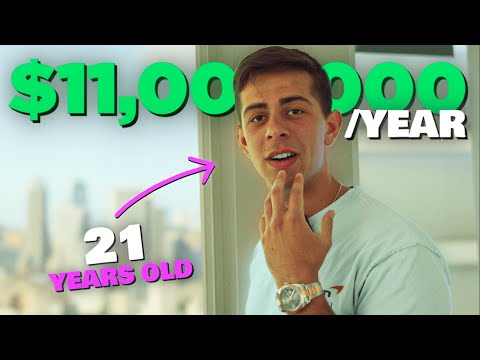
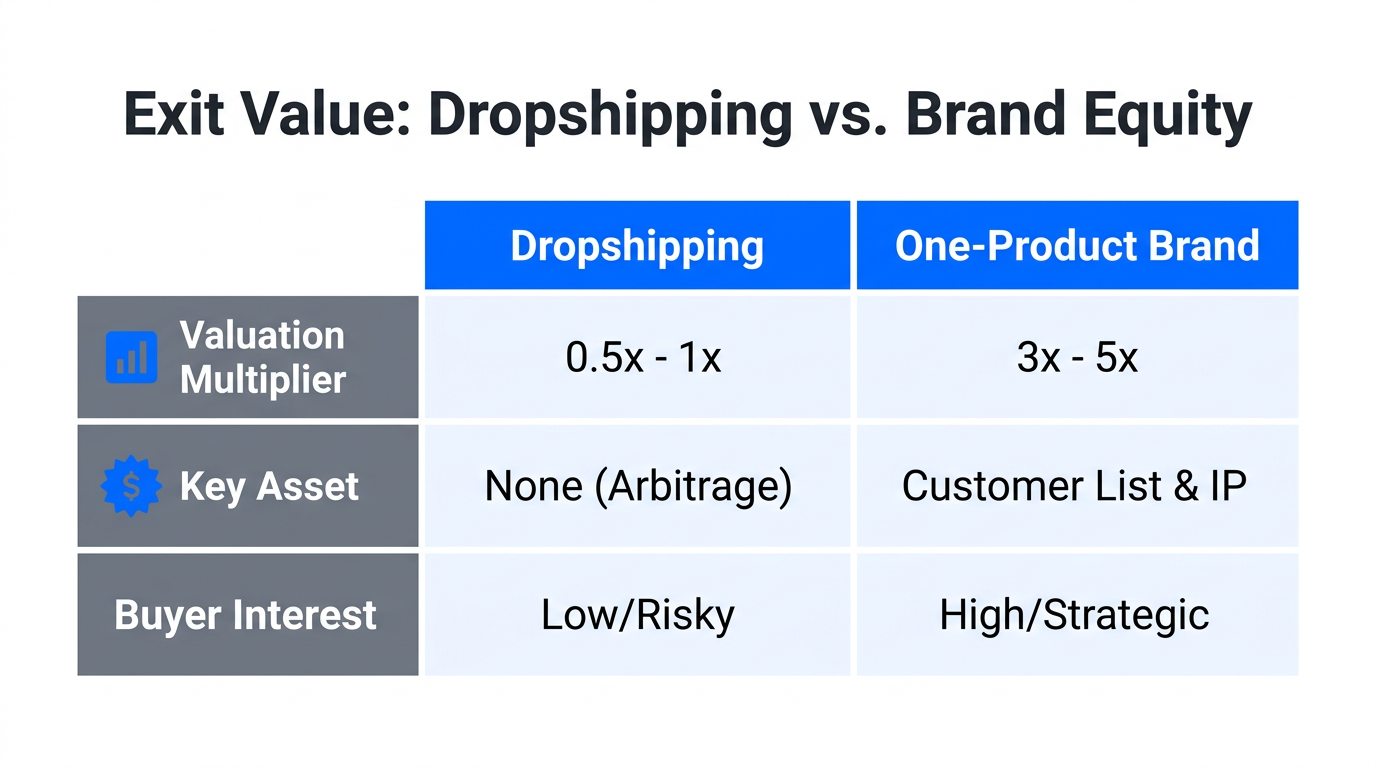
The fundamental flaw of the dropshipping model is the lack of a moat. If you can find a product on a wholesale site and run TikTok Ads to it, so can 500 other people. In this environment, your only lever is price, which leads to a "race to the bottom." More importantly, dropshipping stores are notoriously difficult to sell. Because there is no proprietary product, no customer loyalty, and no unique brand identity, there is no brand equity for an acquirer to buy.
| Feature | Traditional Dropshipping | One-Product Branded D2C |
|---|---|---|
| Moat | None (Easily Copied) | High (Proprietary Branding) |
| Margins | Thin (10-15%) | High (50%+) |
| Exit Potential | Near Zero | High (Multi-million dollar acquisition) |
| Customer Relationship | Transactional | Cult-like Following |
Building a brand means you are creating real wealth through equity. Real money isn't made in the $20,000 monthly profit; it's made when a larger conglomerate or a private equity firm buys your company for a 5x or 10x multiple of your yearly earnings. As Oliver Brocato noted in his interview with Starter Story, real money comes from the exit, not just the cash flow. In 2026, savvy entrepreneurs are using platforms like Stormy AI to identify high-potential niches and scale their brand presence through automated creator partnerships, ensuring they build a sellable asset from day one.
"Real wealth is built through brand equity and acquisition, not just monthly cash flow from trendy products. If you aren't building a moat, you're just renting your revenue."

Building a Cult Following: The Power of Identity-Based Branding
To succeed in 2026, your product must do more than solve a problem; it must invoke an emotional response. This is what marketers call "emotional arousal." Whether it's excitement, humor, or curiosity, your brand must make the viewer feel something intense enough to share it. This is how you transition from a generic store to a one product brand marketing powerhouse.
The goal is to create a community where customers "live and die" for your product. When you achieve this, you unlock Evergreen Customers—a cohort that will buy every new SKU or limited edition drop you release. This drastically lowers your customer acquisition cost (CAC) over time and increases your customer retention strategies. Instead of constantly hunting for new traffic, you are nurturing a cult-like following that does the marketing for you through word-of-mouth and organic social sharing.
Custom Product Development: From Generic to Luxury
Learn about the costs and processes involved in research and product development.One of the biggest lessons from the Tabs Chocolate success story is the importance of the unboxing experience and product design. Oliver didn't just buy chocolate; he designed a luxury experience. He used tools like Canva and Figma to mock up raw design files, which were then refined by professional designers and turned into 3D renders for manufacturing.
In 2026, the barrier to custom manufacturing has dropped, but the standard for quality has risen. Key steps in custom development include:
- Niche Sourcing: Finding specialized manufacturers (e.g., using separate suppliers for packaging, ingredients, and specialized supplements).
- Prototyping: Iterating until the product feels premium. For Tabs, the chocolate is made in the USA to ensure quality, while the intricate boxes are sourced internationally.
- Branding details: Small touches, like a custom logo embossed on the product itself, signal to the consumer that this is a high-end consumer experience, not a cheap knock-off.
Inventory Management: The Critical Choice Between Sea and Air
Albert describes a logistics disaster involving containers and running out of stock.Scaling a one-product brand to $11 million requires more than just marketing; it requires logistical precision. A common mistake founders make is mismanaging sea freight vs. air freight. While shipping by boat is significantly cheaper, it can take 4x longer. In the early stages of viral growth, a 60-day delay in a shipping container can kill your momentum, force you into pre-orders, and cause your sales to plummet to zero.
The strategy for 2026 is aggressive reinvestment. Instead of taking profits early, successful founders reinvest every dollar into inventory to stay ahead of demand. If you go viral on TikTok today, you need the stock to fulfill those orders tomorrow. Being out of stock for months is a "perpetual problem" that can cost millions in lost revenue, even if you are already doing $4 million a year.
"The container got delayed and as a result, sales just declined to almost zero. In your first year, you should prioritize staying in stock over maximizing short-term margins."
The UGC Content Machine: Dominating Social in 2026
See how generating hundreds of millions of views fuels massive brand growth.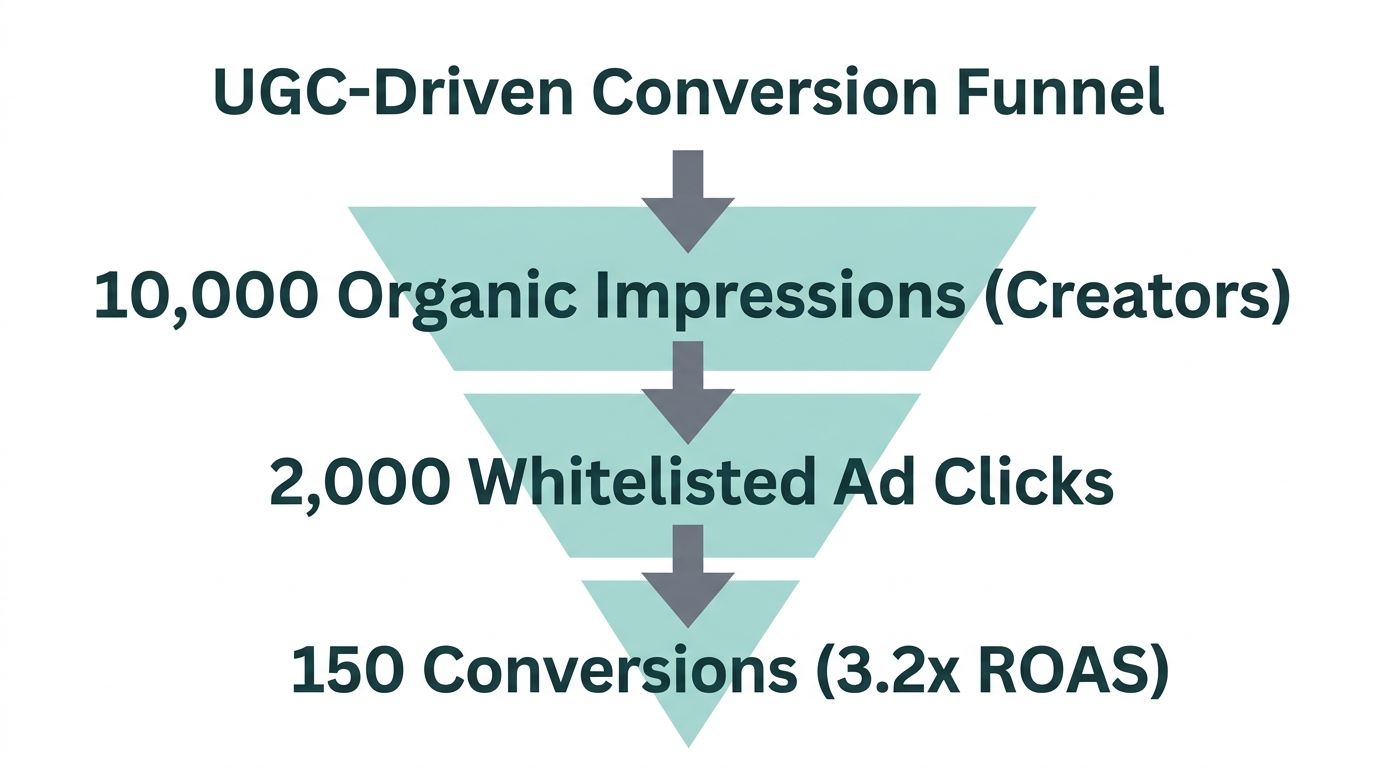
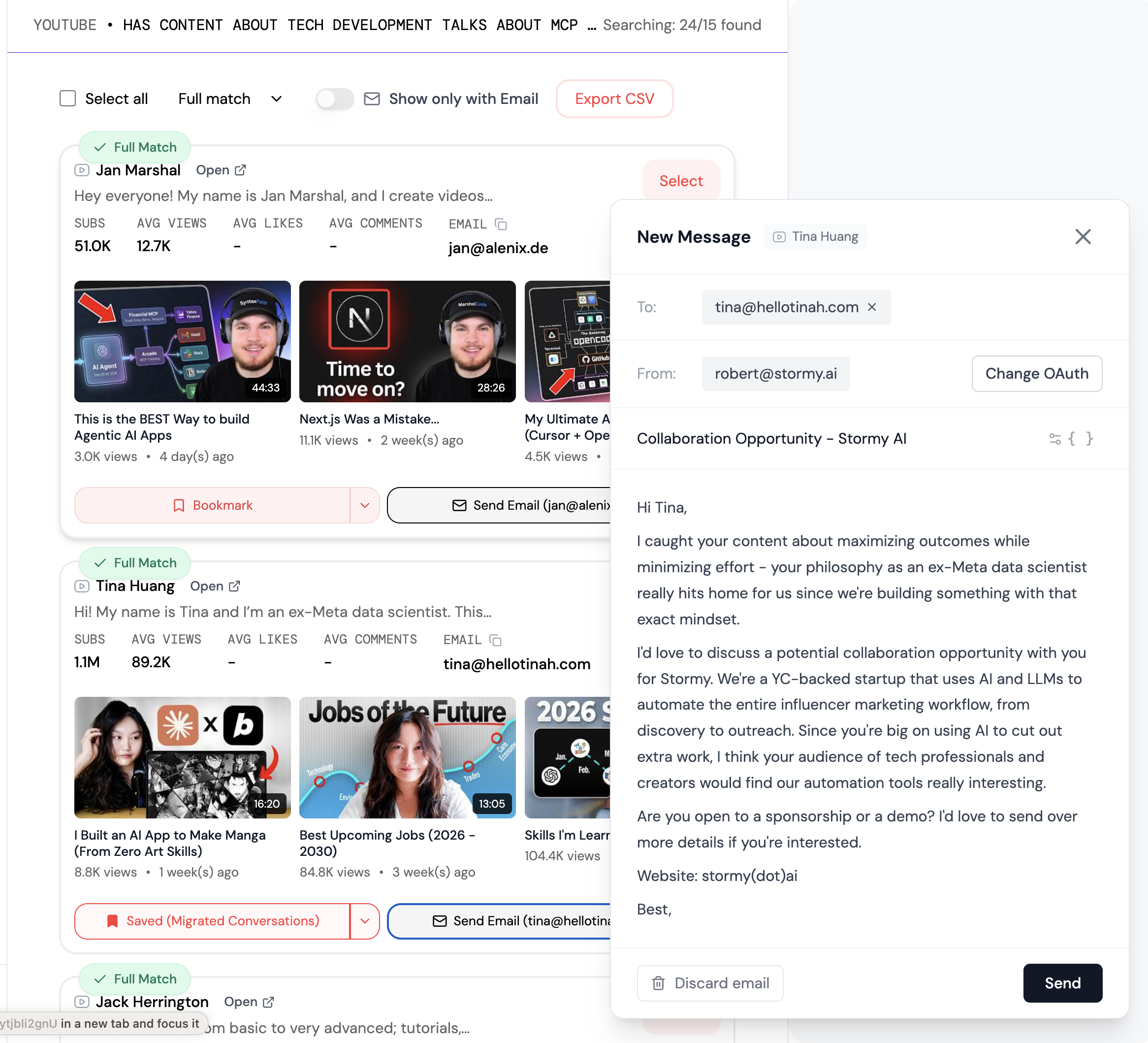
The "loophole" in modern social media algorithms isn't a technical hack—it's User-Generated Content (UGC). By having hundreds of creators posting native-style content every day, you create a "content machine" that reaches millions of people organically. This is how Tabs Chocolate reached $11 million without relying solely on a massive paid ad spend.
Managing this at scale is where most founders fail. Reaching out to 60+ creators manually is a full-time job. This is why Stormy AI has become the industry standard for building brand equity in 2026. With Stormy's AI Agent, you can automate the discovery, outreach, and follow-up process for hundreds of creators simultaneously.
Zero-Employee Operations: The Lean Infrastructure
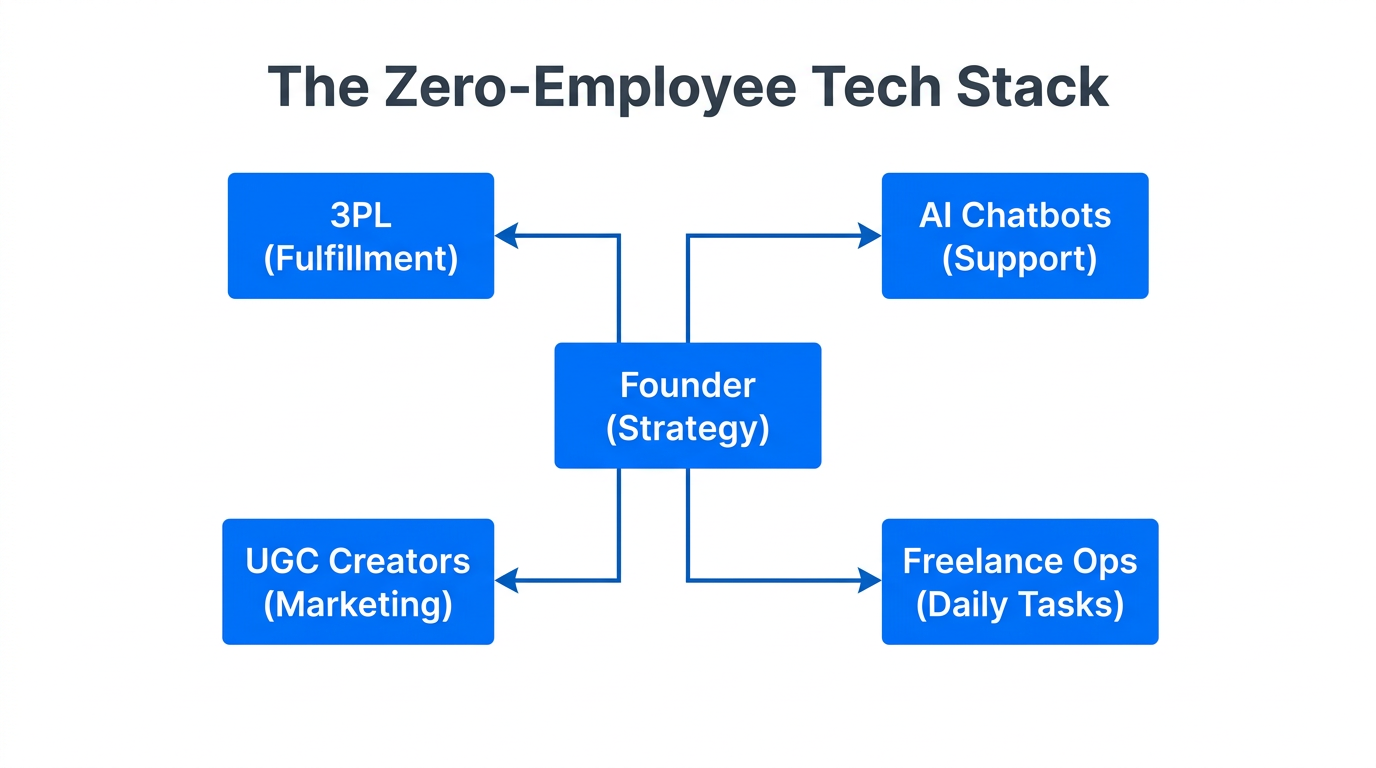
Perhaps the most shocking part of the $11M brand model is that it can be run with zero full-time employees. By leveraging a lean infrastructure and outsourced creator partners, founders can maintain 50% net margins. In 2026, the "employees" are replaced by AI-powered workflows and specialized contractors.
The Lean 2026 Tech Stack:
- Creator Discovery: Stormy AI for finding and vetting niche creators.
- Communication: Instantly or Stormy's built-in AI inbox for personalized outreach.
- Storefront: Shopify for seamless e-commerce transactions.
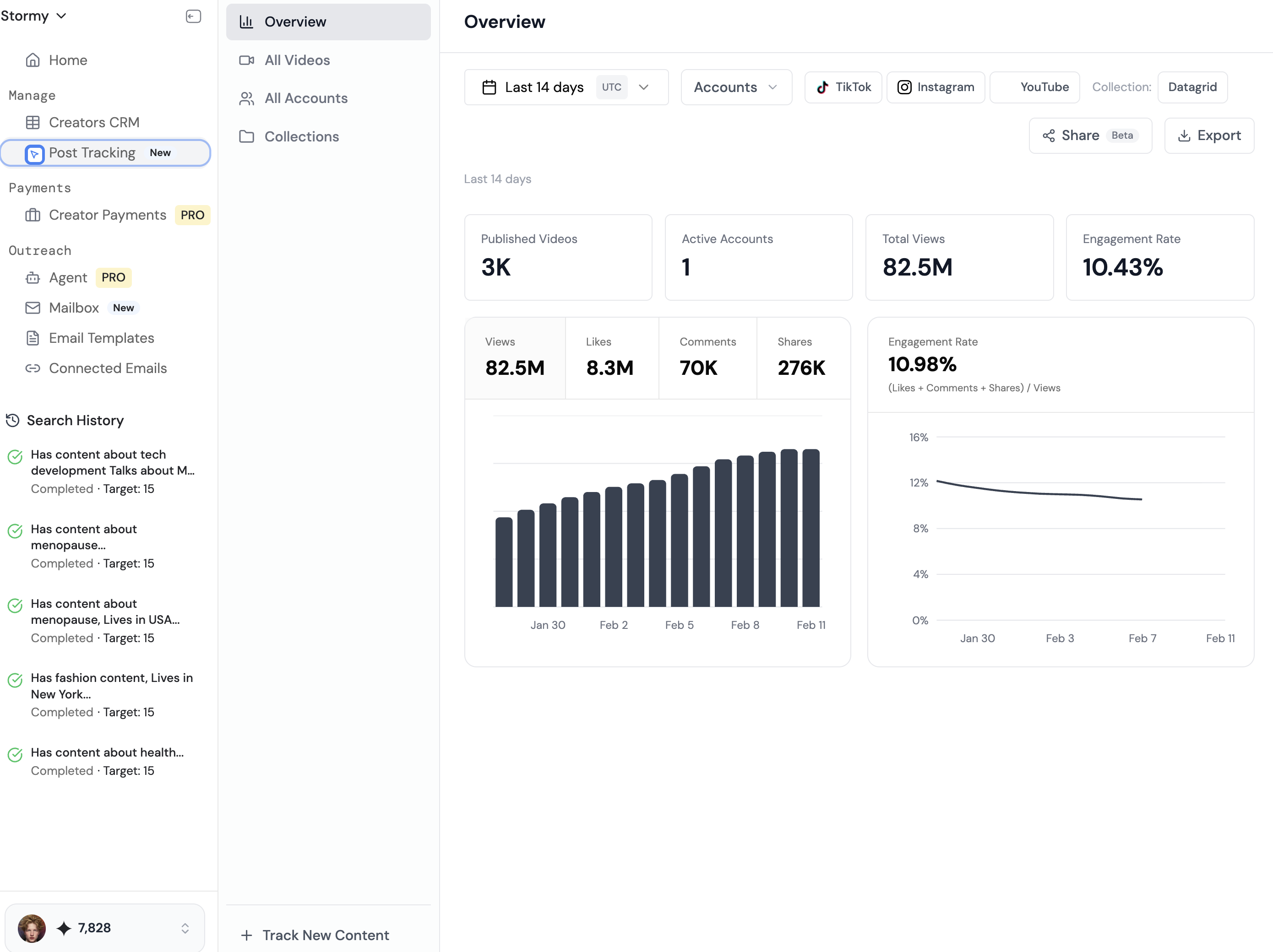
- Post-Tracking: Stormy AI's Post Tracking to monitor every video's performance across TikTok and Instagram.
Playbook: How to Launch Your One-Product Brand Today
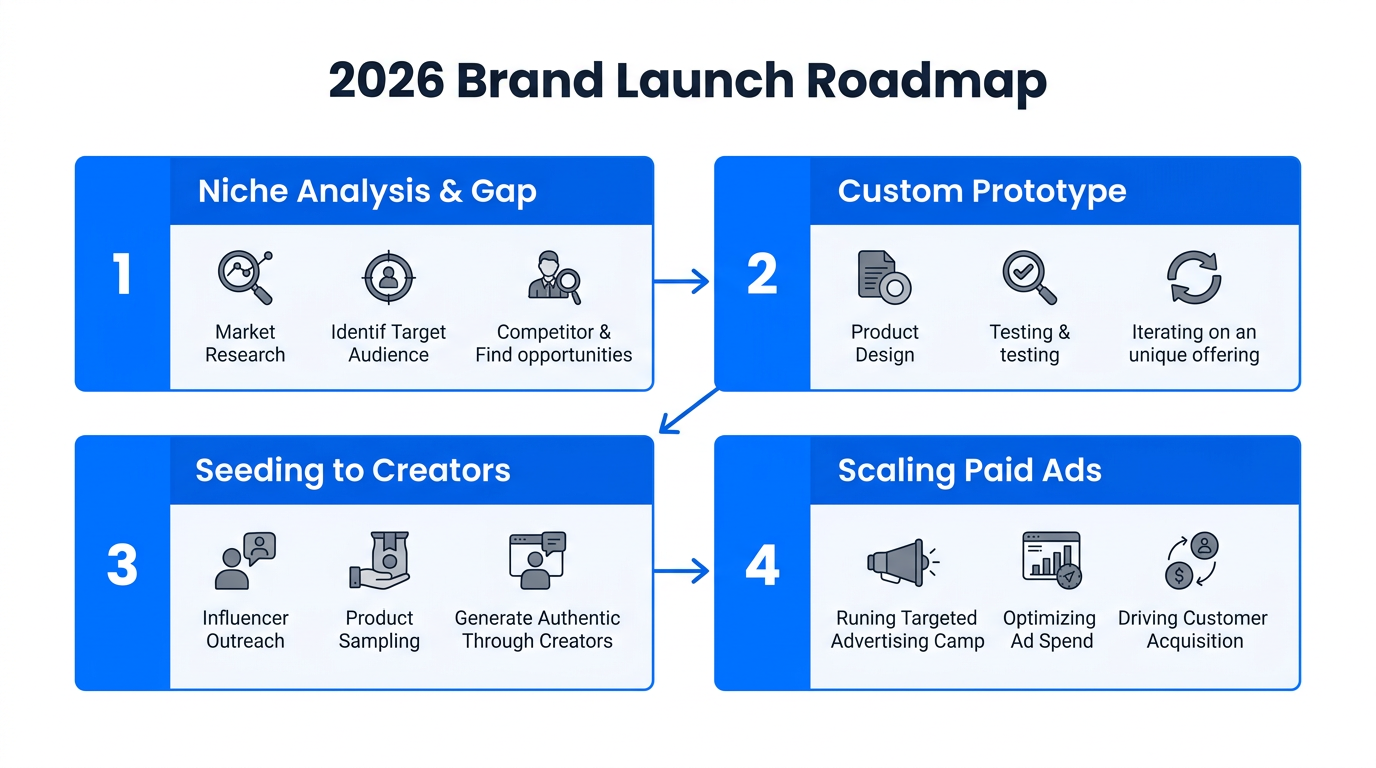
- Identify a Viral Concept: Look for products that invoke "emotional arousal" on social media. Use Google and TikTok to validate if the concept has viral potential but lacks a strong brand presence.
- Vett the Manufacturers: Don't just settle for the first page of search results. Reach out to 20-30 contract manufacturers and find a "small guy" willing to grow with you.
- Design for Luxury: Use Figma to ensure your packaging and product design feel high-end. This is the foundation of your brand equity.
- Build Your Content Machine: Use Stormy AI to find 50-100 creators in your niche. Set up an AI agent to handle the outreach and shipping of samples.
- Reinvest Everything: In your first year, prioritize inventory and content over personal profit. Aggressive reinvestment is the only way to sustain $1M+ monthly revenue.
Conclusion: The Choice is Yours
The era of dropshipping is fading, replaced by a more sophisticated and lucrative model: the one-product branded powerhouse. By focusing on D2C brand building, you aren't just making sales; you are building an asset that can be sold for millions. Whether you are just starting or looking to pivot, remember that building brand equity is the only sustainable path to wealth in e-commerce.
If you're ready to start building your creator-led brand, let Stormy AI handle the discovery and outreach so you can focus on the big picture. The market is waiting for the next $11 million idea—will it be yours?