In the high-velocity landscape of 2026, the creator economy has reached a saturation point that many growth marketers describe as a "bloody red ocean." Thousands of brands are fighting for the same 1% of top-tier creators, driving up acquisition costs and thinning margins. To survive and thrive this year, the most successful brands are moving away from traditional competitive tactics and adopting a Blue Ocean Strategy—a framework that shifts the focus from beating the competition to making them irrelevant through collaborative ecosystem building.
By looking at the success of companies like GoodLeap, which transformed from a solar installer into a $10 billion financing powerhouse, we can see a clear blueprint for the future of influencer marketing. It’s no longer about who can buy the most posts; it’s about who can build the infrastructure that empowers the entire creator community.
Red Ocean vs. Blue Ocean: Why the 2026 Market Demands a Shift
 63:40
63:40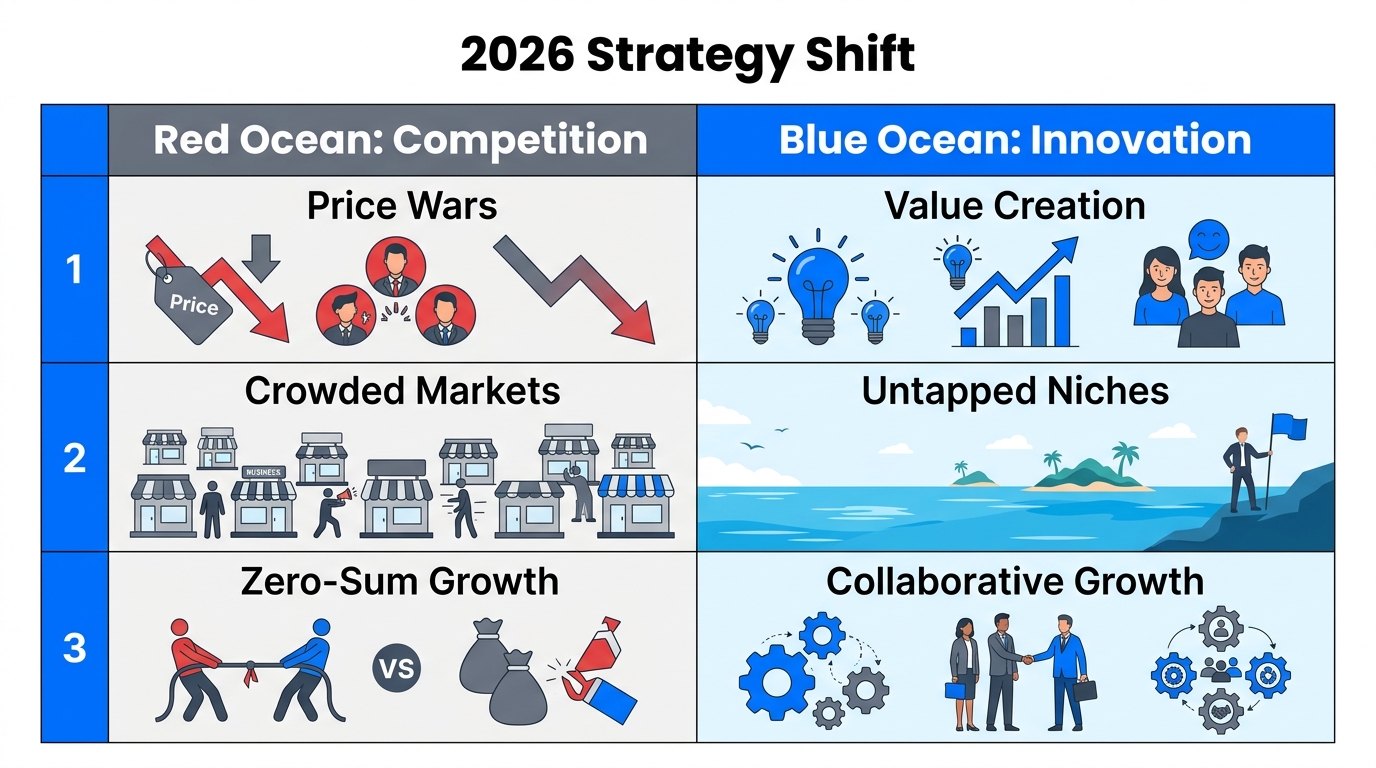
In a "Red Ocean," industry boundaries are defined and accepted, and the competitive rules of the game are known. Brands try to outperform their rivals to grab a greater share of existing demand. In influencer marketing, this looks like bidding wars over the same TikTok or Instagram creators, resulting in high CPMs and diminishing returns. As the market becomes crowded, prospects for profits and growth are reduced. Products become commodities, and cutthroat competition turns the ocean bloody.
Conversely, "Blue Oceans" are defined by untapped market space, demand creation, and the opportunity for highly profitable growth. In 2026, creating a Blue Ocean in the creator economy means moving from a transactional mindset (buying an audience) to an ecosystem mindset (enabling an industry). Instead of seeing other brands as rivals for attention, Blue Ocean leaders look for ways to make their competitors their biggest partners.
| Feature | Red Ocean Marketing (Traditional) | Blue Ocean Marketing (2026 Paradigm) |
|---|---|---|
| Focus | Beat the competition | Make competition irrelevant |
| Market Space | Compete in existing space | Create uncontested space |
| Demand | Exploit existing demand | Create and capture new demand |
| Strategy | Value-cost trade-off | Break the value-cost trade-off |
| Creator Relation | Transactional / Pay-per-post | Collaborative Ecosystem Partnership |
"The key to scaling in 2026 isn't fighting for a piece of the pie; it's building the oven that everyone wants to use to bake their own."
The 'Picks and Shovels' Play: Empowering Creators with Stormy AI
19:19One of the most effective ways to apply Blue Ocean logic is the "Picks and Shovels" strategy. During the Gold Rush, the people who made the most consistent money weren't the miners; they were the ones selling the tools. In the creator economy, your brand can become a tool-provider. By providing creators with the data, infrastructure, or distribution they lack, you move from being a "sponsor" to an "essential partner."
For instance, using an AI-powered search engine like Stormy AI allows brands to identify "Blue Ocean" creators—those with high engagement and audience quality who haven't been over-saturated by competitors. By using natural language prompts to find niche creators in specific locales or industries, you can build a proprietary network before the Red Ocean competition even knows they exist.

When you provide creators with better tracking, faster payments, or creative assets via a platform like Stormy AI, you are essentially selling the picks and shovels. You enable their business, which in turn fuels your distribution. This collaborative model is how brands like Shopify and Beehiiv have dominated their respective Blue Oceans.
Unit Economic Discipline: The 'Devil Doesn't Tempt You With Spinach' Rule
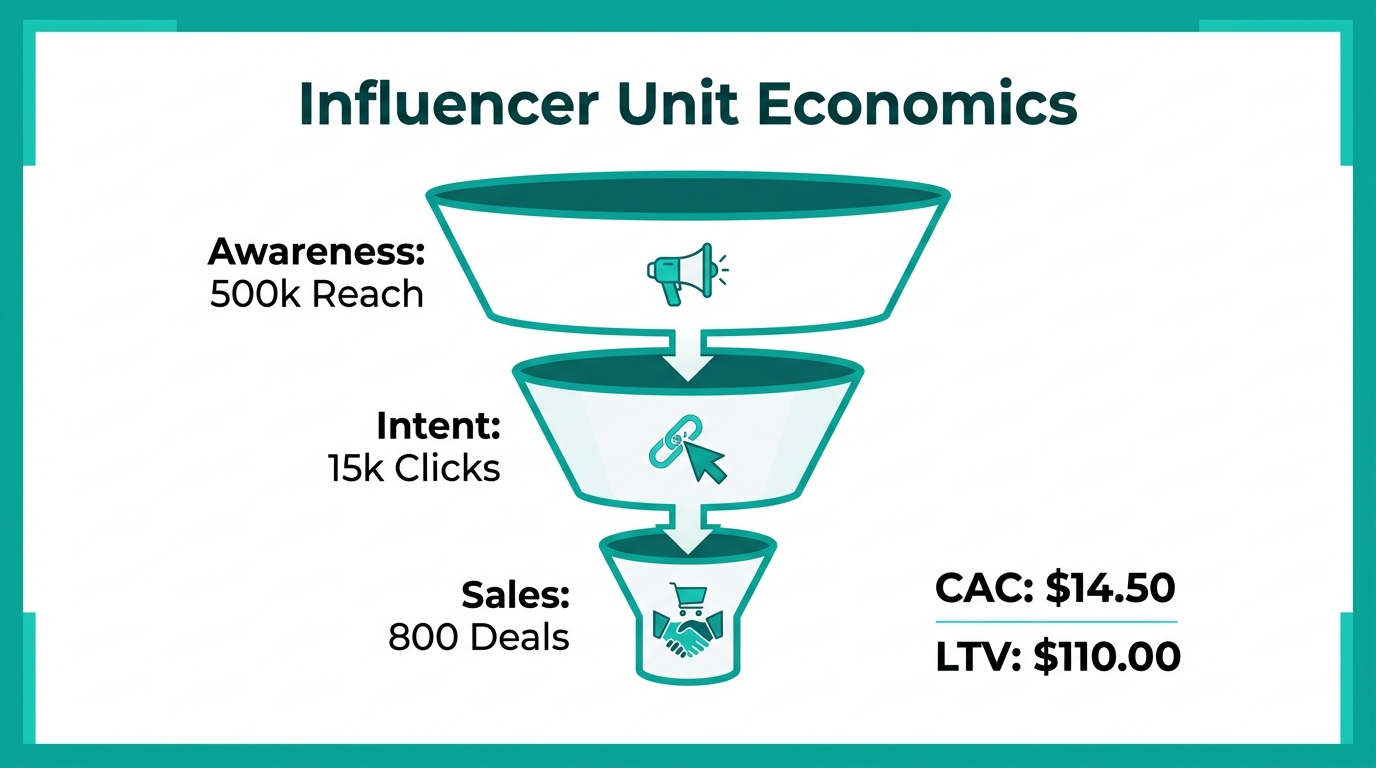
A critical component of Hais Barnard’s philosophy, which he applied while building GoodLeap, is the idea of strict economic discipline. He often says, "The devil doesn't tempt you with spinach." In marketing, this means you won't be tempted by bad ideas that look like hard work; you'll be tempted by high-volume, low-margin opportunities that look like easy wins but ultimately destroy your unit economics.
In influencer marketing, this temptation often manifests as "vanity metrics." It’s easy to get excited about a creator with 5 million followers, but if the engagement is fake or the audience doesn't align with your product, the unit economics will never work. Blue Ocean Strategy requires the discipline to walk away from high-volume junk to focus on high-quality, high-margin collaborations.
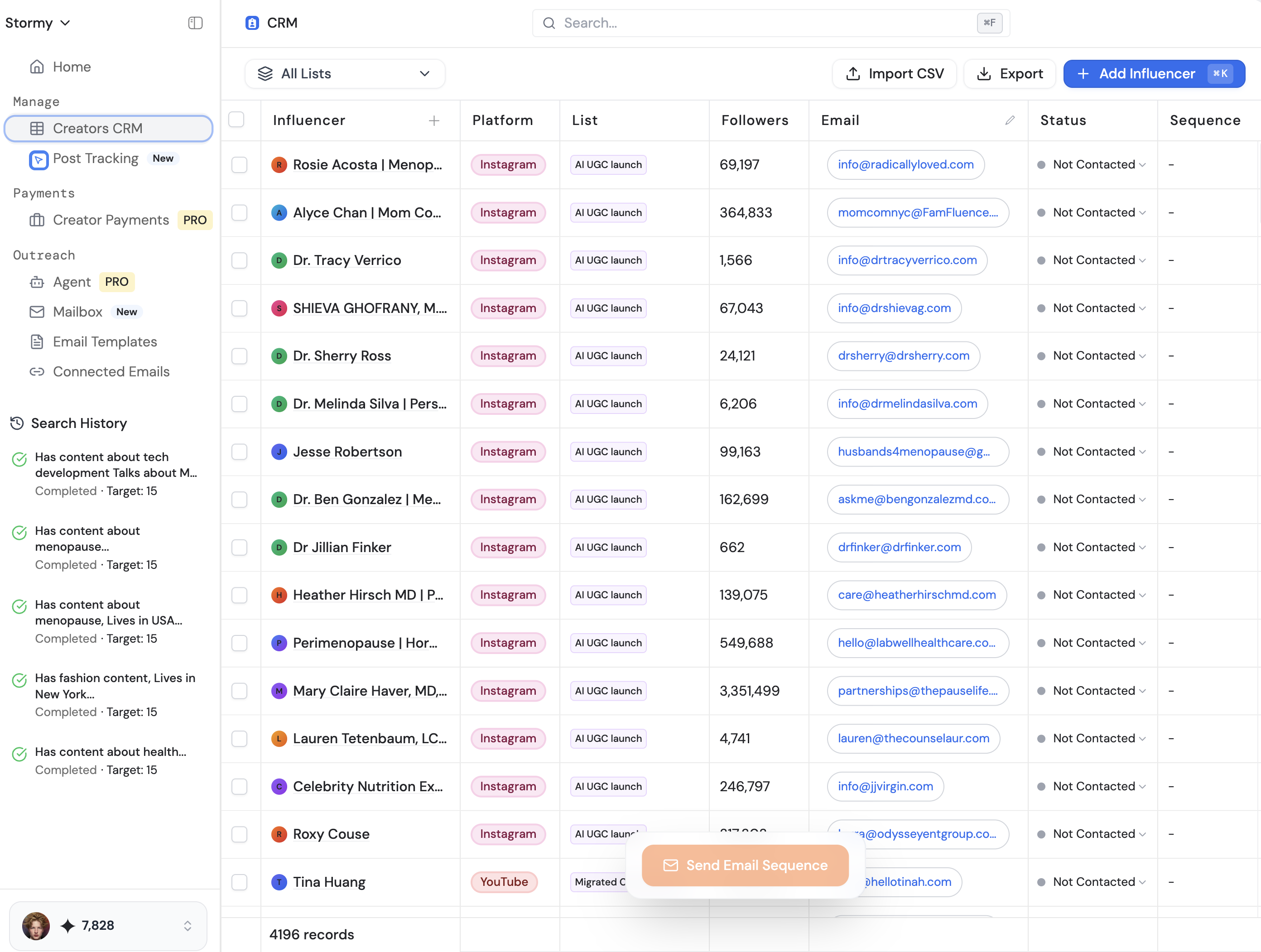
To maintain this discipline, brands must use robust tracking. Platforms like Stormy AI provide deep analysis into audience demographics and content quality scores, ensuring that every dollar spent is backed by data, not just hype. Managing these relationships within a Creator CRM allows you to track negotiation history and long-term performance, preventing the 'temptation' of one-off, wasteful spending.
Case Study: How GoodLeap Dominated by Partnering with Installers
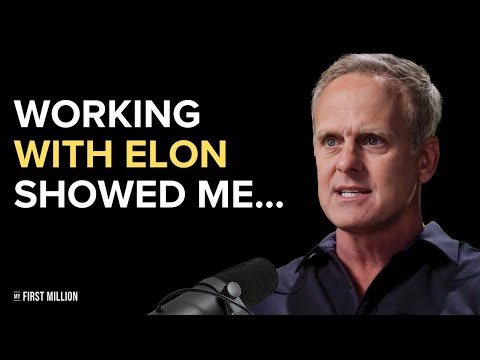
83:20Hais Barnard’s journey with GoodLeap is a masterclass in Blue Ocean thinking. Originally, his team was in the "Red Ocean" of solar installation—competing with thousands of other companies to put panels on roofs. They realized that the biggest friction point in the industry wasn't the panels themselves; it was the financing.
Instead of trying to be the best installer, they became the platform that all installers used to provide financing to their customers. They made their competitors their biggest partners. This move shifted them from a service-heavy business to a technology-driven marketplace. They essentially democratized access to capital for the entire industry.
Marketers can apply this exact logic to their creator economy growth strategy. If your competitors are all hiring creators to do unboxings, your Blue Ocean move might be to create a collaborative content house, a shared data dashboard, or an affiliate infrastructure that allows those same creators to sell *multiple* non-competing products more efficiently. You become the platform, not just the advertiser.
"When you stop trying to beat your competitors and start trying to solve the industry's biggest friction point, you've found your Blue Ocean."
Scaling Collaborative Models with AI Agent Automation
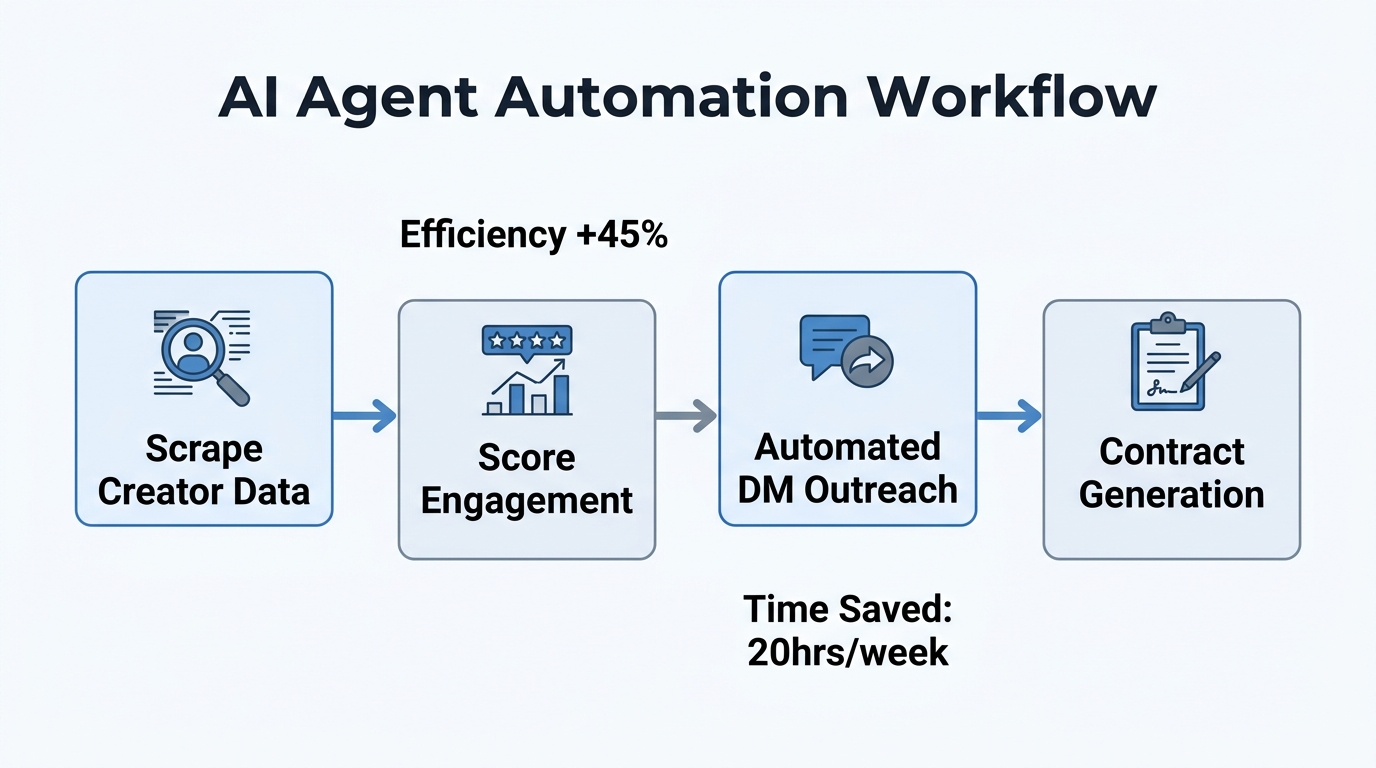
The biggest hurdle to building a collaborative ecosystem is the sheer amount of manual labor involved. Managing 500 individual creator relationships is a nightmare for most marketing teams. This is where AI Agents change the game in 2026.
With Stormy AI, you can set up an autonomous AI agent that handles the entire discovery and outreach process. This isn't just a mail merge; it's a hyper-personalized agent that analyzes a creator's latest videos, understands their tone, and reaches out with a unique value proposition. By automating the follow-ups and initial negotiations, your team can focus on the high-level strategy of ecosystem building.
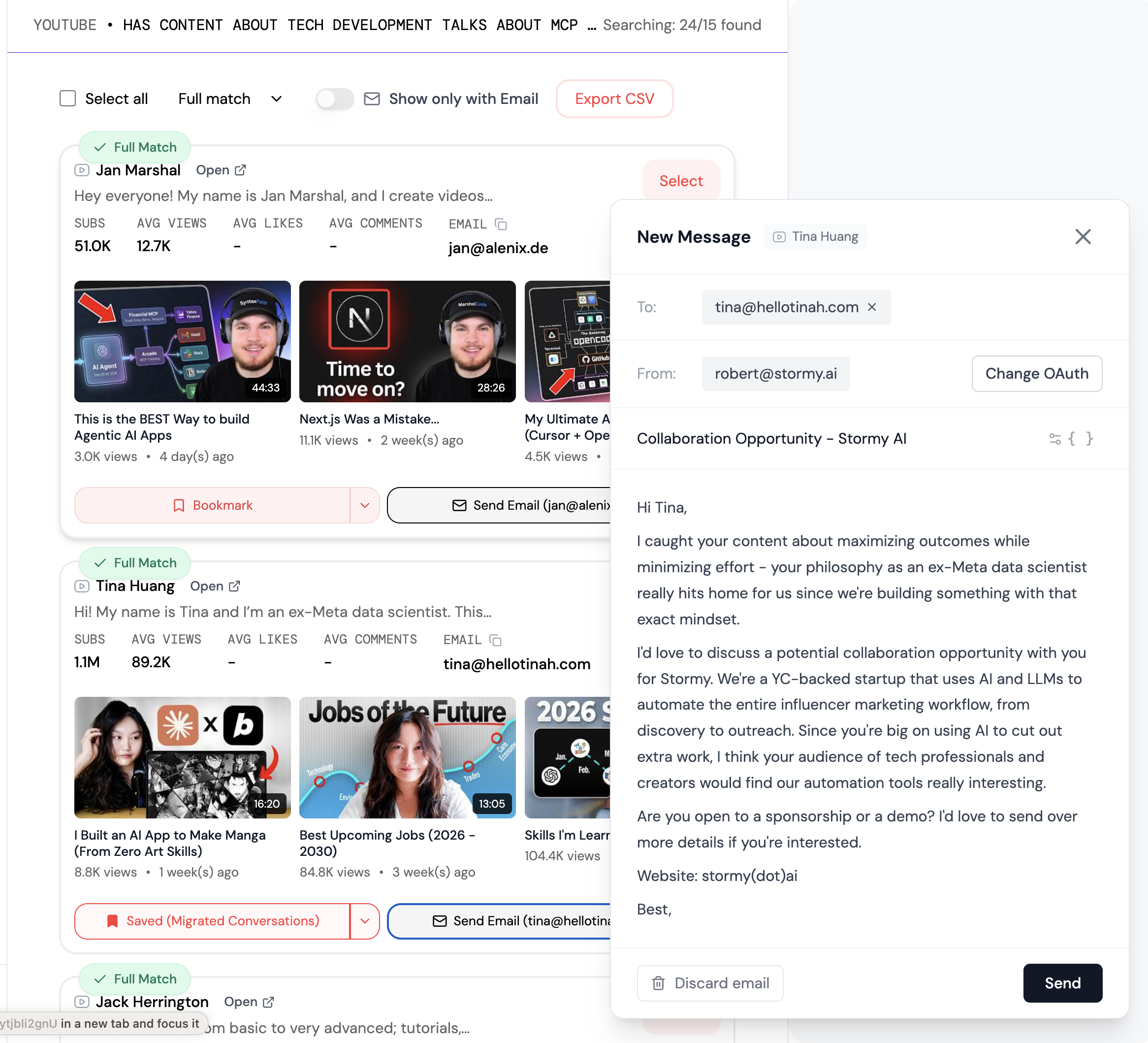
This level of automation allows a small team to operate like a massive agency. You can maintain an "always-on" outreach machine that finds and recruits partners while you sleep, ensuring your Blue Ocean stays populated with fresh talent and new opportunities.
Step-by-Step: Finding Your Blue Ocean Gap
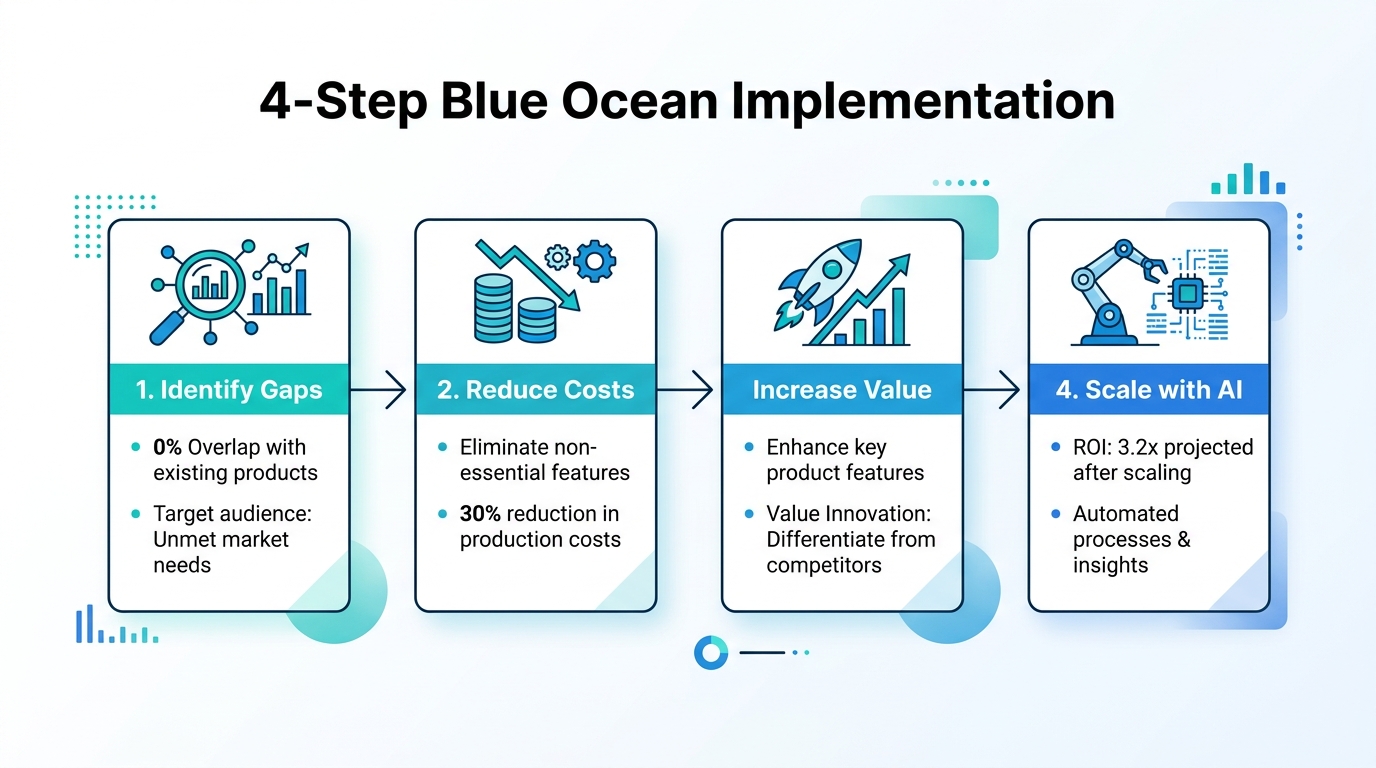
If you're ready to move away from Red Ocean competition and build a more sustainable brand building distribution model, follow this playbook:
Step 1: Audit the Friction Points
Look at your current influencer partnerships. What is the one thing creators complain about most? Is it late payments? Vague briefs? Lack of performance data? That friction point is your opportunity to build a "Pick and Shovel" solution. For example, brands using Stripe for instant creator payouts often see higher retention rates because they solved a cash-flow friction point.
Step 2: Identify Uncontested Platforms
Everyone is on TikTok. But where are your future customers hiding? In 2026, many brands are finding Blue Oceans in professional LinkedIn creators or niche Substack and Beehiiv newsletters. Use Stormy AI to search across multiple platforms simultaneously to find where your competitors aren't looking.
Step 3: Build the Infrastructure
Stop thinking about "campaigns" and start thinking about "platforms." Create a portal where creators can access your assets, track their own analytics, and manage their own affiliate links. Tools like Asana or Notion are great for initial organization, but a dedicated Creator CRM is essential for long-term scale.
Step 4: Align Incentives for Collaboration
Move toward collaborative marketing models where everyone wins. If a creator’s post performs well, does it help them grow their own brand as much as it helps you sell a product? If not, you're still in a Red Ocean. Consider co-creating products or giving creators equity-like incentives to turn them into true ecosystem partners.
Conclusion: The Future is Collaborative
The lesson from Hais Barnard and the success of GoodLeap is clear: the most valuable companies don't just win a category; they enable it. As we move through 2026, the brands that dominate influencer marketing will be those that stop treating creators like digital billboards and start treating them like the cornerstone of a new distribution ecosystem.
By applying Blue Ocean Strategy, maintaining strict unit economic discipline, and leveraging AI tools like Stormy AI to handle the heavy lifting of discovery and outreach, you can move away from the bloody competition of the Red Ocean and into the clear, profitable waters of collaborative growth. The opportunity is there—you just have to stop looking for gold and start selling the picks.