Black Friday week is often the single most important period for e-commerce and product-based companies. For a brand generating $500k monthly, a well-executed black friday marketing strategy can bring in $1 million to $2 million in just seven days. Larger enterprises can even match their entire yearly revenue within this high-velocity window. However, many entrepreneurs 'flub' the opportunity by relying solely on lazy percentage-off discounts that erode brand equity and eat into margins. If you want to stand out in a crowded inbox, you need a holiday marketing playbook that leverages psychology, value-stacking, and creative deal structures.
1. The Power of MIFGEs (Most Incredible Free Gifts Ever)
One of the biggest mistakes brands make is assuming that price is the only lever they can pull. Leading wellness brands like Magic Mind and AG1 have mastered the MIFGE strategy—offering a 'Most Incredible Free Gift Ever' instead of just a deep discount. By stacking high-perceived-value items that cost the brand very little to fulfill, you increase the Average Order Value (AOV) without looking like a bargain-bin retailer.
For example, Magic Mind often bundles their core productivity shot with digital bonuses like 90 days of access to the Open app or physical goods like the 'Beyond Coffee' book. AG1 takes this further with their 'Welcome Pack,' which includes travel packs, vitamin D, and custom shakers. This bfcm campaign example works because it feels like a comprehensive lifestyle upgrade rather than just a sale. Adding exclusive, limited-time merch (like a branded hat or bag) creates a 'buy it now or lose it forever' urgency that a 20% off coupon simply cannot match.
2. The Psychology of Hyper-Specific Store Credit
Standard discounts are ubiquitous. During BFCM, the entire internet is shouting '20% OFF!' which leads to consumer fatigue. A far more effective ecommerce sales idea is to grant customers specific store credit. Instead of saying 'Get $20 off,' tell your customer: 'You have $21.63 in store credit about to expire.' High-performing brands like Gains in Bulk have used this to trigger loss aversion.
To maximize this, ensure your email subject lines are personalized. Use phrasing like 'Max, your $17.63 credit expires Sunday.' This approach feels like a personal account notification rather than a mass marketing blast. It bypasses the 'promotions' filter in the human brain and demands immediate attention. This tactic is particularly effective for consumable products where the customer already has intent to rebuy.
3. The 'Sip More, Save More' Tiered Bundle Model

If you want to drastically increase your AOV, you need to gamify the checkout experience. A standout black friday marketing strategy involves building a custom 'bundle builder' web app. Four Sigmatic pioneered the 'Sip More, Save More' model, where customers see a progress bar as they add items to their cart. This visual feedback loop encourages users to hit certain milestones—such as $59 for free shipping or $99 for a 40% total discount.
By allowing customers to 'Build Your Own Bundle,' you empower them to customize their experience while pushing them toward a higher spend. This type of holiday marketing playbook is a win-win: the customer gets exactly what they want at a steep discount, and the brand moves more inventory in a single transaction. This strategy is much more sophisticated than a flat sitewide sale because it rewards the highest-spending customers the most.
4. The 'Apple Model': Gift Vouchers for Premium Brands
Many 'prestigious' brands fear that running a sale will cheapen their image. If you are positioned as a luxury or high-end product, follow the Apple model. Instead of discounting the hardware, Apple offers high-value gift cards (often up to $200) with the purchase of a full-price item. This maintains the perceived value of the main product while providing an incentive to buy.
This strategy also ensures future retention. By giving a gift card, you are effectively guaranteeing a second transaction later in the year. It’s a brilliant way to handle ecommerce sales ideas for products with long lifecycles. If you sell high-ticket items like electronics or designer apparel, focus on 'Value-Add' rather than 'Price-Cut.' This protects your margins while still allowing you to participate in the Black Friday frenzy.
5. Gamification: The Treasure Hunt Strategy

To cut through the noise, turn your promo code into a game. Streetwear brands like Bodega have seen massive engagement by sending emails that look like personal notes containing a 'broken' discount code. For example, the email might state that a $200 gift code is hidden in the text but is missing two characters. The first person to solve the puzzle and apply it at checkout wins.
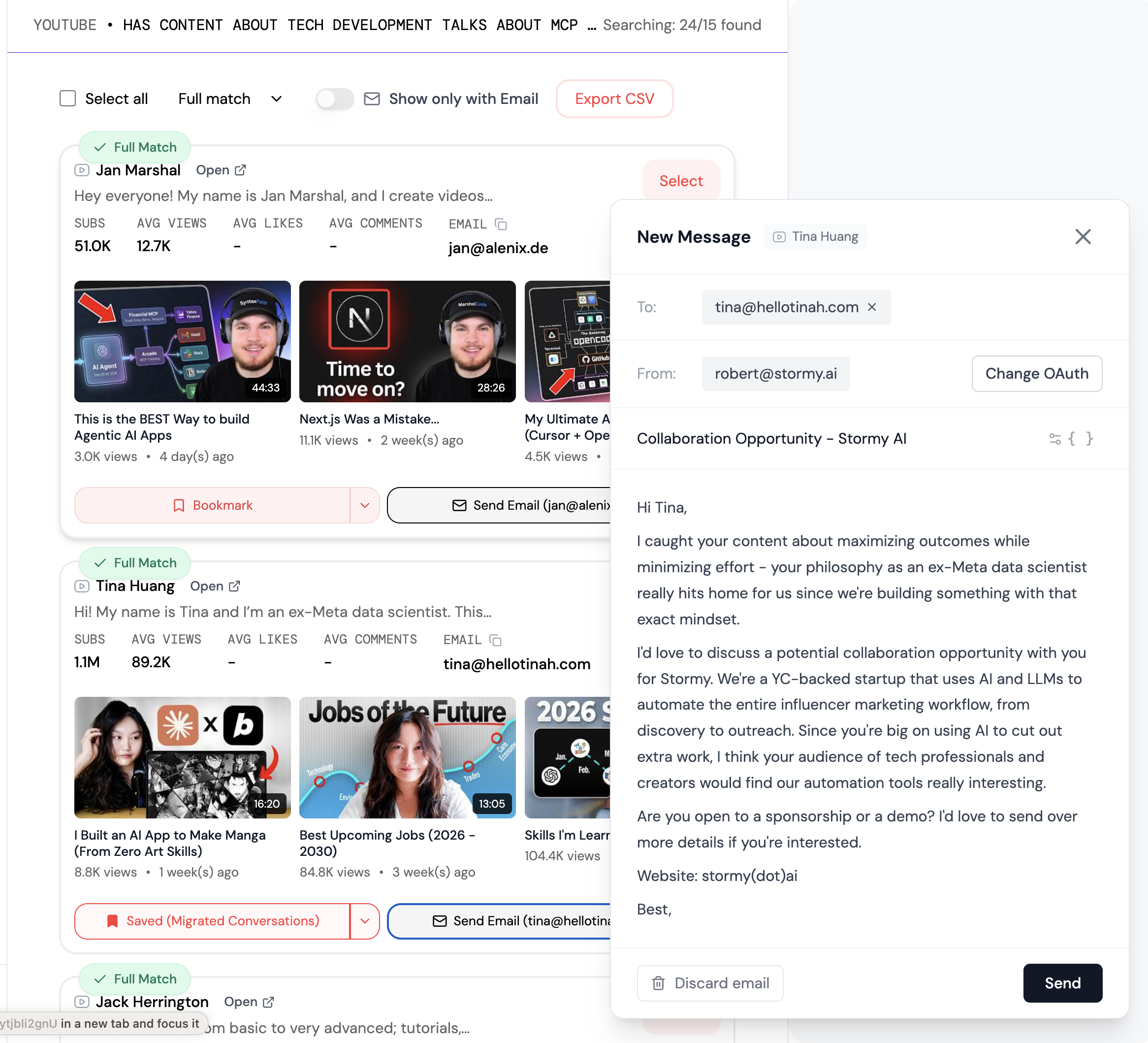
This transforms your black friday marketing strategy from a passive interaction into an active event. It generates high open rates and keeps users on your site longer as they test different combinations. You can also leverage tools like Stormy AI to discover and outreach to UGC creators who can film themselves participating in these 'treasure hunts,' creating viral momentum on TikTok and Instagram. Influencers love sharing 'secrets' or 'hacks' with their audience, and a hidden discount code is the perfect hook for a high-performing video.
6. The SaaS and Digital Product Renewal Push
Black Friday isn't just for physical goods. Software companies and subscription services like Endel or PlayStation use this week to secure annual renewals. Even if a user's subscription isn't up for renewal, you can offer them a 'Stackable' discount to extend their service for another year at a reduced rate. Endel specifically uses in-app landing pages to remind users of the benefits they've received over the year before presenting a 50% off renewal offer.
If you're managing a SaaS product, use this time to offer a 'Life-Time Deal' or a significant 'Annual Upgrade' incentive. This provides a massive cash-flow injection that can be reinvested into growth for the following year. It’s also a great time to leverage AI-personalized outreach via platforms like Stormy AI to contact existing power users or influencers who have mentioned your tool, offering them an exclusive 'VIP' extension that they can share with their own communities.
7. QVC-Style Live Streaming and Irony
Live shopping is exploding, particularly in the Chinese market with 'Singles Day'. You can replicate this by hosting a 12-hour live stream on X, TikTok, or YouTube during Black Friday. Use a semi-ironic 'Telemarketing' or QVC-style setup. This creates real-time scarcity where you can announce: 'There are only 20 of these bundles left,' and watch the inventory drop live.
This format is perfect for building brand personality. Even major artists like Coldplay have experimented with QVC-style segments to sell limited-edition merch and handwritten posters. It creates a 'water cooler' moment for your brand where customers aren't just buying—they're being entertained. To make this work, you need a high volume of User-Generated Content (UGC) and influencer testimonials to play during the transitions of your stream.
Step-by-Step: Transitioning to a Month-Long BFCM Event
- August/September Planning: Don't wait until November. Start your strategy in the summer. Define your 'Hero' deal (e.g., the MIFGE).
- Late October Lead Gen: Start running ads to a 'Waiting List' landing page. Offer early access to those who sign up. This builds your email list before CPMs skyrocket.
- The 'Early Bird' Phase (Mid-November): Launch your sale early for your loyal customers or waitlist members. This de-risks your logistics and ensures cash flow early.
- The Daily Bonus: Throughout Black Friday week, add new 'Free Gifts' or bonuses every 48 hours. Give these bonuses to everyone who already bought to build goodwill, while using them to hook new buyers.
- The Cyber Monday Pivot: Change the creative. If Black Friday was about a 'Bundle,' make Cyber Monday about a 'Last Chance Store Credit.'
Conclusion: Don't Squander the Biggest Week of the Year
A successful black friday marketing strategy requires more than just a 20% off banner. By using MIFGEs, hyper-specific store credit, and creative bundle builders like those used by Four Sigmatic, you can maximize your revenue while keeping your brand prestige intact. Remember, the best sales aren't just about the price—they are about the offer structure and the psychology of the deal.
Whether you're running a boutique e-commerce shop or a massive SaaS platform, the holiday marketing playbook remains the same: create urgency, stack value, and turn the transaction into an event. If you execute these seven strategies, you can afford to make mistakes for the rest of the year and still come out on top. Start your planning early, use tools like Boring Marketing to boost your SEO visibility, and don't let this massive revenue opportunity pass you by.