For high-end and prestigious brands, the arrival of Black Friday often brings a sense of strategic dread. While the weekend represents the single largest consumer spending period of the year, the traditional 'race to the bottom' pricing can feel like it cheapens a luxury image. However, the most successful brands have realized that Black Friday gamification is the bridge between maintaining prestige and capturing massive revenue. Instead of a standard percentage-off discount, these companies are turning their promotions into interactive marketing examples that drive engagement, high email open rates, and intense FOMO (Fear Of Missing Out).
The Prestige Dilemma: High-End Sales Without Brand Dilution
Many entrepreneurs fear that participating in holiday sales will 'flub' their brand positioning. They worry that a 50% off banner makes them look desperate. Yet, as seen on Meta Ads Manager, even the most 'highbrow' brands are active during this week. The secret lies in creative holiday sales ideas that focus on value-add rather than price-slashing. A brand making $500,000 a month can easily see a $2 million week by simply pivoting their ecommerce promotional strategies from 'cheap' to 'exclusive.'
Take Apple, for example. You rarely see a line through a price on the Apple Store. Instead, their strategy involves high-value gift cards. By offering a $200 gift card with the purchase of a Mac, Apple maintains its premium price point while effectively providing a discount that locks the customer into their ecosystem for a future purchase. This is a masterclass in black friday gamification because it rewards the customer without signaling that the product itself is devalued. It feels like a 'bonus' rather than a 'clearance' item.
The Bodega 'Treasure Hunt': Turning Promo Codes into Puzzles

One of the most effective interactive marketing examples comes from the streetwear retail shop Bodega. Instead of sending a standard 'USE CODE BLACKFRIDAY' email, they gamified the entire outreach process. They sent an email stating there was a $200 gift code hidden inside, but it was missing several characters. This turned a routine marketing email into a digital scavenger hunt. Subscribers had to solve the puzzle to claim the code on a first-come, first-served basis.
This strategy drives sky-high email open rates because it challenges the consumer. It transforms a passive shopping experience into an active game. When customers feel they have 'earned' a discount through their own cleverness, they are significantly more likely to use it. This type of ecommerce promotional strategy works exceptionally well for brands with a cult following or a highly engaged community on platforms like TikTok or Instagram.
The Psychology of Store Credit: Why $21.63 Beats 20% Off
Standard discounts often fail because '20% off' feels like a generic marketing gimmick. However, using specific store credit amounts triggers a powerful psychological response known as loss aversion. Brands like Gains in Bulk have found massive success by emailing customers saying, 'You have $17.63 in store credit that expires Sunday.' Notice the specificity. $17.63 feels like real money already sitting in a bank account, whereas '20% off' feels like a hypothetical saving.
Psychologically, losing 'your' money feels much more painful than missing out on a sale. By framing the promotion as expiring store credit, you increase the perceived cost of inaction. This is one of the most effective creative holiday sales ideas because it treats the customer as an individual with an active balance. You can implement this across your Google Ads remarketing lists to target previous visitors who haven't quite converted yet, giving them that final nudge of 'owned' value.
Sip More, Save More: Gamifying the Checkout Experience
Another brilliant execution of black friday gamification is the 'interactive progress bar' used by Four Sigmatic. Their 'Sip More, Save More' web app allows users to build a custom bundle. As the user adds items to their cart, a visual progress bar moves toward different 'checkpoints'—free shipping at $59, a free gift at $75, and 40% off at $99. This creates a dopamine loop within the shopping cart itself.
This interactive marketing example encourages higher Average Order Value (AOV) because the customer is actively playing a game to 'unlock' the next level of savings. It moves the focus away from the total cost and toward the achievement of the discount. For brands using Shopify, building a custom bundle builder or using a progress-bar app is a relatively low-lift way to increase holiday revenue significantly. It makes the transaction feel like a win for the customer, rather than a loss of capital.
The MIFGE Strategy: Welcome Gifts as Value Anchors
If you don't want to discount at all, the MIFGE (Most Incredible Free Gift Ever) strategy is your best bet. Brands like Magic Mind and AG1 often bundle their core product with limited-edition physical goods or high-value digital access. For instance, offering 90 days of access to a premium meditation app or a custom-designed 'founder's hat' that is only available during Black Friday week. These creative holiday sales ideas create a 'Welcome Pack' that feels like a collector's item.
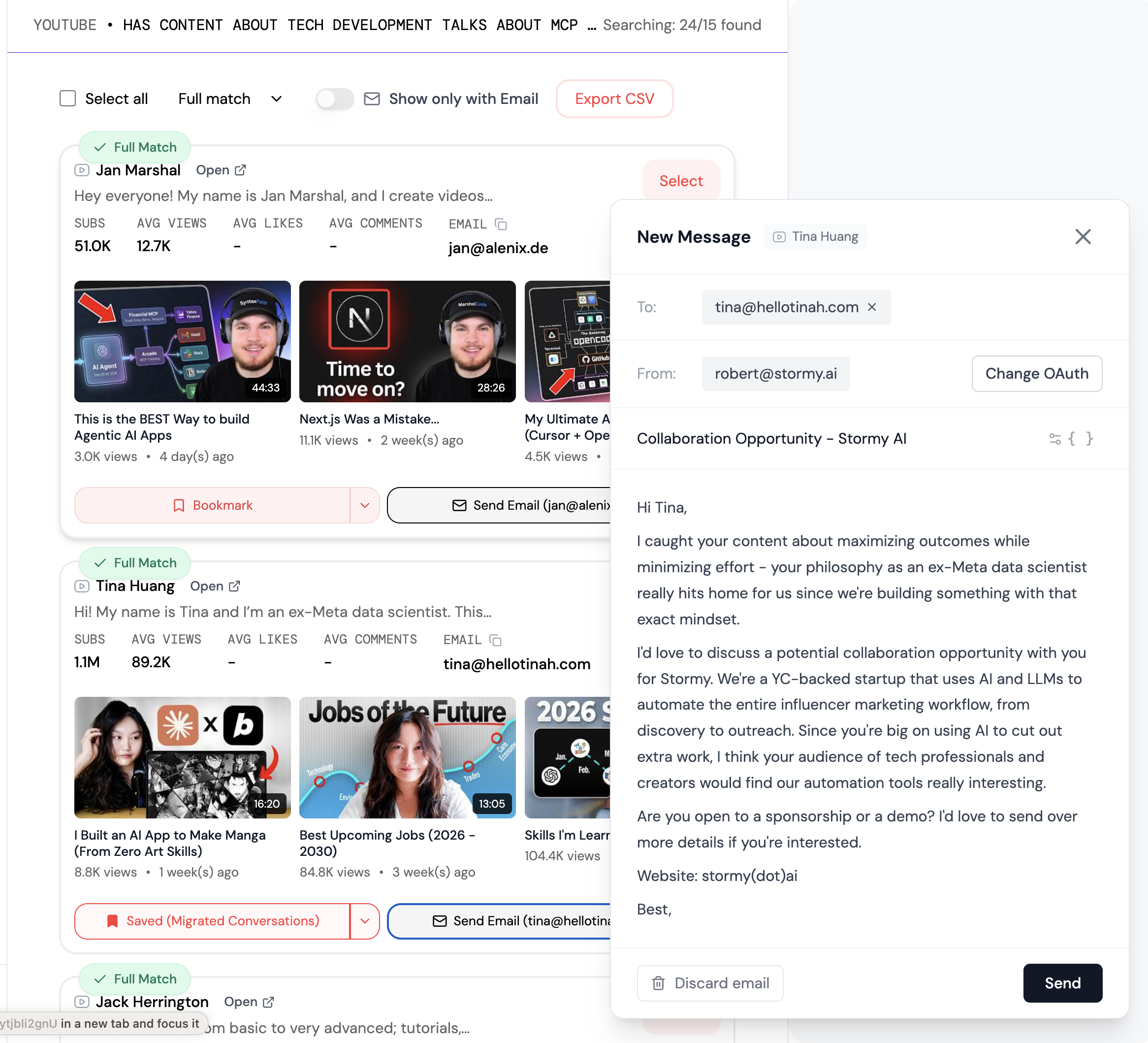
To scale these campaigns, many brands are now turning to UGC (User-Generated Content). By partnering with creators to unbox these 'Welcome Packs,' you create social proof that the deal is too good to pass up. Tools like Stormy AI can help source and manage UGC creators at scale, allowing brands to find influencers in specific niches—like fitness or productivity—who can authentically demonstrate the value of these bonuses. Using an AI-powered creator discovery engine ensures you are partnering with influencers whose audience demographics actually match your high-end brand profile.
Step-by-Step Playbook: Implementing Your Digital Scavenger Hunt
If you want to move beyond simple discounts this year, follow this playbook to launch an interactive black friday gamification campaign:
Step 1: Choose Your 'Grand Prize'
Select a high-value incentive that feels exclusive. This could be a $200 store credit, a lifetime subscription, or a 'money-can't-buy' physical item. The prize must be significant enough to warrant the effort of a hunt.
Step 2: Create Your Puzzle Layers
Break your promo code or 'secret link' into parts. Distribute these parts across different channels: one in an email, one in a Instagram Story, and one hidden on a specific product page. This forces your customers to engage with your entire digital footprint.
Step 3: Leak the Clues via Creators
Instead of announcing the hunt yourself, have influencers 'leak' the first clue. You can use Stormy AI's outreach tools to send personalized emails to dozens of creators, inviting them to be the 'starting point' for their followers. This adds a layer of authenticity and viral potential to the campaign.
Step 4: Monitor and Track
Use real-time analytics to see which clues are driving the most traffic. If a puzzle is too hard, 'leak' a hint through an automated email follow-up. This keeps the momentum going and ensures the game doesn't stall.
Conclusion: Winning Black Friday Without Losing Your Brand
Black Friday doesn't have to be a race to the bottom. By implementing black friday gamification and interactive marketing examples, prestigious brands can drive record-breaking revenue while actually strengthening their brand equity. Whether it is through Apple-style gift cards, Bodega-style scavenger hunts, or Four Sigmatic-style progress bars, the goal is the same: make the sale an event, not just a transaction. As you prepare your next campaign, remember that the most successful ecommerce promotional strategies are the ones that make the customer feel like a winner. By combining these creative tactics with modern tools for creator discovery and post tracking, you can turn a single week of sales into a year-long foundation of loyal, engaged customers.
","meta_description":"Learn how prestigious brands use Black Friday gamification, scavenger hunts, and store credit to drive FOMO and revenue without cheapening their brand image."}