The Billion-Dollar Founder Mindset: How the Ramp Team Designs for Extreme Velocity
Learn the entrepreneurship leadership 2026 principles behind Ramp's growth. Discover how Eric Glyman uses emotional regulation and organizational design to scale.
In the high-stakes world of venture-backed startups, the term "hyper-growth" is often thrown around loosely. However, few companies have embodied the term as literally as Ramp. Founded by Eric Glyman and Karim Atiyeh, Ramp achieved a billion-dollar valuation in less than two years from incorporation—a feat that many seasoned investors thought was mathematically impossible for a New York-based fintech. As we navigate the landscape of entrepreneurship leadership 2026, the Ramp playbook offers a masterclass in how to design an organization not just for success, but for extreme operational velocity.
Building a $20 billion company in just six years requires more than a good product; it requires a radical commitment to speed. "The world is moving faster than ever," Glyman noted during a recent session on My First Million. By reverse-engineering their path to a billion-dollar valuation within an 18-month window, the Ramp team avoided the common pitfalls of the 'innovation plateau.' They didn't just build a better credit card; they built a company designed to ship things faster than legacy giants like Capital One or American Express.
The Physics of Velocity: Counting Days, Not Years
Eric Glyman shares his ambitious goal of building a billion-dollar company in 18 months.
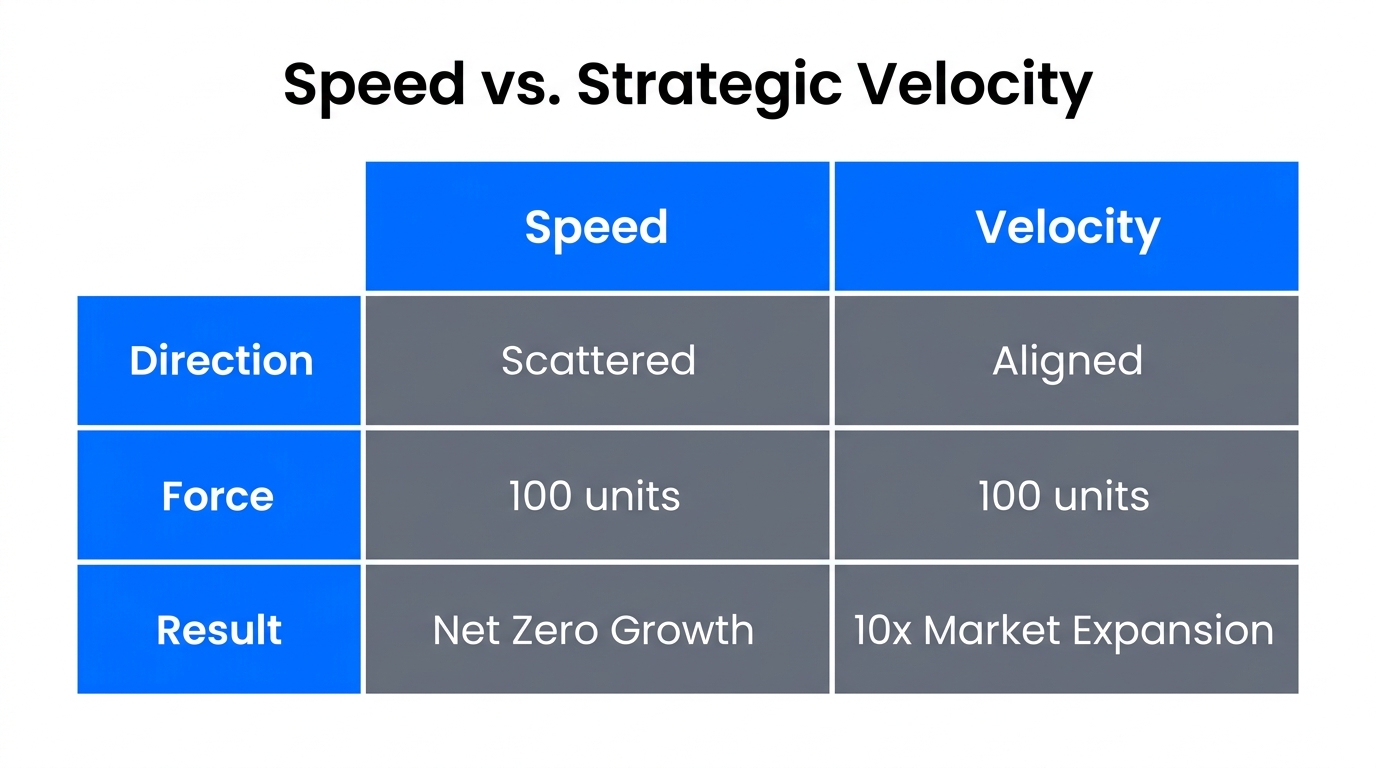
For most founders, "long-term planning" means looking at five-year horizons. At Ramp, velocity is measured in days. As of 2026, the company is exactly 2,310 days old, a metric Glyman tracks with religious fervor. This business growth mindset stems from the realization that legacy banks rely on "enduring brands" and "distribution moats" rather than product innovation. To compete with institutions whose founders "wore top hats," Ramp had to optimize for every single day of its existence.
"We were hellbent on being approved by the network within 45 days, by our bank within 60, and funding our first transaction within 70. We counted the days because velocity was our only edge."
This obsession with time manifested in aggressive growth targets: 10% weekly growth in the early stages, followed by a consistent 20% monthly growth at scale. Achieving this required a tech stack that could handle the load. Many modern startups pair Ramp's financial controls with platforms like Rippling for HR or Salesforce for CRM to abstract away the "paper cuts" of business operations. By removing friction, the leadership team could focus entirely on high-leverage growth tasks.
| Milestone | Time from Launch | Key Metric |
|---|---|---|
| $1M Run Rate | ~4 Months | Initial Product-Market Fit |
| $10M Run Rate | ~10 Months | Aggressive Market Expansion |
| $100M Run Rate | ~17 Months | One of the fastest in SaaS history |
| $8.1B Valuation | ~24 Months | Peak Operational Velocity |
Designing for Disagreement: High Standards as a Culture
Discover how the Ramp founders embrace intense internal debate to solve complex business problems.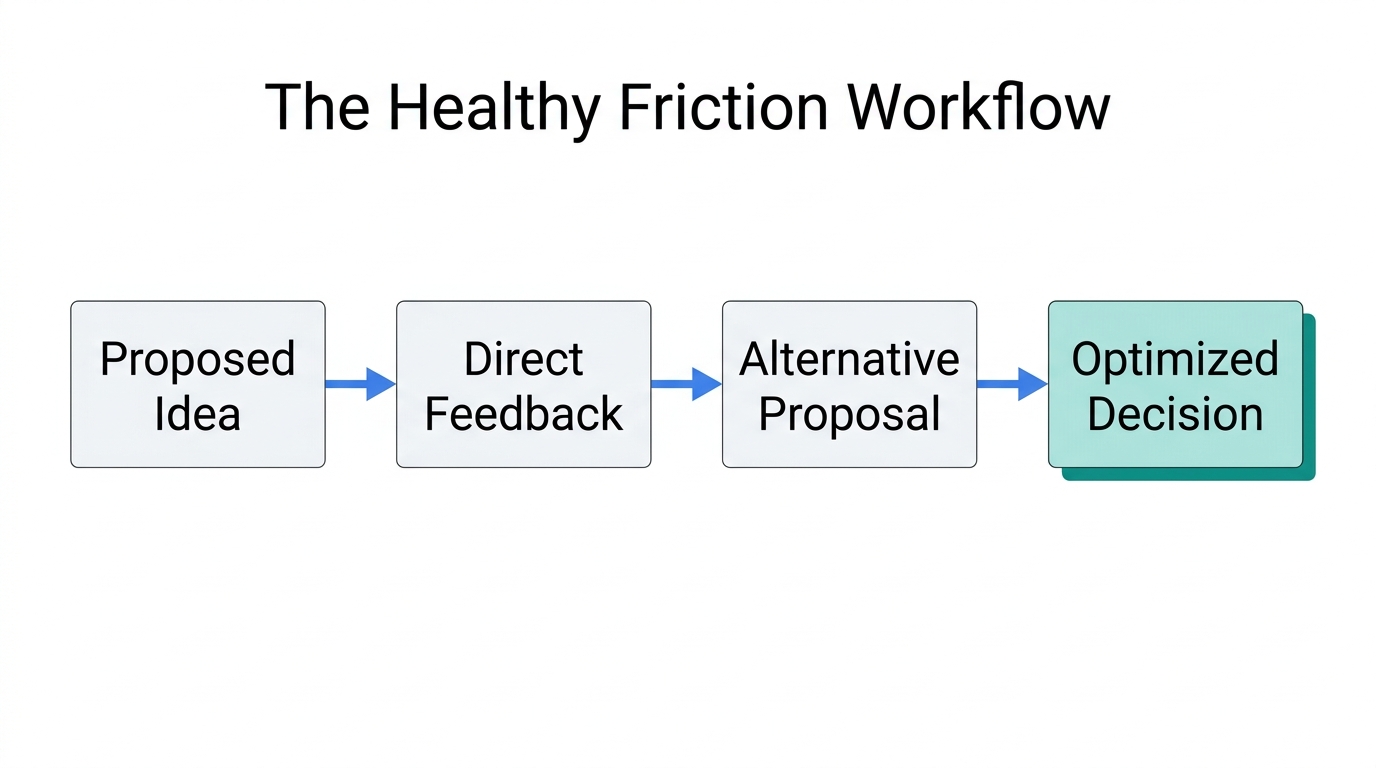
A common mistake in scaling startup culture is prioritizing harmony over high standards. At Ramp, the culture is explicitly designed for "beating each other up" internally. This isn't about toxicity; it's about stress-testing every assumption before it hits the market. Glyman and Atiyeh resolve to worry about problems three to six months in the future, ensuring that the trajectory remains "up and to the right" even when the external environment shifts.
This internal friction acts as a filter for excellence. When you are growing 70x year-over-year, you cannot afford to "not solve problems until they hit you." Drawing from their experience at Capital One (after selling their first company, Paribus), they realized that large organizations move slowly because they fear disagreement. In contrast, high-performing teams use disagreement as a tool for rapid iteration. This mindset is essential when using modern AI tools; for instance, growth teams might use Stormy AI to discover and vet thousands of creators, but the strategy behind those partnerships requires the kind of rigorous internal debate Ramp champions.
The 'Operational Excellence' Hire: Surrounding Visionaries with Triagers
One of the most candid admissions Glyman makes is about his own flaws. "If there are 100 things to do, my mind will pick the top five and forget the rest," he explains. While this "blank sheet" thinking is great for vision, it is disastrous for a company with 1,100+ employees. The solution? Designing a team that compensates for founder weaknesses. This involves hiring "operational legends"—people who excel at triaging, cascading, and executing on the 90% of tasks a visionary might miss.
As you scale in 2026, your hiring strategy must shift from "generalists" to "specialized triagers." These hires ensure that as the company grows, the "logistics of growth"—from making sure every new hire has a computer to managing complex Stripe integrations—don't slow down the core mission. By surrounding themselves with people who find "extreme joy in their craft," founders can maintain their focus on the "one or two things that matter."
"You can decide to fix your flaws, or you can design your company to be performant in spite of them. I chose the latter."
Emotional Regulation: The Secret Growth Lever
Learn the vital skill of self-resetting and maintaining the right headspace during high-pressure growth.Most "alpha" founders are high on the "disagreeable" scale, often leading to burnout and high turnover. Glyman, however, is noted for his emotional stability and calmness. He views emotional regulation as a competitive advantage. Inspired by his mother's "gentle parenting" techniques—where siblings had to repeat each other's arguments before responding—Glyman developed a framework for maintaining a "steady hand" during hyper-growth stress.
In the world of entrepreneurship leadership 2026, your ability to "reset" after a bad morning is more valuable than your technical skills. Glyman uses introspective philosophical questions to manage stress: "Does being mad help me right now?" By separating his ego from the business's daily fluctuations, he avoids the "existential anxiety" that plagues many founders. This stability allows the team to focus on compounding gains rather than reacting to short-term volatility.
To maintain this balance, many top founders utilize a "modern growth stack" that includes productivity tools like Notion for documentation and Linear for project management. When the "boring" parts of the business are automated, the founder's emotional bandwidth remains clear for high-level strategy and relationship building.
Avoiding the 'Bootstrap Trap': Raising for Dominance
While "bootstrapping" is a popular narrative, Ramp's story illustrates when and why to raise massive capital. After selling Paribus, Glyman and Atiyeh had the "integrity of relationships" to raise $2 million initially, but they knew that to win the $100 trillion corporate spend market, they couldn't move at a "bootstrap pace." The "Bootstrap Trap" occurs when founders prioritize ownership over market dominance, allowing slower, better-funded competitors to take the lead.
Ramp's decision to raise capital was about buying time. They recognized that the "physics of compounding" rewards those who can grow 30% for 30 years. To get to that steady-state compounding, they first had to achieve "escape velocity." By leveraging venture capital, they were able to hire 50 people every two weeks and build a product that "abstracts away the paper cuts" for their customers. For businesses looking to scale creator marketing in 2026, platforms like Stormy AI offer a similar "velocity lever," allowing brands to automate the outreach and discovery that would otherwise take months of manual effort.
The 2026 Audit: How to 'Blow Up' Your Calendar
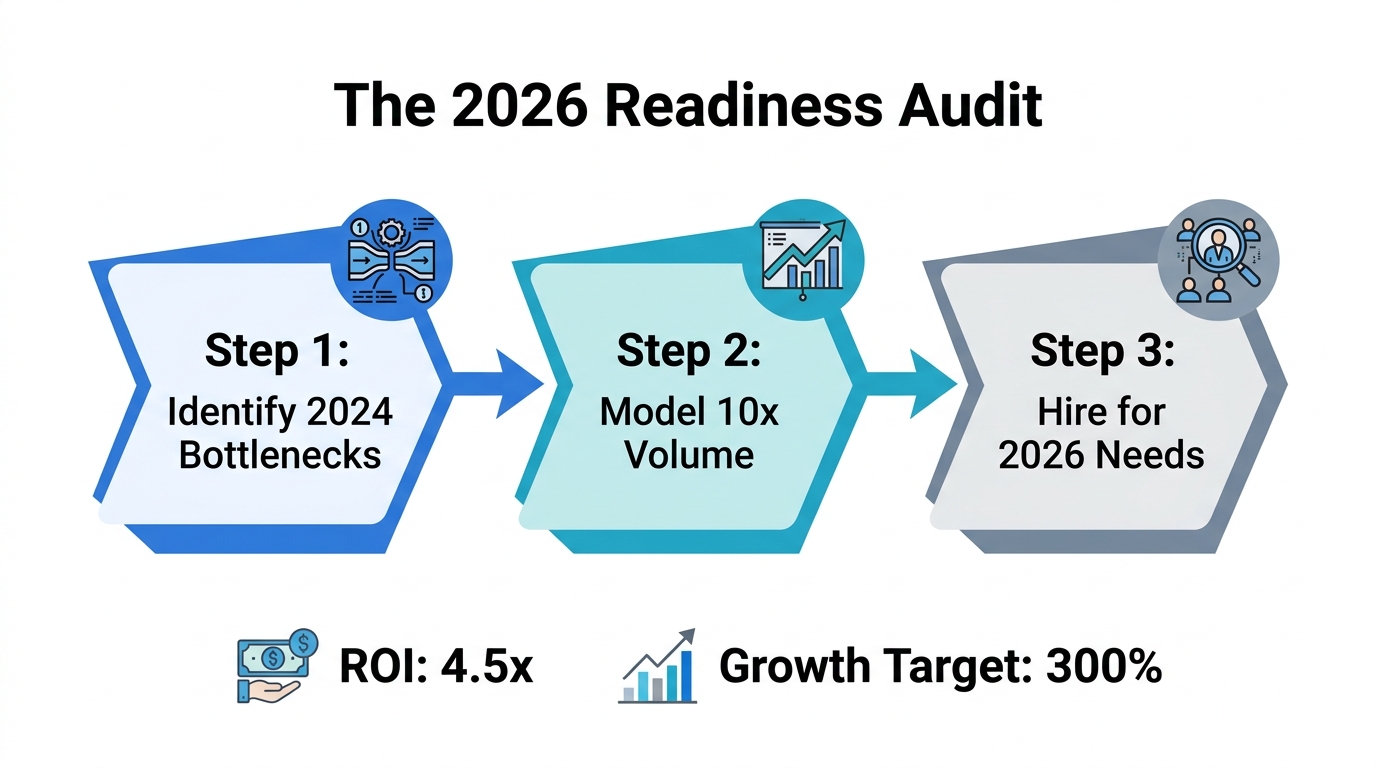
Founder productivity often plateaus because leaders continue to do the tasks they used to be good at, rather than what the company needs them to do now. Glyman's "founder productivity hack" is simple but radical: regularly blow up your calendar. If you find yourself spending weeks doing things you hate or are no longer the best at, you are creating an organizational bottleneck.
Step 1: The High-Leverage Audit
Every quarter, list every recurring meeting and task on your calendar. Ask: "If I stopped doing this today, would the company break in three months?" If the answer is no, delegate it to an operational triager or automate it using tools like Zapier or Make.
Step 2: Redesign the Week
Glyman preserves Saturdays for "clearing his head"—runs, reading biographies (he's read 15 on Steve Jobs), and design thinking. Sundays are for picking up the threads for the coming week. By segmenting deep work from operational triage, you maintain the "founder mindset" required for long-term vision.
Step 3: Identify Your 'Extra Point'
When reference-checking or self-auditing, Glyman asks: "What makes this person a 9 out of 10? And what do they need to get that extra point?" This relentless pursuit of the "extra point" applies to the founder's own evolution. In 2026, that extra point is often emotional regulation and impulse control.
Conclusion: Building for the Next 100 Years
The Ramp story isn't just about fintech; it's about the intentional design of velocity. By combining high internal standards, a focus on emotional stability, and an organizational structure that compensates for founder flaws, Eric Glyman and his team have built a company that behaves like a "speed boat" despite having the weight of a "cruise ship."
As you build your own venture in 2026, remember that velocity is a choice. Whether you are managing your corporate spend with Ramp, scaling your payroll with Rippling, or automating your creator discovery with Stormy AI, the goal remains the same: don't fight the power of compounding. Design for speed today, so you can compound for the next century.