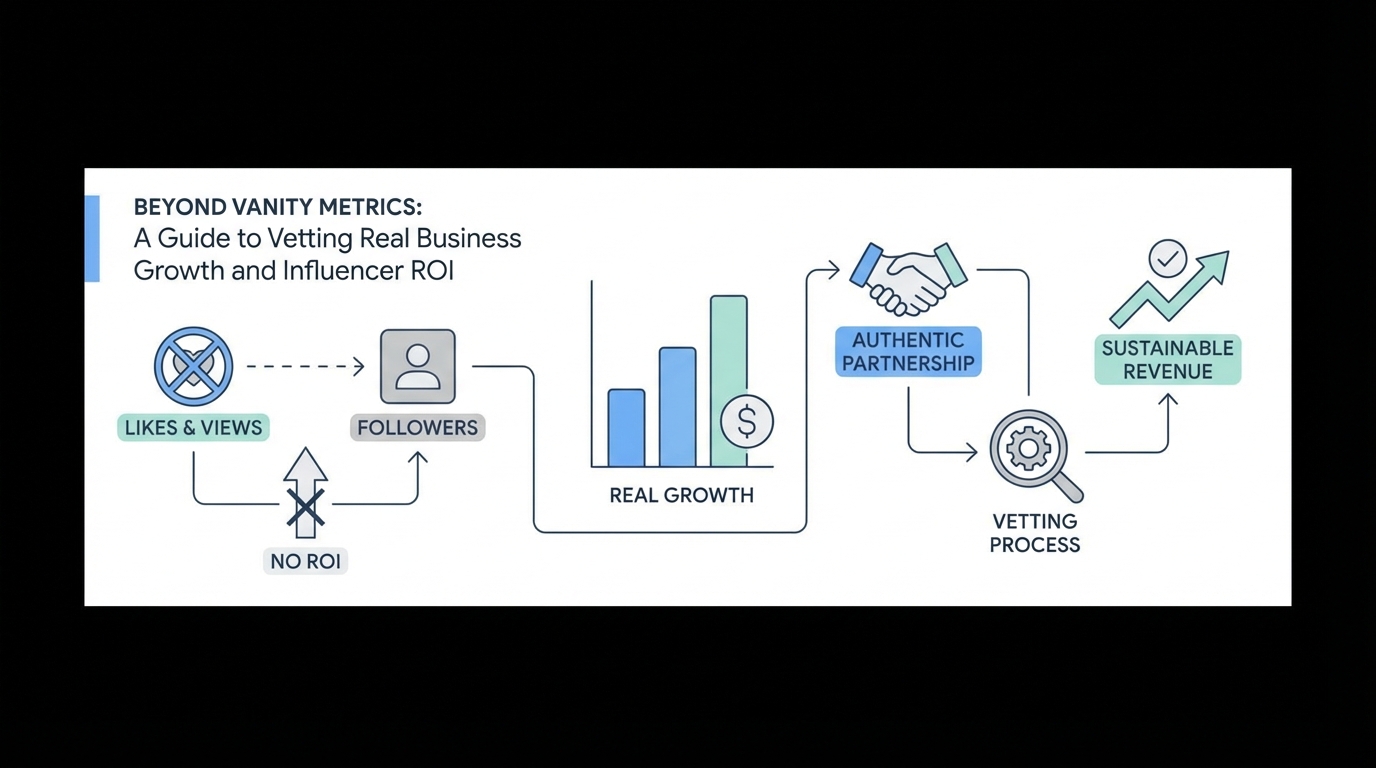
In the high-stakes world of digital marketing and venture-backed startups, there is a pervasive fog of "vanity metrics" that often obscures the truth of a company’s health. We have all seen the screenshots: a Stripe dashboard showing millions in revenue, or an agency owner bragging about a "$50 million pipeline." But if you pull back the curtain, the reality is often far less glamorous. Many of these "million-dollar businesses" are actually just businesses that managed to make a million dollars over five years—averaging out to a modest salary after expenses. If you want to build something that actually scales, you have to stop looking at top-line revenue and start focusing on the only number that truly matters: monthly net free cash flow.
The ARR Mirage and the Pipeline Lie
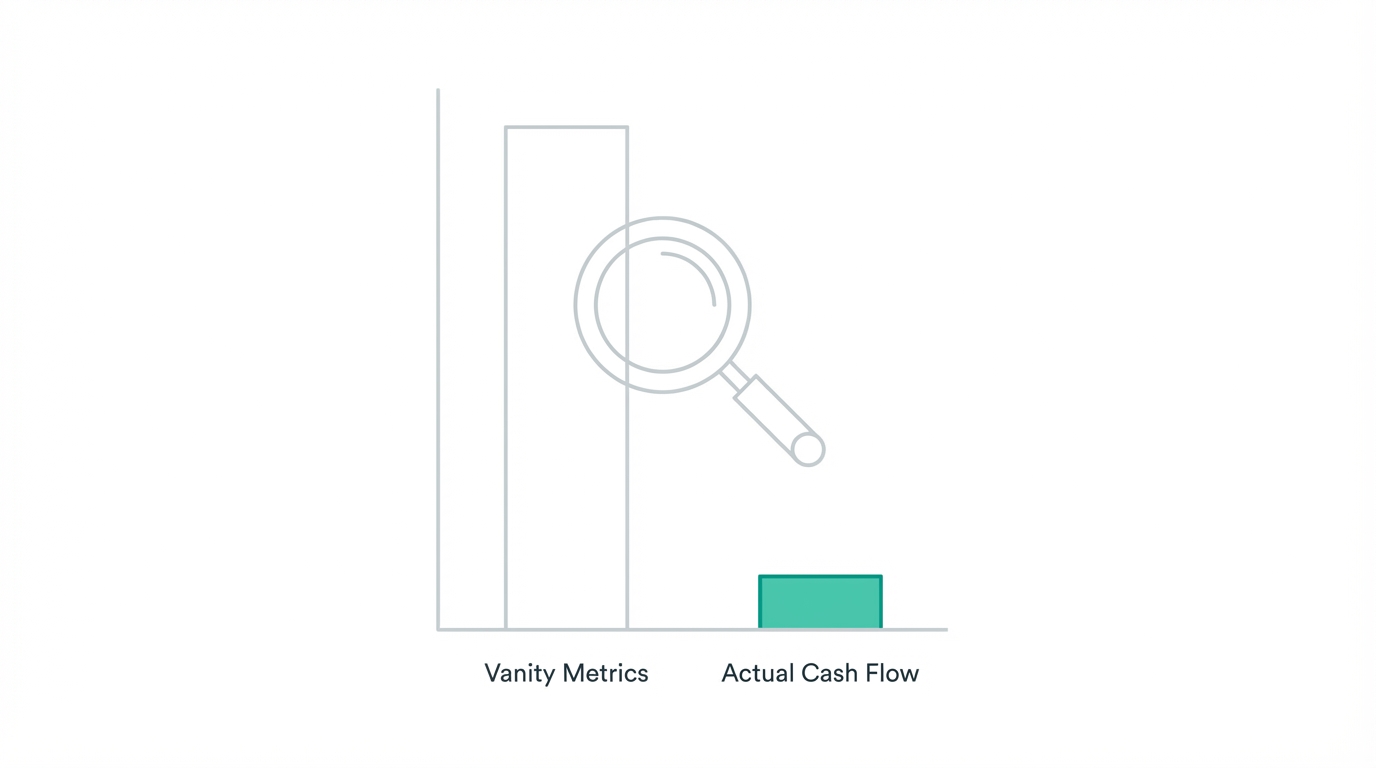
The tech industry is obsessed with Annual Recurring Revenue (ARR) and "pipeline" value. However, these metrics are frequently manipulated to create a false sense of success. On social media platforms like LinkedIn and X, it has become common to see founders conflate potential with reality. A "$50 million pipeline" often just means a collection of Typeform entries from people who haven't spent a dime. It is the digital equivalent of counting your chickens before they have even been conceived, let alone hatched.
As the marketing landscape shifts towards more authentic connections, brands are realizing that high-level statistics don't always equate to bottom-line growth. Whether you are managing an internal team or vetting influencer performance vetting strategies, you must learn to distinguish between "active growth" and "accumulated statistics." A founder claiming they built a "$5 million business" might simply be aggregating five years of $1 million annual revenue. While impressive to a layperson, that business is fundamentally different from a company generating $5 million in a single year with a 40% margin.
Vetting Influencer Performance Stats: The "Walgreens" Red Flag

When it comes to social media analytics for brands, the same level of skepticism must be applied to creator partnerships. One of the biggest red flags in the industry is what we call the "Walgreens is a Partner" phenomenon. This occurs when a creator or agency lists a massive household brand as a "partner" when, in reality, their relationship was transactional and minor. Buying a pack of toilet paper at Walgreens doesn't make you a corporate partner, yet in the influencer world, many creators use one-off gifted campaigns to bolster their media kits with logos they don't truly represent. [Source: Influencer Marketing Fraud Reports]
To avoid falling for these inflated claims, brands must look at influencer performance vetting through a different lens. Instead of looking at a static list of past clients, look for repeatable success. Are they driving consistent engagement? Do they have a track record of moving the needle for specific niches, like the high-margin pet supplement space or the recurring newsletter economy? If a creator cannot show how their content specifically impacted a brand's monthly net free cash flow, they are likely selling you on business vanity metrics like "reach" and "impressions."
The "Coffeezilla" Methodology for Auditing Tech Entrepreneurs
For those unfamiliar, Coffeezilla is a prominent investigator who exposes scams and fraudulent marketing claims in the crypto and tech spaces. His methodology—rooted in forensic accounting and relentless skepticism—is something every brand should adopt when auditing potential partners or agencies. It involves looking for the gaps between what is said and what is shown. When an agency claims a high ROI, ask to see the Meta Ads Manager or Google Ads data that supports those claims.
The "Coffeezilla" approach is about normalizing the truth. In a world where everyone is "crushing it," the person who speaks openly about their 120K monthly free cash flow after split-testing expenses is the one you want to learn from. This level of transparency is rare but essential for calculating influencer ROI. Tools like Stormy AI can assist in this audit process by providing AI-powered quality reports that detect fake followers and engagement fraud, effectively acting as an automated "Coffeezilla" for your creator discovery phase.
Spotting the "Broken Version of the Game"
Many aspiring entrepreneurs and marketers are being taught a "broken version of the game." They are told to focus on raising capital or increasing their follower count without understanding the skill of spending money. Spending money is a skill—moving from a $5,000 monthly ad spend to $20,000 requires confronting the discomfort of scale. If you are not tracking monthly net free cash flow, you will never feel secure enough to make those necessary investments in growth.
KPIs for Real Scalability: Net Free Cash Flow vs. Top-Line
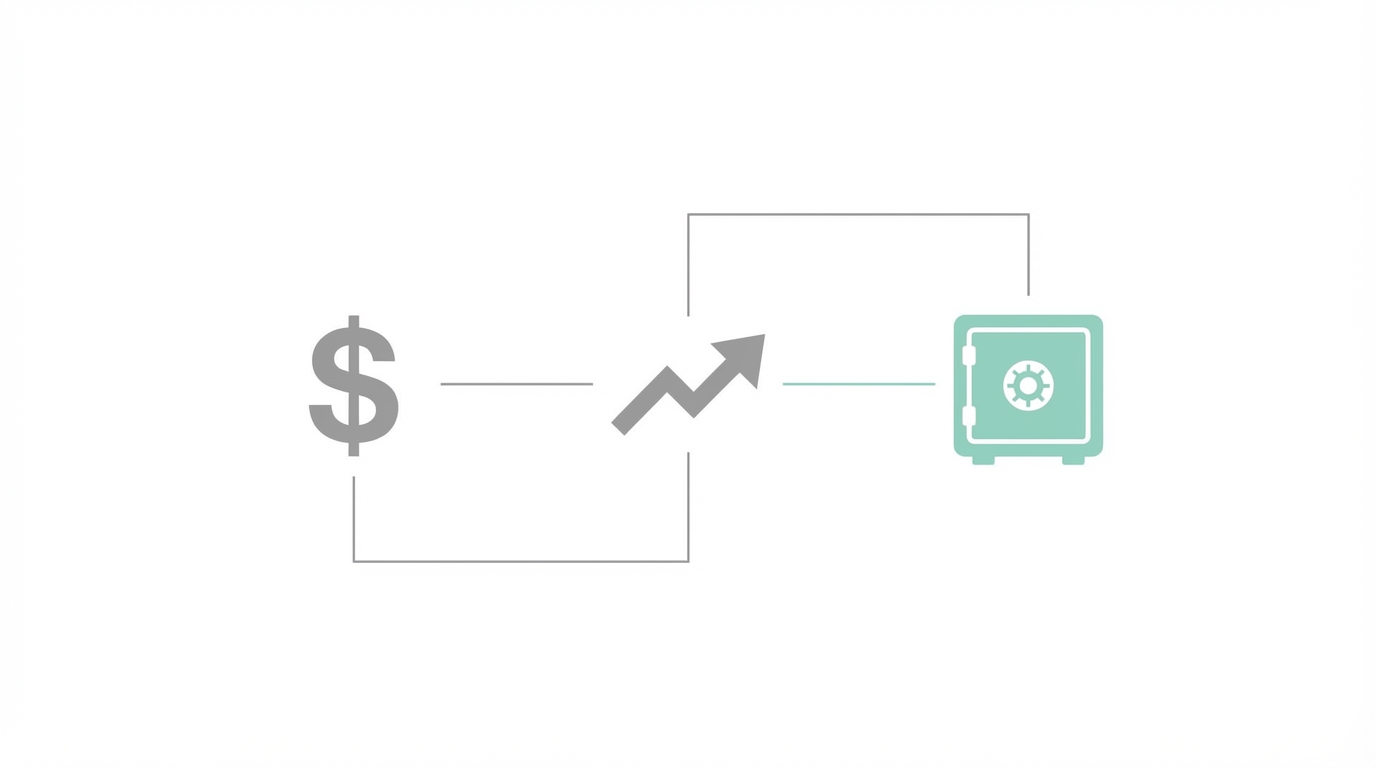
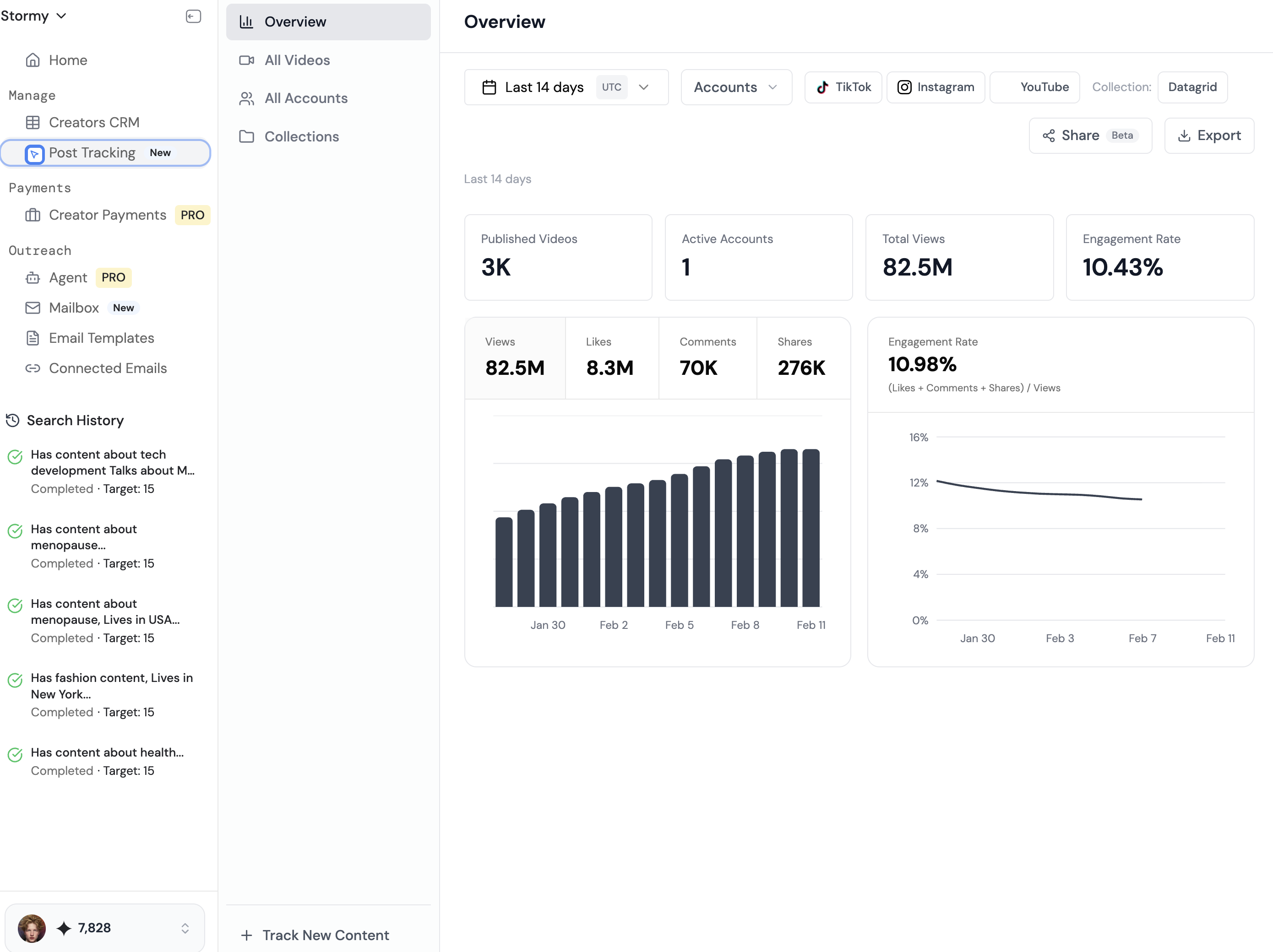
If you want to reach the $10 million mark, you need to abandon top-line revenue as your primary KPI. Instead, focus on these three pillars of real scalability:
- Monthly Net Free Cash Flow: The amount that hits your bank account after all taxes, partner splits, and operating expenses.
- Customer Lifetime Value (LTV): Understanding that the recurring revenue is the beginning, not the end. Are you selling your customers an "experience bonus" or a "book that never ends"? [Source: LTV Definition]
- Operational Efficiency: Using AI to achieve 10x productivity. Whether it's an "uneducated intern" version of AI for basic tasks or high-level automation for content distribution, efficiency dictates your margin.
Take the example of a niche paid newsletter. A newsletter with 1,000 people paying $30 a month creates a $30,000 monthly cash flow with 90%+ margins. This is far more valuable and sustainable than a high-revenue agency with 5% margins and a high churn rate. When searching for creators to help promote such products, using Stormy AI's discovery engine allows you to find hyper-niche influencers—such as those specifically focused on Border Collie owners or SaaS for personal finance—who command higher trust and better conversion rates than broad-market influencers.
The Playbook for Vetting Business Growth and Influencer ROI

To ensure you are building on solid ground, follow this step-by-step playbook for vetting performance and ensuring ROI.
Step 1: Audit the Source Material
Never take a screenshot at face value. Ask for live walkthroughs of dashboards. If you are vetting a creator, look past the follower count. Use social media analytics for brands to see if their audience is actually engaging in meaningful ways. Are people asking questions in the comments, or is it a sea of "nice post" emojis? High-quality engagement is a lead indicator of future monthly net free cash flow.
Step 2: Calculate the Real Margin
When an influencer or a business partner presents a case study, ask for the net. If they made $1 million in sales but spent $900,000 on TikTok Ads and production, the ROI is significantly lower than a organic campaign that generated $200,000 in sales for $10,000 in spend. Calculating influencer ROI requires a holistic view of all costs, including the time spent managing the relationship.
Step 3: Test for Attention to Detail
Attention to detail is a proxy for how a partner will handle your money. A small trick used by top founders is to check for "micro-tests" of competence. Did the creator follow the naming convention in the contract? Did the agency add the correct Zoom link to the calendar invite? If they can't handle the small details of communication, they cannot be trusted with the complex details of your business vanity metrics vs. real growth strategies.
Step 4: Diversify and Automate
Real growth is decentralized. Don't rely on one platform or one creator. Build a portfolio of cash-flow-positive assets. Use tools like Notion to track your creator CRM and ensure that your outreach is consistent. Automating the discovery and vetting process with an AI agent allows you to scale your influencer performance vetting without increasing your personal workload.
Conclusion: Focusing on the End Game
The path to $10 million isn't paved with viral tweets or inflated ARR numbers. It is built through a disciplined focus on high-margin products, niche communities, and monthly net free cash flow. By adopting the "Coffeezilla" mindset and refusing to be swayed by business vanity metrics, you protect your business from the "broken version of the game" played by so many on social media.
Whether you are building a "pet AG1" supplement brand or a hyper-niche newsletter for finance professionals, the goal is the same: sustainability. Vet your partners, vet your creators, and most importantly, vet your own metrics. Use the right tools to separate the signal from the noise, and focus on the cash that actually hits the bank. That is the only way to move from a "scarcity mindset" to a life of true business abundance.