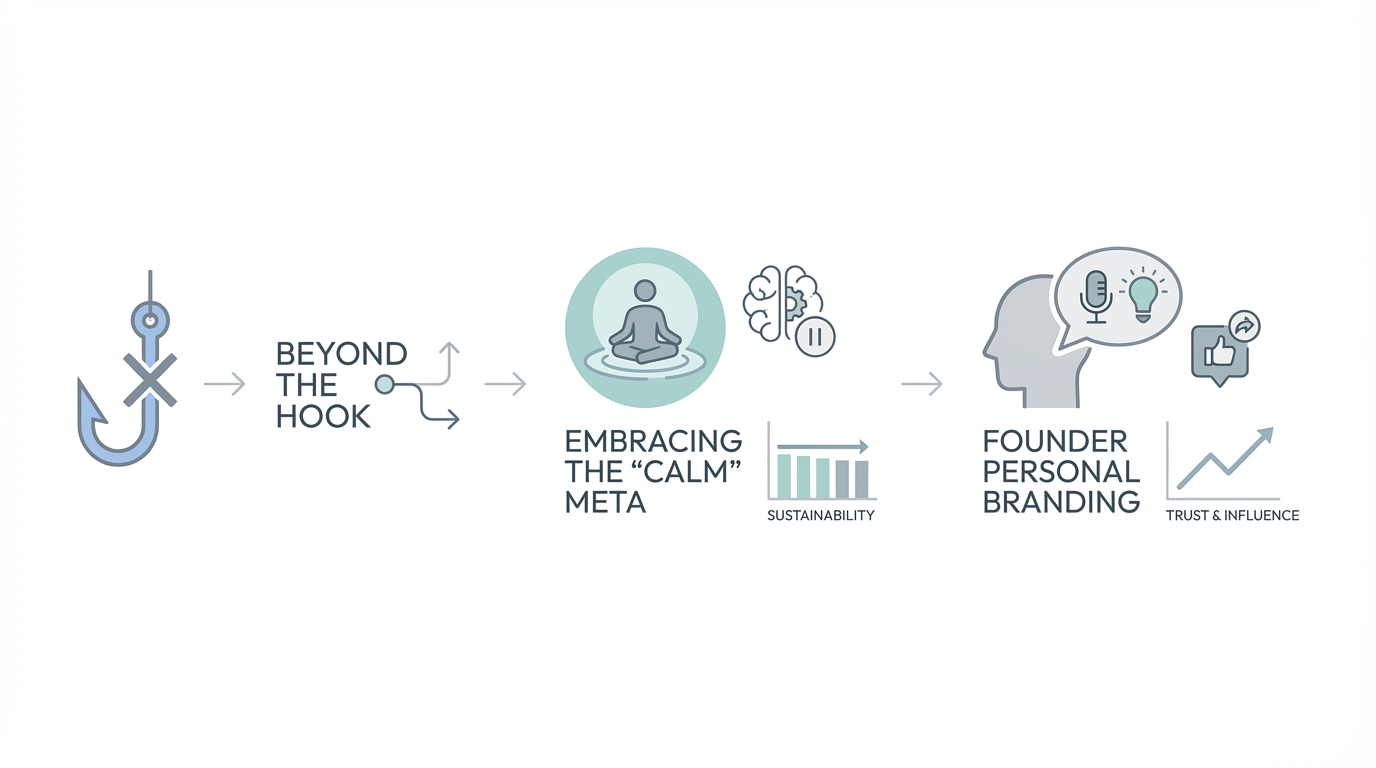
For the past three years, the recipe for success on social media has been relatively simple: hit the viewer with a high-octane hook in the first 1.5 seconds, layer on fast-paced captions, and maintain a breakneck editing speed to prevent anyone from scrolling away. But as the digital landscape becomes increasingly saturated with these "loud" formats, a new shift is occurring. Audiences are developing an immunity to over-produced, high-energy content. In its place, a more nuanced, sophisticated, and effective approach is emerging. This evolution represents a move toward the 'calm' meta and personal branding for founders, where authenticity and cinematic storytelling are outperforming the old-school growth hacks.
The Rise of the 'Calm' Meta: Why Less is More

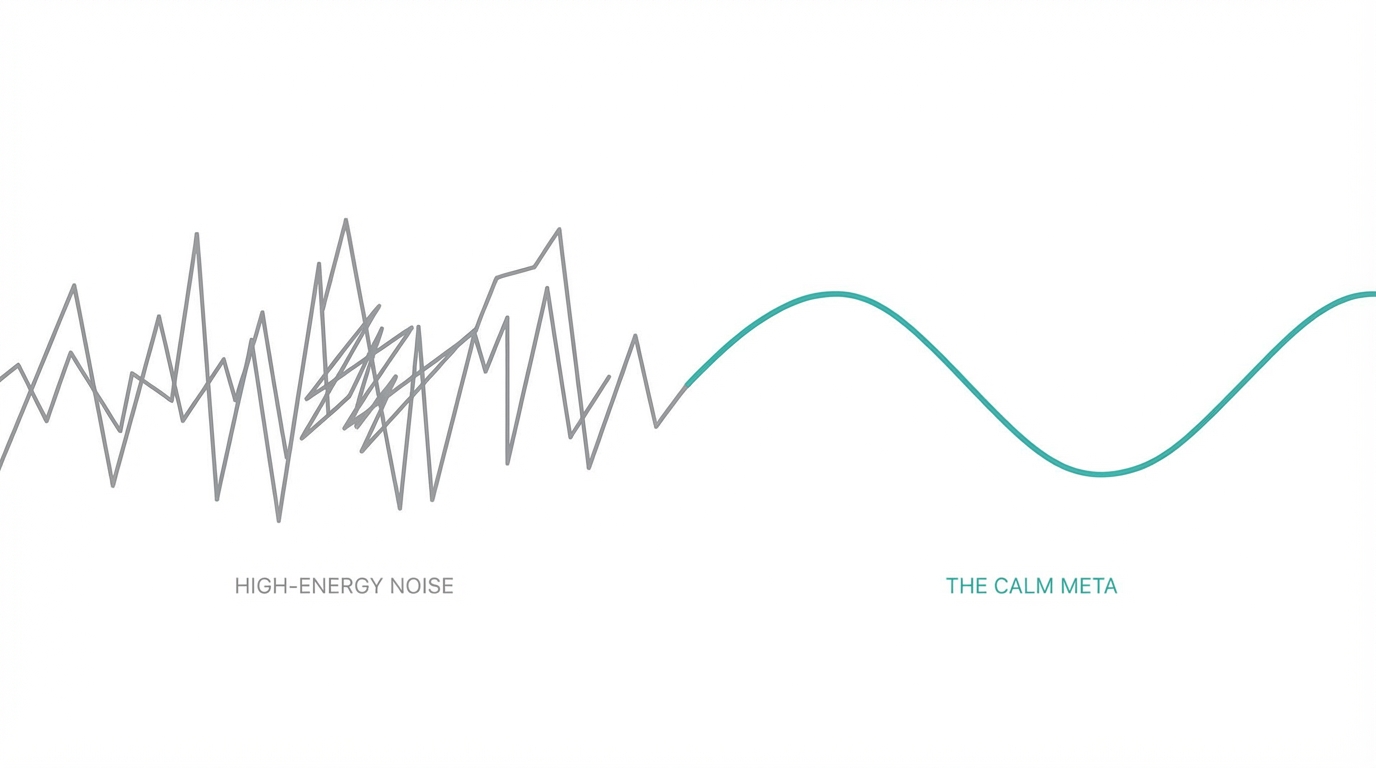
The 'calm' meta is a direct response to the "hook-heavy" culture of Instagram Reels and TikTok. Instead of screaming for attention, this style uses longer takes, horizontal framing on vertical platforms, and a conversational tone that feels like a FaceTime call with a friend. This trend isn't just a stylistic choice; it is a high-performing Instagram reels strategy that prioritizes deep connection over superficial views. To find these types of niche creators, brands are using Stormy AI's AI search engine to find influencers across TikTok and Instagram who match this specific aesthetic.
Consider the recent experiments by marketing innovators like Eunice Lie, who successfully transitioned from viral "loud" videos to calm, horizontal formats. In one instance, a 90-second horizontal video of her simply talking about her life garnered 35,000 views. While that number might seem lower than a million-view viral hit, the conversion rate was staggering, resulting in over 200 to 250 high-quality followers. This proves that when everyone is doing the same thing, the most effective strategy is often to do the exact opposite. By slowing down the pace, creators signal to the algorithm and the audience that they are offering something of substance, moving away from short form video trends that rely solely on rage-bait or dopamine loops.
Founder Branding 101: Your Only Permanent Asset
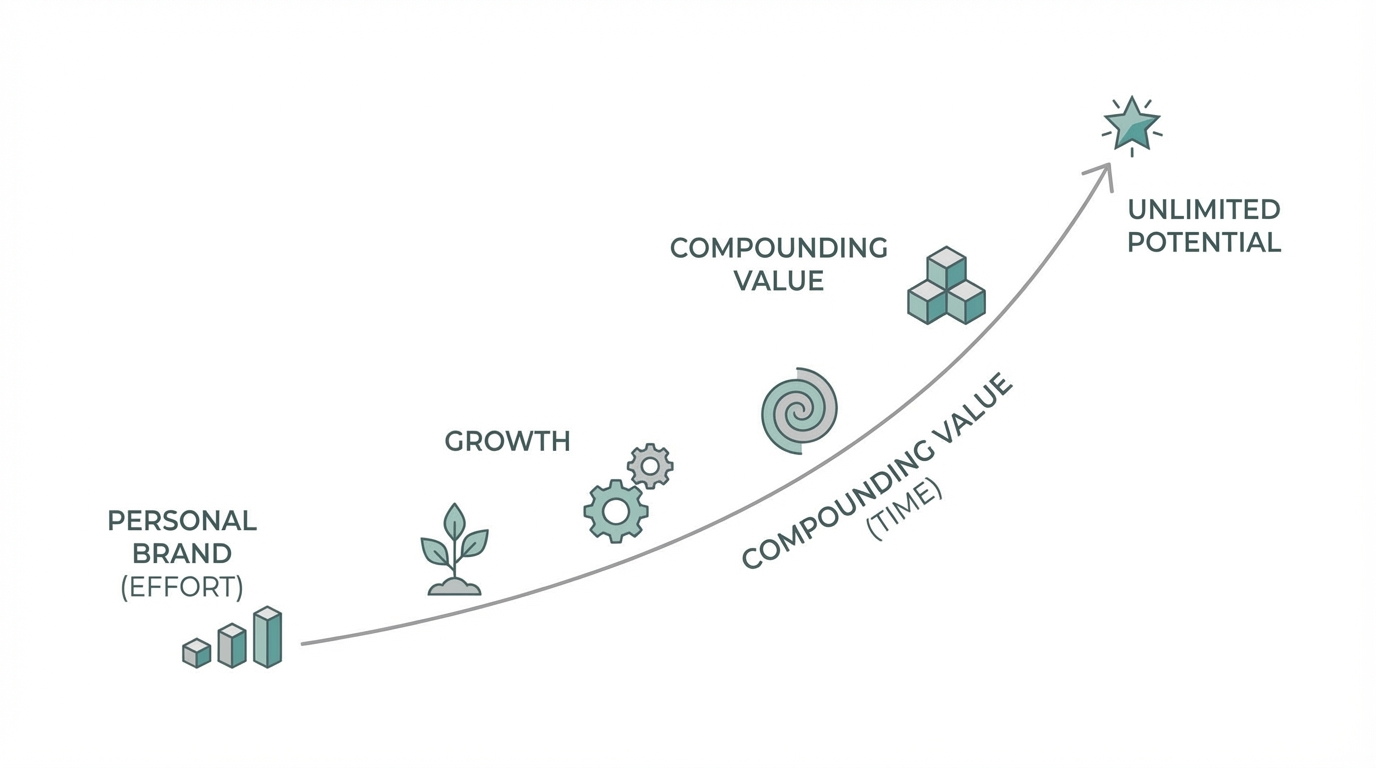
In the volatile world of tech, startups pivot, products fail, and companies are acquired. However, personal branding for founders is the only asset that stays with you forever. As platforms like Stormy AI demonstrate, the value of a creator is often tied to their personal narrative and the trust they have built with their audience. When a founder builds a personal brand, they aren't just marketing a product; they are building a reputation that survives the lifecycle of any single venture.
Building a brand as a founder allows you to maintain leverage. For example, Eunice Lie’s cinematic launch video for a previous startup helped the company raise $3 million in VC funding because it resonated within the venture capital community on X (formerly Twitter). Even after moving on to new projects, that personal authority allowed her to command attention for her next venture. Founders who invest in authentic content marketing find that investors and talent begin to seek them out, rather than the other way around. In today's economy, a founder's DM inbox is often more valuable than their LinkedIn recruiter seat.
The Power of Build in Public Marketing
One of the most effective ways to execute build in public marketing is the "journey" or "challenge" format. Humans are naturally curious and psychologically wired to follow a narrative to its conclusion. Whether it is a founder trying to reach 10,000 users in 30 days or a marketer documenting the daily grind of a startup launch, the day-by-day format creates a cult following.
A prime example of this is the "Hinge to Twitter" flywheel. By sharing real, unscripted conversations from dating apps like Hinge and connecting them to the startup's mission, marketers can humanize a brand in ways that traditional Meta Ads cannot. This type of content is reflexive; it reflects the real tech culture and invites the audience to participate in the joke. When people feel like they are part of an inside story, they transition from passive observers to active users. Converting a Hinge date into a registered user of an AI social network isn't just a funny anecdote—it's a masterclass in authentic content marketing and user acquisition.
The Cinematic Style: Standing Out in a Low-Effort World
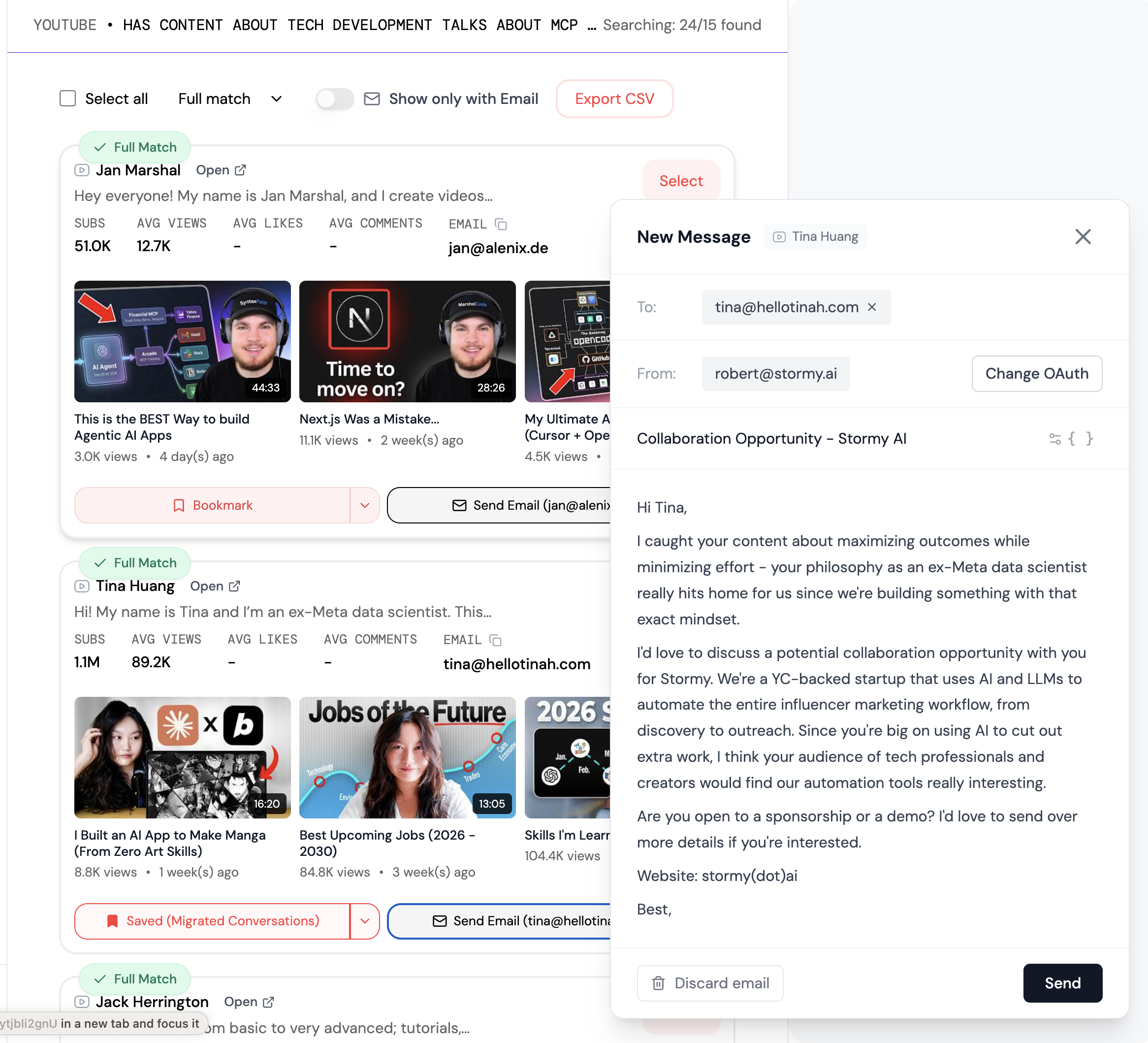
As short form video trends lean further into "low-fi" aesthetics, there is a massive opening for high-quality, cinematic content. Using film backgrounds, professional lighting, and thoughtful compositions can make a brand feel premium and established. This is particularly crucial for mobile app marketing where the goal is often high-intent downloads. Stormy AI is an AI-powered platform for creator discovery, especially for mobile app marketing and UGC campaigns, and can help brands find UGC creators who specialize in this polished yet authentic look, bridging the gap between "too raw" and "too corporate."
Cinematic content doesn't have to be expensive. It is more about the intentionality of the shot. A minute-long video with a shallow depth of field and a clear narrative arc can outperform a hundred "trendy" dances. This style signals to the viewer that the brand cares about quality. It moves the conversation from "look at me" to "listen to this story." For startups targeting the Gen Z demographic, this "vibe-based" marketing is essential. Zoomers prioritize understanding and being understood, and cinematic visuals provide the emotional texture needed to facilitate that connection.
The Playbook: Finding Your Authentic Persona
To succeed in the current meta, you cannot simply copy what is working for others. You must find a persona that is rooted in your real personality but played up for the internet crowd. Follow these steps to define your digital brand:
Step 1: Identify Your Core Traits
Take one small, true aspect of your personality—perhaps your obsession with data, your chaotic productivity, or your dry sense of humor. On the internet, you are competing with millions of voices. You must play this trait up to the max. If you only put one foot in the door, audiences will sense the hesitation. Full-sending a persona makes you memorable.
Step 2: Choose Your Primary Platform
While multi-channel distribution is great, you need a "hub." For tech and founders, X remains the center of the conversation. However, LinkedIn is currently massively undervalued. Because many users find LinkedIn content "cringe," those who produce genuinely good, authentic content stand out immediately. High-value followers often reside on LinkedIn, making it a prime spot for personal branding for founders.
Step 3: Leverage Social Proof
In decision science, social proof is everything. When launching a campaign, don't just ask people to sign up; give them a reason to post about it. During the "Series Hamptons" campaign, over 100 interns posted a specific banner on LinkedIn, creating a flywheel of exposure. Once two or three people started, the rest followed. Use platforms like Stormy AI for finding UGC creators and influencers who already have the social proof you need to jumpstart your own movement.
Step 4: Practice 'Borrowing Clout'
If you don't have a massive following yet, participate in the trends of those who do. Engaging thoughtfully with viral creators or collaborating on a video—like the Cupidly launch that featured a viral "Hinge girl"—allows you to borrow clout. This is not about being a "reply guy"; it is about adding value to a trending conversation in a way that benefits both parties.
Managing the 'Cracked' Creator: A Guide for Founders
Many founders struggle with how to manage a creative or a "social media intern" who seems to have a better pulse on the market than they do. The key is to move away from quantitative KPIs like "get 1 million likes" and toward qualitative goals. You cannot guarantee virality; it is part strategy and part luck. Instead, focus on whether the content accurately reflects the brand identity and if the information provided is valuable to the target user. Using Stormy AI to vet creators ensures that their audience quality is high and their engagement is genuine before committing to a campaign.
As the attention economy evolves, creative burnout is a real risk. Founders must "let them cook." The more you prescribe a rigid formula, the less creative the output becomes. High-performing creators need the freedom to experiment with short form video trends and gorilla marketing tactics—such as gifting donuts or doormats to clients to gain exposure. These acts of kindness often lead to documented social proof that is far more effective than a traditional sales pitch. If you are tracking mobile app revenue, tools like Superwall can provide the hard data you need on the backend while your creative team handles the "vibe" on the front end.
Conclusion: The Future is Authentic
The transition from the "loud" meta to the 'calm' meta signals a maturing social media audience. Users are looking for authentic content marketing that feels real, cinematic, and human. Whether you are a founder building your personal brand or an app developer looking to scale via short form video trends, the path forward involves less shouting and more storytelling.
By embracing build in public marketing and investing in high-quality, cinematic visuals, you can move beyond the superficial hook and build a lasting connection with your audience. Remember: your product might change, but your personal branding for founders will stay with you forever. Start building it today by being the most authentic version of yourself—then turn the volume up just enough for the world to hear.