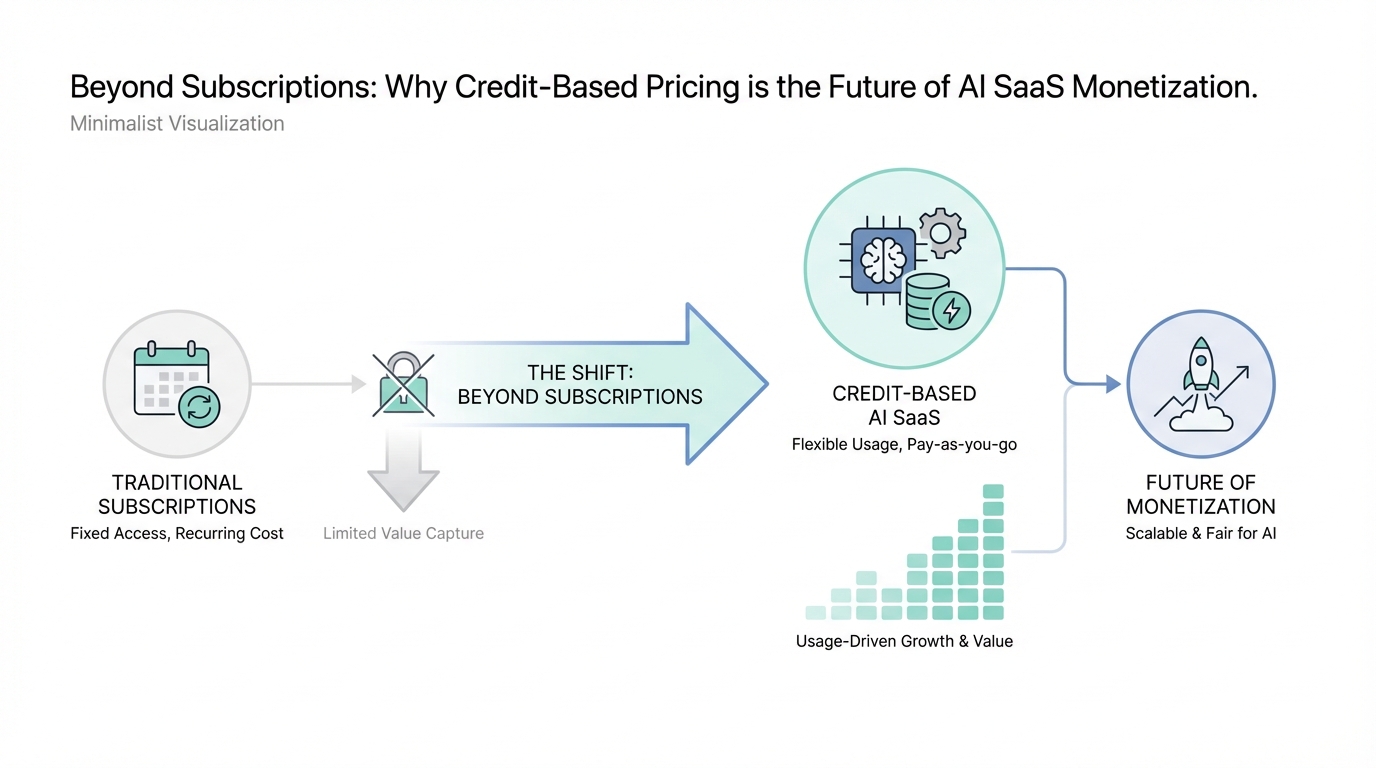
In the early 2010s, the Software as a Service (SaaS) model revolutionized the industry by replacing hefty upfront costs with predictable monthly recurring revenue (MRR). For a decade, investors and founders worshiped at the altar of the subscription. But as we move deeper into 2024, a shift is occurring. Subscription fatigue has set in. According to recent consumer reports on digital media trends, users are increasingly wary of another $20/month charge hitting their credit cards, leading to a resurgence of the one-time payment and the rise of the credit-based pricing model. This transition is particularly critical for AI-native applications where usage is often episodic rather than continuous.
The Psychology of Subscription Fatigue vs. One-Time Payments

For most consumers, the psychological friction of hitting "Subscribe" is significantly higher than that of a single purchase. We have reached a saturation point where the average household manages dozens of recurring payments. When a new AI tool hits the market, the immediate thought isn't just "Do I need this?" but rather "Do I need this every single month?" This is where ai saas monetization is evolving.
According to Jure, the founder of Parakeet AI, choosing a non-subscription model was a strategic masterstroke. By offering a credit-based pricing model, he removed the primary barrier to entry. For tools that solve specific, high-stakes problems—like a job interview assistant—users may only need the service for a few weeks. Forcing them into a monthly commitment feels predatory; offering them a bucket of credits feels like a fair trade. One-time payments give users a sense of ownership and control that the recurring model lacks.
Aligning Monetization with Product Usage: The Parakeet AI Case Study
Parakeet AI, an real-time AI interview assistant, provides a masterclass in saas pricing strategies 2024. Within just six months of launch, the product reached $35,000 in monthly revenue. The secret wasn't just the AI technology itself, but the way it was sold.
Jure realized that his competition was heavily focused on the subscription model. To disrupt the market, he used "No Subscription" as his primary marketing hook. A massive banner on his landing page announced: "One-time payment, no recurring fees." This simple positioning allowed him to steal market share from established players who were tethered to the MRR model. When you align your price with the actual value delivered—in this case, successful interview rounds—the conversion rates skyrocket.
To find the right creators to promote such a unique pricing hook, many founders are turning to Stormy's AI search. Instead of manually scouring social media or using legacy tools like Tagger, you can use natural language prompts to find influencers across TikTok, Instagram, and YouTube who specialize in "career growth" or "tech interview prep" and who can authentically explain why a credit-based tool is more user-friendly than a subscription.
Calculating Unit Economics: Managing API Costs vs. User Pricing
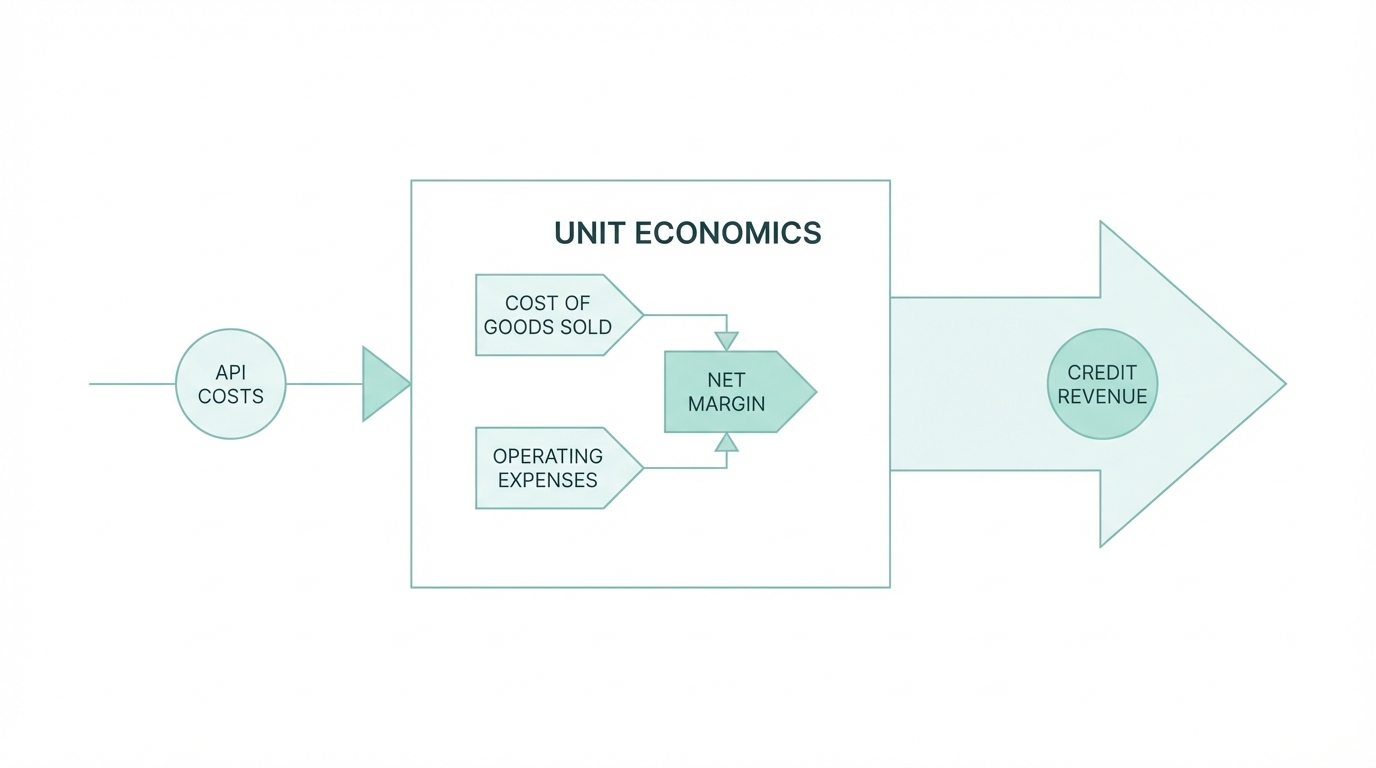
When figuring out how to price an ai app, founders must grapple with variable costs that traditional software didn't have. Every time a user interacts with your tool, you incur a cost from providers like OpenAI or Speechmatics. This makes credit based pricing not just a marketing preference, but a financial necessity for many.
For example, Parakeet AI uses Speechmatics for real-time transcription, costing roughly $1 per hour of transcription. On top of that, API calls to ChatGPT add another $1,000 to $2,000 in monthly overhead. If a user pays for a subscription but uses the tool 24/7, a founder could actually lose money. Credits solve this by ensuring that the unit economics always lean in the founder's favor. You sell 10 hours of AI time for a fixed price, and your margins remain protected regardless of how quickly or slowly the user consumes them.
The Playbook: How to Price Your AI App for Maximum Growth
Transitioning from a traditional model to a modern AI pricing strategy requires a disciplined approach. Here is a clear playbook for developers and marketers looking to optimize their ai saas monetization.
Step 1: Audit Your Raw Variable Costs
Before setting a price, you must understand your "COGS" (Cost of Goods Sold). Map out every API call. If you are using ChatGPT, calculate the average tokens per session. If you are doing audio, look at per-minute rates. Ensure your pricing covers these costs at least 5x over to account for overhead and marketing.
Step 2: Define Your Value Metric
What is the user actually buying? In Jure's business, it wasn't "software access," it was "interview assistance." By framing the purchase as credits, the user understands they are buying a utility, much like electricity or gasoline. This makes subscription vs one-time payment an easy choice for the consumer.
Step 3: Build a High-Trust Vetting Process
Before launching your pricing, ensure your product quality is high enough to justify the price. Users are more forgiving of a $10/month subscription that fails occasionally than a $50 one-time credit purchase that glitches. Use Stormy AI for influencer vetting and quality reports. Stormy automatically detects fake followers and engagement fraud, ensuring you only partner with high-quality creators who can maintain your brand's integrity during a paid launch.
Using 'No Subscription' as a Primary Marketing Hook
In a world of "death by a thousand monthly cuts," the phrase "No Subscription Required" is a powerful psychological trigger. It signals to the customer that you aren't trying to "trap" them in a recurring billing cycle. This builds immediate brand affinity and trust.
Marketing this hook effectively requires a heavy focus on organic short-form content. Jure's first business, Rummer, generated 200 million views on TikTok and Instagram by creating controversial, funny, and engaging videos. For an AI SaaS, the strategy is similar: show the problem, show the AI solution, and then close with the kicker that it's a one-time purchase. This "compulsive buy" nature works perfectly on platforms like TikTok.
To scale this distribution, you can't do it alone. You need to reach out to hundreds of creators to find the few who will go viral for you. Stormy's AI outreach can automate this entire process. It allows you to connect multiple Gmail accounts and set up an autonomous AI agent that discovers, reaches out, and handles personalized follow-ups while you sleep, ensuring your "no subscription" message reaches the right ears constantly.
Strategies for Retention: Product Quality Over Marketing Gimmicks
One common criticism of the credit-based pricing model is that it lacks the "stickiness" of MRR. If people aren't subscribed, how do you keep them coming back? The answer is simple but difficult: make the product so good that marketing becomes secondary.
When a user sees the tangible value of your AI—whether it's saving them five hours of work or helping them land a $150k job—they will return to buy more credits without a recurring bill forcing them to. Retention in the AI era is driven by utility, not inertia. Founders should focus on App Store Optimization (ASO) and word-of-mouth by constantly shipping updates that reduce the friction of using those credits.
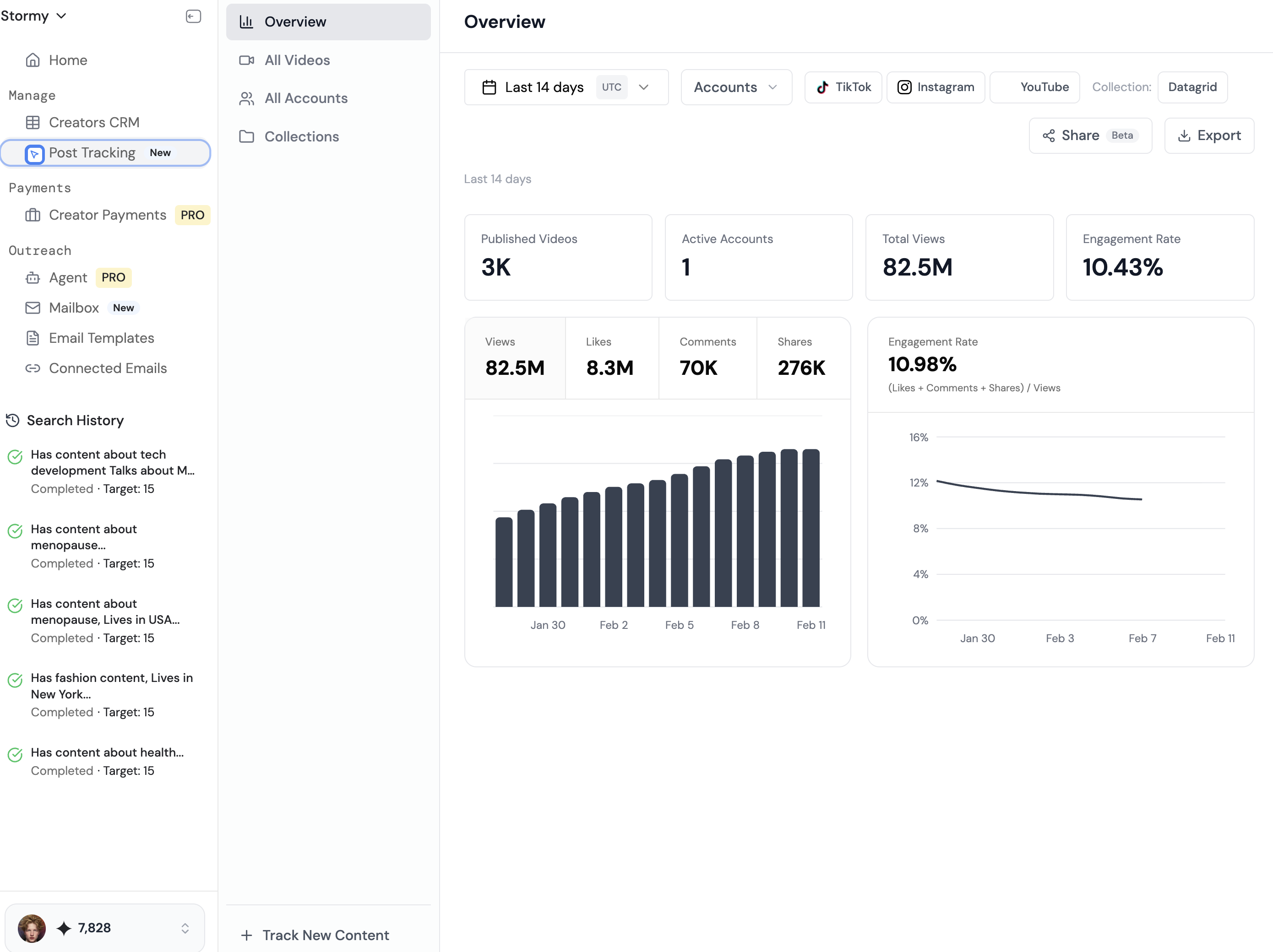
To monitor if your strategy is actually working, you need to track how your content is performing in the wild. Stormy's post tracking allows you to monitor individual videos and posts across platforms, analyzing views, likes, and engagement. By seeing which "no subscription" hooks drive the most traffic, you can double down on the creative angles that resonate with your target audience.
The Future is Hybrid
While the credit model is winning today, the future of saas pricing strategies 2024 likely lies in a hybrid approach. This might look like a low-cost subscription for basic access plus a credit based pricing model for high-compute AI features. However, for new founders and solo-builders, starting with a one-time payment is the fastest way to validate an idea and generate immediate cash flow without the crushing pressure of maintaining high retention rates for a recurring service.
By leveraging tools like Notion for planning and Stormy's Creator CRM for managing influencer relationships and deal stages, you can build a lean, high-margin business that respects the user's wallet. The era of the "subscription trap" is ending; the era of utility-based AI is just beginning. Focus on the value, manage your API costs, and don't be afraid to lead with the hook that everyone else is too scared to use: No Subscription.