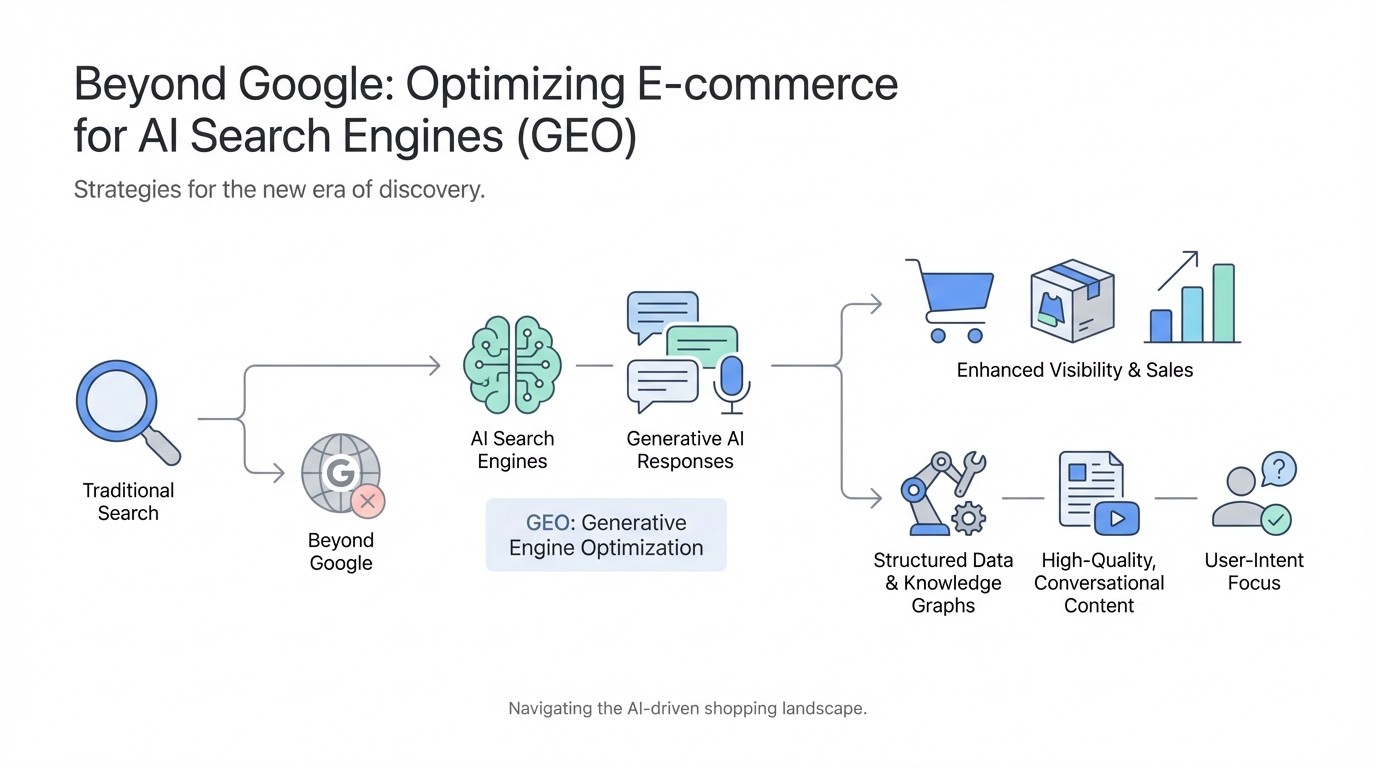
For two decades, the e-commerce playbook was simple: rank on the first page of Google or disappear. But as we move toward 2026, the traditional search landscape is fracturing. With the rise of Large Language Models (LLMs) and Answer Engines like ChatGPT, the goal of generative engine optimization is no longer just about generating clicks—it is about becoming the primary citation for AI agents. Whether a user asks an AI for the best hiking boots for wide feet or a shopper uses a voice assistant to find organic baby clothes, your brand’s visibility now depends on how well an AI can parse, understand, and trust your data.
Understanding the GEO Shift: From Keywords to Citations
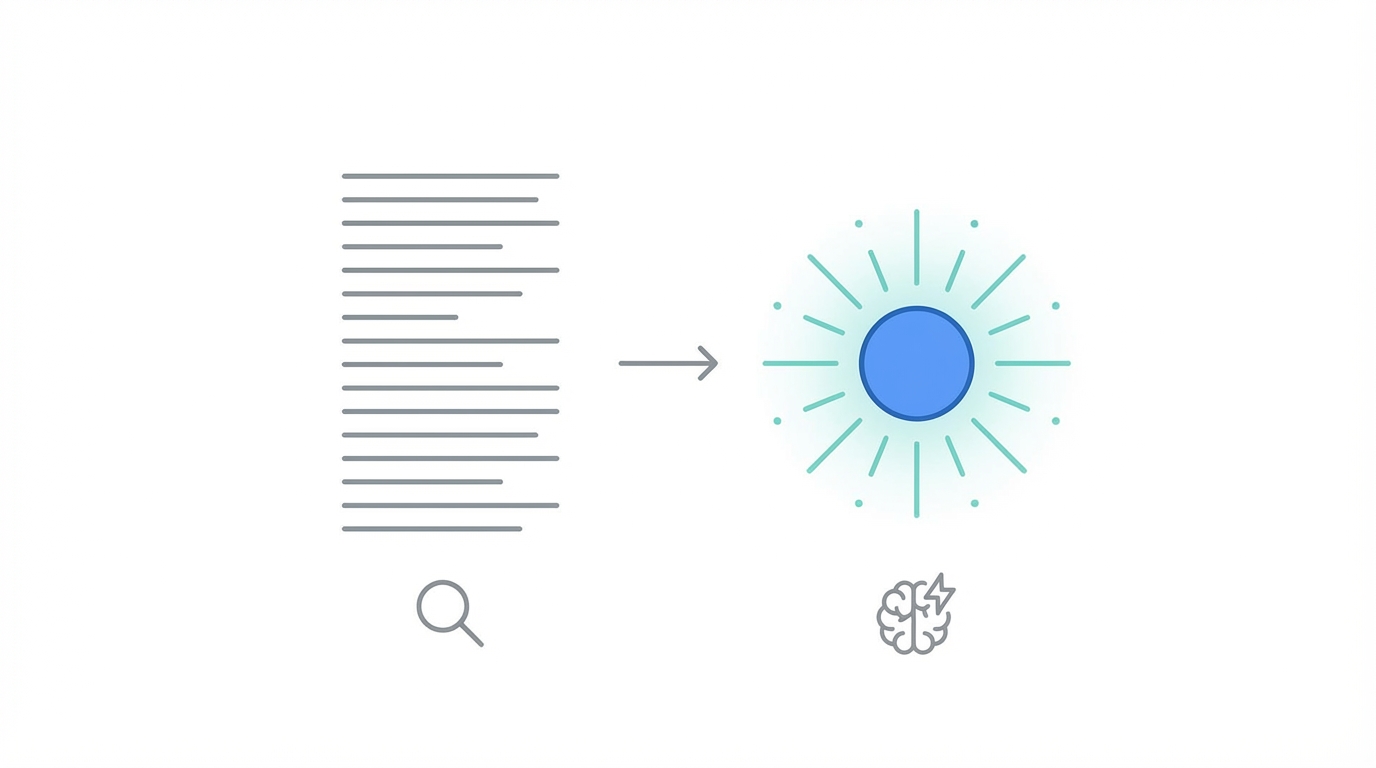
Programmatic SEO (pSEO) for e-commerce has undergone a radical transformation. What used to be a game of keyword-stuffed landing pages has evolved into a sophisticated "data-driven architecture" strategy. According to research from ClickSlice, it is projected that by 2026, over 30% of daily product research will happen via voice search and AI assistants. This shift means that e-commerce brands are now prioritizing "Structured Data" over "Bulk Text" to ensure they are citable by engines like Perplexity and OpenAI.
The core of GEO for e-commerce lies in making your content machine-readable. AI agents do not "browse" your site the way humans do; they ingest data points. If your product information is trapped in unstructured paragraphs, the AI may skip over you in favor of a competitor whose data is neatly organized in a knowledge graph. Leading tools like WordLift and Seomatic are already helping brands bridge this gap by turning standard product pages into high-performance data assets.
"The goal of pSEO is not to churn out thin pages... but to efficiently create useful, targeted pages you would have made if you had infinite time."Building a Knowledge Graph: Turning Data into 'Linked Open Data'
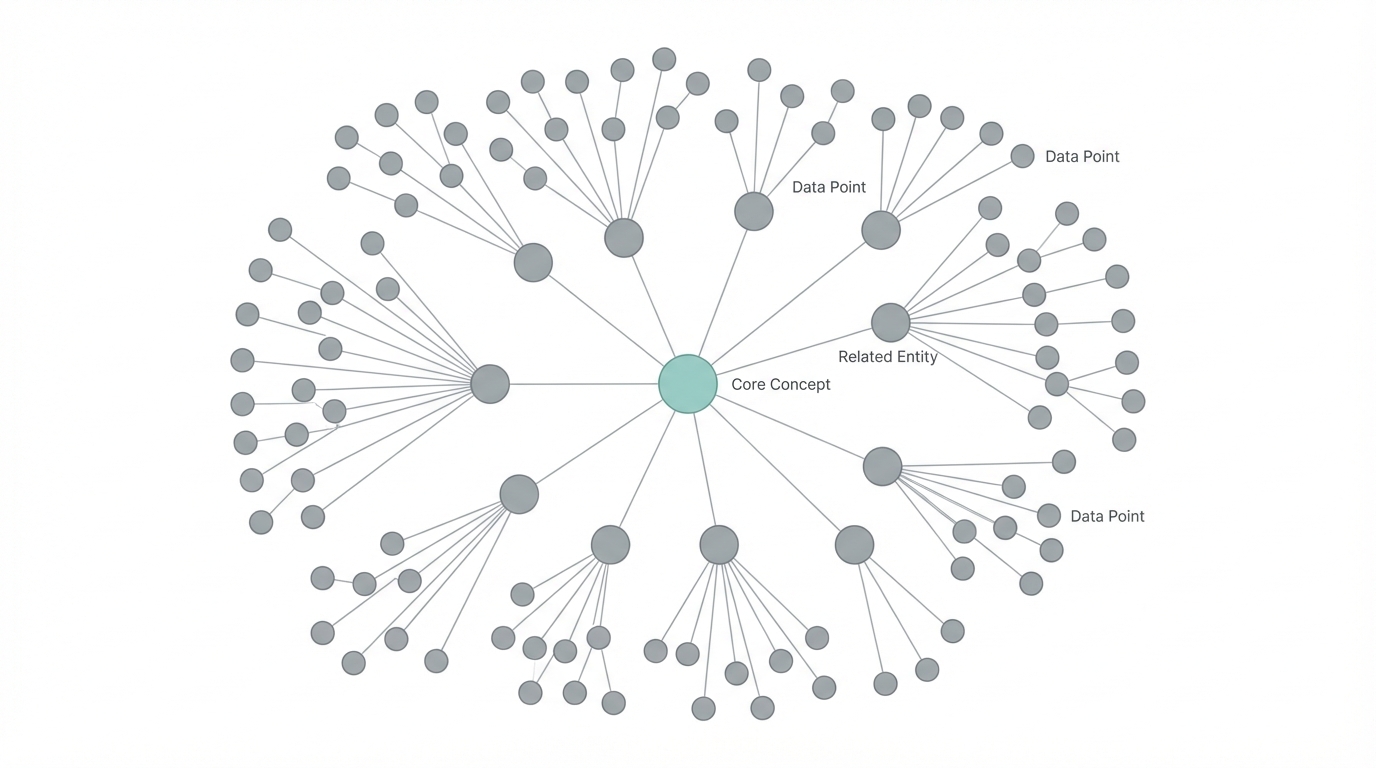
To win in AI search engine optimization, you must move beyond simple HTML. The most successful retailers are now using specialized software to build internal knowledge graphs. A knowledge graph connects your products, brands, and categories into a web of linked open data. This allows AI search engines to see the relationships between your products—for instance, understanding that a specific "Blue Organic Cotton Onesie" belongs to the "Infant Apparel" category and is currently "In Stock" with "Free Shipping."
By structuring your data this way, you make it significantly easier for generative engines to recommend your products. This is especially critical for capturing long-tail search intent. Instead of competing for broad terms like "shoes," you can dominate hyper-specific queries like "men’s canvas slip-on shoes under $50." This granular approach is exactly how leaders like JB Impact have helped companies like Flyhomes expand from 10,000 to over 425,000 pages in under 90 days without triggering quality penalties.
Technical Requirements: The DNA of Citable Content
If you want an AI agent to cite your product as the top recommendation, your technical foundation must be flawless. This requires a shift toward structured data for AI, specifically focusing on JSON-LD Schema. Every programmatic page must include detailed snippets that tell the AI exactly what it is looking at. Key schema types include:
- Product Schema: Covers SKU, brand, color, material, and availability.
- Offer Schema: Details the price, currency, and price valid until date.
- Review Snippets: Aggregates user-generated ratings to build trust with the AI agent.
For Shopify users, an "AI agent" tool like ConvertMate can manage these bulk product page updates and A/B test descriptions automatically. For those using WooCommerce, WP All Import remains the industry standard for importing large datasets into templated, schema-rich product pages.
"Generative Engine Optimization is the evolution of trust; if the AI can't verify your data, it won't risk recommending your brand."Tracking Brand Visibility in the Age of AI
Traditional rank tracking tools like Ahrefs or Semrush are excellent for Google, but they don't always tell you how often you appear in a ChatGPT response or a Perplexity citation. This has led to the rise of specialized intelligence platforms. Passionfruit Labs is a pioneer in this space, focusing on AI Visibility (GEO) and generative engine tracking. By monitoring your "share of voice" within AI-generated answers, you can identify which product categories are successfully being indexed and which need more structured data enrichment.
Furthermore, sourcing high-quality social proof is essential for AI trust. Generative engines often look for human-validated data to supplement technical schema. This is where managing your creator relationships becomes a strategic SEO move. Using AI-powered platforms like Stormy AI, brands can quickly find influencers and creators who produce the kind of User-Generated Content (UGC) that AI engines love to scrape and cite as evidence of product quality.

Integrating authentic creator reviews into your product pages through a robust creator CRM ensures that your technical SEO is backed by real-world authority. This combination of structured backend data and authoritative frontend social proof is the gold standard for GEO.
The Programmatic GEO Playbook: Actionable Strategies
To dominate the future of e-commerce search, brands should implement the following programmatic strategies:
Step 1: Build Faceted Navigation Pages
Don't stop at top-level categories. Use pSEO to create indexable pages for every high-intent filter combination. For example, instead of just "Camping Gear," create pages for "Lightweight Waterproof Tents for Backpacking." Tools like Verbolia identify these long-tail gaps and auto-generate high-converting landing pages.
Step 2: Automate Comparison Pages
AI search engines love comparison data. Use your product attribute database to generate "[Product X] vs [Product Y]" pages. These pages target buyers in the decision stage and often see conversion rates 3–5x higher than standard blogs. This strategy has been used effectively by giants like Zapier, which generated over 50,000 unique landing pages for app integrations.
Step 3: Implement the Hub & Spoke Model
Automate your internal linking so that every long-tail "spoke" page (e.g., "Blue Organic Cotton Onesie") links back to your main "hub" (e.g., "Baby Clothes"). This distributes authority and ensures AI crawlers can navigate your entire catalog. You can use automated internal linking tools to maintain this at scale.
"30% of product research will be voice-driven by 2026. If your data isn't structured, your brand is effectively silent."Common Pitfalls to Avoid in Large-Scale GEO
While the potential for growth is massive, the risks of GEO for e-commerce are equally significant. One of the most common errors is keyword cannibalization—creating multiple pages that target the same intent, which confuses AI crawlers and dilutes your ranking power. Another critical mistake is orphan pages: if your programmatic pages aren't linked in your main navigation or sitemap, search engines may never find them.
Finally, never ignore page speed. High-performance sites often move toward composable or headless architectures to handle massive scale. Using tools like Whalesync to sync data from an Airtable database to a frontend can ensure your pages stay fast and responsive, even as you scale to hundreds of thousands of URLs. As search evolves, the winners will be the brands that treat their product data not as a static list, but as a dynamic, interconnected asset ready for the AI era.
Conclusion: Preparing for the AI-First Future
The transition from traditional SEO to generative engine optimization is not a trend; it is a fundamental shift in how commerce operates. By investing in structured data, knowledge graphs, and programmatic scaling today, you ensure that your products remain visible in a world where AI agents do the research for the consumer. Success in 2026 and beyond requires a data-first mindset where every product attribute is optimized for machine consumption. Start by auditing your current schema, building your internal knowledge graph, and ensuring your brand has the social proof to stand out in the age of AI search.