By mid-2026, the retail landscape has undergone a tectonic shift. The era of the "one-size-fits-all" price tag is effectively over. In its place, hyper-personalized pricing has emerged as the dominant strategy for brands looking to survive in an increasingly volatile global market. It is no longer enough to react to a competitor’s markdown; today’s leading retailers are using advanced AI engines to treat pricing as a specialized branch of Customer Lifetime Value (CLV) marketing. According to research from SuperAGI, properly executed AI pricing can increase total revenue by 20% to 25%, a margin that separates the market leaders from those struggling to stay afloat.
As we navigate this new standard, tools like Competera have become essential for simulating complex market scenarios and translating algorithmic shifts into actionable marketing insights. This article explores how to move beyond basic discounting and embrace a customer-centric pricing model that builds brand equity while maximizing profitability.
The Evolution of Pricing: From Market-Based to Customer-Based
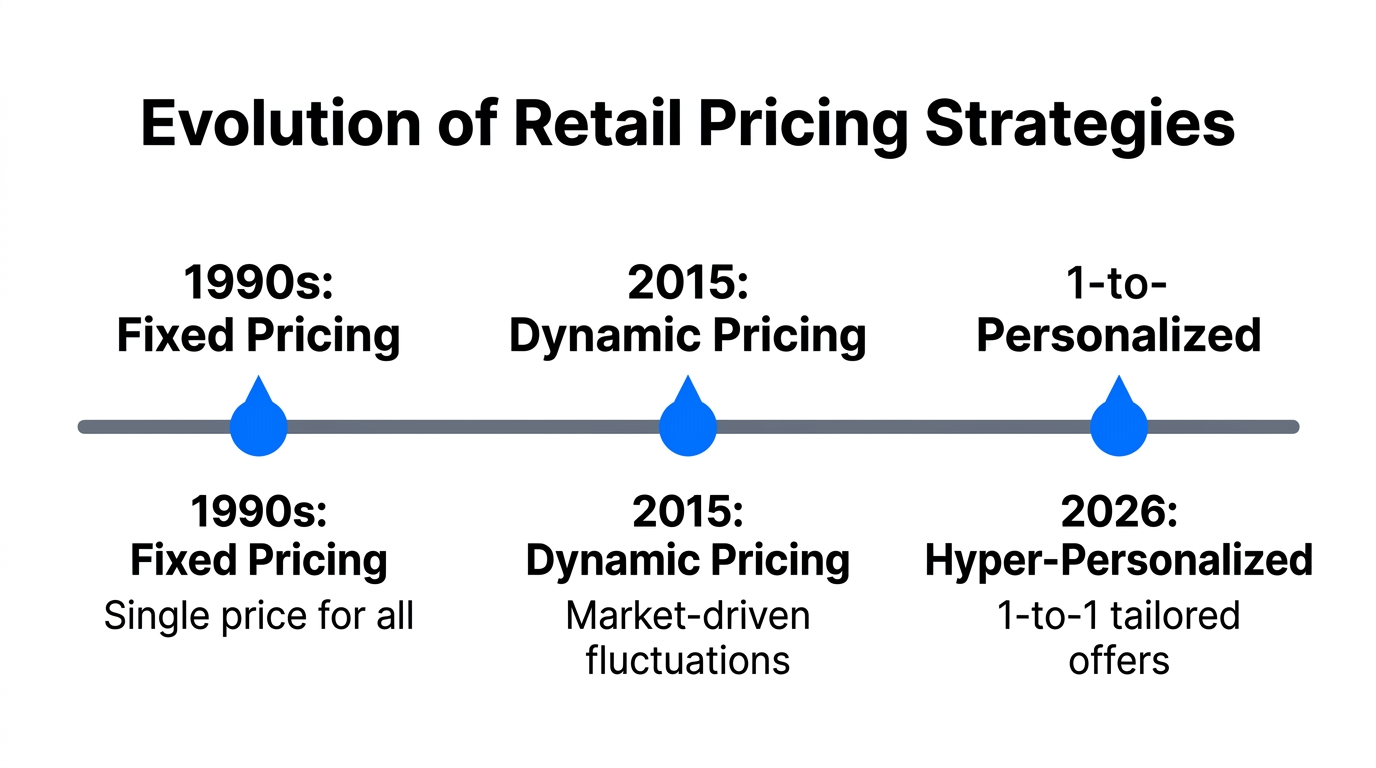
For decades, pricing was a game of follow-the-leader. If a competitor dropped their price on a flagship item, you followed suit to protect your market share. However, 2026 marks the definitive move toward individualized offers. Retailers are now using AI to analyze predicted behavioral data to offer discounts that are unique to the specific user session. This shift from "market-based" to "customer-based" pricing ensures that discounts are only offered when they are truly necessary to secure a conversion or reward long-term loyalty.
Data from the World Journal of Advanced Research and Reviews indicates that companies adopting these customer-centric models see average margin improvements of 5% to 15%. By moving away from universal sales, brands avoid the "race to the bottom" that characterizes traditional price wars. Instead of eroding brand value with site-wide banners, AI identifies which users are price-sensitive and which are value-motivated, applying targeted incentives where they will have the most impact on Customer Lifetime Value.
"Pricing is no longer just about the product; it's about the relationship. The goal is to offer the right price to the right person at the exact moment they are ready to buy."The technical backbone of this evolution involves deep integration between pricing engines and customer data platforms. When a brand pairs a tool like Competera retail pricing with their CRM, they can create dynamic segments that update in real-time. For example, a high-CLV customer who hasn't purchased in three months might trigger a personalized "welcome back" price that is invisible to the rest of the market. This level of granularity is what drives the 20% higher conversion rates reported by platforms like Envive.
Using Competera to Simulate and Explain Pricing Shifts
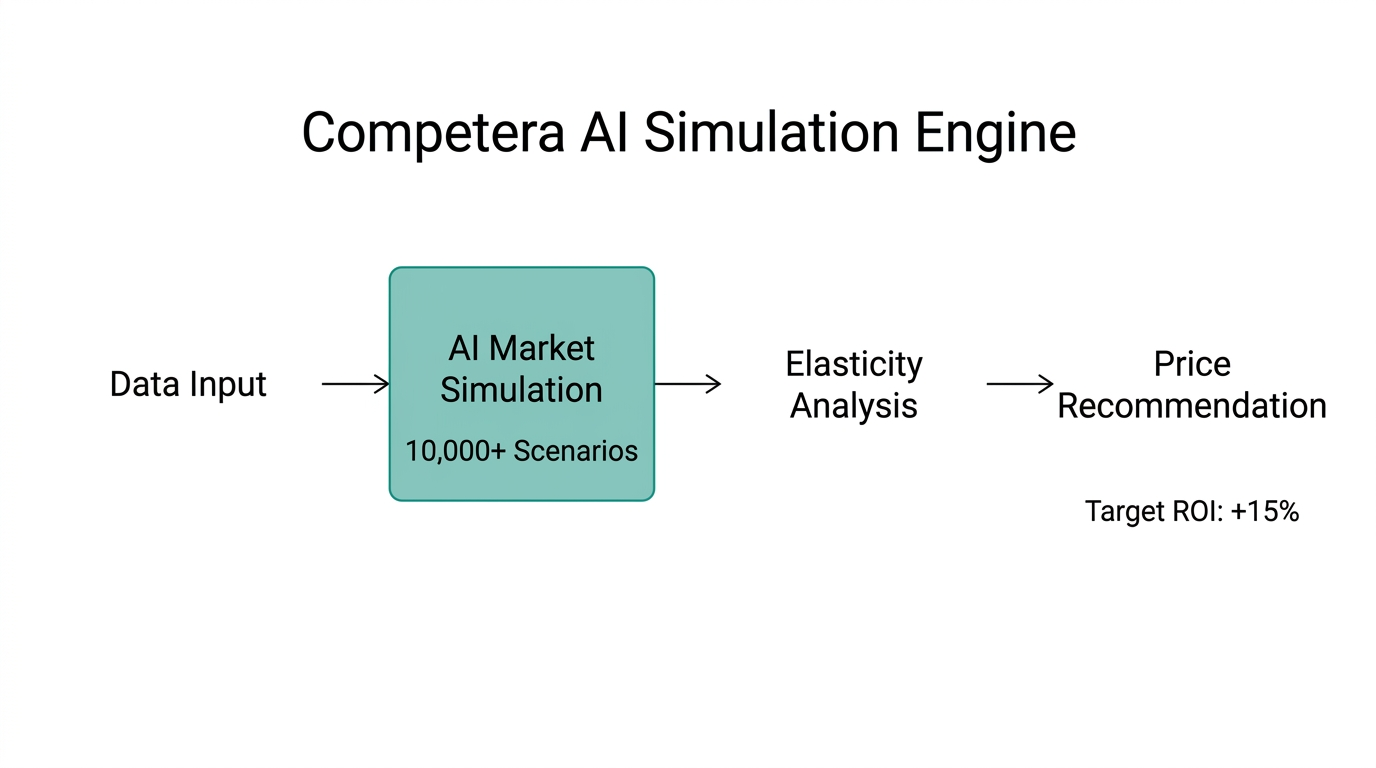
One of the greatest challenges for marketing teams in 2026 isn't just setting the price—it's explaining the strategy to stakeholders. Algorithmic pricing can often feel like a "black box," leading to internal friction between finance, marketing, and executive leadership. This is where Competera shines. By utilizing Generative AI (GenAI), the platform allows retailers to simulate complex market scenarios and generate natural-language explanations for why certain prices were adjusted.
As Danilo Zatta, a pricing expert at Valcon, notes: "The companies with these pricing strategies in place will be the ones who navigate inflationary environments most effectively." Competera’s simulation capabilities allow brands to "test drive" a pricing strategy before it goes live, predicting how competitors might react and how those changes will impact overall inventory health.
Scenario-Based Marketing
Using Competera, marketers can set specific goals, such as "maximize volume during a product launch" or "clear slow-moving stock without triggering a price war." The AI then calculates the optimal path, considering factors like competitor stock levels and historical demand elasticity. This prevents the common mistake of "discount addiction," where brands rely solely on underpricing to drive sales, eventually eroding brand equity.
| Pricing Model | Primary Goal | Target Metric | Best For |
|---|---|---|---|
| Market-Based | Competitive Parity | Market Share | Commodity goods |
| Value-Based | Premium Positioning | Perceived Worth | Luxury & Specialized items |
| AI-Dynamic | Margin Optimization | Profit & CLV | E-commerce & Omnichannel |
| Hyper-Personalized | Retention | Individual LTV | Subscription & Loyalty Programs |
The Psychology of Pricing Transparency: Avoiding 'Price Gouging' Accusations
As pricing becomes more fluid, the risk of alienating customers through perceived unfairness increases. The "Price Whisperer" Per Sjöfors warns that AI can be a "disaster" if used to exploit buyers during periods of high demand. In 2026, consumer trust is a currency that is harder to earn and easier to lose than ever before. Maintaining ethical AI pricing strategies requires a delicate balance between profit and transparency.
To avoid accusations of price gouging, brands must communicate the *why* behind their pricing. For instance, fashion retailers like Boohoo and PrettyLittleThing often use real-time demand signals, but they frame these shifts around "limited time seasonal offers." When prices rise, it should be linked to clear external factors—like supply scarcity or premium shipping—rather than arbitrary algorithmic surges.
"If a customer feels the price changed simply because the AI knew they were willing to pay more, you haven't won a sale; you've lost a customer for life."Brands should utilize tools like Intelis to monitor how their pricing fluctuations are perceived across social media and review platforms. If the sentiment turns negative, the AI needs to be programmed to pull back. Successful 2026 marketers treat the AI not as a heartless profit maximizer, but as a sophisticated negotiator that knows when to give a little to gain a lot in the long run.
Integrating AI Pricing with CRM to Reward High-CLV Customers
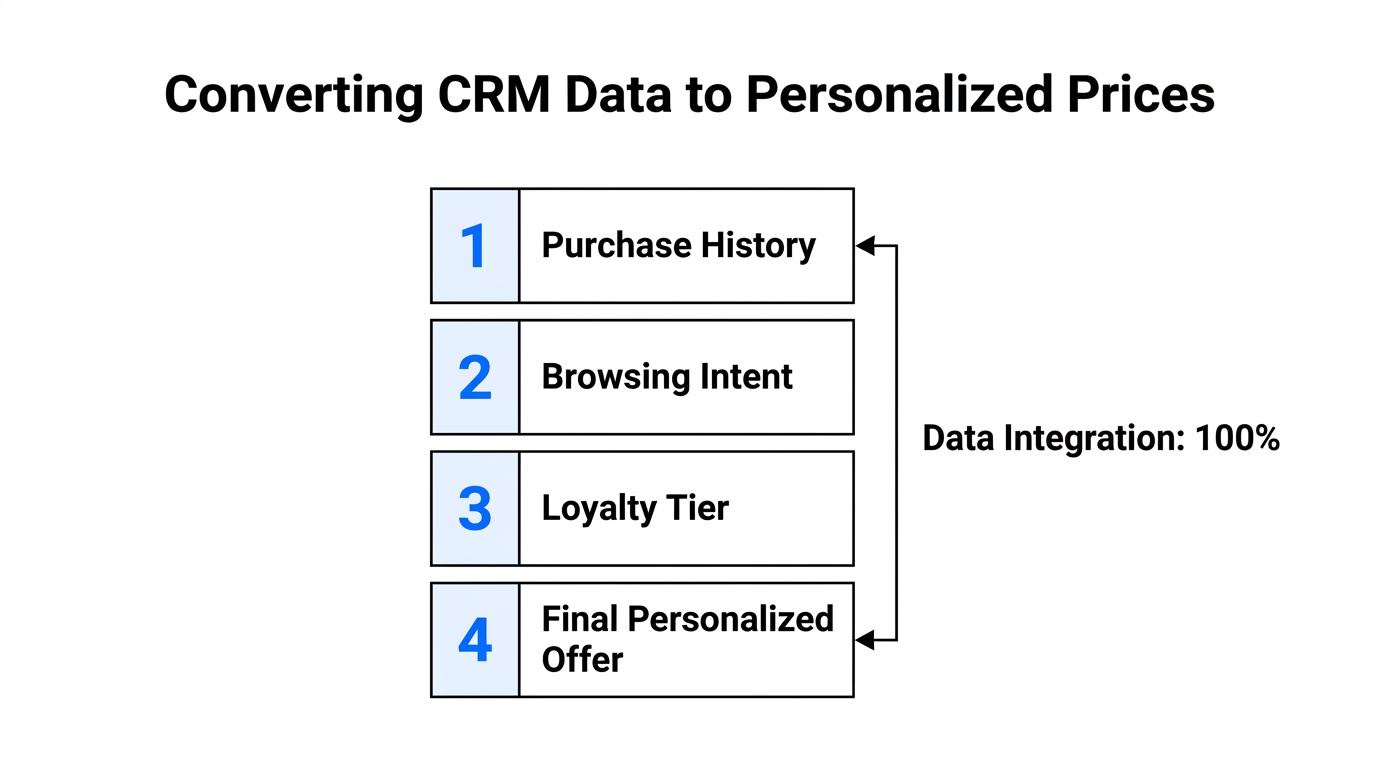
The most powerful application of hyper-personalized pricing is its integration with your CRM stack. By connecting pricing engines to tools like Stormy AI or Klaviyo, you can automate a system where a customer's loyalty tier directly influences the dynamic price they see on the storefront.
For instance, an Indian home appliance brand recently reported a 15% uplift in sales volume by using an AI engine from Agentics to regain Buy Box positions on marketplaces while simultaneously offering exclusive "loyalty pricing" on their D2C site. This omnichannel synchronization, also championed by Emplicit, ensures that your best customers always feel they are getting the best deal, even if the public-facing price fluctuates.
To support these efforts, savvy marketing teams are using Stormy AI to discover and collaborate with UGC creators who can create authentic content around these personalized rewards. When a creator shows their audience how they "unlocked" a special price through loyalty, it builds a narrative of value and exclusivity rather than just automated discounting.
Ethical Guidelines for 2026: Maintaining Customer Trust
As we look toward the remainder of the decade, the ethical implementation of AI pricing will be the primary differentiator for brand longevity. Algorithmic volatility can lead to "price fatigue" among consumers. To combat this, retailers must establish hard price guardrails. Using platforms like Couture AI, brands can set floors (minimum profit margins) and ceilings (maximum price peaks) to ensure the AI never makes an adjustment that feels exploitative or nonsensical.
- Segment by Elasticity: Use AI to identify which products are "price sensitive" where small changes drive volume, versus "inelastic" where you can hold higher margins.
- Contextual Triggers: Program your AI to respond to external signals like regional economic shifts or weather patterns rather than just user-level tracking.
- GenAI Explanations: Use Generative AI to provide customers with context, such as "Dynamic pricing active: Current price reflects high seasonal demand."
"The future of pricing is transparent. If you can't justify the price change to your grandmother, your AI shouldn't be making it."Finally, avoid "Garbage In, Garbage Out" (GIGO). Using incomplete or inaccurate competitor data—a common warning from Reactev—can lead to counterproductive pricing decisions that hurt your brand. Success in 2026 requires high-quality, real-time data ingestion across all channels.
The 2026 Hyper-Personalized Pricing Playbook
Implementing this strategy requires a clear, step-by-step approach that aligns your tech stack with your marketing goals.
Step 1: Define Your Value Guardrails
Before turning on the AI, establish your brand’s non-negotiables. What is the lowest margin you are willing to accept to acquire a new customer? What is the maximum premium you will charge for a hot item? Setting these boundaries in a tool like Competera ensures the algorithm stays aligned with your brand identity.
Step 2: Sync Your Omnichannel Data
Ensure that your pricing is consistent where it needs to be. While a personalized email offer can differ from a public price, your Amazon, Walmart, and Shopify D2C site prices should be synchronized to avoid "Buy Box" penalties. Companies like Omnia Retail specialize in this cross-channel consistency.
Step 3: Integrate Pricing with CLV Metrics
Move your pricing engine out of the finance silo and into marketing. Use AI to analyze which customers have the highest potential for long-term value and offer them personalized incentives that go beyond simple markdowns—think early access to sales or "loyalty-locked" pricing tiers.
In conclusion, hyper-personalized pricing in 2026 is about much more than just the number on the screen. It is a sophisticated marketing tool that, when powered by engines like Competera and governed by ethical guardrails, can transform customer relationships and drive unprecedented growth. By shifting the focus from the product to the person, brands can finally break free from the cycle of endless discounts and start building true, long-term value.