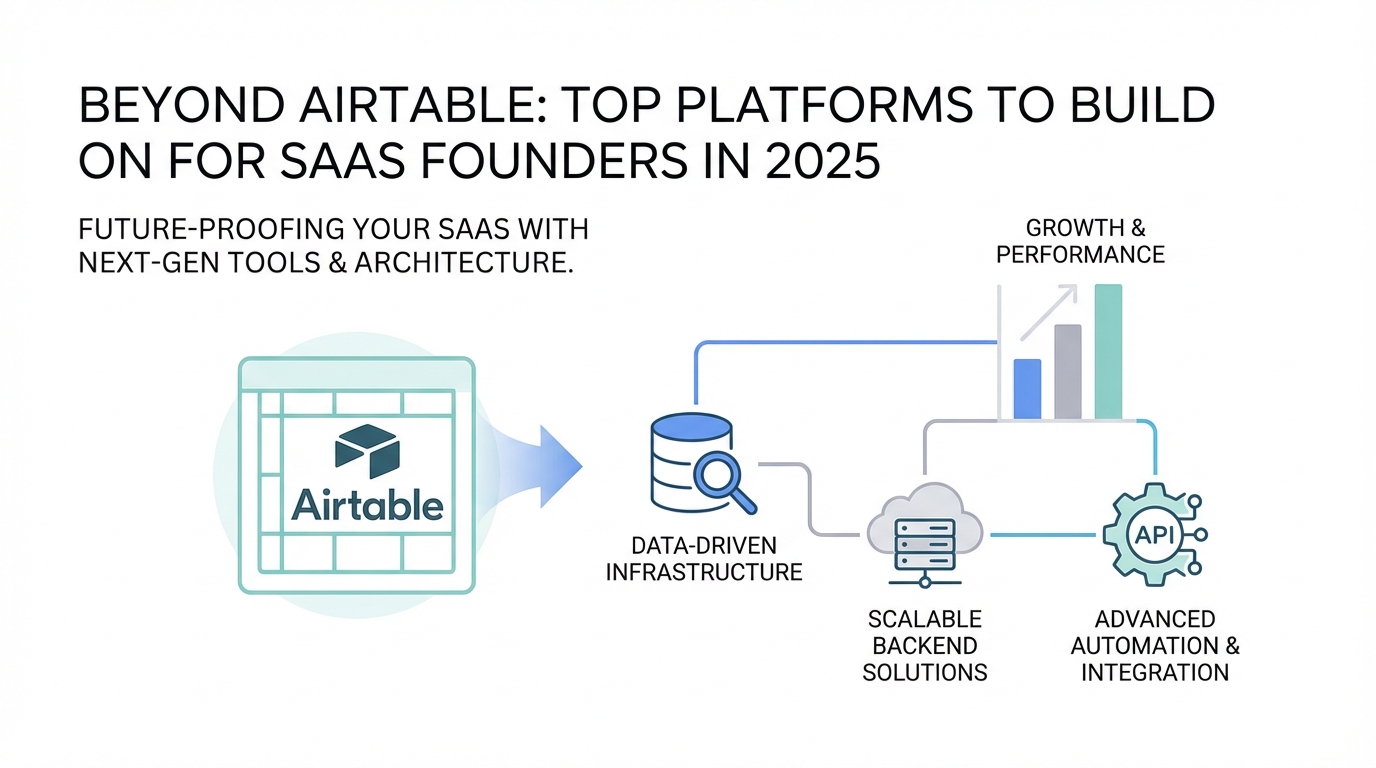
The dream of the solo SaaS founder has evolved. A few years ago, the path to a $20,000 per month recurring revenue business often started and ended with building a simple extension for Google Sheets or Airtable. While those platforms remain powerhouses, the market is maturing, and the "blue oceans" are shifting. Today, success belongs to the developers who can identify the next growing ecosystem before it becomes saturated. From the burgeoning Notion API opportunities to the specialized world of influencer marketing analytics tools powered by AI, the future of micro SaaS in 2025 is about building deep, native value on top of platforms that are just beginning to open their gates.
The Platform Strategy: Why Distribution is King

For most solo founders, the biggest hurdle isn't writing the code; it's finding the customers. This is why the platform-first strategy is so effective. By building on an established ecosystem like Airtable or Notion, you inherit their trust and their user base. Andy Cloke, the founder of Data Fetcher, built a $23,000 per month business by solving a single, painful problem: getting data into Airtable automatically. He didn't try to build the next unicorn social network; he built a utility that people were already searching for in a marketplace.
Building on a platform offers a built-in distribution engine. When you launch on an official marketplace, you gain immediate access to highly qualified leads who are already using the parent tool. Furthermore, being an early mover on a growing platform means you can dominate the search results before larger competitors notice the opportunity. This "sweet spot"—where an ecosystem is large enough to be profitable but too small to attract venture-backed giants—is the future of micro SaaS.
Notion API: The Current 'Blue Ocean' for Automation

If Airtable was the gold mine of 2020, the Notion API is the frontier for 2025. While Notion has been around for years, its API and developer ecosystem are still relatively young compared to legacy platforms. This creates a massive opening for notion api opportunities in reporting, two-way sync, and advanced automation.
Currently, users are clamoring for ways to get data out of Notion as much as they want to get it in. Founders can find success by building specialized reporting dashboards that pull data from Notion databases or by creating tools that sync Notion tasks with external calendars and project management suites. Unlike general-purpose automation tools like Zapier, a dedicated Notion integration can offer a native-feeling UX that handles complex database relations and block types more elegantly.
To identify these gaps, founders should look at the Notion Reddit or official support forums. When users complain that "Notion can't do X natively," that is your product roadmap. For those looking to scale their outreach to potential early adopters or beta testers, Stormy's AI search across platforms like TikTok, YouTube, and LinkedIn can help identify influential Notion creators and power users who can provide the critical feedback needed to reach product-market fit.
Figma Plugin Ecosystem: Design as a CMS
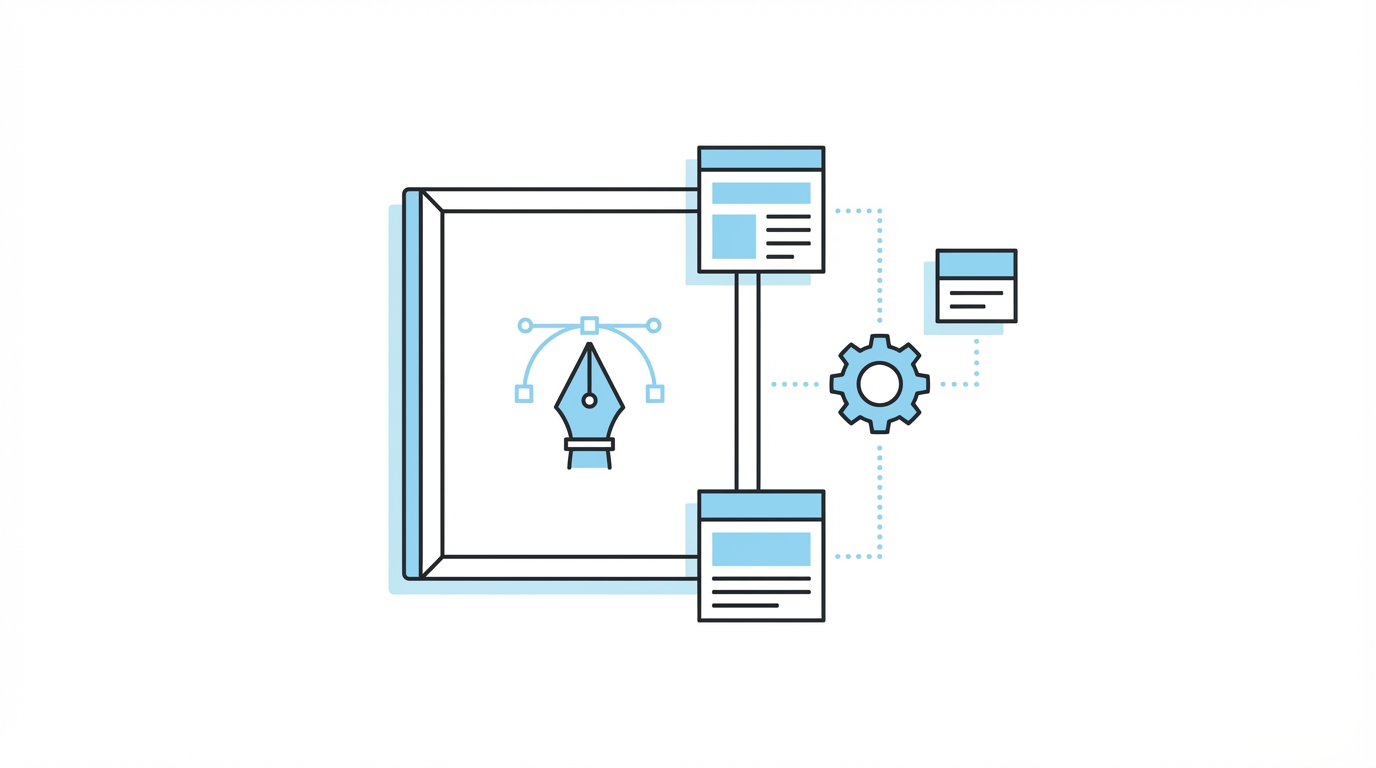
The figma plugin business is no longer just about adding icons or organizing layers. In 2025, the real opportunity lies in interoperability. Figma has become the source of truth for design, but getting those designs into production remains a bottleneck. Founders are seeing massive success building tools that export Figma designs directly to platforms like Webflow, Framer, or even custom React codebases.
Because designers are often the primary decision-makers for software spend in creative agencies, a well-placed Figma plugin can command premium pricing. The key is to solve for the transition from design to development. Developer opportunities 2025 in this space include automated documentation, design-system-to-code syncing, and even specialized hosting environments for prototypes that need to behave like real apps. By leveraging the Figma API, you can build a recurring revenue stream that scales as the design team grows.
The LLM Trap: Using AI as an Engine, Not a Platform
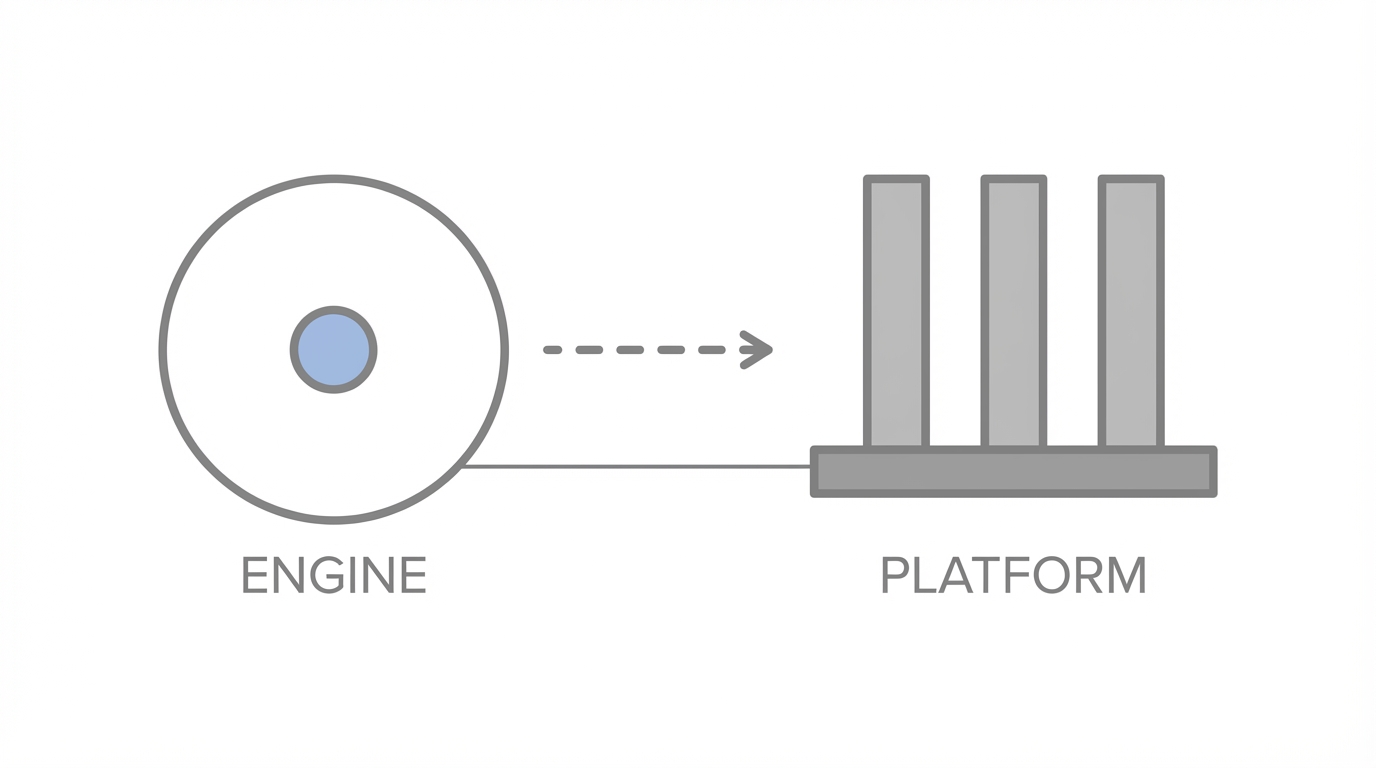
A common mistake for new founders is building directly "on top" of LLMs like ChatGPT or Claude. While these tools have massive growth, they are also highly volatile. If your entire product is just a "wrapper" around a prompt, you are at constant risk of the platform releasing a native update that makes your tool obsolete overnight. This is the ultimate platform risk.
Instead, the winning strategy is to use LLMs as the engine for a tool that lives on a different platform. For example, instead of a generic "AI Writing Assistant," you might build an AI-powered data cleaner specifically for the influencer marketing analytics tools market. By combining the power of an LLM with a specific database or workflow, you create a moat that a generic chat interface cannot easily replicate. Use AI to superpower your business, not to be the entirety of it.
Learning from Influencer Directories: Data as a Service
Before building Data Fetcher, Andy Cloke found success with a TikTok influencer directory. This highlights a powerful business model: scraping and selling data as a service. In 2025, brands are desperate for high-quality, vetted creator data, as the global influencer marketing market continues to grow exponentially. The old way of manually searching through social media apps is dead; modern marketers need automated discovery and vetting.
This is where tools like Stormy AI for influencer vetting and fake follower detection come in. For a founder, the opportunity isn't just in showing the data, but in adding a layer of intelligence. Brands need to know about audience quality, engagement fraud, and demographic alignment. If you can build a micro SaaS that focuses on a niche niche—such as "UGC creators for fintech mobile apps"—you can charge a premium for that specialized data.
By using Stormy's AI search across TikTok, YouTube, and LinkedIn, you can even build your own internal directories to power your marketing campaigns or to provide as part of a high-ticket consulting offer. The value isn't just the existence of the data; it's the automated vetting and personalized outreach capabilities that platforms like Stormy provide, which can be a blueprint for your own specialized SaaS features.
Technical Blueprint: Building for the Modern Web
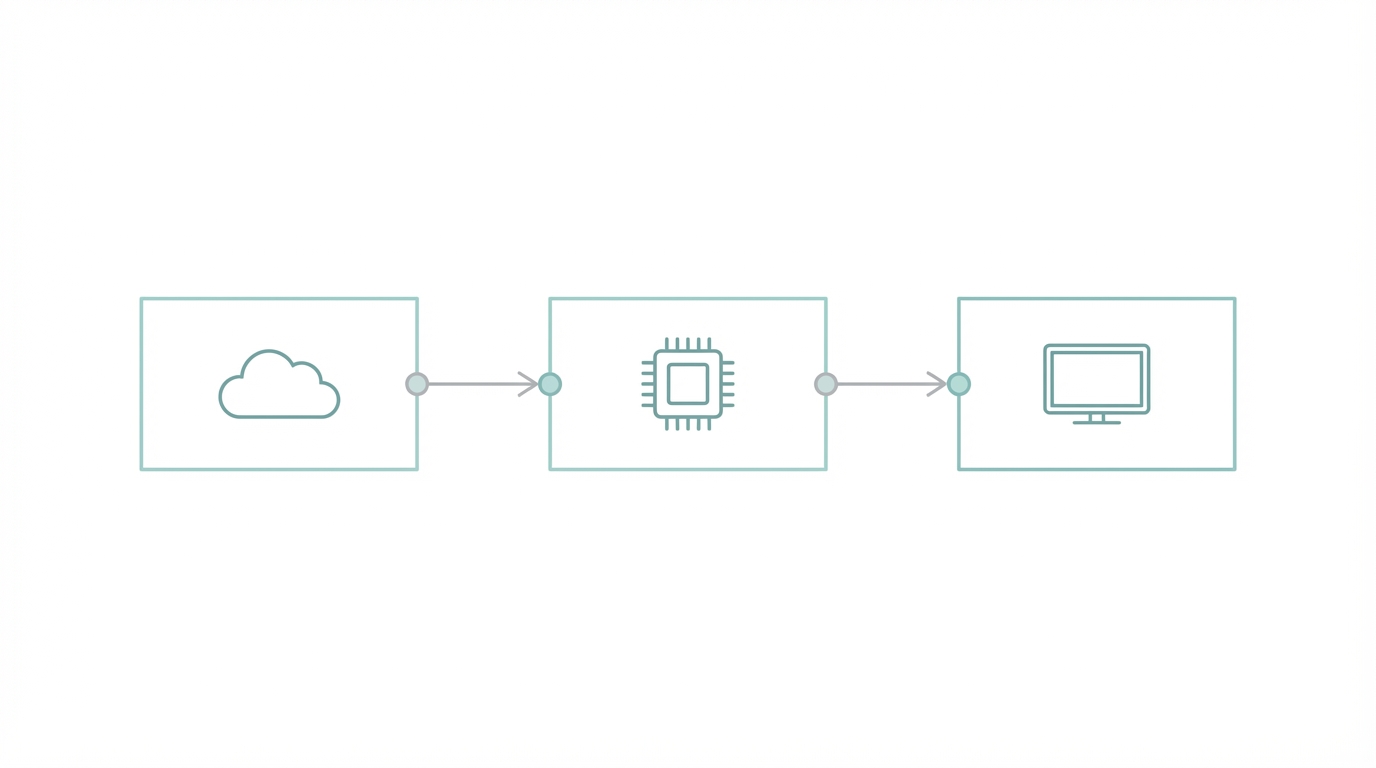
To build a successful platform-based app in 2025, you need a robust, modern tech stack. Most marketplace-ready apps are built using TypeScript and React. TypeScript is essential for maintaining a clean codebase as your app grows, while React allows you to build the dynamic, responsive interfaces that modern users expect. For the backend, founders are increasingly leaning on Node.js with GraphQL to handle complex data relationships efficiently.
Hosting and infrastructure have also become more streamlined. Using low-cost providers like Hetzner for background workers and Heroku or Vercel for the API and frontend can keep your margins high. As your user base grows, you can manage customer relationships and partnerships using Stormy's creator CRM, which is specifically designed to handle the fast-paced nature of modern digital collaborations and deal stages.
A Six-Step Framework for Finding Your $20k Idea
- Find the Platform: Use tools like Exploding Topics to see which ecosystems are trending.
- Identify the Pain Point: Scour forums like Reddit and Twitter to find what users are struggling with.
- Borrow a Proven Pattern: Look at what works on legacy platforms (like Google Sheets) and bring that UX to a newer platform (like Notion).
- Check Integration Feasibility: Ensure there is a public API and a marketplace or SDK available.
- Calculate the Opportunity: Estimate the user base and what they are willing to pay based on existing tools.
- Assess Platform Risk: Check the platform's roadmap to see if they are likely to build your feature natively within the next 12 months.
The Future of Micro SaaS is Automated
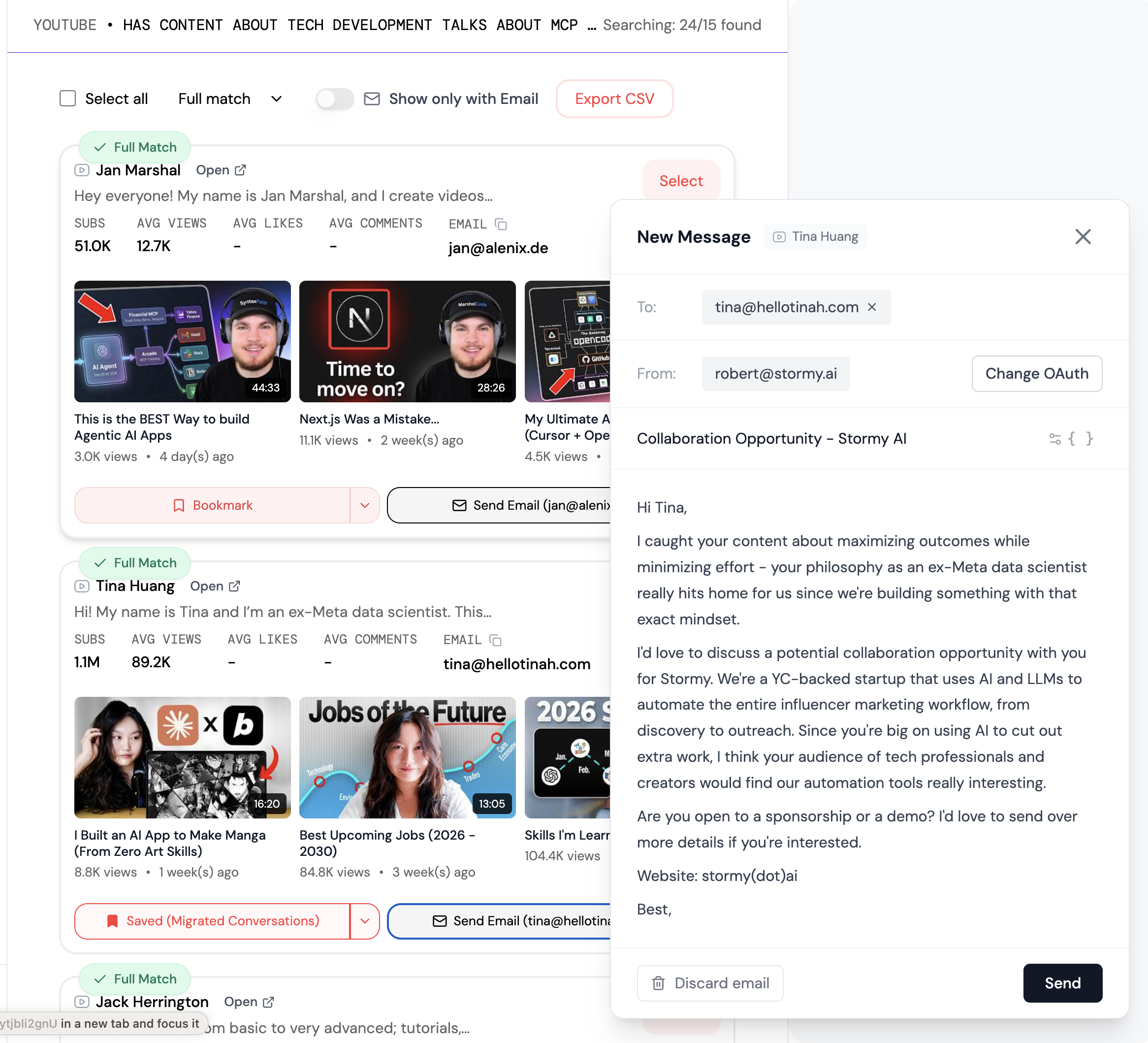
As we move deeper into 2025, the most successful micro SaaS tools will be those that automate human effort. Whether it's pulling data into a database, exporting designs to code, or running an AI-personalized outreach campaign, automation is the common thread. The goal for any new founder should be to create a "set it and forget it" experience for the user.
For those building in the influencer space, this means moving beyond simple search. You need an autonomous AI agent from a platform like Stormy that doesn't just find creators but also handles the outreach and follow-ups while the user sleeps. This level of deep automation is what separates a $1,000/month project from a $23,000/month business. By staying focused on a single platform and solving a single, deep problem, solo founders can build sustainable, high-margin businesses that change their lives.
Conclusion: Your Roadmap to Launch
The transition from a developer to a founder starts with choosing the right foundation. In 2025, that foundation is no longer just a standalone website; it's the rich, user-filled ecosystems of Notion, Figma, and specialized social data platforms. By applying the platform-first strategy, you bypass the hardest part of SaaS—finding your first 100 customers—and focus on what you do best: building great software.
Ready to start your journey? Whether you're building a new data tool or scaling an existing brand, leverage the power of AI to speed up your discovery and outreach. Explore how Stormy AI can revolutionize your marketing and creator discovery, giving you the post tracking, analytics, and automation you need to compete in the 2025 landscape. The blue ocean is waiting—it's time to build.