By mid-2026, the digital advertising landscape has reached a tipping point. The feed is no longer just a place for social interaction; it is an endless stream of AI-generated Meta Ads. However, there is a problem: most of it has become ‘AI slop.’ Users have developed a sixth sense for generic, ChatGPT-style prose, leading to a phenomenon known as AI fatigue. When every ad sounds like it was written by the same polite robot, the click-through rates (CTR) plummet. To win in this environment, elite media buyers have moved beyond simple prompting and into the era of agentic AI using Claude Code. By bridging the ‘Creative Vibe’ gap, marketers are now using specialized technical workflows to generate hundreds of unique ad angles that feel remarkably human.
The ‘Vibe’ Gap: Why Claude Wins in 2026
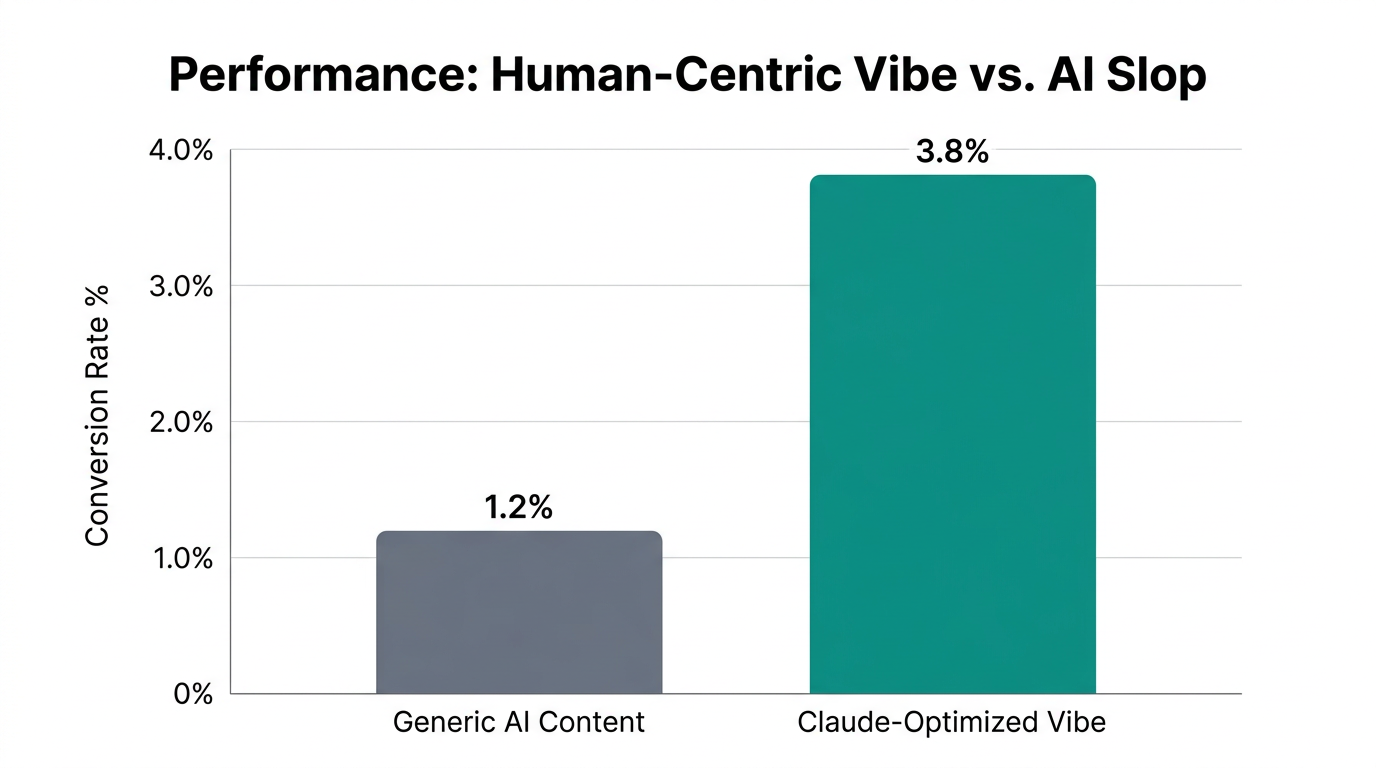
In the early days of generative AI, the industry focused on structure. While legacy models were excellent at cleaning data or formatting CSVs, they often failed the ‘vibe check’ of high-converting social copy. In 2026, media buyers have largely converged on a consensus: Claude’s prose outperforms ChatGPT for customer-facing creative. Claude possesses a more nuanced understanding of rhythm, slang, and emotional resonance, which is vital for bypassing the mental filters of modern social media users.
"In 2026, the role of the Media Buyer has evolved into a 'Strategic Architect.' You are no longer playing the instruments; you are conducting the orchestra of AI agents."According to research from eMarketer, advertisers using AI-driven campaigns see an average 22% higher Return on Ad Spend (ROAS), but the winners are those who can inject personality into their automation. This is where social media AI automation shifts from simple text generation to complex creative orchestration. By using Claude Code via the Command Line Interface (CLI), marketers can now programmatically ensure their brand voice remains consistent across thousands of variations.
The ‘Creative Matrix’ Strategy: Scale Without Slop
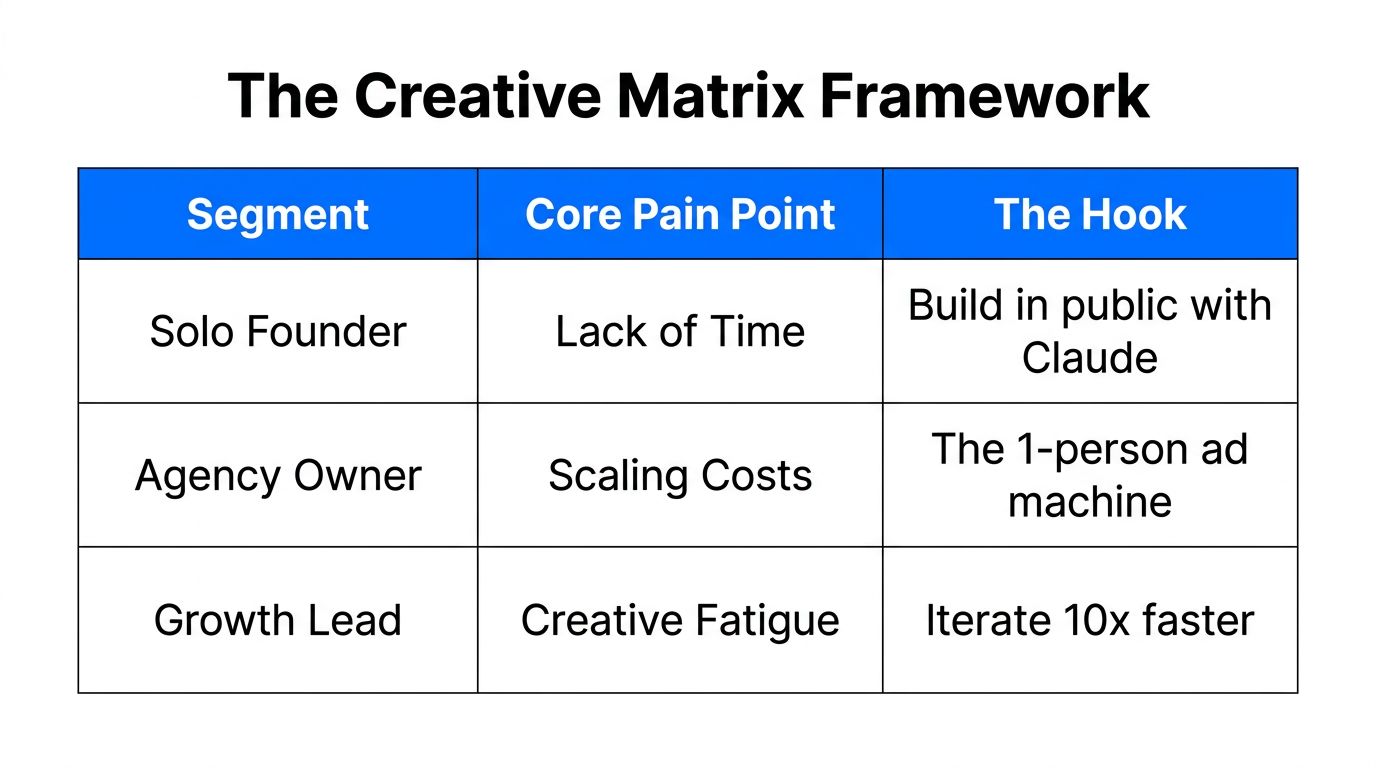
One of the most powerful applications of Claude Code is the development of a Creative Matrix. This isn't just about writing five headlines; it's about building a script that takes a Brand DNA file and cross-references it with dozens of customer personas and pain points to output 50+ hyper-targeted ad angles.
Step 1: The Brand DNA Foundation
Before writing a single line of copy, you must define your brand's boundaries. This involves feeding Claude a comprehensive document containing your brand voice, prohibited words, successful past headlines, and core value propositions. Unlike web-based interfaces, using Claude Code allows you to keep these assets local and secure within your VS Code environment.
Step 2: Scouring for Real Pain Points
To avoid generic ‘AI slop,’ you need real-world data. Modern growth stacks now pair Claude Code with the Perplexity API to scrape platforms like Reddit and Quora. By identifying the exact phrases customers use to complain about competitors, Claude can transform those complaints into high-converting ad angles. This ensures your copy hits on real anxieties and desires rather than AI-hallucinated ones.
Step 3: Programmatic Generation
Using a Node.js script managed by Claude Code, you can automate the generation of copy. For example, a script might loop through 10 different personas (e.g., "Busy Mom," "Frugal Freelancer," "Tech-Savvy Senior") and 5 different emotional hooks (e.g., "Fear of Missing Out," "Pride in Savings," "Desire for Ease") to produce 50 unique ad sets instantly.
| Strategy Component | Manual Workflow (2024) | Agentic Workflow (2026) |
|---|---|---|
| Creative Brainstorming | 3-5 hours of meetings | 10 minutes (Claude + Reddit Scraping) |
| Copywriting | 1-2 days of drafting | Instant via Creative Matrix scripts |
| Ad Uploading | Manual CSV import | Direct API via Claude Code |
| Average Output | 10-15 variations | 250+ targeted variations |
The Rise of the Agentic Marketer: From UI to CLI
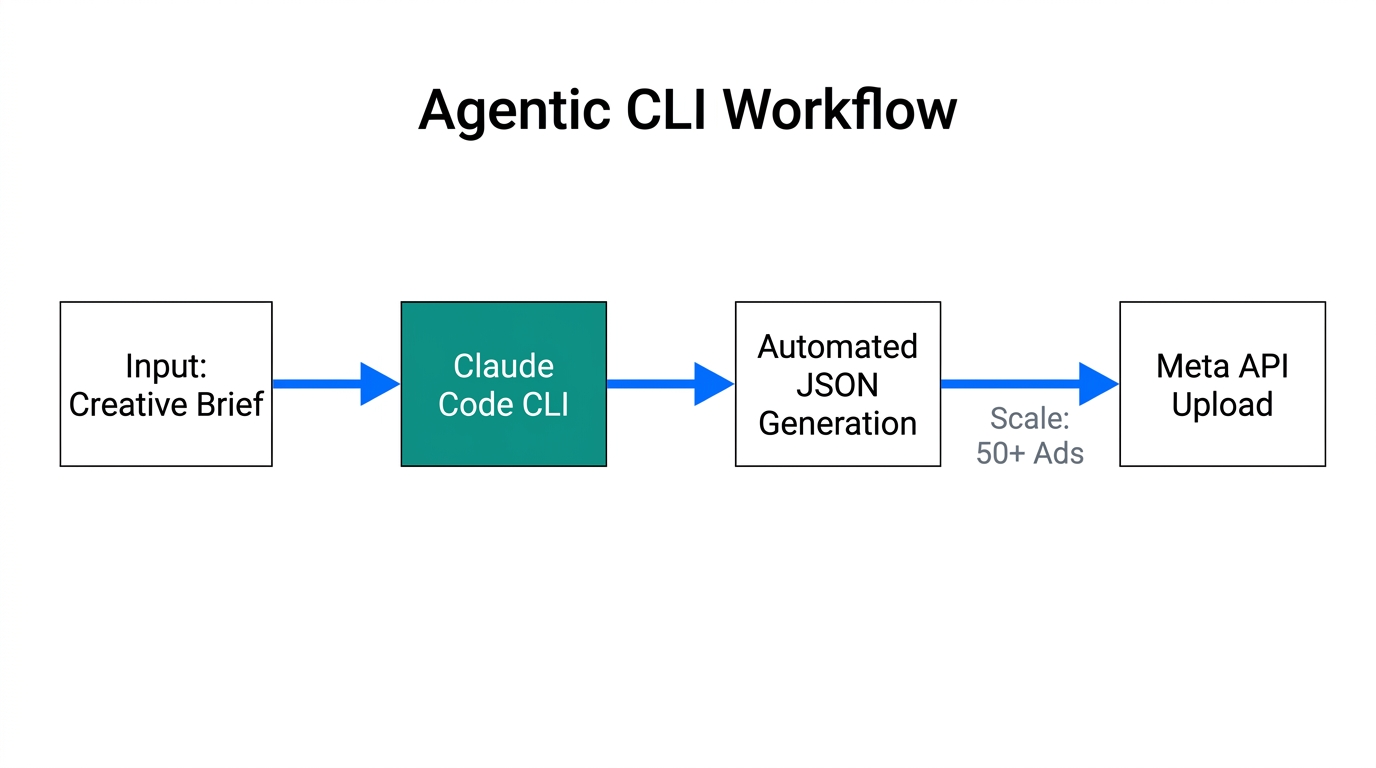
The most significant shift in 2026 is where the work happens. Top-tier media buyers are abandoning the Meta Ads Manager UI for the Command Line Interface (CLI). By using Claude Code, marketers can execute bulk changes across hundreds of campaigns with simple natural language commands.
This is made possible by the Model Context Protocol (MCP). This protocol allows Claude to securely read and write to the Meta Marketing API in real-time. Instead of building manual pivot tables, marketers now engage in "Vibe Querying." They might ask the terminal, "Which of my ads had a 20% CPM spike yesterday?" and have the AI agent automatically pause those ad sets or suggest creative pivots based on current performance data.
"Marketers who master the CLI in 2026 are reporting up to a 90% reduction in manual operational work, allowing them to focus entirely on creative strategy."For brands scaling fast, sourcing fresh visual content to keep up with this copy volume is the next hurdle. Tools like Stormy AI have become essential here, allowing marketers to discover creators who can produce the raw UGC video needed to fuel these automated ad machines. By pairing Claude Code creative matrix logic with high-quality creator content, brands can maintain a massive presence without ever feeling repetitive.
Case Study: The 250-Variation Ad Machine
In early 2026, a solo SaaS founder used this exact workflow to launch a campaign for a major industry conference. Instead of the standard 3-5 ads, they used Claude Code to build a pipeline that generated 250+ targeted ad variations. By testing such a high volume of niche hooks automatically, they discovered high-performing personas that human intuition had missed—such as a specific segment of "late-night developers" who responded to a very specific technical humor hook.
According to data from Meta Newsroom, advertisers leveraging generative AI tools like this are seeing significant lifts. In this case, the founder achieved an 11% higher CTR compared to their previous manual campaigns, as documented in performance benchmarks on Meta For Business. The operational efficiency was the real winner; what would have taken an agency two weeks to build was completed in a single afternoon.
Avoiding the ‘Set and Forget’ Fallacy
While the power of social media AI automation is undeniable, it introduces a new risk: the ‘Set and Forget’ fallacy. Over-automating without a Human-in-the-Loop review process is the fastest way to burn your budget. AI can optimize for the wrong KPIs—like a high CTR that results in zero conversions—if not properly monitored by a human strategist.
- Check for Frequency: Automated high-volume campaigns can quickly fatigue small audiences. Monitor your frequency metrics daily.
- Verify Brand Safety: Even with a Brand DNA file, Claude can occasionally miss a nuance. Always have a human review the final ‘Creative Matrix’ output before it goes live.
- Data Privacy is Paramount: Ensure your scripts comply with privacy regulations by using secure protocols like the Meta Conversions API (CAPI). Signal loss is the enemy of AI optimization.
"Automation scales your intelligence, but it also scales your mistakes. The best marketers in 2026 are the ones who know when to grab the steering wheel."Conclusion: Mastering the Future of Meta Ads
The transition to Claude Code creative matrix workflows represents the next evolution of digital marketing. We are moving away from the era of "writing an ad" and into the era of "building an ad system." By leveraging the power of agentic AI to handle the heavy lifting of research, generation, and technical implementation, you can ensure your Meta Ads copywriting in 2026 remains fresh, human, and high-converting.
Success this year requires a hybrid approach: using Claude Code for technical and copy excellence, and platforms like Stormy AI to manage the human creator relationships that provide the visual soul of your campaigns. Stop contributing to the AI slop. Start building your machine.