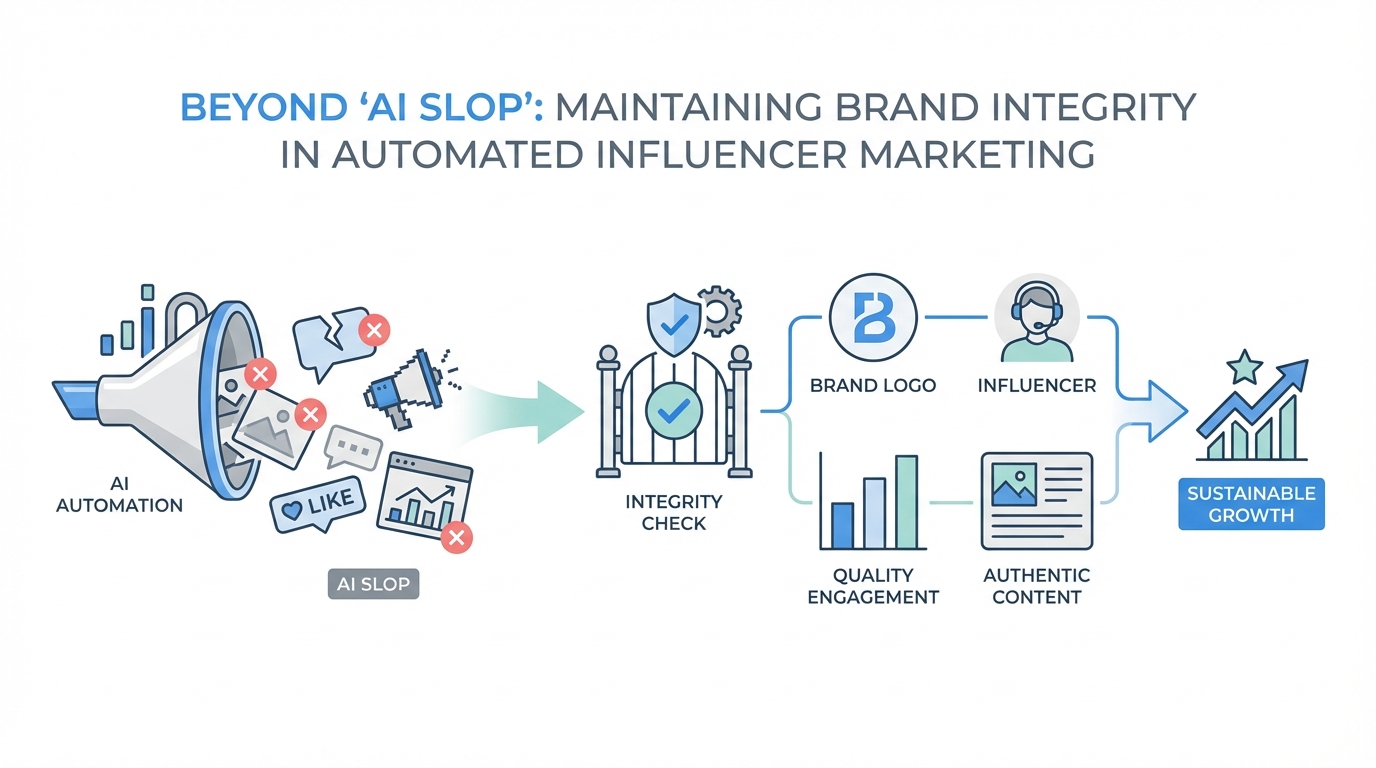
The influencer marketing landscape is undergoing a seismic shift. As we head toward a market projected to reach $32.55 billion in 2025, the conversation is moving away from simple automation toward the era of agentic workflows. Brands are no longer just looking for software that follows "if-this-then-that" rules; they are seeking goal-oriented reasoning systems. However, this transition brings a significant risk: the rise of "AI slop." This term refers to the generic, uninspired, and often context-deaf content that results when marketers lean too heavily on automation without proper guardrails. To maintain creator relationship management and brand integrity, marketers must learn how to anchor their AI tools in human-centric data.
The 'AI Slop' Trap: Why Generic Outputs Fail

One of the primary dangers in the current marketing environment is the AI slop trap. When AI is given a prompt like "write an outreach email to a fitness influencer," it often produces a sterile, over-polished message that creators immediately recognize as automated. In an industry where 92% of brands are either using or open to using AI in their workflows, the ability to stand out depends on personalization. Generic outputs fail because they lack the nuances of a brand's specific tone and the creator's unique style.
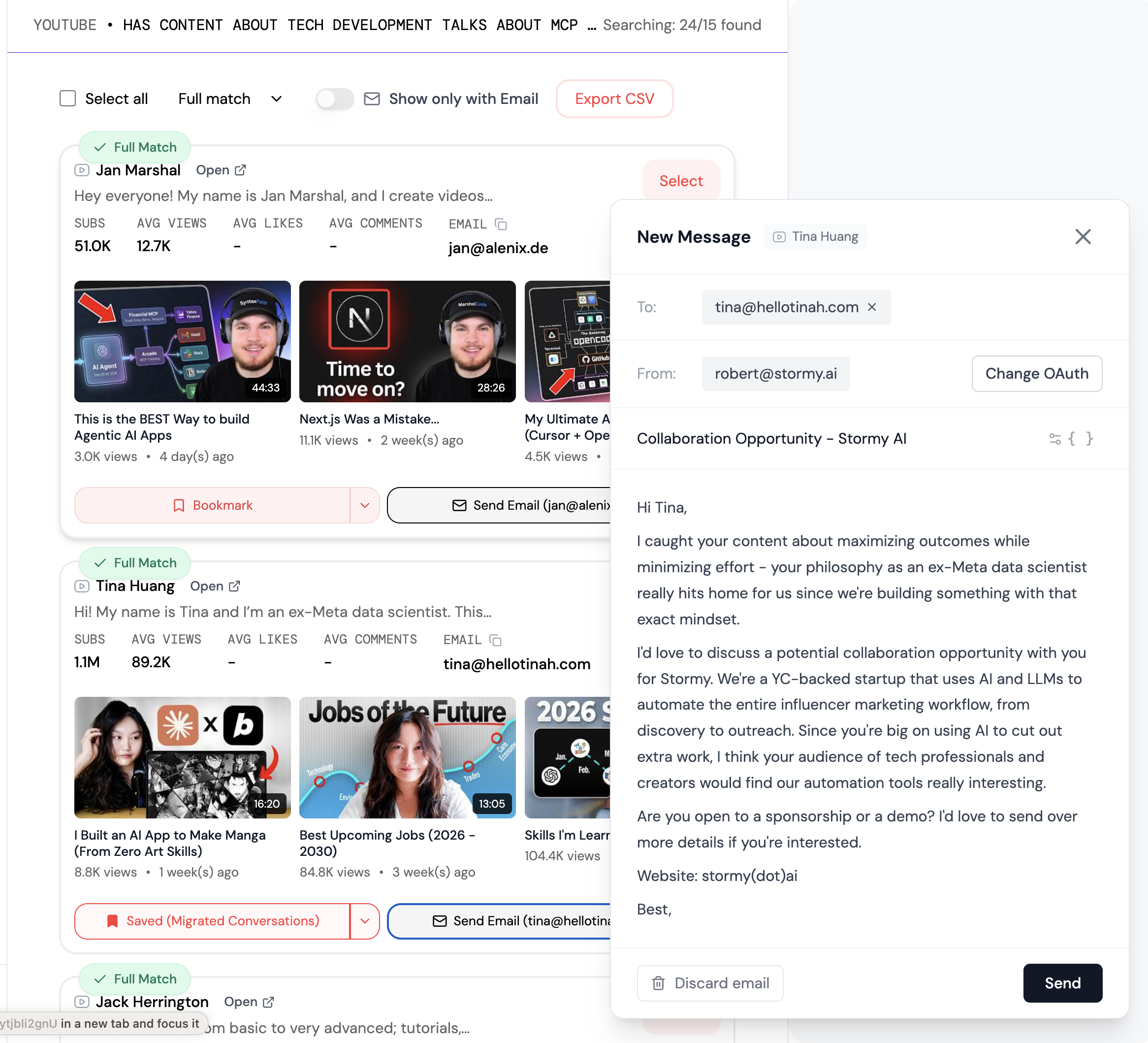
To avoid this, marketers must implement automated brand voice management by "anchoring" their AI agents. This involves feeding the AI actual past successful posts, high-performing email threads, and detailed brand guidelines. Instead of starting from scratch, the AI uses these files as a reference point. For example, Anthropic's growth team has demonstrated how custom instructions can reduce ad creation time from 30 minutes to 30 seconds while maintaining strict adherence to brand standards. By providing constraints, you ensure the output feels like it came from your team, not a generic model.
Moving Beyond Vanity Metrics: Influencer Sentiment Analysis

Historically, brands selected creators based on follower counts and likes—metrics that are increasingly easy to manipulate. In 2025, sophisticated marketers are looking deeper. Using tools like Claude for influencer sentiment analysis allows brands to gauge true audience trust by analyzing the last 100 comments on a creator's posts. This process identifies whether the engagement is authentic or driven by bot networks.
High follower counts mean nothing if the comment section is filled with spam or negative sentiment. By performing automated AI content quality control, brands can identify creators who have built genuine communities. This is critical for ROI, as businesses currently earn an average of $5.78 for every $1 spent on influencer marketing, with top performers reaching as high as $18 per dollar invested. Leveraging sentiment analysis ensures you are investing in creators who actually move the needle for their audience, rather than just looking good on a spreadsheet. You can cross-reference these findings with historical data from platforms like indaHash to see how engagement trends vary across different niches.
The 'Junior Report' Framework: AI as a Technical Assistant
Andrej Karpathy, the former Director of AI at Tesla, suggests a powerful framework for AI in marketing ethics: treating AI agents as "junior reports." You wouldn't give a junior intern total control over your brand's million-dollar campaign without oversight. Instead, you provide them with specific constraints, repeatable skills, and a clear instruction manual. This approach ensures that while the AI handles the heavy lifting of data extraction and initial outreach, the human marketer remains the ultimate arbiter of quality.
According to research from the Digital Marketing Institute, 79% of companies are now adopting AI agents to handle repetitive tasks. In the context of influencer marketing, the "junior report" handles the technical work: scraping video titles, analyzing engagement rates, and drafting scripts. The senior marketer then provides the qualitative feedback—the "gut feeling" that determines if a creator truly aligns with the brand's long-term vision. This hybrid model prevents the degradation of relationship quality that often occurs with 100% automated systems.
Playbook: Bridging the Gap Between AI Data and Local Files
One of the biggest hurdles in modern marketing is tool fragmentation. Marketers often have research in one browser tab, emails in another, and their CRM in a third. To achieve relationship-first scaling, you need to bridge the gap between discovery data and your local project files. Here is a clear playbook for creating a unified workflow:
Step 1: Deep Discovery and Data Extraction
Start by using a specialized search engine to find the right creators. Instead of broad categories, use natural language prompts to find specific niches. For instance, you might search for "US-based tech creators who focus on minimalist setups." This initial data layer is the foundation for everything that follows. Using an influencer sentiment analysis tool during this stage helps filter out low-quality accounts before they ever enter your funnel.
Step 2: Orchestration via CLI and Local Agents
Use tools like Claude Code to orchestrate this data. By bringing your CSV exports into a local environment, you can use AI to read your brand voice guides and write hyper-personalized outreach. This eliminates the "copy-paste" fatigue and ensures every message is anchored in your brand's unique history. At this stage, Stormy AI can be particularly helpful for managing these relationships, as it allows you to centralize creator data and automate follow-ups without losing that personalized touch.
Step 3: Creative Optimization with MCPs
Implement a Model Context Protocol (MCP) to connect your AI agent to the live web. This allows the AI to browse a creator's latest content or take screenshots of their landing pages using tools like Playwright. This real-time context allows your AI "junior report" to suggest specific improvements for User Generated Content (UGC) collaborations, making your brand a more valuable partner to the creator.
Relationship-First Scaling: When to Automate
Scaling doesn't have to mean depersonalizing. The goal of AI content quality control is to free up human time for high-value tasks. You should automate the "quantitative" checks—metrics, initial outreach, and follow-ups—while manually handling the "qualitative" touchpoints. Long-term creator partners deserve a human touch; they are brand ambassadors, not just ad placements.
Real-world examples show this works. Unilever reportedly used an AI Content Studio to generate 1,200 brand-safe assets from just five pieces of influencer footage, reducing creative spend by 33% as noted by AI Align Agency. By using AI to handle the asset variation, the team could spend more time building deeper relationships with the core creators who provided the original footage. Platforms like Stormy AI facilitate this by providing a creator relationship management (CRM) system that tracks every interaction, negotiation, and payment in one place, ensuring no detail is lost as you grow from 5 to 50 monthly campaigns.
Conclusion: The Human-Centric Future of Marketing
Maintaining brand integrity in an automated world requires a shift in mindset. You must move past vanity metrics and embrace influencer sentiment analysis and the "junior report" framework. By anchoring your AI in real brand data and using tools like impact.com for broader campaign tracking, you can scale your operations without falling into the "AI slop" trap. The most successful brands of 2025 will be those that use agentic tools to handle the technical complexity of marketing, allowing their human teams to focus on the storytelling and relationship-building that truly drives growth.