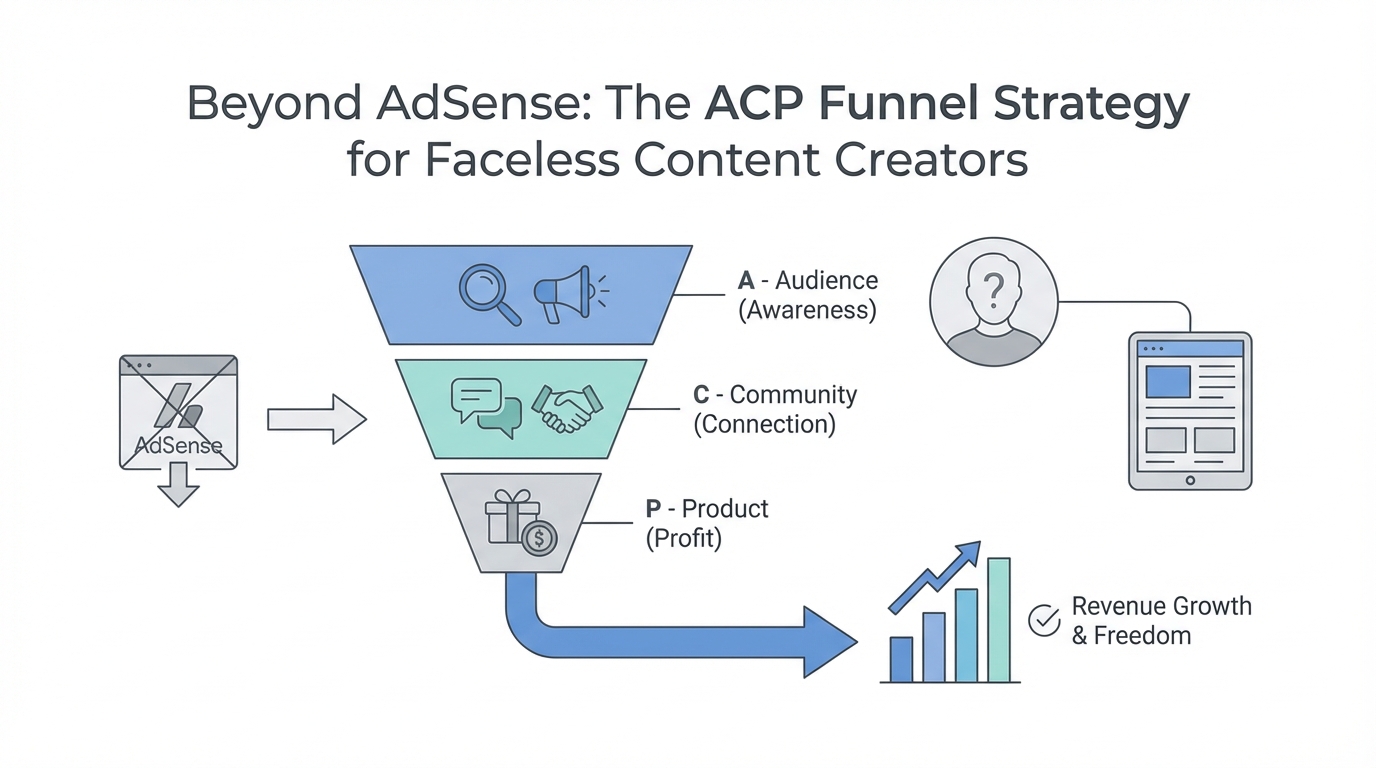
The internet is currently witnessing a massive gold rush, but it is not for the reasons you might think. We have moved past the era of the "DTC Bro" and the "Crypto Bro," entering a new frontier: faceless YouTube channels. For the uninitiated, these are channels where the creator never appears on screen, often relying on high-quality voiceovers, stock footage, or animation to deliver a message. However, the tragedy of this movement is that most people are treating it as a volume game—pumping out low-quality AI scripts in a desperate race for views to earn pennies in YouTube monetization. To build a sustainable business, you must look beyond the generic "top 10" lists and adopt a more sophisticated influencer marketing strategy focused on value over volume.
The Race to the Bottom: Why View-Chasing is a Failing Strategy
Most novice creators enter the world of faceless YouTube niches with a single goal: AdSense. They look for the highest volume keywords, use basic AI to generate a script, and hope the algorithm picks them up. This is a low-leverage approach. When you chase views alone, you are at the mercy of platform changes, fluctuating CPMs, and intense competition from other automated accounts. The real power in 2024 and beyond lies in building a high-impact niche where the audience is not just watching, but actively looking for a lifestyle change or a solution to a problem.
The problem with the "DTC Bro" mentality is that it views every follower as a statistic rather than a customer. If you want to build a media empire that makes six or seven figures on the side, you cannot rely on the $2 to $10 CPMs offered by generic entertainment niches. Instead, you need to target audiences that are pre-qualified to buy digital product sales, join premium communities, or subscribe to software. This shift from being a "creator" to a "business owner" is what separates the winners from the noise.
The ACP Framework: Audience, Community, Product
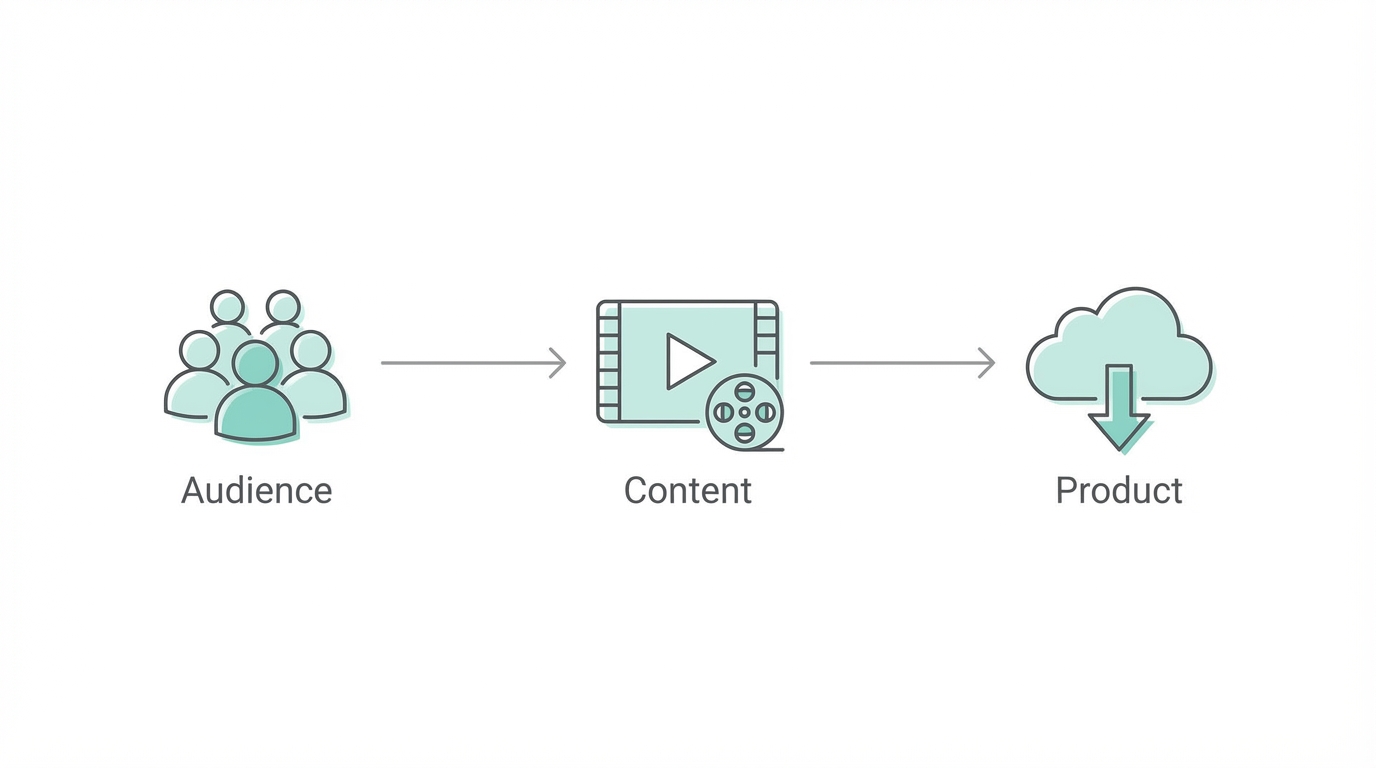
The most successful modern creators use the ACP Framework. This strategy moves away from the volatile nature of ad revenue and focuses on building a proprietary ecosystem. First, you build an Audience on platforms like YouTube or TikTok using high-quality, niche-focused content. Next, you convert that audience into a Community (often on platforms like Skool or Discord). Finally, you sell a Product—whether that is a SaaS tool, a PDF on Gumroad, or a physical item.
Step 1: Building a Specialized Audience
Your audience should be built around a specific lifestyle or interest. Generic channels about "scary stories" are hard to monetize beyond ads. However, a channel about digital detox, biohacking, or specific gaming lore (like Elden Ring) targets a group of people who are already spending money in that category. This makes your channel much more valuable to sponsors and increases your own conversion rates for digital product sales.
Step 2: Moving to a Managed Community
An audience on YouTube is borrowed; a community is owned. By moving your most engaged viewers to a private group, you create a feedback loop. You learn their pain points, which allows you to refine your content and eventually, your product. This is where high-impact niches truly shine because the community bond is stronger than a casual "like and subscribe."
Step 3: Launching the Product
The product is the ultimate goal. For a gaming lore channel, this might be a custom RPG guide or a niche hardware accessory. For a self-improvement channel, it could be a micro-SaaS app that helps people track their habits. This influencer marketing strategy ensures that you are capturing the full value of every view you generate.
Identifying High-Impact Niches: Lifestyle Over Content

To succeed, you must think about lifestyle-based communities. Let’s look at the example of "nostalgia hacking." You could start a faceless channel dedicated to retro gaming, specifically the Sega Dreamcast or early Halo lore. The audience for this isn't just looking for entertainment; they are emotionally invested in a specific era. This audience is much more likely to buy a high-quality coffee table book or join a paid nostalgia community than someone watching a video about "weird facts."
Other high-value faceless YouTube niches include survivalism (where people buy physical gear), history (where people buy books and courses), and personal development. Even within these, you can drill down. Instead of generic personal development, focus on "charisma for introverts" or "productivity for ADHD creators." The more specific you are, the less competition you face and the higher your CPM (and conversion rate) will be.
The 72-Hour Empire: Your Faceless Playbook
One of the most exciting aspects of this business model is how quickly it can be executed using AI tools. You don't need a massive team to launch a professional-grade channel. Here is how you can go from idea to execution in under 72 hours:
Phase 1: Research and Scripting
Use a tool like GummySearch to mine Reddit for what people are actually talking about. Look for questions that get a lot of heat or subreddits with high engagement but low video content. Once you have a concept, use ChatGPT or Claude to draft a script. If you want to ensure the highest quality, you can supplement this by hiring a specialized scriptwriter on Fiverr to add a human touch and emotional depth.
Phase 2: Voiceover and Visuals
Gone are the days of robotic text-to-speech. Tools like ElevenLabs allow you to generate hyper-realistic voices that carry emotion and nuance. For visuals, you can use InVideo AI or Crayo AI to generate footage and edit the video quickly. For your thumbnail—the most critical part of your video's success—use DALL-E 2 or Midjourney to create striking, high-contrast imagery that demands a click.
Phase 3: Optimization and Scaling
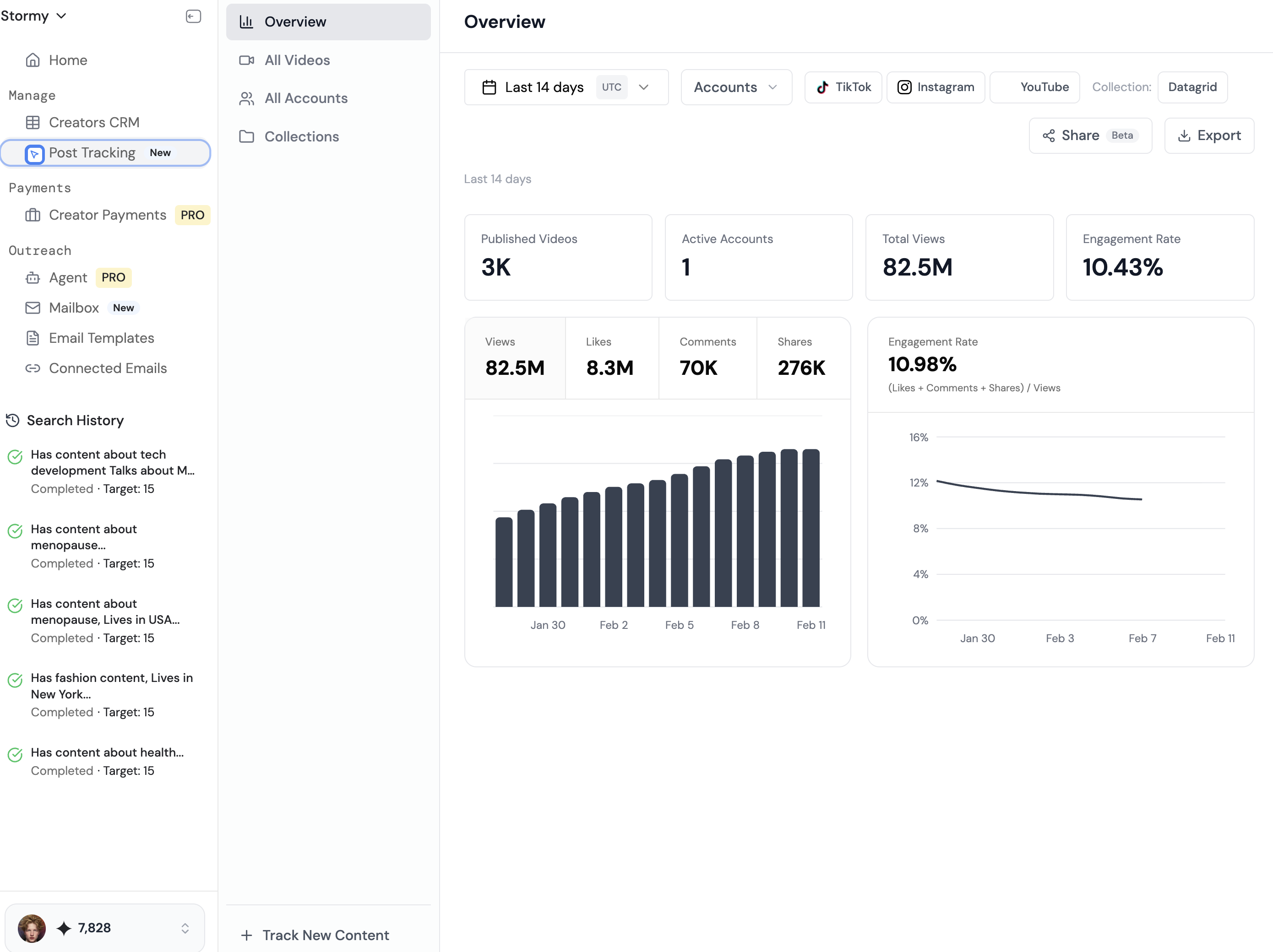
Before you hit publish, use VidIQ for keyword research and channel optimization. To see what is trending across the platform with precision, ViewStats (MrBeast’s analytics tool) is an essential resource. Once your channel gains traction, platforms like Stormy AI streamline creator sourcing and outreach for B-roll or testimonial footage at scale, allowing you to maintain your faceless brand while adding a layer of human authenticity.
Monetization Alternatives: Breaking Free From AdSense
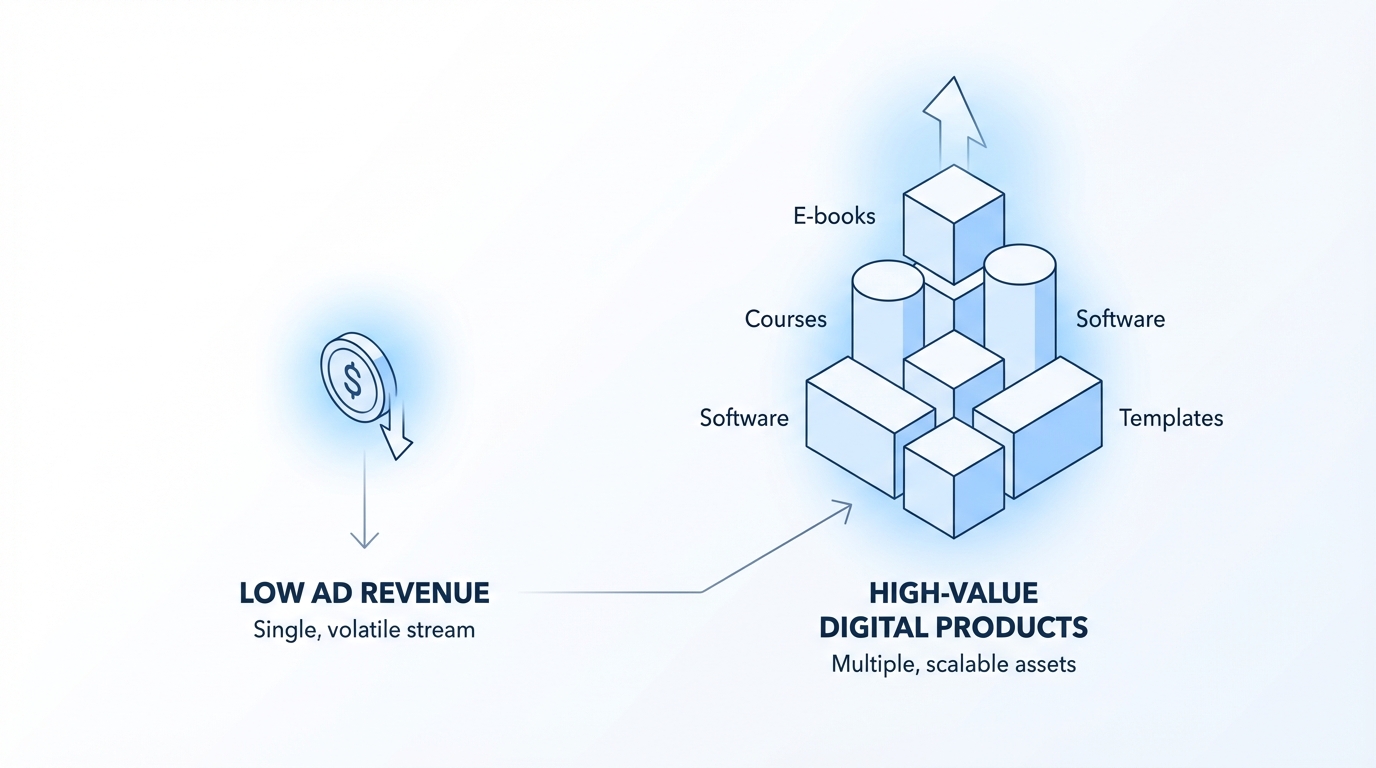
While ad revenue is a nice bonus, it should never be your primary income source. High-performing faceless channels treat YouTube as a top-of-funnel discovery engine. For example, the channel Charisma on Command (a massive faceless success) uses its breakdowns of celebrity interactions to drive traffic to their flagship course. This allows them to earn significantly more per thousand views than they ever could through basic monetization alone.
Consider these alternatives:
- Affiliate Engines: In niches like survival or tech, you can build entire videos around product reviews and comparisons, linking to Amazon or specialized retailers.
- Micro-SaaS: If you identify a recurring problem in your niche, build a simple software solution. A "digital detox" channel could sell an app that bricks your phone for specific hours of the day.
- Paid Newsletters: Use your channel to drive sign-ups to a Substack or Beehiiv, where you sell deeper insights or exclusive content.
Case Studies of Success: Brand Over Basic Revenue
Analyzing established channels like Lemmino or The Infographics Show provides a masterclass in this strategy. Lemmino produces documentary-style content with incredible research and visual polish. He doesn't upload daily; he focuses on quality and storytelling, which has earned him 11 million+ views on single videos. His brand is so strong that fans support him on Patreon regardless of the YouTube algorithm's whims.
Similarly, The Infographics Show uses simple animations to answer complex or curious questions. They have scaled this to 14 million subscribers by understanding what works on platforms like Quora and Reddit and turning those discussions into visual narratives. These creators are not just making "content"; they are building media assets that have long-term leverage and value. By utilizing a creator CRM like Stormy AI, businesses can even track these high-performing channels to find partnership opportunities or study their audience demographics for better targeting.
Conclusion: Building Leverage Without the Ego
The beauty of the faceless YouTube model is the personal detachment it allows. You don't have to deal with the pressure of being an "internet personality" or the mental toll of public scrutiny. You can treat your channel as an art project or a mechanical business asset. The goal is to provide genuine value—whether that's through education, entertainment, or community—and then build a funnel that captures that value.
Stop chasing the next viral trend and start building for the ACP Funnel. Focus on high-impact niches, master the AI tech stack to save time, and always keep the end product in mind. Whether you are selling a $10 PDF or a $1,000 course, your success depends on the depth of the connection you build with your niche. Start your faceless journey today, not as a content creator, but as a digital entrepreneur. You will learn more about audience building and AI tools in one month of running a faceless channel than in a year of reading about it.