The era of the "idea guy" has officially arrived. As Sam Altman famously noted, we are entering a period where technical barriers are collapsing, allowing visionaries to build complex software through sheer intent—a phenomenon now known as vibe coding. But as the market floods with new tools, founders are facing a paradox of choice. Which platforms actually deliver production-grade code, and which ones brick after ten prompts? This definitive 2026 tier list breaks down the top AI app builders based on reliability, technical depth, and founder trust.
The S-Tier: The Gold Standard for Modern Builders

In 2026, the S-Tier is occupied by tools that offer the perfect balance of agentic autonomy and granular control. At the absolute top of the mountain sits Cursor. While many competitors have tried to unseat it, Cursor remains the S++ choice for anyone who wants to build real software. It is important to note that Cursor is unapologetically built for developers. While non-technical founders can use it, the tool excels when the user understands how to navigate a file system and manage a repository. Its new Plan Mode allows the AI to map out complex architectural changes before executing, which is a game-changer for maintaining long-term code health.
Joining Cursor in the S-Tier is V0 by Vercel. If Cursor is the king of logic and backend structure, V0 is the monarch of the frontend. V0 has become the go-to for rapid prototyping because of its deep integration with the Vercel ecosystem. It doesn’t just generate code; it generates a plethora of options using high-quality UI components that you can reuse across projects. For a founder trying to get a MVP in front of investors in 48 hours, V0 is unparalleled in its speed and design aesthetic.
The A-Tier: The High Performers
The A-Tier consists of tools that are powerful but currently face slight hurdles in consistency or community support. Claude Code, which was previously considered the undisputed leader, has seen what users call a "nerf" in recent months. While it still uses the industry-leading Claude 3.5 Sonnet model, many builders find that the agentic wrappers around the model on other platforms—like Cursor—actually produce better results than Claude’s own CLI tool. However, for those who prefer working directly in the terminal, it remains a top-tier choice.
We also see Replit holding strong in this category. Replit has successfully bridged the gap between a cloud IDE and a vibe coding agent. Their Agent Mode, which can take 15-20 minutes to build out a full application from a single prompt, is impressive for founders who want a hands-off experience. Similarly, Codex has seen massive improvements. Once considered a secondary option, Sam Altman’s team has refined Codex into a model that rivaling Sonnet in coding logic, earning it a spot among the best vibe coding tools 2026 startups are using to scale.
The B-Tier: The Abstraction Specialists

For non-technical founders, the B-Tier is often the most attractive because these tools abstract away the "scary" parts of coding like API keys and database migrations. Lovable and Bolt lead this pack. These platforms allow you to describe an app and have it running in the browser instantly. The trade-off is often flexibility. For example, Lovable relies heavily on Supabase as its primary backend. While Supabase is excellent, being locked into one specific provider can be a hurdle as your app scales or requires specialized infrastructure.
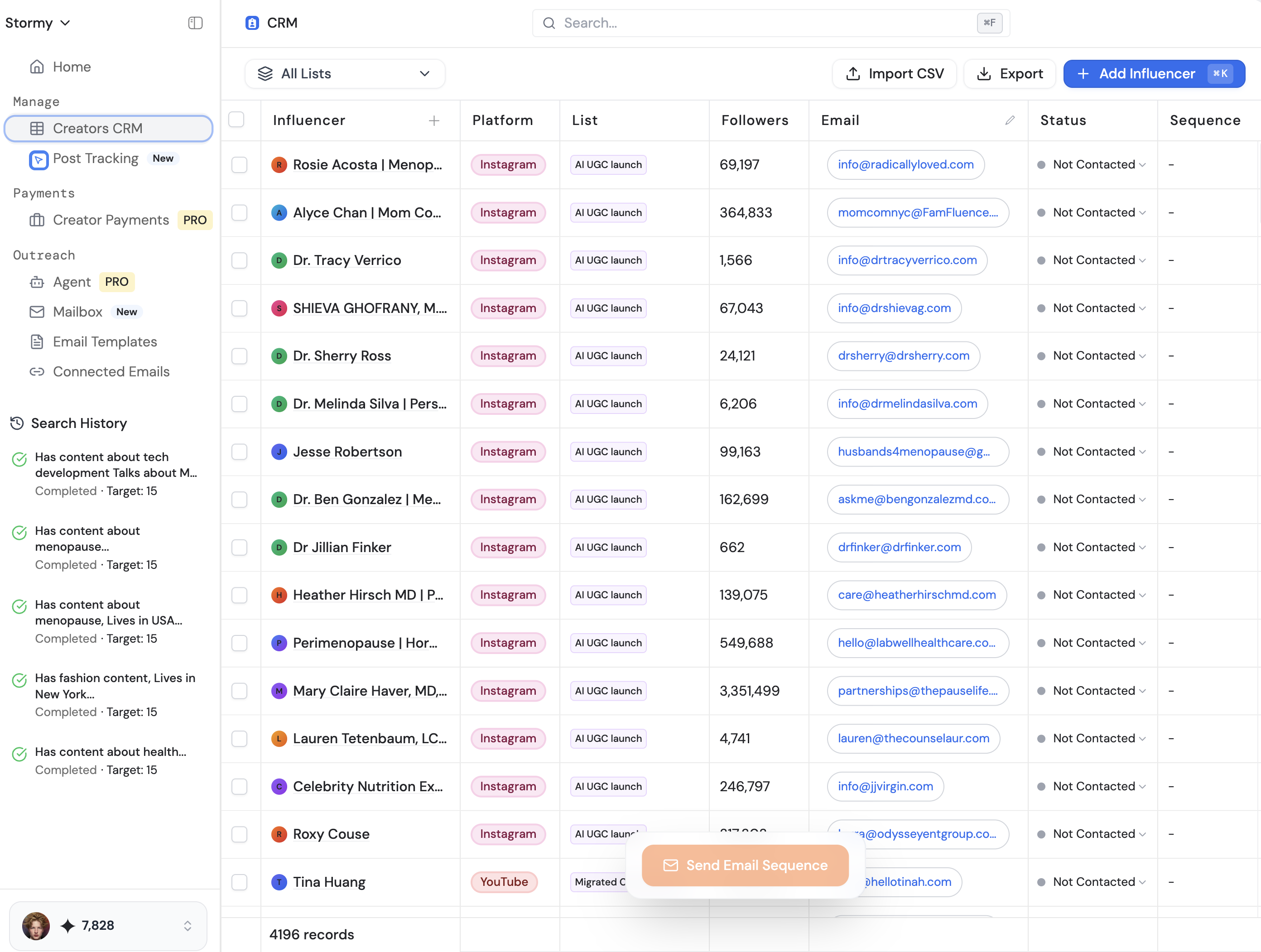
Chef, a tool developed by the team at Convex, also lands here. While Chef was originally built as a showcase for the power of the Convex backend, it has become a favorite for those who value high-performance data streaming. Using a backend like Convex ensures your app remains snappy even as the data load increases, which is why many newer vibe coding platforms like Bloom and VLA are building on top of their open-source repo. When you're ready to market these apps to users, platforms like Stormy AI can help source and manage UGC creators to drive your initial growth and brand awareness.
The Mobile Vibe Coding Revolution
A new sub-category has emerged in 2026: mobile-first vibe coding. Tools like Vibe Code App, Rorc, and A0 are focusing specifically on the Expo and React Native ecosystem. This is a strategic move, as many consumer startups are finding that mobile apps offer better retention than web-based tools. Mobile vibe coding allows you to build for both iOS and Android simultaneously. Founders are using these tools to build niche AI coaches and consumer utilities that are generating millions in recurring revenue.
The challenge with mobile is the "commitment factor" of a download. To succeed here, you need more than just a functional app; you need a strategy to get in front of the right audience. Managing the growth of your new mobile startup requires more than just code; it requires relationships. Using a creator CRM like Stormy helps founders track every influencer interaction and campaign performance as they scale their user base through TikTok and Instagram Reels.
The D-Tier: The Trust Deficit and the Windsurf Case Study
One of the most important lessons of 2026 is that team stability matters as much as the LLM. Windsurf, once a promising contender, has fallen to the D-Tier. Despite having impressive technology, the departure of the founding team and the subsequent acquisition by Devon created a massive trust deficit. When you choose a vibe coding tool, you aren't just picking a piece of software; you are betting on a company. If the leadership team disappears, your project's future infrastructure is at risk. Always look at the founders—whether it's Guillermo Rauch at Vercel or Eric Simons at Bolt—to ensure the platform you build on will be supported long-term.
Playbook: Choosing the Right Tool in 3 Steps
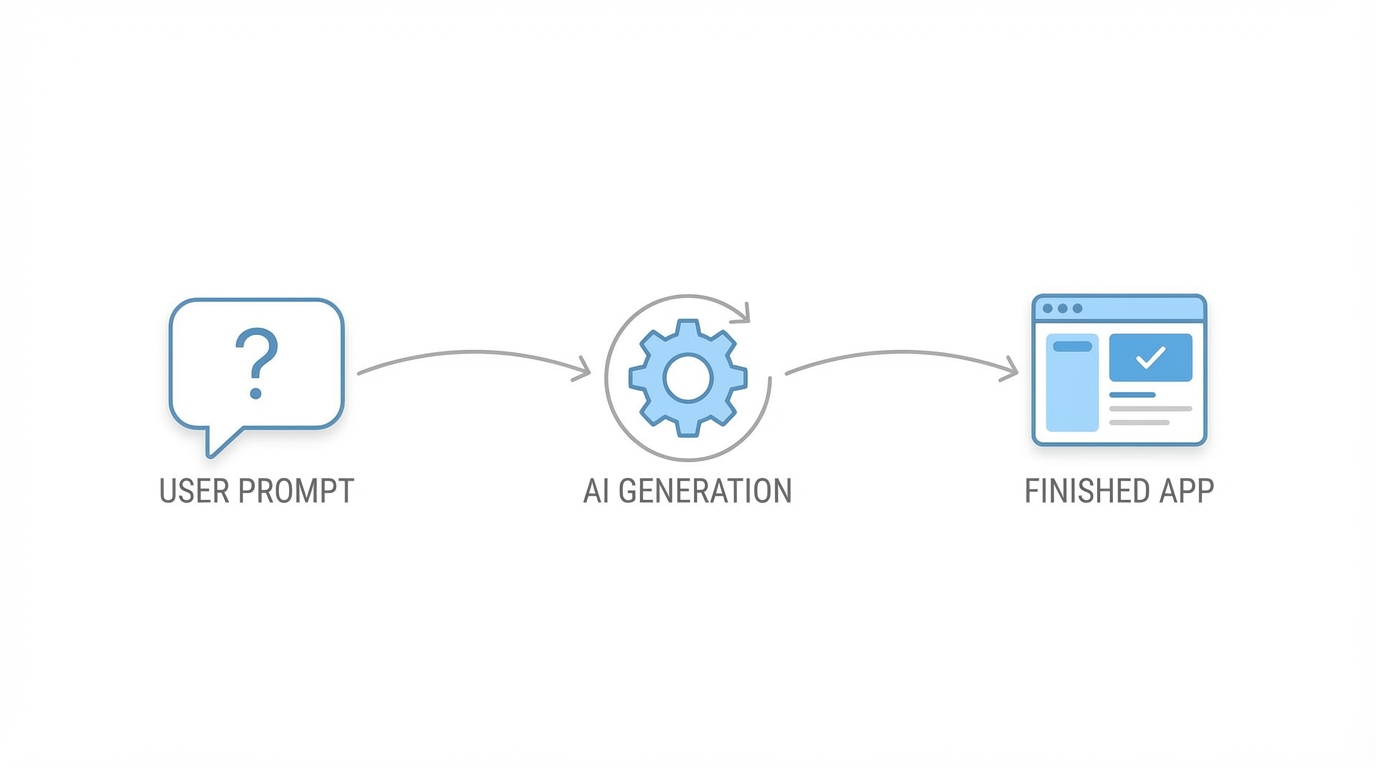
If you are overwhelmed by the options in the AI coding agent tier list, follow this simple decision matrix to find your perfect match.
Step 1: Evaluate Your Technical Proficiency
If you know how to use the terminal and understand Git, start with Cursor. It provides the most professional environment. If you have zero technical knowledge and don't want to learn, start with V0 for web or Vibe Code App for mobile. These tools allow you to "fail fast" and see visual results immediately.
Step 2: Define Your Backend Needs
Does your app need a complex database, real-time updates, or user authentication? If so, look for tools that support Convex or Supabase. Tools like Idea Browser can help you research which backend architectures are trending for your specific niche before you write a single line of code.
Step 3: Commit to the Iteration
The biggest mistake "vibe coders" make is giving up after five prompts. Software development is iterative. You must enter the process with the mindset that version 1.0 is a draft. Use tools like Meta Ads Manager or Google Analytics to test how users interact with your early builds, then go back to your AI agent to refine the features based on real-world data.
Conclusion: The Future of Building
Vibe coding is not a shortcut to success; it is a force multiplier for creativity. Whether you choose the technical depth of Cursor or the streamlined abstraction of Lovable, the most important factor is your willingness to iterate and solve real problems. As you build, remember that the software is only half the battle. To turn a vibe-coded project into a sustainable business, you must focus on community and marketing. By leveraging the best vibe coding tools 2026 and modern influencer marketing strategies, the gap between an idea and a thriving startup has never been smaller.