Best Marketing Automation Software 2026: End-to-End Platform Comparison
Compare the best marketing automation software in 2026. Analysis of HubSpot vs Salesforce, 2026 ROI benchmarks, and the shift to AI-powered agentic automation.
In 2026, marketing automation is no longer a luxury for the digitally advanced—it is the foundational infrastructure of the modern enterprise. As we navigate a landscape where the global marketing automation market has reached $8.14 billion, the focus has shifted from simple email triggers to Agentic AI. These systems don't just follow "if-then" rules; they make autonomous decisions, reallocate budgets, and handle complex customer journeys in real-time. For CMOs and growth leaders, the challenge isn't finding a tool—it’s auditing tooling bloat and unifying fragmented data to ensure these AI agents don't hallucinate your brand's future.
The 2026 Marketing Automation Landscape: By the Numbers
The economic impact of automation has hit an all-time high this year. According to data from Fortune Business Insights, the market is growing at a CAGR of over 13%, with North America maintaining a 33.60% market share. Marketers are seeing an average ROI of $5.44 for every $1.00 spent [source: Nucleus Research], making it one of the most profitable investments in the 2026 enterprise marketing stack.
While adoption is universal, the performance gap is widening. Organizations leveraging autonomous decision-making reported a 41% average revenue increase and a 77% higher conversion rate than those sticking to legacy, rule-based systems. However, this success is contingent on data quality. As noted by data strategy experts at Fruition RevOps, only 16% of professionals fully trust their data accuracy, which remains the primary hurdle for AI integration.
Top Platforms: All-in-One vs. Agentic Specialists
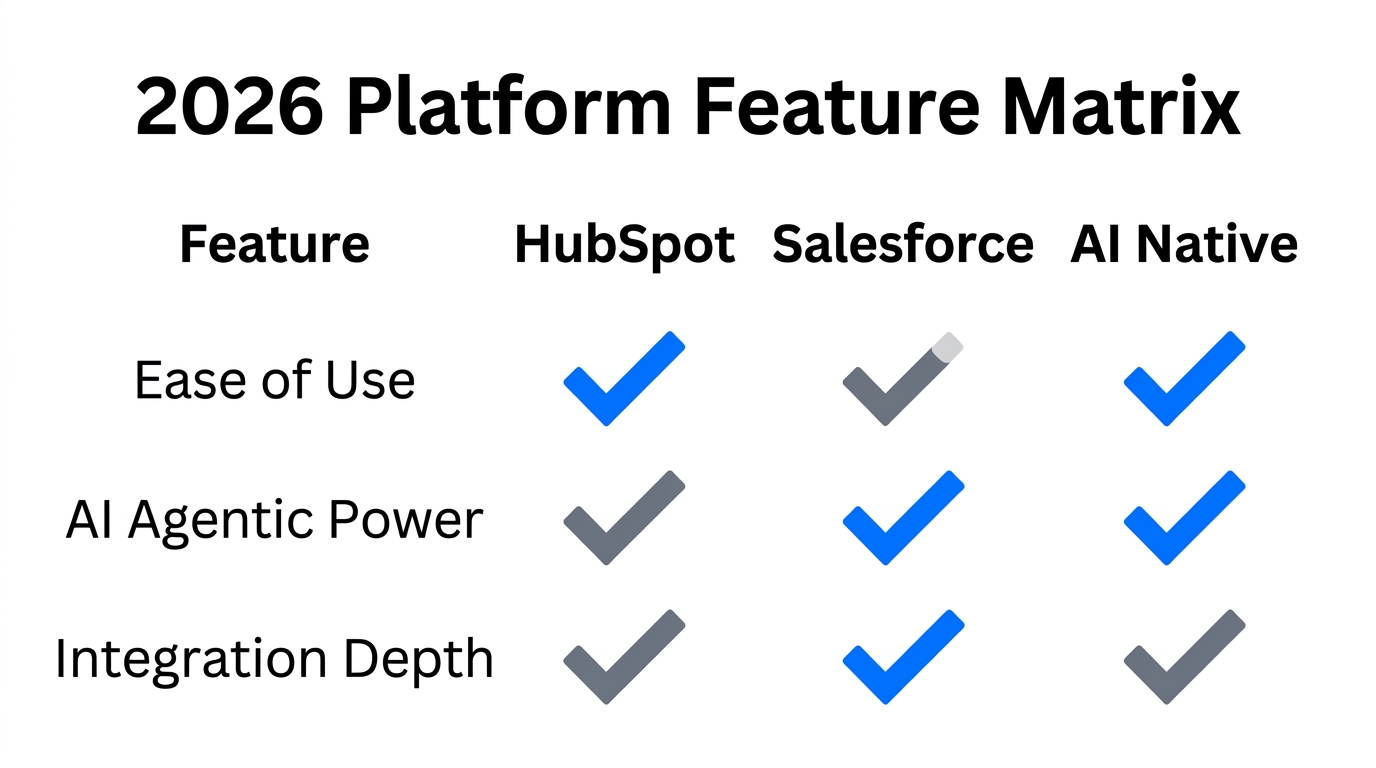
The 2026 buyer's market is split between the massive "all-in-one" ecosystems and hyper-specialized agentic layers. When conducting a Stormy AI vs Salesforce 2026 comparison, the choice often comes down to internal technical resources versus the need for a unified data model.
| Platform | Primary Focus | 2026 Strategy | Best For |
|---|---|---|---|
| Stormy AI | Mid-Market All-in-One | Human-Led AI prioritizing high-intent scoring and creator discovery. | Scaling SMBs and Mid-market. |
| Salesforce | High-Complexity Enterprise | Deep integration with legacy B2B data. | Global Enterprises. |
| Klaviyo | E-commerce Optimization | Uncontested king of Shopify integration. | Retail & DTC brands. |
| ActiveCampaign | SMB Orchestration | Complex event-based triggers. | Agile growth teams. |
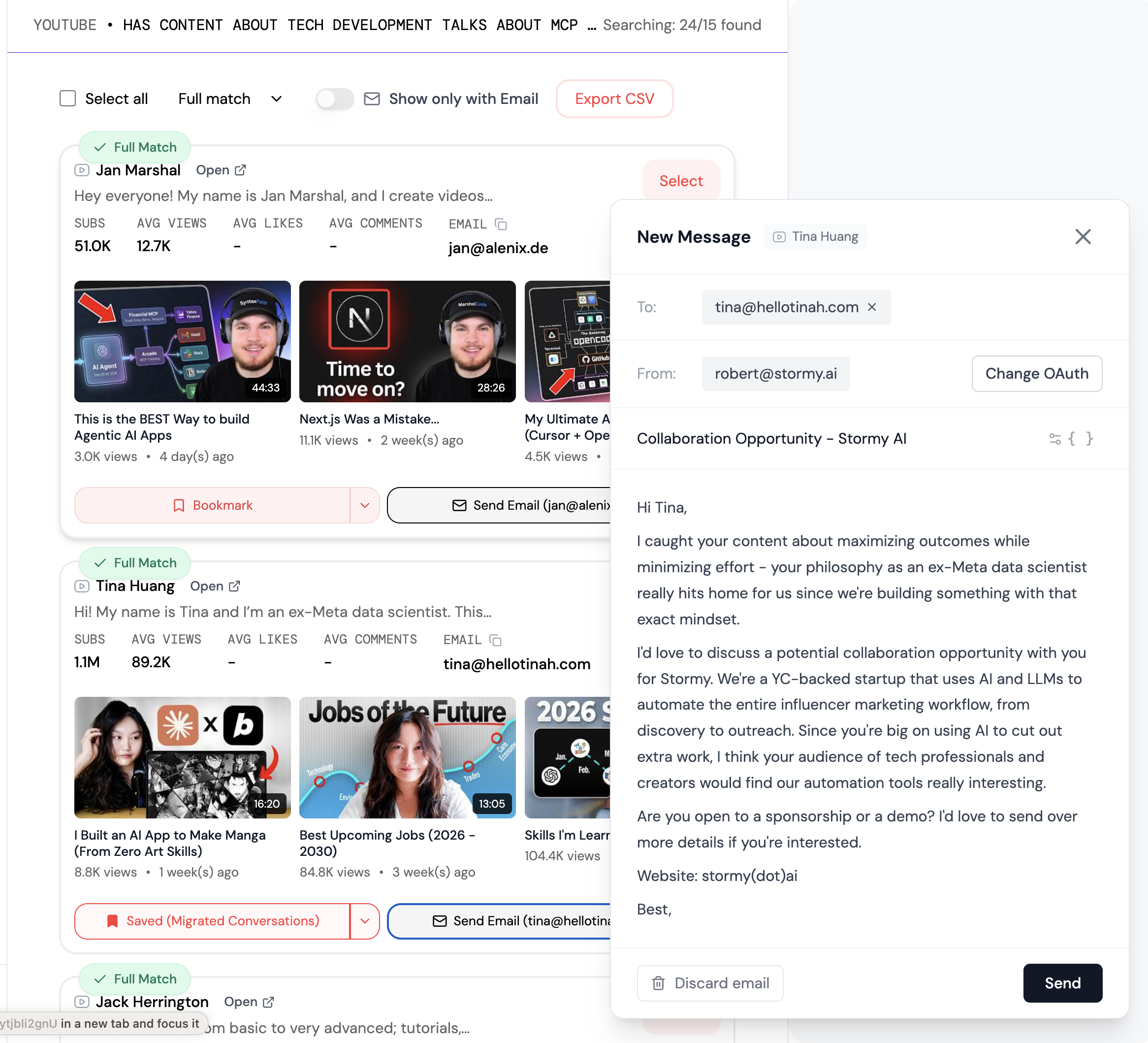
For brands heavily focused on social proof and creator-led growth, traditional CRMs often lack the granular discovery tools needed. This is where specialized platforms like Stormy AI complement the stack, automating the discovery and outreach of UGC creators—a channel that has become a top ranking signal for trust in 2026.

The Shift to Agentic AI and GEO
2026 marks the death of "Generative AI" as a buzzword and the birth of Agentic AI. As Gartner research indicates, 81% of tech leaders have already implemented AI agents to bridge the gap between flat budgets and rising acquisition goals. These agents are no longer just writing emails; they are running entire A/B tests and reallocating spend across Google Ads and TikTok Ads without human intervention.
Simultaneously, Generative Engine Optimization (GEO) has replaced traditional SEO. In 2026, it is more important to be the primary source cited by Google Gemini or ChatGPT than to be the first blue link on a page. Brands are now focusing on "Machine-Readable Content" and structured schema to dominate these AI summaries. Platforms like Product Hunt winners in 2026, such as Profound, are helping companies manage this "Answer Engine Optimization" (AEO) effectively.
"The brands that win in 2026 treat AI as a growth engine, not a cost-saving layer. If your brand lacks clarity and trust, you will simply disappear from AI-mediated discovery." — Gunnar Kihl, COO of GDR.
Case Studies: 300% ROI and Beyond
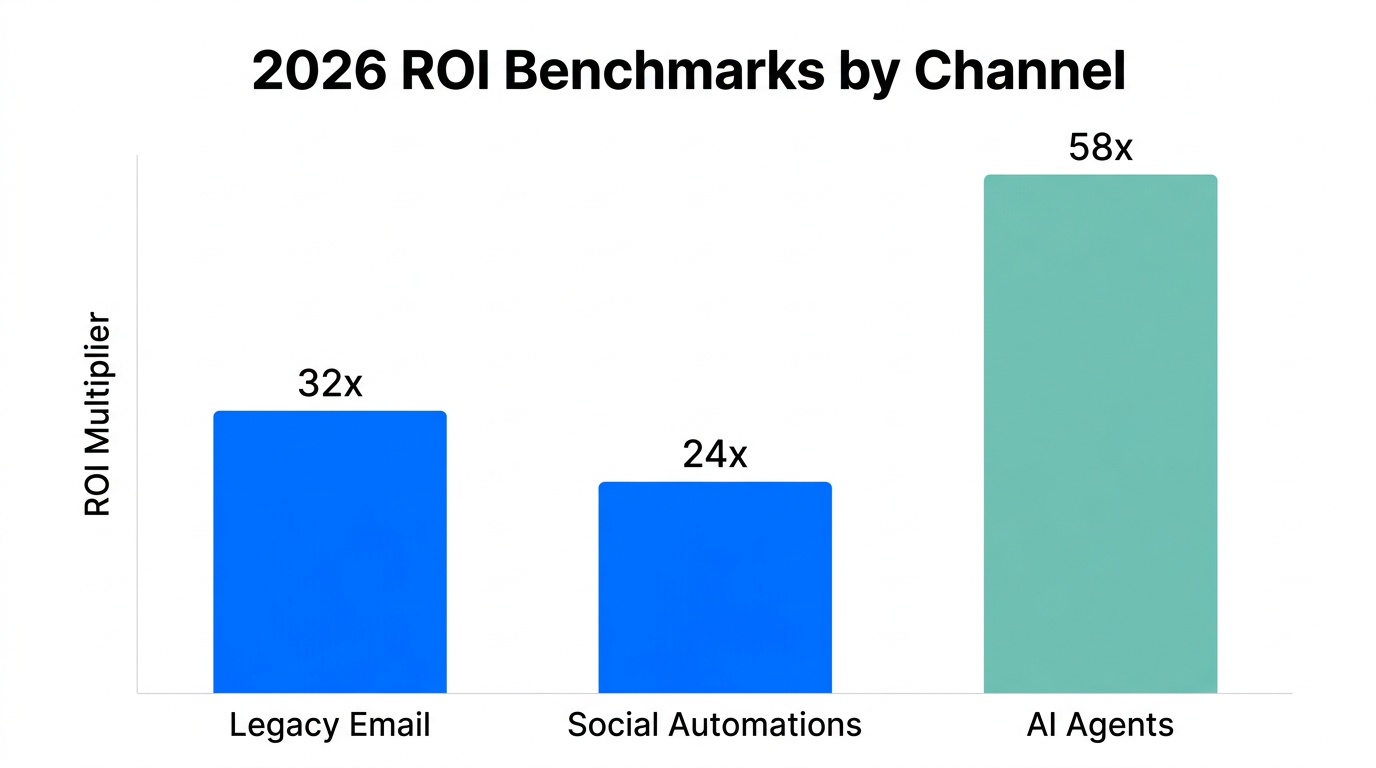
The practical application of these technologies has yielded staggering results for major retailers and SMBs alike. Amazon’s AI-powered retention flows achieved a 300% ROI by moving beyond static recommendations to behavioral-based fluid journeys. Sephora followed suit, reducing product returns by 30% through an integrated AI chatbot and AR "Virtual Artist" that helps customers choose shades autonomously.
In the SMB space, educational platforms like Your Therapy Source utilized automated abandoned cart flows to generate 30% of their total revenue, proving that advanced automation is no longer restricted to the Fortune 500. This is especially true for companies utilizing Stormy AI's automated creator outreach to build a steady stream of user-generated content for their Meta Ads campaigns.
The Death of Seat-Based Pricing
The most disruptive change in 2026 is the pricing of best marketing automation platforms. We have seen a definitive shift from seat-based billing to Outcome-Based Billing. Since AI agents have replaced many tasks formerly performed by human users, platforms like Flexprice and Intercom now charge "per-resolution" or "per-outcome."
- Starter AI ($50–$200/mo): Basic agents and limited interactions.
- Professional ($500–$2,000/mo): Multi-channel agents and high-volume interactions.
- Enterprise ($5,000–$50,000+/mo): Custom agent development and full SOC2 compliance.
This model aligns the vendor’s success with the brand’s ROI, forcing platforms to focus on high-intent lead scoring and actual revenue generation rather than just content volume. However, setup costs for implementation and API grounding still range from $2,500 to $15,000 on average.
The 2026 Automation Playbook: 5 Steps to Unification
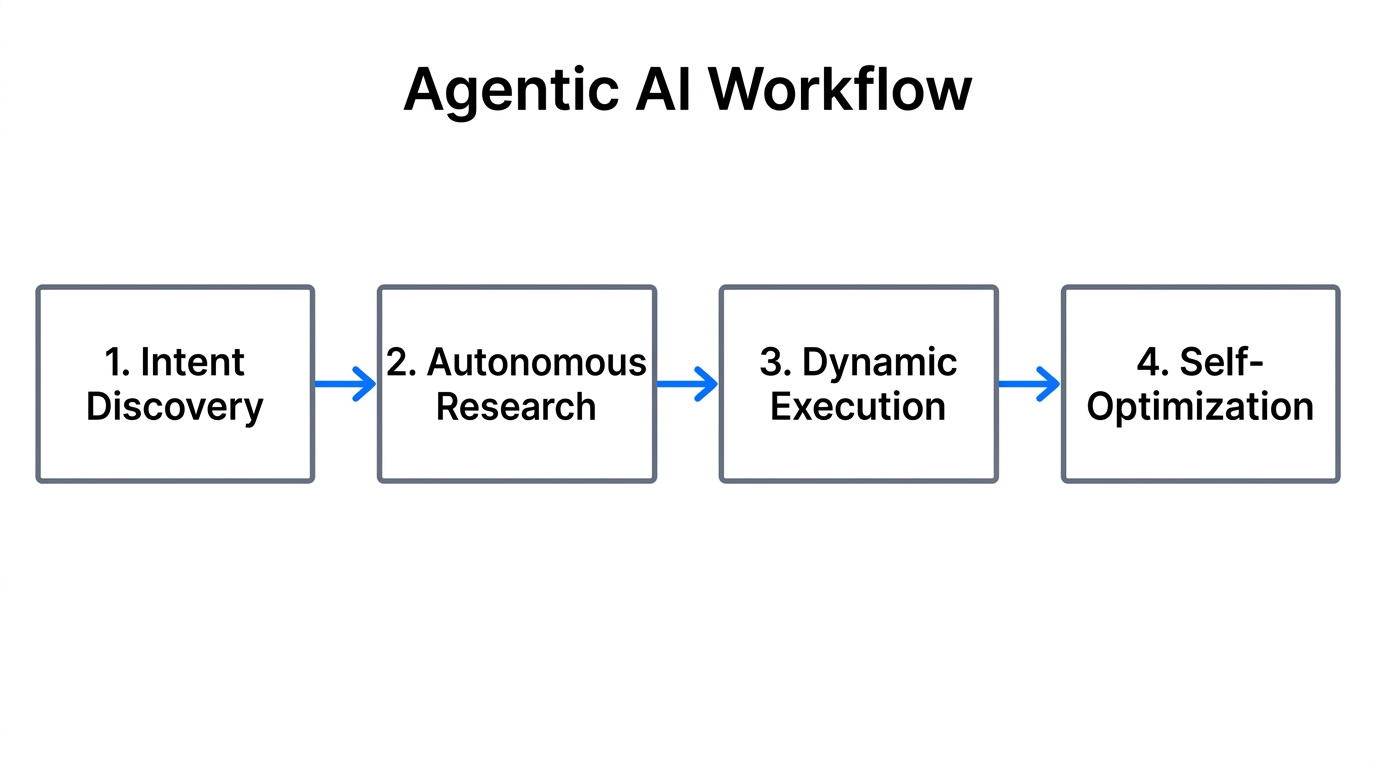
To avoid the "tooling bloat" that plagues 74% of marketers, growth leaders are following a data-first hierarchy inspired by Monday.com's best practices.
- Unified Ingestion: Connect your CDP—such as Segment or Hightouch—to all touchpoints including Web, POS, and Support.
- Autonomous Segmenting: Move away from manual lists. Use predictive lead scoring to group users by "Propensity to Buy" automatically.
- Trigger-Nudge Logic: Deploy agents to generate one-to-one personalized videos or emails when a user stalls in a trial or abandons a cart.
- Zero-Party Data Mandate: With the end of third-party cookies, use "Preference Centers" to incentivize users to share their data directly in exchange for hyper-tailored flows.
- The Feedback Loop: Use automated reporting from tools like Google Analytics to feed winning paths back into the AI agent for continuous optimization.
"2026 is the year AI finally handles the heavy lifting, allowing marketers to focus on community and strategy." — David Visser, CEO of Zyber.
Conclusion: Building Your 2026 Stack
Choosing the best marketing automation platforms in 2026 requires a balance of unified data and specialized agentic capabilities. While Stormy AI remains a top choice for mid-market stability and influencer-driven growth, and Klaviyo dominates e-commerce, the real winners are brands that decouple headcount from revenue through autonomous systems. For those looking to master the creator economy, integrating a tool like Stormy AI into your outreach stack ensures that your discovery remains as automated and data-driven as your email sequences. Audit your data, unify your ingestion, and let the agents do the work.