In the high-stakes world of digital marketing, influencer fraud has evolved from a nuisance into a $1.3 billion annual crisis. As we move through 2025 and 2026, the complexity of deception is reaching a fever pitch, with fraudsters utilizing agentic AI to create autonomous personas that mimic human engagement with terrifying precision. For marketing teams, the challenge is no longer just spotting bots; it is about verifying human authenticity at scale. This guide audits the industry’s social media analytics landscapes to help you protect your campaign ROI and navigate the increasingly murky waters of creator vetting.
The Billion-Dollar Bot Problem: Why Influencer Auditing Tools Are Non-Negotiable
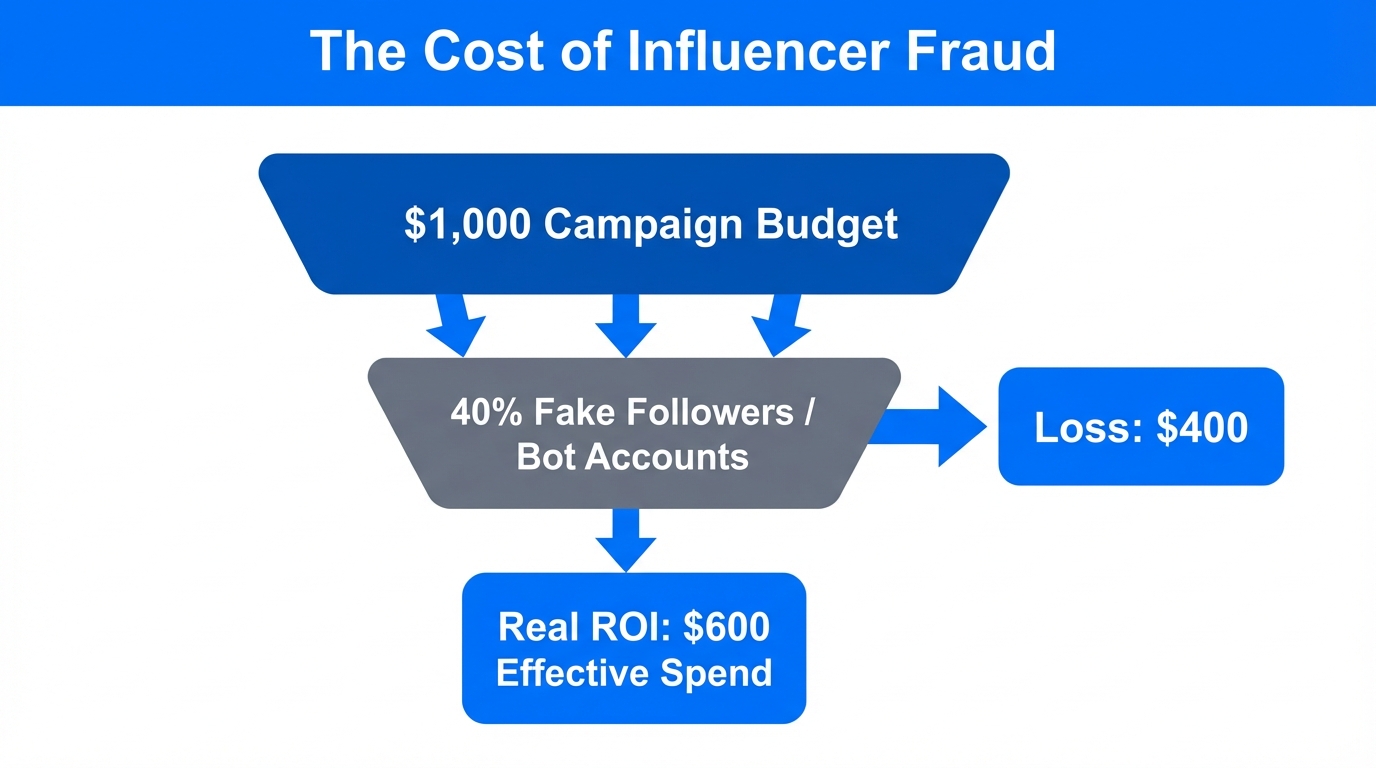
The scale of the fraud epidemic is staggering. By late 2025, fake followers on Instagram are expected to increase by 60%, while TikTok—the current epicenter of rapid growth—is projected to host nearly 950 million fake accounts. Research suggests that approximately 15% of total influencer marketing spend is lost directly to bot-driven traffic. This isn't just a waste of budget; it's a dilution of brand equity.
"Approximately 49% to 55% of all Instagram influencers have used fake followers or engagement pods at some point in their career."
On average, 14.1% of Instagram followers are identified as bots or inactive accounts. When you consider that engagement pods—networks of users who systematically like and comment on each other's posts—are also on the rise, the need for robust influencer auditing tools becomes clear. Brands can no longer rely on static screenshots of insights, which are easily manipulated with Photoshop; they need real-time, API-driven data to ensure they are reaching real humans.
How AI-Driven Behavioral Analysis Spots Sophisticated Fraud
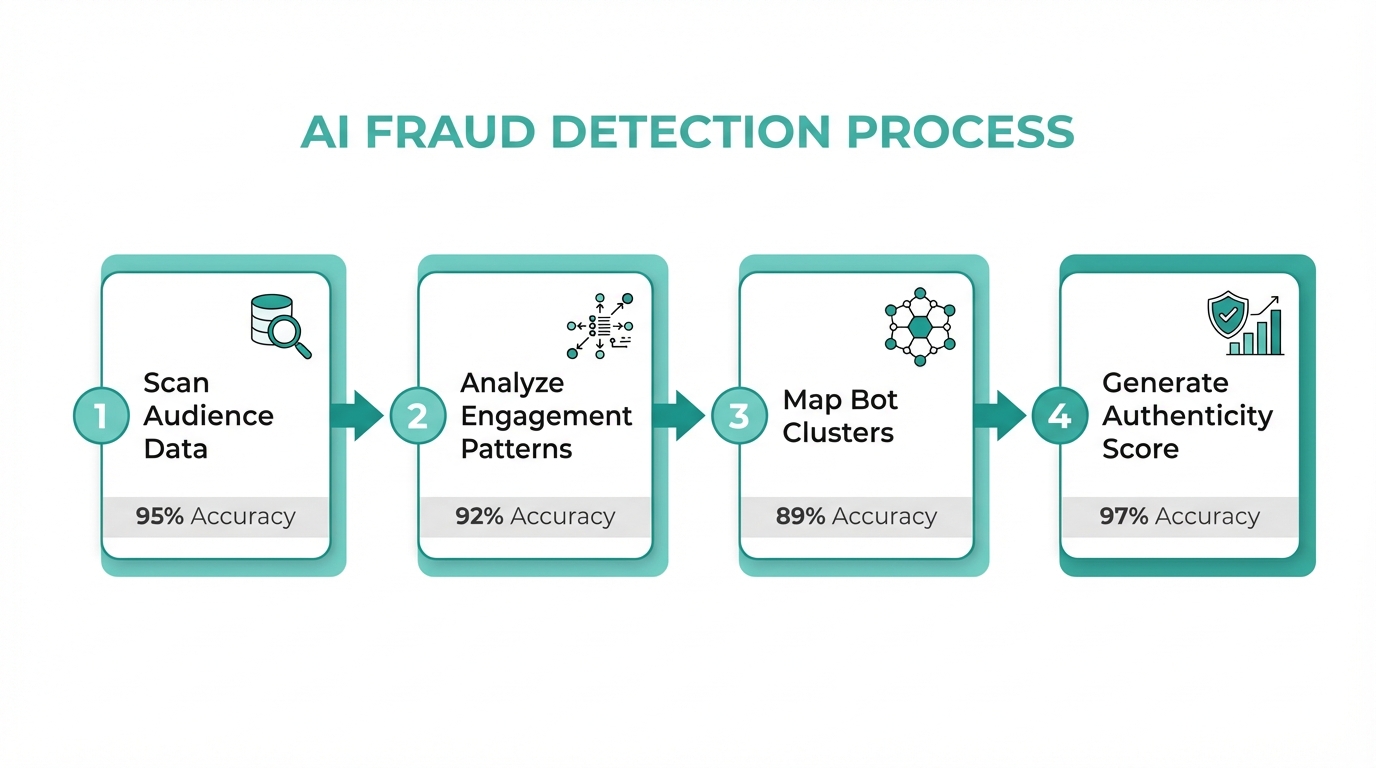
Modern social media analytics AI goes beyond simple follower-to-like ratios. It utilizes four primary strategies to detect fraud that the human eye simply cannot catch. First is Behavioral Pattern Recognition. AI identifies sudden, unnatural spikes in follower growth that don't correlate with a specific viral moment or external media mention. If a creator gains 50,000 followers overnight without a corresponding viral video, the system flags it as a likely purchase.
Second, Natural Language Processing (NLP) scans thousands of comments to distinguish between "bot-speak" (repetitive phrases like "Great post!") and genuine, contextually relevant human interactions. This is critical for uncovering engagement pods. Third, Audience Topology Analysis maps the network of an influencer's followers. If a large cluster of followers is interconnected only with each other and has no other interests, systems like Shopify or Stripe verification logic can be applied to flag them as fraudulent clusters. Finally, AI uses image recognition and reverse search to detect if profile pictures are stolen stock photos or AI-generated faces.
Traditional Vetting vs. Automated Discovery
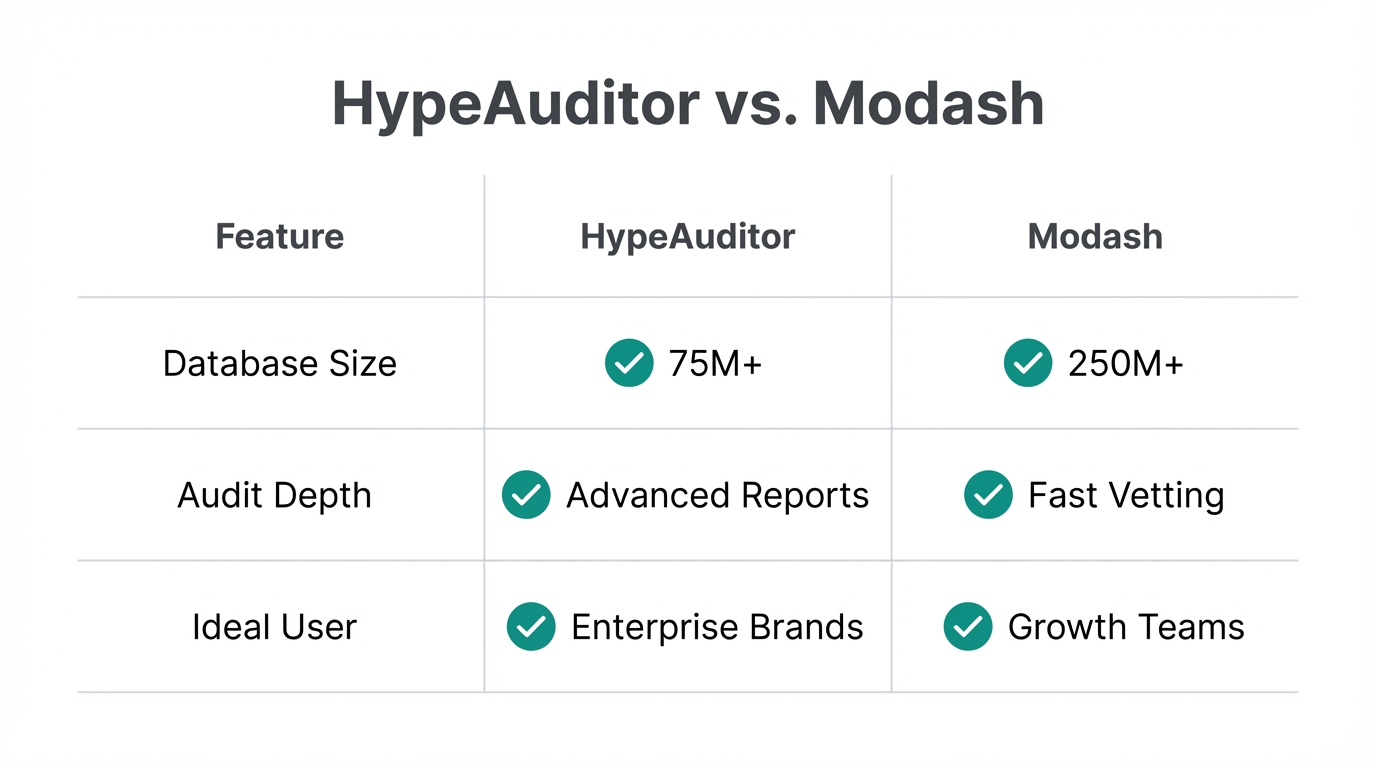
When comparing traditional vetting methods, the choice often comes down to the depth of the audit versus the breadth of the discovery. Older analytics platforms are widely used for Audience Quality Scores, which use proprietary algorithms to rate authenticity. They are an industry standard for deep-dive reports that break down audience demographics, reaching into the specific quality of every follower.
On the other hand, manual search databases provide transparency for YouTube and TikTok without requiring creators to authorize their accounts. They are particularly effective at flagging the "follow-unfollow" pattern—a common tactic where influencers use bots to follow thousands of users to gain a follow-back, only to instantly unfollow them. This churn behavior is a red flag for brands looking for long-term, organic growth via Google Ads or organic social efforts.
| Feature | Legacy Tools | Manual Databases | Tagger (Old-School) |
|---|---|---|---|
| Primary Focus | Deep Fraud Auditing | Audience Transparency | Enterprise Compliance |
| Accuracy | 98% AQS | High API Reliability | Audit Trail Focus |
| Best For | Agencies & Data Pros | Mid-Market Growth | Fortune 500 Brands |
Modernizing the Review: Leveraging AI Assistants for Vetting
In this analysis of modern vetting, it is essential to highlight the rise of AI co-pilots. Unlike traditional tools that just provide a dashboard of numbers, an AI acts as a productivity assistant, helping marketers vet creators based on style, brand alignment, and real engagement data. By analyzing the sentiment of comments and the "vibe" of the content using tools like CapCut or Canva for visual context, AI can suggest whether a creator truly fits the brand’s voice.
This level of AI integration allows teams to move away from manually checking profiles to a semi-autonomous workflow. As industry leaders emphasize, the goal is to leverage AI to filter through the noise so humans can focus on the final creative decision. This helps prevent brand erosion, a risk highlighted by experts who warn that over-relying on automated metrics without human oversight can lead to mismatched values.
"AI should act as a 'super virtual assistant,' helping marketers filter through thousands of creators to find those with truly 'clean' data." — Brian Klais, URLgenius
Favikon: Distinguishing Human Influence from AI Content
A new frontier in influencer fraud is the rise of entirely AI-generated influencers. While some brands, like Prada and Nike, have successfully utilized virtual creators like Lil Miquela for controlled campaigns, the lack of disclosure can sometimes mislead audiences. Favikon offers a unique "Authenticity Score" that vets how much of a creator's content is AI-generated versus human-driven.
This is becoming critical as fraudsters use generative AI tools to create fake lifestyles that look perfect but lack real-world substance. Favikon’s technology helps brands distinguish between a human who uses AI to enhance their work and a bot farm using AI to fabricate influence entirely. For brands prioritizing genuine human connection, this distinction is the difference between a high-converting campaign and a total loss.
Beyond Vetting: Automating Discovery and Outreach
While auditing tools are vital for security, the modern marketer also needs a way to find high-quality creators efficiently. This is where Stormy AI excels by combining discovery with integrated vetting. Instead of manually searching through social platforms and then porting data into an auditor, platforms like Stormy AI allow you to use natural language prompts to find creators already filtered for engagement quality and audience alignment.
By using an AI-powered search engine across TikTok, YouTube, and Instagram, you can source social media analytics and creator profiles in seconds. Once you've identified the right partners, the AI handles personalized outreach and follow-ups, ensuring your influencer marketing platform isn't just a static database but a proactive member of your growth team.
Common Pitfalls in Creator Vetting and How to Avoid Them
Even with the best influencer marketing platforms at your disposal, human error can still lead to poor ROI. One of the most common mistakes is over-indexing on follower count. A "mega-influencer" with 1M followers might yield a 0% conversion rate if 30% of their audience is bots and another 20% are inactive. Always prioritize engagement sentiment over volume.
- Ignoring Sentiment Analysis: High engagement isn't always a positive sign. If 90% of a creator's comments are negative or spam, your brand association will suffer.
- Accepting Static Proof: Never rely on PDFs or screenshots provided by the influencer. Use third-party AI tools to pull raw API data.
- Skipping the "Follow-Unfollow" Check: Look for steady growth curves rather than jagged saw-tooth patterns in follower history.
- Neglecting Niche Relevance: Even a "real" audience is useless if they aren't your target demographic. Use audience demographics tools to verify geography and age.
Conclusion: The Future of Verified Influence
The battle against influencer fraud is an arms race. As fraudsters get smarter with AI, our auditing tools must become even more sophisticated. Whether you choose the deep analytical power of older legacy tools or the enterprise-grade compliance of systems like impact.com, the message is clear: never take follower counts at face value.
By integrating these AI-driven tools into your workflow—and leveraging the discovery power of platforms like Stormy AI—you can ensure your marketing budget is spent on real people, real engagement, and real results. The shift from vanity to value isn't just a trend; it's the only way to survive in the creator economy of 2026.