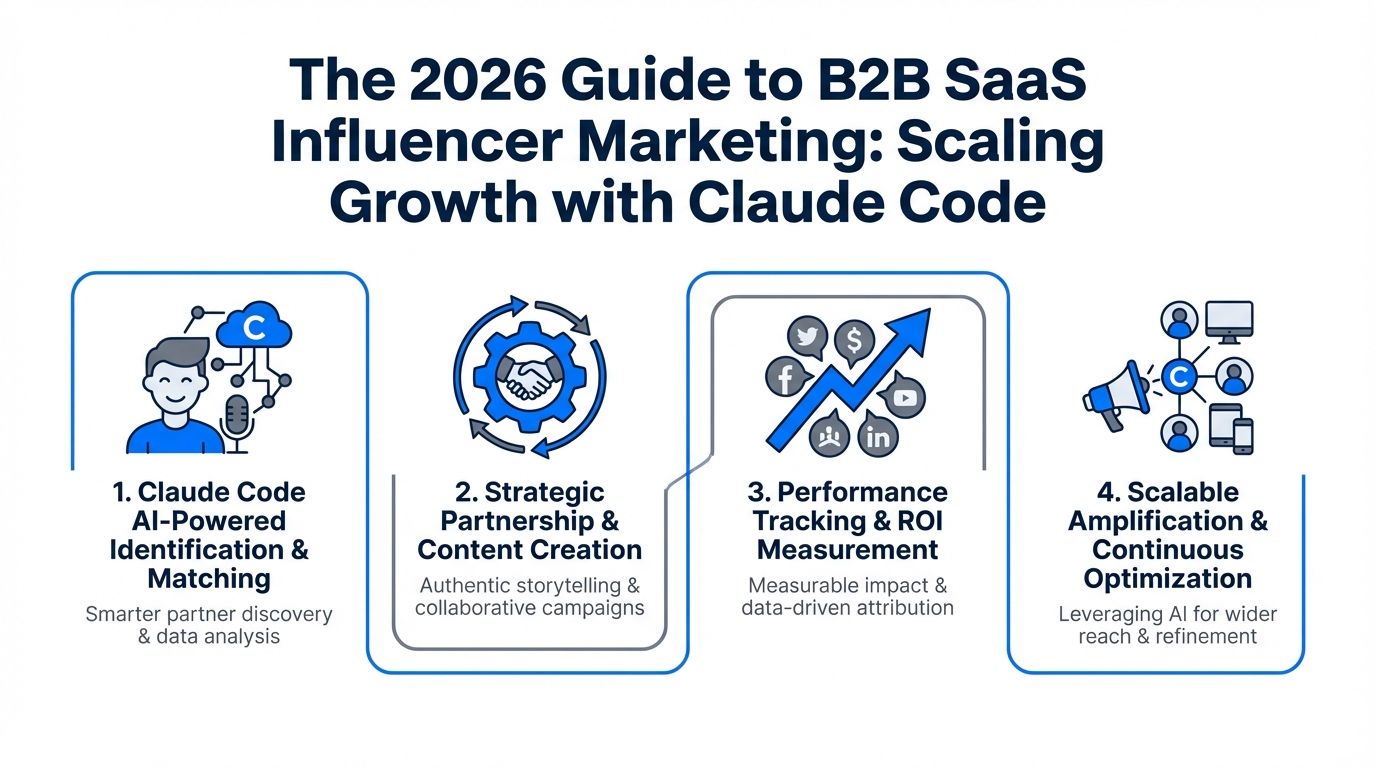
In the rapidly shifting landscape of B2B SaaS, the traditional marketing playbook is being rewritten. We have officially entered the era of "Action AI," where the focus has moved from simple chat interfaces to autonomous workflows that drive real-world results. As we look toward 2026, B2B SaaS influencer marketing is no longer a peripheral experiment—it has become a core commercial engine for growth-stage companies. The days of chasing vanity metrics are over; today’s high-growth brands are leveraging tools like Claude Code to turn technical data into creative influence, while prioritizing Customer Acquisition Cost (CAC) and Average Order Value (AOV) over simple likes and shares.
The Performance-Driven Shift in B2B Influence
By 2026, the global influencer marketing platform market is projected to reach a staggering $34.1 billion, according to Grand View Research. This growth is driven by a fundamental change in how B2B buyers interact with brands. Research from TopRank Marketing reveals that 85% of B2B marketers now utilize influencer programs, a massive leap from just 34% at the start of the decade. Why the sudden surge? It comes down to trust. 75% of B2B buyers explicitly state they trust industry experts and niche creators more than brand-led cold outreach, as noted by Forbes.
This shift has forced a transition in how we measure success. In 2026, sophisticated marketing teams are moving away from top-of-funnel awareness and toward B2B growth strategy frameworks that prioritize bottom-line impact. According to reports from legacy platforms like Impact.com, 74% of brands plan to shift more budget into creator programs specifically to optimize performance metrics like CAC and AOV. The goal is no longer just to be "seen," but to be integrated into the workflows of the practitioners who actually use the software.
"B2B influence now looks less like creator sponsorship and more like modern PR. Credibility matters more than scale." — Michael Brito, Britopian
Action AI and Claude Code: The New Marketing Stack
The defining influencer marketing trend of 2026 is the transition from Chat AI to Action AI. While 2024 was the year of using LLMs to write blog posts, 2026 is the year of Claude Code—a command-line tool that allows marketers to run agentic workflows directly on their local files and marketing stacks. This isn't just about automation; it's about bridging the gap between technical data and creative strategy.
With the introduction of the Model Context Protocol (MCP), Claude can now connect directly to your CRM, project management tools like Linear, and communication hubs like Slack. This allows for a "One-Person Influencer Department" where a single growth lead can manage dozens of high-touch relationships. As David Teicher from Qru Media Ventures suggests, CMOs who automate the data side with AI will finally have the bandwidth to focus on human-centric culture and connections.
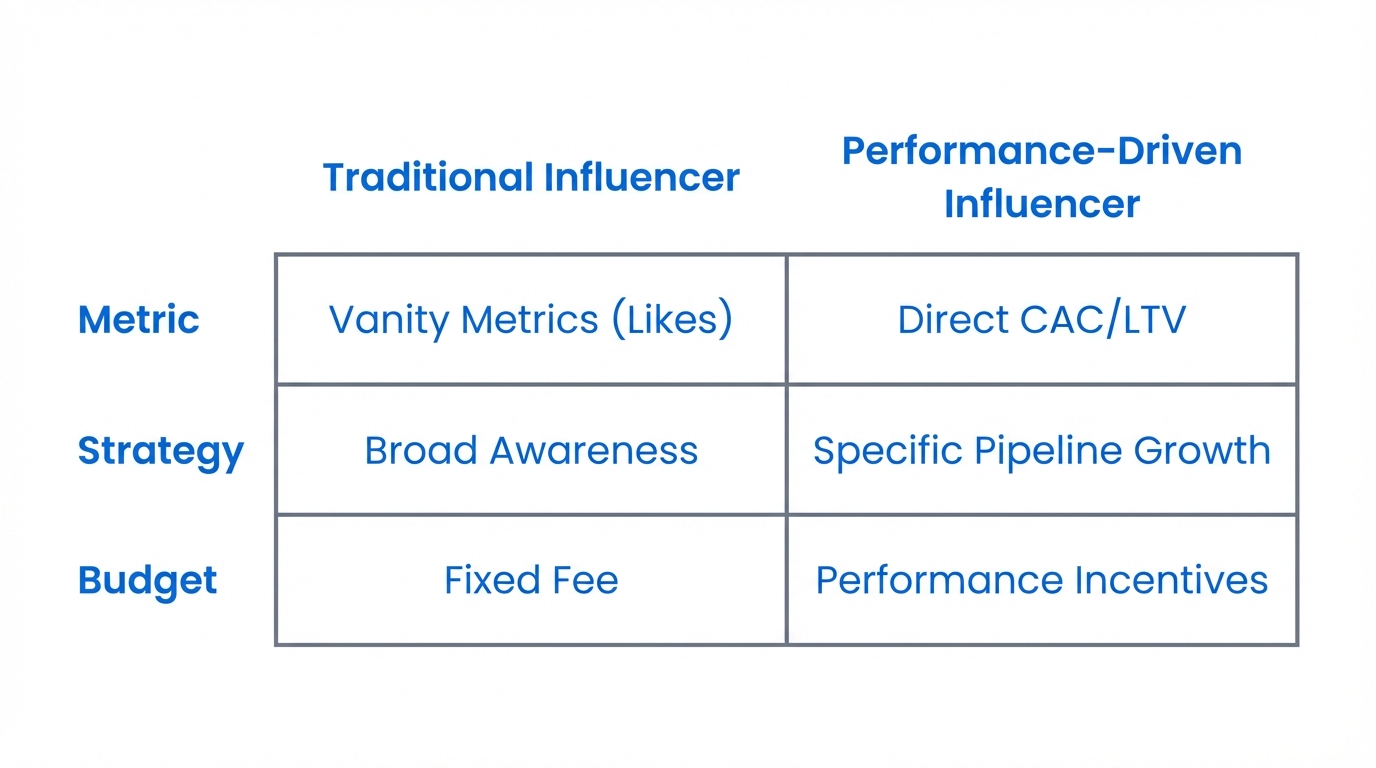
| Metric Phase | Old Strategy (2020-2023) | Modern Strategy (2026+) |
|---|---|---|
| Discovery | Manual spreadsheet tracking | AI-agent discovery with Claude Code |
| Content | High-production webinars | Lo-fi raw screencasts |
| Duration | One-off "shoutouts" | 6-12 month ambassador models |
| ROI Focus | Impressions & Likes | CAC & LTV Analysis |
The Lo-Fi Revolution and Informal Content
The aesthetic of B2B marketing has undergone a radical transformation. The polished, corporate webinar is largely being replaced by "lo-fi" content—think raw home-office tutorials, unedited LinkedIn threads, and informal screencasts. This shift toward authenticity over production value is proving to be far more effective for B2B SaaS. Practitioners want to see how the tool works in a real environment, not in a sanitized demo.
We are seeing this play out in long-term ambassador models. Brands are no longer looking for a quick mention; they are seeking 6–12 month partnerships where the SaaS tool is natively integrated into the creator's daily workflow. This "always-on" approach, as noted by analysts at TopRank Marketing, is rated as effective by 99% of marketers who use it. Influence works best when it is embedded in a creator's habitual tech stack rather than being an episodic advertisement.
"CMOs who automate the data side with AI tools like Claude Code will free themselves to focus on the human side—culture and connections."
Playbook: Automating Influencer Marketing with Claude Code
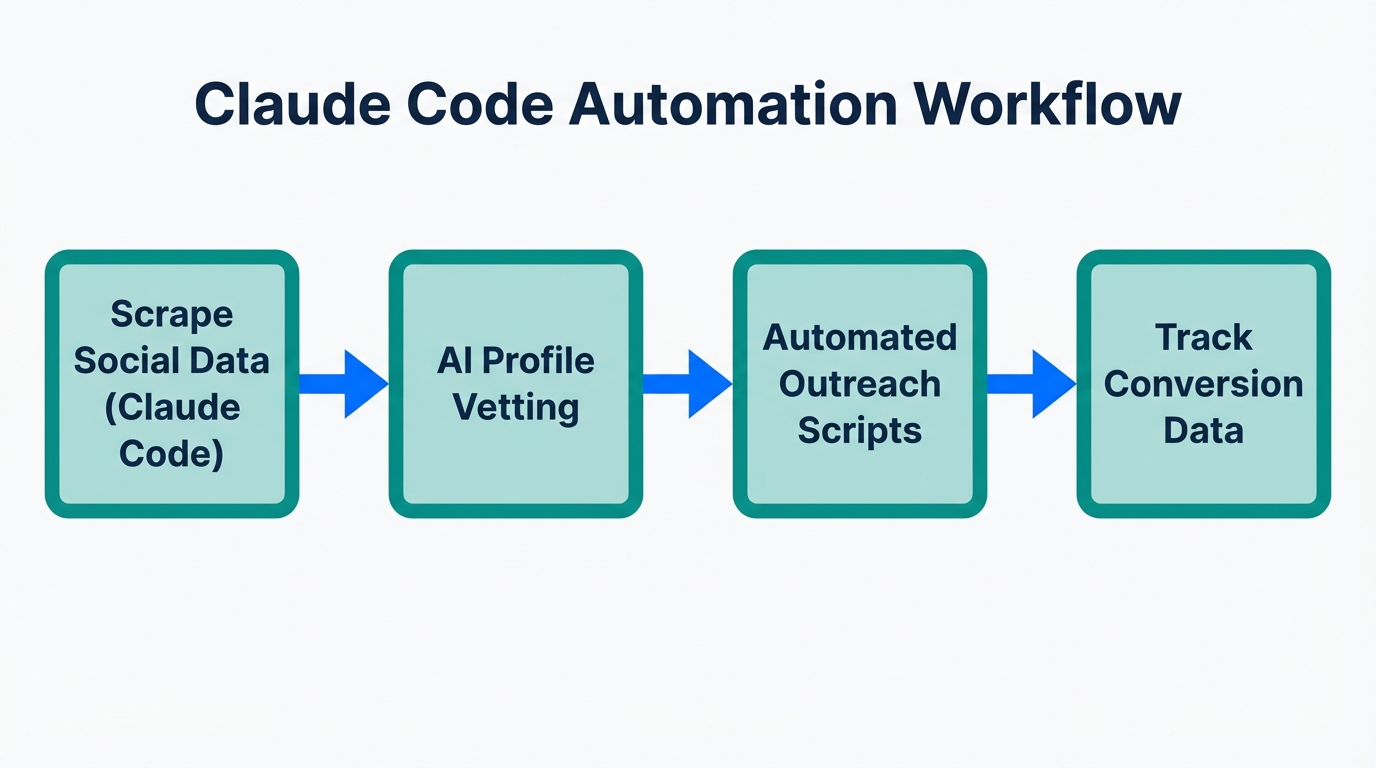
To scale a modern B2B marketing automation program, you need a workflow that handles the heavy lifting of discovery and outreach without losing the human touch. Here is the 2026 playbook for a technical growth engine.
Step 1: Discovery via Parallel Agents
Instead of manual searching, use Claude Code to run parallel sub-agents that scan platforms like LinkedIn or YouTube via Apify scrapers. For finding specific talent, AI-powered search engines like Stormy AI allow you to use natural language prompts to surface the exact technical profiles you need across multiple platforms instantly.
Step 2: Vetting in Plan Mode
Use Claude's Plan Mode to cross-reference potential influencers against your Ideal Customer Profile (ICP) documentation. By forcing the AI to verify alignment before execution, you reduce hallucinations and ensure that a creator with 5,000 CTO followers is prioritized over a general tech influencer with 1 million fans. Quality of audience is the primary driver of B2B SaaS influencer marketing success.
Step 3: Hyper-Personalized Outreach
Connect your AI engine to your CRM or leverage the built-in creator CRM in Stormy AI. Instead of using generic templates, have Claude analyze an influencer’s last five technical posts to write an outreach email that references specific architectural points or product critiques. Platforms like Stormy AI can automate this hyper-personalization, handling daily outreach and follow-ups while you sleep.
/compact command frequently to maintain focus.Step 4: Co-Creation and Technical Drafting
Store your software’s technical documentation in a local folder and use Claude to draft guest posts or video scripts for your ambassadors. This ensures the content is technically accurate (sourced from your docs) but written in the influencer's unique voice. Technical accuracy plus creator authenticity is the winning formula for SaaS growth.
Real-World Examples of B2B Influence at Scale
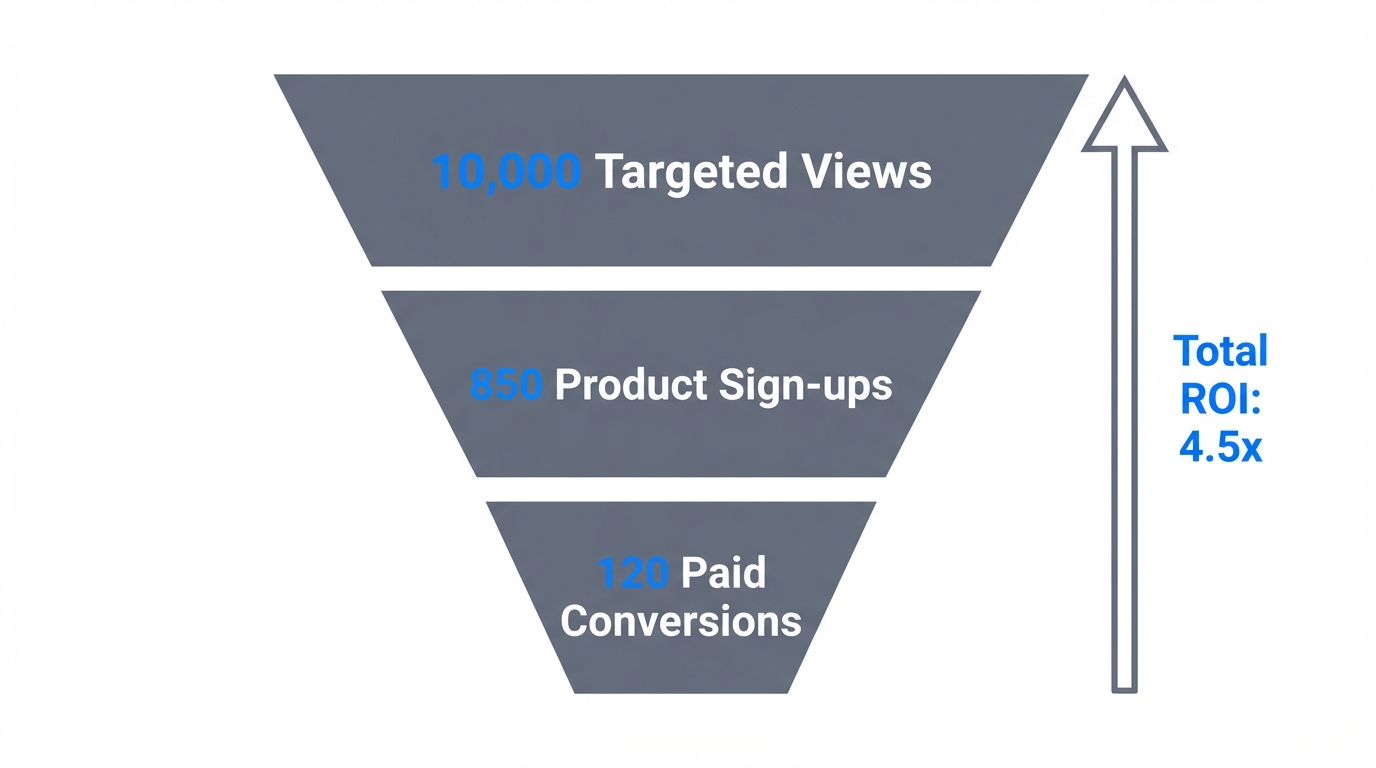
Several enterprise leaders have already paved the way for this strategy. Adobe (Adobe.com) famously enlisted "Analytics Champions"—niche experts who were already power users—to co-author gated research. This collaboration resulted in 150% more lead captures than their brand-only content ever achieved.
Similarly, SAP (SAP.com) launched their "Tech Unknown" podcast hosted by an industry influencer, which saw a 66% increase in downloads by leveraging the host's existing niche network rather than relying on corporate promotion. Even internal teams are seeing gains; TELUS (Telus.com) used Claude internally to ship marketing code 30% faster, effectively saving their team thousands of hours of manual labor.
"Influence works best when it is embedded, not episodic. The 'always-on' approach is the only way to win in a crowded B2B market."
Common Mistakes to Avoid
- Chasing Follower Counts: In the SaaS world, a micro-influencer with a dedicated following of 5,000 CTOs is 10x more valuable than a general tech creator. Precision beats reach every time.
- The "Magic Prompt" Fallacy: Don't expect one long prompt to handle a campaign. Break tasks into micro-tasks: Research → Plan → Execute → Audit.
- Over-Scripting Creators: Providing ready-made scripts kills the "lo-fi" authenticity that buyers crave. Provide core pillars and let the creator find the narrative.
- Ignoring Attribution: Always use unique tracking links from UTM.io. If you can't prove ROI to stakeholders, your budget won't survive the next quarter.
Conclusion: The Future of B2B Growth
As we navigate 2026, the intersection of B2B marketing automation and creator influence will separate the market leaders from the laggards. By adopting "Action AI" workflows with Claude Code and prioritizing long-term, authentic relationships over one-off transactions, B2B SaaS brands can achieve a level of scale and trust that was previously impossible. The roadmap to success is clear: automate the technical complexity so you can double down on the human connection. Start by refining your B2B growth strategy to include deep tool integration with your creators, and use AI to ensure every interaction is data-backed and hyper-personalized.