In the rapidly evolving digital landscape of 2025, the traditional volume-based approach to media is dying. While many creators still chase vanity metrics and massive subscriber counts, a more lucrative and sustainable path has emerged: the high-value micro-audience. For professionals and entrepreneurs, starting a niche business newsletter isn't just a content project; it is a "cheat code" for building a multi-million dollar ecosystem. By focusing on b2b email marketing strategies that target decision-makers rather than the general public, you can command premium rates that far outstrip general consumer publications. This guide provides the actionable blueprint for identifying, capturing, and monetizing the world's most valuable subscribers: the C-suite.
The ICP Framework: Why 2,000 CEOs Are More Valuable Than 100,000 General Subscribers

The foundation of a successful B2B newsletter is the Ideal Customer Profile (ICP). In the world of high-stakes business, quality is the only metric that matters. A list of 2,000 CEOs at Fortune 500 oil and gas companies is infinitely more valuable to a sponsor than 100,000 general interest subscribers. This is because decision-makers control massive budgets and represent a high target high net worth individuals density. When you speak directly to these individuals, you aren't just selling impressions; you are selling access to the people who sign off on six and seven-figure contracts.
To build this framework, you must first pick a niche and focus on one specific industry. For example, instead of a "business news" letter, consider a publication specifically for Chief Sustainability Officers in the manufacturing sector or Heads of Remote Operations for global tech firms. This specificity allows you to charge a premium because your audience is otherwise difficult to reach through traditional Meta Ads Manager campaigns that often cast too wide a net. In B2B, being "the" source for a tiny, powerful group is the ultimate competitive moat.
Curating the 'Info Diet' for Executives: Content That Saves Time
High-level executives are not looking for more information; they are looking for less information, better curated. They are overwhelmed by noise and starved for signal. To win their attention, your newsletter must serve as their outsourced "info diet." This means moving beyond generic commentary and into deep analysis of the data they actually need to do their jobs. According to industry experts like Matt McGarry, who has helped clients acquire over 15 million subscribers, the most effective B2B content typically follows a predictable, high-value format.
Step 1: Analyze High-Stakes Reports
Your content should focus on summarizing earnings reports, important press releases, and product launches. If an executive at an oil and gas company needs to know how their competitors are shifting their capital expenditure, provide a 5-minute summary that highlights the key takeaways from the latest quarterly filings on Yahoo Finance. This saves them hours of reading through dense SEC documents.
Step 2: Track Executive Moves
B2B markets move on relationships. Tracking executives being hired or fired within a specific niche provides your readers with actionable intelligence for their own networking and competitive strategy. By providing a curated list of these moves, your newsletter becomes an essential weekly read for anyone serious about staying ahead in the industry.
Step 3: The 'Actionable Tutorial' Model
Even C-suite leaders need to understand how new technology affects their bottom line. Providing actionable AI tips and tactics—such as how a legal firm can use specific LLM prompts to speed up contract review—turns your newsletter from a luxury into a utility. Readers will pay for, and stay subscribed to, anything that helps them save time and money. Publications like The Profile have successfully utilized these focused summaries to build massive credibility among elite readers.
Data Enrichment: Transforming Emails into Marketing Intelligence
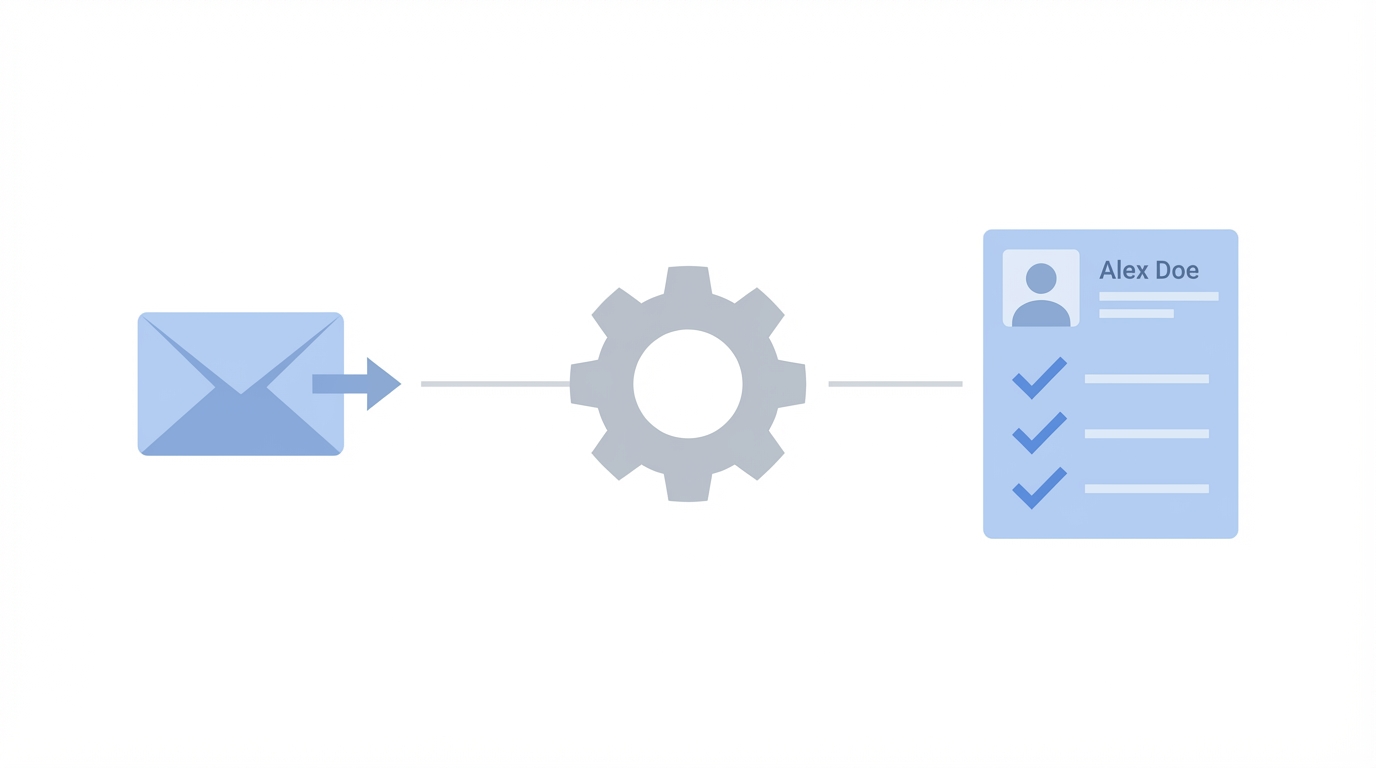
A plain email address is a lead; a job title, company size, and location is a business asset. To maximize your sponsorship sales strategy, you must move beyond simple sign-ups and focus on data enrichment. High-value sponsors, such as enterprise software companies or specialized law firms, want to know exactly who they are reaching before they commit to high-priced placements.
Utilizing tools like Beehiiv, you can implement survey forms immediately after a subscriber joins. Ask for their job title, industry, and annual budget responsibility. While this might slightly lower your total sign-up conversion rate, it exponentially increases the value of every subscriber you do acquire. If you can prove to a potential sponsor that 60% of your audience is composed of VPs or higher in a specific sector, you can command 5x to 10x the standard industry CPM (cost per thousand impressions).
This data enrichment also allows for targeted sponsored email blasts. Instead of sending a generic ad to your whole list, you can offer sponsors the ability to reach only the CEOs in your database. This hyper-targeting leads to higher click-through rates (CTR) and better ROI for the advertiser, allowing you to maintain high prices even with a smaller total list size.

The Growth Playbook: How to Reach High-Net-Worth Individuals

Acquiring a B2B audience is different from growing a consumer list. You cannot rely solely on viral memes; you need a strategic mix of organic authority and precision-targeted paid acquisition. To effectively target high net worth individuals, you must go where they spend their professional time.
- LinkedIn and X (Twitter): These are the primary social channels for B2B. Use "Pre-CTAs" (teasing high-value data coming in the next issue) and "Post-CTAs" (summarizing the value of the last issue) to drive traffic. High-authority founders like Justin Welsh have pioneered this model, turning social impressions into newsletter subscribers with clinical efficiency.
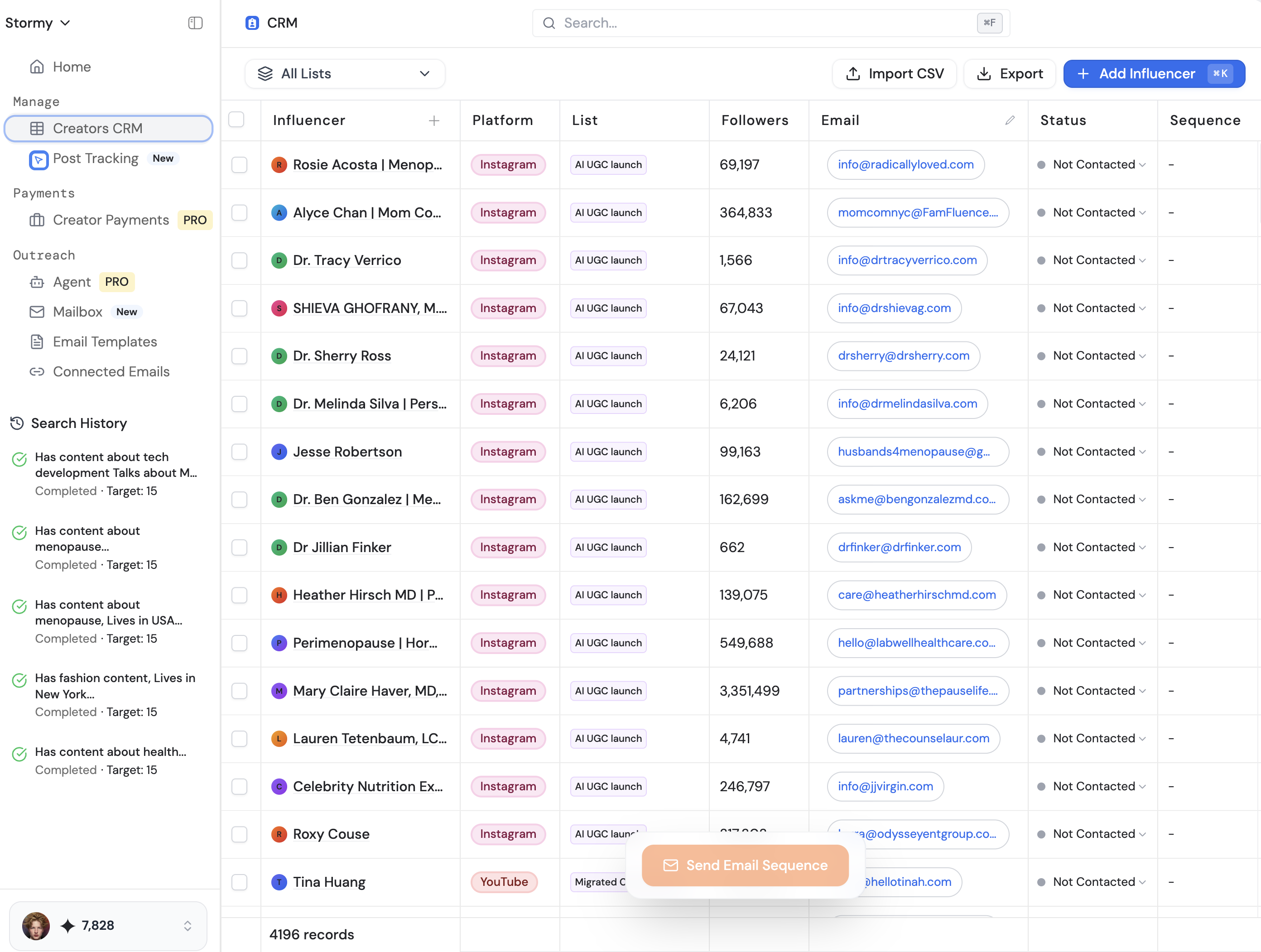
- B2B Influencer Partnerships: Collaborating with other creators who already have the ear of your ICP is the fastest way to grow. AI-powered tools like Stormy AI are invaluable here, allowing you to discover micro-influencers and specialized creators in niches like "Supply Chain Tech" or "FinTech for CFOs" and manage those outreach relationships within a dedicated Creator CRM.
- Paid Acquisition: While Facebook ads can work for broad business audiences, B2B newsletters often find success with Google Ads targeting specific high-intent search terms. Additionally, advertising within other established B2B newsletters through cross-promotions is a proven way to acquire "qualified" readers who are already habituated to reading email content.
If your organic growth feels stagnant, focusing on SEO-driven content can provide a steady stream of lead generation newsletter sign-ups. Working with specialized agencies like Boring Marketing can help you outrank competitors for the niche technical terms that your ICP is searching for on Google, ensuring you capture their attention at the moment of highest intent.
Sponsorship Sales Strategy: Beyond the CPM Model

In the world of the niche business newsletter, traditional CPMs are a trap. If you have 5,000 subscribers and charge a $30 CPM, you're only making $150 per ad—this is a recipe for burnout. Instead, B2B newsletters should focus on premium flat fees based on the high-intent nature of the audience and the potential lifetime value (LTV) of a single customer for the sponsor.
A better model is the "Run-Until-Click" or "Flat Fee for Quality" approach. For example, you might charge a local law firm or a specialized SaaS company $2,500 for a sponsorship package that runs until they receive 500 high-quality clicks. This guarantees the sponsor a result and allows you to keep the ad in front of your audience across multiple issues. High-LTV businesses like wealth managers, insurance brokers, and executive recruiters are often willing to pay these premiums because a single successful lead from your newsletter could be worth $50,000 or more to their business.
Beyond traditional ads, look for secondary monetization channels that leverage your data:
- Premium Subscriptions: Put your most detailed analysis or your private database of "executive moves" behind a paywall. Charging $500 to $1,000 a year for a premium tier is standard for high-value B2B niches.
- Exclusive Events: Once you have 5,000 targeted subscribers, you can host local in-person seminars or VIP dinners. Selling seats for $1,000 each to a room full of industry peers is a high-margin way to monetize the trust you've built.
- Service or Software Layers: Many newsletter owners eventually launch a lead generation agency or a specialized recruiting firm like Somewhere.com, which helps companies find overseas talent. Your newsletter serves as the top-of-funnel marketing for these higher-ticket services.
Case Study: Building for the Fortune 500 Oil and Gas Niche
To see this blueprint in action, consider a hypothetical newsletter targeted at executives in the oil and gas industry. This is a sector with massive capital expenditures and a desperate need for clear regulatory and technological summaries. By following the b2b email marketing principles outlined above, a solo operator could build a substantial business by simply doing the following:
First, they would subscribe to every major industry trade journal and set alerts for every Fortune 500 energy company. Each week, they would distill the top 3 regulatory shifts and the top 2 executive appointments into a 100-word summary each. Using OnlineJobs.ph, they could hire a virtual assistant to handle the initial data scraping of industry news, allowing the creator to focus on the high-level analysis.
Within six months, with just 3,000 subscribers—verified via Beehiiv surveys as being in director-level roles or higher—the creator could approach specialized environmental consulting firms or oil-field service companies for sponsorships. At a flat fee of $3,000 per month, plus a premium "data dashboard" subscription for $49/month, a 3,000-person list could easily generate $15,000 to $20,000 in monthly recurring revenue with minimal overhead. This is the power of the B2B micro-audience: you don't need a million fans; you just need the right thousand people.
Conclusion: Building Your Moat in 2025
The B2B Newsletter Blueprint is not about being a famous writer; it is about being a trusted filter for the world's most busy people. By defining a tight ICP, curating a high-value info diet, and aggressively enriching your subscriber data, you build a business that is resistant to platform changes and AI automation. Whether you are using a platform like Stormy AI to discover and manage creator relationships or leveraging SEO to drive high-intent leads, the goal is the same: to own the attention of a specific, high-value market. Start small, focus on the C-suite, and remember that in B2B, the smallest lists often have the biggest bank accounts. Now is the time to build your moat, one high-value email at a time.