B2B Influencer Strategy for 2026: Using Favikon to Win the LinkedIn Creator Economy
Discover the 2026 B2B influencer marketing strategy. Learn to use Favikon authority scores and LinkedIn creators to drive SaaS leads and high-intent growth.
By the time we reached the mid-point of 2026, the marketing landscape underwent a seismic shift. The era of "experimental" B2B social spend is officially over. As the influencer marketing industry balloons to a projected $30+ billion market value in 2026, B2B brands are no longer just watching from the sidelines. They are aggressively reallocating budgets from traditional LinkedIn sponsored posts to human-led B2B creator programs. This isn't just a trend; it's a fundamental move toward authenticity-driven lead generation that mimics how people actually buy software in 2026.
The Death of the Corporate Ad: Why B2B is Shifting to Creators
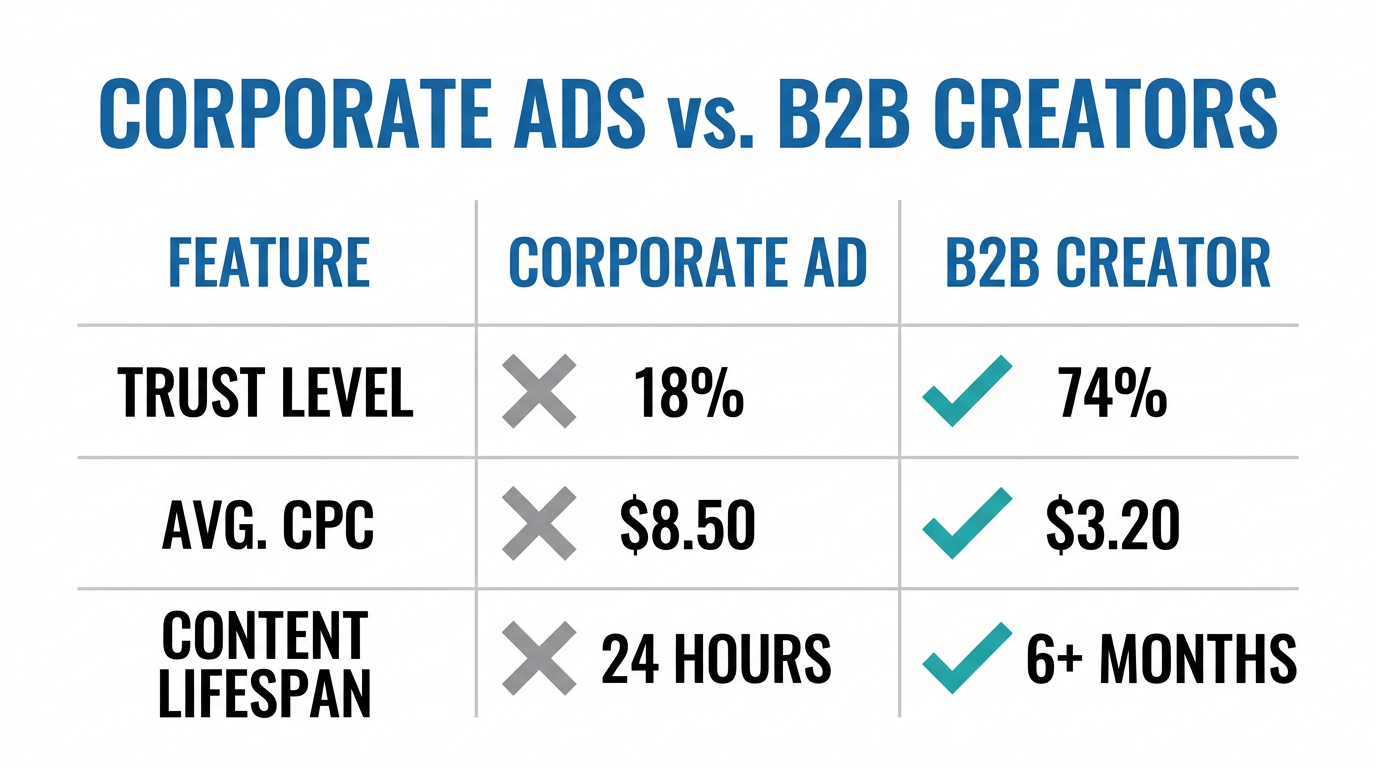
In 2026, the standard LinkedIn sponsored update has reached a point of diminishing returns. Decision-makers have developed a sophisticated "ad blindness" to corporate logos. Instead, they are turning to industry peers and recognized experts to inform their tech stack decisions. Research shows that 87% of brands plan to increase their influencer marketing budgets this year, with a significant portion of that growth coming from the SaaS and enterprise sectors (Influencer Marketing Hub).
The primary driver? Cost Efficiency. While CPMs on LinkedIn's native ad platform continue to climb, B2B creators offer a more direct, trusted line to niche audiences. In fact, 74% of brands are now measuring their creator programs specifically by CAC (Customer Acquisition Cost) and ROAS rather than superficial metrics like impressions (Impact.com). This performance-first mindset has turned LinkedIn from a resume board into a high-velocity social selling engine supported by modern CRM technology.
"The 2026 B2B buyer doesn't want to be sold to by a brand; they want to be educated by a person they already respect."
Favikon Authority Scoring: Finding Experts Over Icons
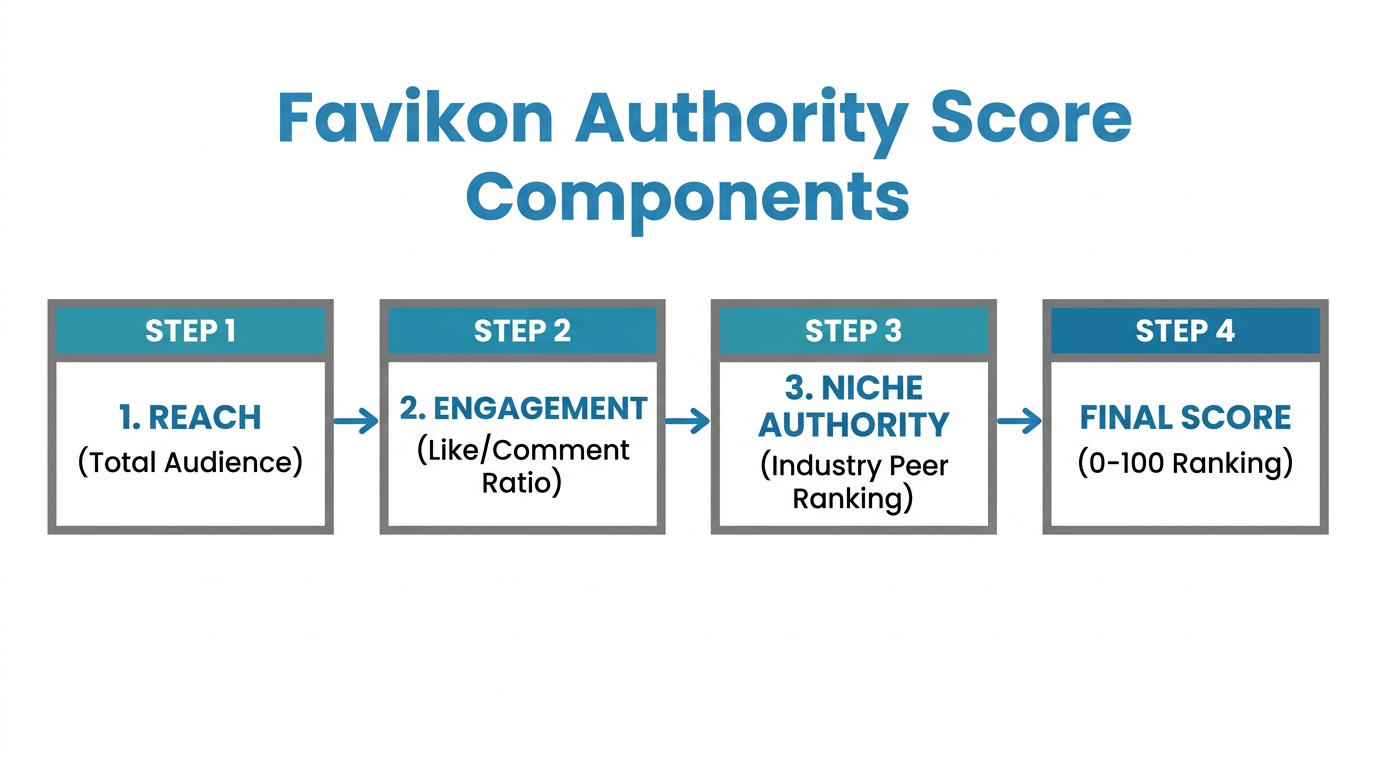
One of the biggest mistakes B2B marketers made in previous years was chasing vanity metrics. In 2026, follower count is largely irrelevant for SaaS growth. Enter Favikon, the platform that has revolutionized LinkedIn creator marketing through its proprietary Authority Scoring. Unlike generic platforms that treat a fashion influencer and a CTO the same, Favikon's algorithm focuses on niche authority.
Authority scoring evaluates creators based on their ability to move the needle within a specific industry. For a SaaS brand selling AI-driven supply chain solutions, a creator with 5,000 highly engaged procurement officers is 10x more valuable than a general tech influencer with 500,000 followers. This "Micro-Influencer Pivot" is backed by data: nano and micro-influencers now account for over 50% of campaign volume because they deliver 2x higher engagement rates (Influencer Marketing Hub).
| Metric Type | Legacy B2B Focus (2024) | Modern B2B Focus (2026) |
|---|---|---|
| Primary Metric | Follower Count | Authority Score / Niche Depth |
| Platform Bias | Multi-channel blast | LinkedIn / Newsletter Synergy |
| Content Style | Polished / Scripted | Raw / Thought Leadership |
| KPI | Brand Impressions | Pipeline Contribution (SQLs) |
The Playbook: Turning Your Customer Database into a Creator Engine
The most underutilized asset in 2026 isn't a new AI tool—it's your own customer list. Instead of searching for external creators, top B2B brands are using specialized discovery tools to scan their own databases. The goal? Identify the "influential customer." By cross-referencing your user base with social data in tools like Pipedrive or Monday, you can find the CTOs and Directors who are already using your product and have significant social capital on LinkedIn.
This strategy transforms users into brand ambassadors. According to experts at Impact.com, these organic advocates often yield a higher ROAS because their endorsement is rooted in actual product experience. This inbound creator strategy is now a staple for high-growth SaaS companies that want to build long-term community hubs rather than one-off campaigns.
Designing B2B Partnership Contracts for 2026
B2B influencer contracts have evolved significantly. The days of paying $500 for a single post are gone. In 2026, Hybrid Compensation is mandatory. This model typically includes a base fee for content creation plus a 10-15% performance bonus tied to lead generation or sales outcomes. This aligns the creator's incentives with the brand’s bottom line, ensuring they aren't just "posting and ghosting" [Source: Harvard Business Review].
Critical elements for a 2026 B2B contract include:
- Thought Leadership Clauses: Ensuring the creator has the creative freedom to provide genuine insight rather than reading a corporate script.
- Content Whitelisting Rights: Allowing the brand to run paid ads through the creator’s handle—a strategy that can increase ROAS by up to 5x compared to standard brand ads (Social Media Examiner).
- Usage Rights for Sales Collateral: Using creator videos in outbound sales sequences to build instant trust with prospects.
"Creative over-control is the fastest way to kill a B2B campaign. In 2026, authenticity is the primary driver of trust; audiences can spot a script from a mile away."
Measuring B2B Creator Impact: Beyond the Click
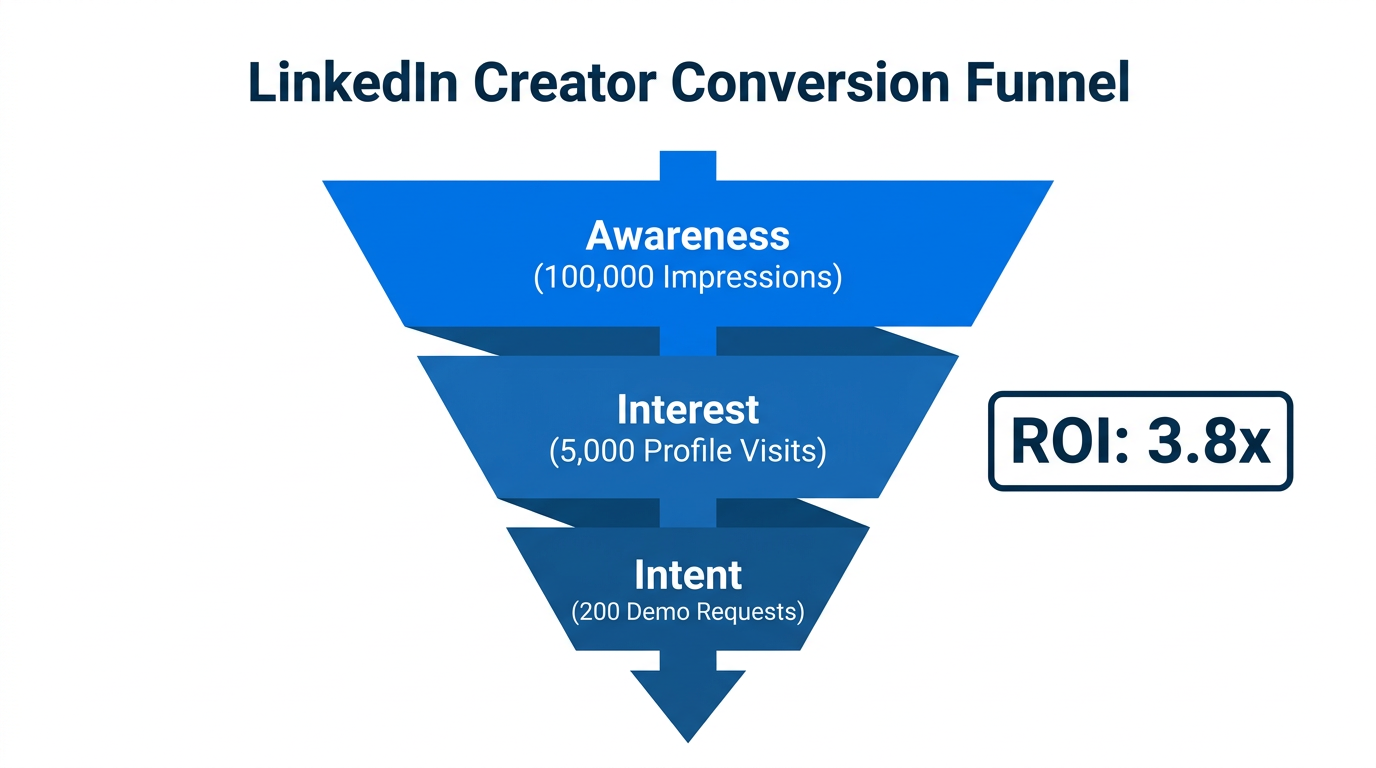
Attribution in B2B is notoriously difficult due to long sales cycles. However, in 2026, AI-powered analytics allow marketers to track the "Halo Effect" of creator partnerships. Successful brands no longer just look at direct clicks; they track mid-funnel metrics like "Saves," "Shares," and brand search volume through Google Analytics. By 2026, 59% of marketers will use AI for Predictive Performance Forecasting to estimate a creator's impact before a contract is even signed.
For example, electronics brand Insta360 utilized advanced tracking to manage over 4,000 partnerships, generating hundreds of millions of views. In the B2B space, this translates to tracking how many Target Accounts engaged with a creator's post and subsequently visited your pricing page.
Scaling Your B2B Influence with Stormy AI
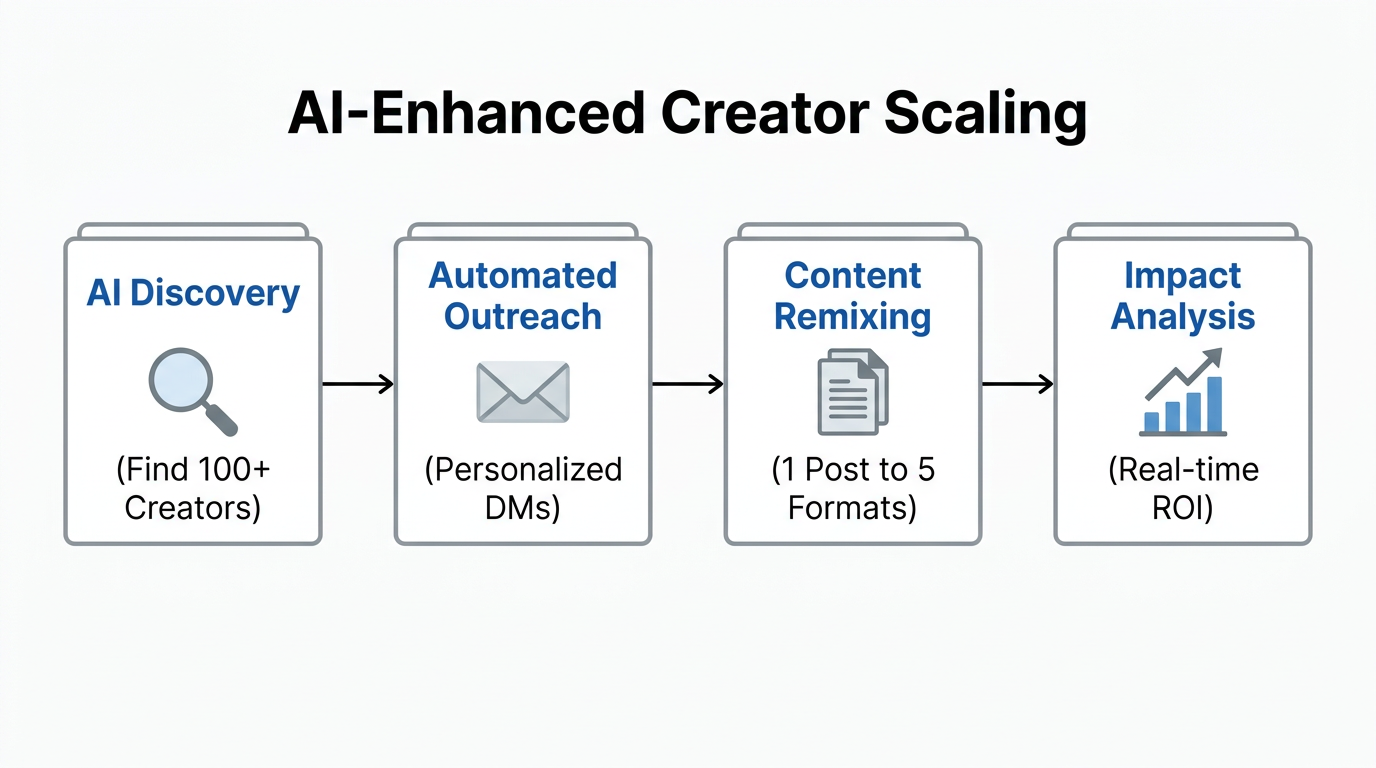
Managing a handful of LinkedIn creators is manageable manually, but scaling to 50+ partners requires a modern tech stack. While niche tools like Favikon are excellent for scoring, platforms like Stormy AI offer the autonomous AI agents needed to handle discovery, outreach, and daily follow-ups at scale. In 2026, the brands winning the LinkedIn economy are those that use AI to automate the administrative heavy lifting—like email enrichment and performance tracking—so they can focus on building genuine human relationships with their creators.
By leveraging Stormy AI, B2B marketers can find creators who aren't just "influencers" but true subject matter experts, then use personalized AI-driven outreach to secure partnerships while they sleep. This combination of AI efficiency and human authority is the winning formula for B2B growth in 2026.
Conclusion: The 2026 B2B Blueprint
Winning on LinkedIn in 2026 requires a departure from the "pay-to-play" ad model and an embrace of the Creator Economy. By focusing on Favikon's Authority Scores, identifying influential customers, and prioritizing long-term thought leadership over short-term clicks, SaaS brands can build a sustainable, high-trust pipeline. The goal is no longer to be the loudest brand in the room, but the one most recommended by the people your customers already trust. Stop treating LinkedIn like a billboard and start treating it like a community—your ROAS will thank you.