The era of the 'spray and pray' cold email is dead. For B2B SaaS brands, the battle for attention has moved from the inbox to the specialized feeds of industry experts. As we move into 2025 and 2026, the brands winning the market aren't those with the largest sales teams, but those who have mastered B2B influencer strategy. By leveraging Action AI and tools like Claude Code, marketing departments are transforming into hyper-efficient, automated engines. This isn't just about writing better posts; it's about executing complex workflows with zero manual intervention.
The New Landscape: Why B2B Influence is Non-Negotiable
B2B influencer marketing has transitioned from an experimental side-project to a core commercial engine. According to recent data from TopRank Marketing, a staggering 85% of B2B marketers now utilize influencer programs. This shift is driven by a fundamental change in buyer behavior: 75% of B2B buyers report they trust industry experts and niche creators more than brand-led content or traditional advertisements, as noted by Forbes.
For tech brands, the ROI is equally compelling. Data from Influencer Marketing Hub suggests that B2B tech companies earn an average of $5.20 for every $1 spent on these programs. However, the manual labor involved in discovery, vetting, and personalized outreach often prevents smaller teams from scaling. This is where influencer outreach automation via Claude Code changes the game.
"B2B influence now looks less like creator sponsorship and more like modern PR. Credibility matters more than scale." — Michael Brito, Britopian
From Chat AI to Action AI: The Power of Claude Code
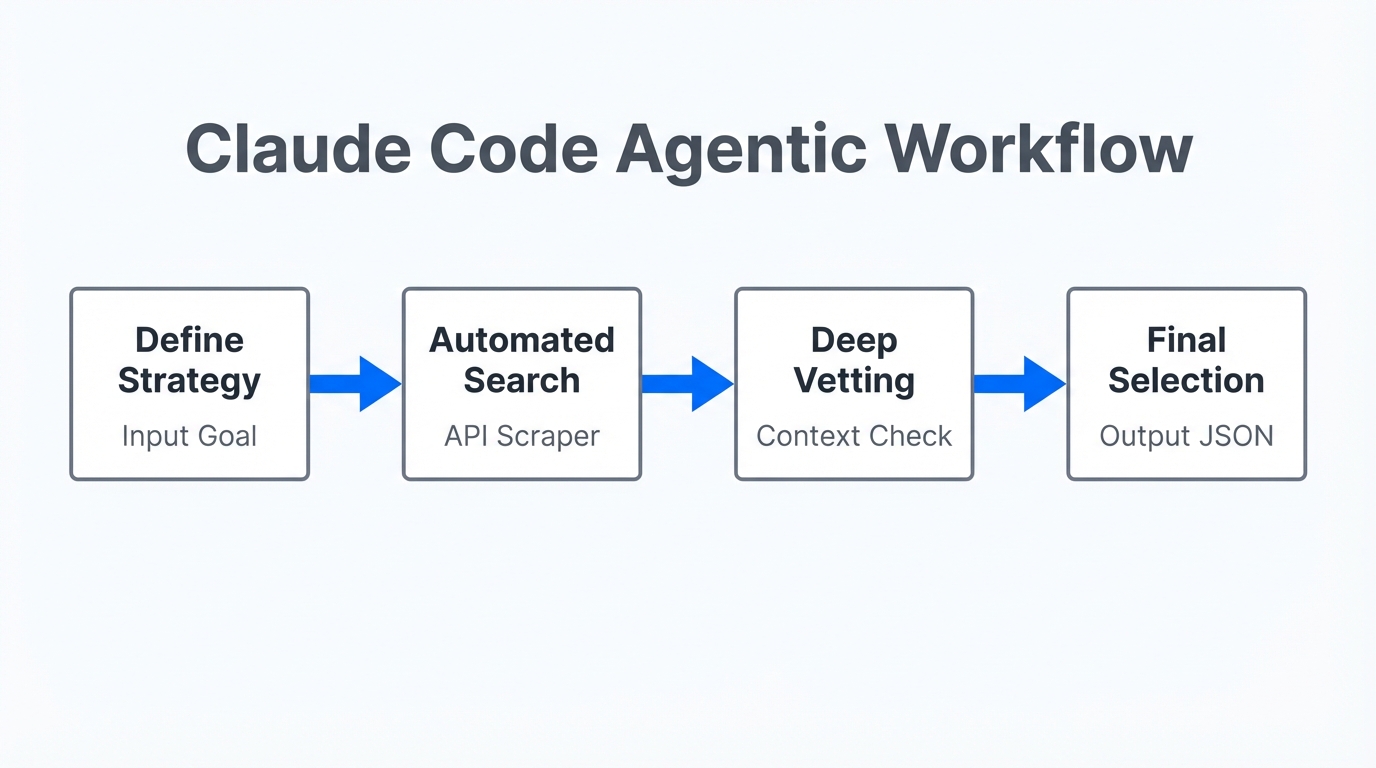
Most marketers are familiar with "Chat AI"—using a window to generate a blog post or an email draft. But 2026 is defined by Action AI. This refers to agents that don't just talk, but perform tasks across your digital stack. Anthropic Claude has introduced a developer-centric CLI tool called Claude Code that allows you to run agentic workflows directly on your local machine and through APIs.
By connecting Claude to the Model Context Protocol (MCP), you can give an AI agent the ability to read your CRM, scan your technical documentation, and even send emails through platforms like HubSpot or Apollo.io. This enables what we call a "one-person influencer department," where a single marketer manages a network of hundreds of creators.
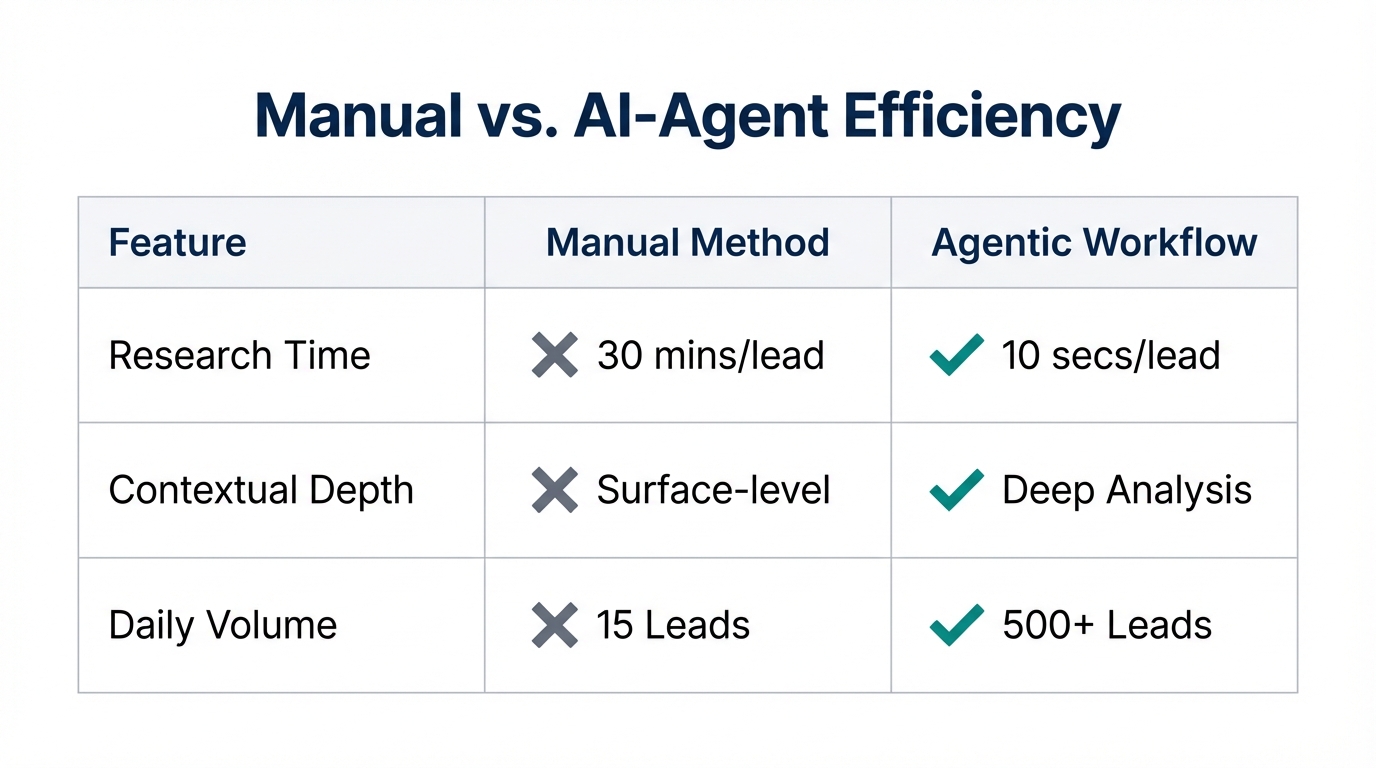
| Feature | Traditional Manual Process | Action AI (Claude Code) Process |
|---|---|---|
| Discovery | Manual search on LinkedIn for hours | Parallel sub-agents scanning niche APIs |
| Vetting | Subjective review of recent posts | Plan Mode verification against ICP.md |
| Outreach | Generic templates with [First Name] | Hyper-personalized technical references |
| CRM Sync | Manual data entry into HubSpot | Automated MCP syncing across stacks |
Step 1: Automated Discovery with Parallel Agents
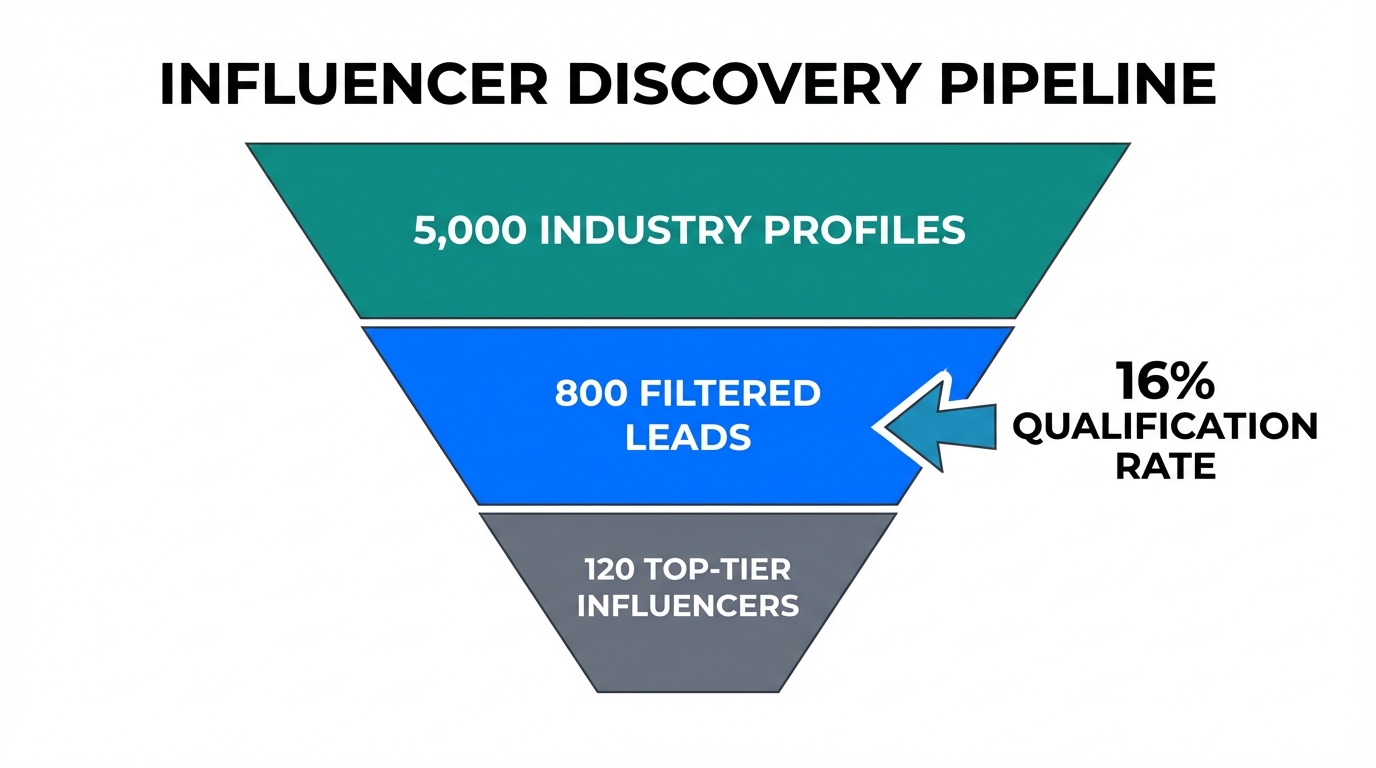
The first step in any B2B lead generation or influencer campaign is finding the right people. Instead of browsing LinkedIn manually, you can use Claude Code to orchestrate sub-agents that interface with scrapers like Apify.
You can execute a command such as /research_influencers "Find 10 B2B DevOps influencers with >5% engagement on LinkedIn." Claude won't just give you a list; it will browse the web, verify engagement rates, and compile a local JSON file with the data. While legacy platforms like impact.com offer discovery tools, they often lack the real-time flexibility of an AI agent that can pivot its search criteria based on live findings.
For teams that prefer a more visual interface without the command line, platforms like Stormy AI can help source and manage UGC creators at scale, providing a bridge between raw AI power and user-friendly campaign management.
Step 2: Vetting via 'Plan Mode' and ICP Documents
One of the biggest mistakes in automated marketing workflows is the "Magic Prompt" fallacy—expecting a single prompt to handle everything. Expert marketers, as noted by Strategic Nerds, use micro-tasks. Claude Code's Plan Mode is critical here. It forces the AI to create a step-by-step logic gate before taking action.
You should store your Ideal Customer Profile (ICP.md) and your brand's unique voice (BrandVoice.md) in your local project folder. Claude Code can then ingest these files and vet every potential influencer against them. If an influencer's content style is too "corporate" for your "lo-fi" brand voice, the agent will automatically flag and remove them from the list. This ensures brand alignment at scale, something previously only possible with a team of human auditors.
"CMOs who automate the data side with AI tools like Claude Code will free themselves to focus on the human side—culture and connections." — David Teicher, Qru Media Ventures
Step 3: Hyper-Personalized Outreach via MCP
Personalization is the difference between a reply and a report for spam. By connecting Claude Code to your marketing stack via Model Context Protocol (MCP), you can generate sequences that are terrifyingly relevant. Instead of saying "I liked your post," Claude can analyze the influencer's last five technical posts and say, "I noticed your point about Kubernetes pod autoscaling in your Tuesday thread—our tool handles that specific edge case by..."
Integrating this with tools like Linear or HubSpot allows you to track these interactions autonomously. If a creator responds, the AI can alert your team in Slack or move the deal stage in your CRM. For high-volume campaigns, using a dedicated creator CRM like Stormy AI ensures that no relationship falls through the cracks, especially when managing dozens of simultaneous 6-12 month ambassador partnerships.
Common Pitfalls to Avoid in AI Workflows
While the potential for automation is massive, there are several traps that can derail your B2B influencer strategy. Successful teams maintain a high standard of quality by following these technical guardrails:
- Avoiding Context Bloat: Feeding Claude too much data at once leads to hallucinations. Experts recommend keeping context usage below 60% capacity. Use the
/compactcommand in Claude Code to keep your sessions lean and focused. - Ignoring Attribution: Automated outreach is useless if you can't track the results. Always ensure your AI agents are instructed to generate unique tracking links through services like UTM.io.
- Over-Scripting: According to Animalz, "lo-fi" content—raw screencasts and home-office tutorials—consistently outperforms over-produced corporate webinars. Give your influencers the core pillars, but let them keep their voice.
- Chasing Follower Counts: A micro-influencer with 5,000 CTOs is significantly more valuable than a general tech influencer with 1,000,000 fans. Focus on relevance over reach.
Real-World Success: From SAP to Adobe
The shift toward technical, influencer-led content is already yielding massive results for enterprise brands. SAP recently saw a 66% increase in downloads for their "Tech Unknown" podcast by leveraging an industry influencer as the host, tapping into an established network of trust. Similarly, Adobe partnered with "Analytics Champions" to co-author research, resulting in 150% more lead captures compared to brand-only whitepapers.
Even internally, the efficiency gains are staggering. TELUS reported using AI internally to ship marketing code 30% faster, saving roughly 500,000 hours of manual labor. This is the future of marketing: the combination of human strategy and agentic execution.
The Path Forward: Building Your AI Influencer Engine
Building a "one-person influencer department" isn't a futuristic dream; it's a technical reality available today through automated marketing workflows. By shifting from manual discovery to agentic influencer outreach automation, you can scale your brand's presence without scaling your headcount.
Start small: write your ICP and Brand Voice documents, set up Claude Code, and run your first parallel discovery agent. As you refine your process, remember that the most successful programs are those that treat influencers as long-term partners rather than temporary ad space. For more information on scaling these programs, you can explore how to discover creators on Stormy and integrate them into your modern marketing stack.
The technology is ready. The question is: are you ready to automate?