In the high-stakes arena of 2026 entrepreneurship, the difference between a legendary exit and a cautionary tale often boils down to a single decision made under pressure. Few stories haunt the collective psyche of the tech world quite like that of Stefan Thomas, the programmer who holds a hard drive containing 7,002 Bitcoin—valued at over $800 million in today’s 2026 market—but has forgotten the password. With only two guesses remaining before the device self-destructs, Thomas has become the ultimate case study in entrepreneurial decision making and the paralyzing nature of the 'locked-out' scenario.
For modern founders, the IronKey dilemma isn't just about a lost password; it's a metaphor for the strategic deadlocks that kill company momentum. Whether it’s a predatory cap table, a restrictive partnership, or an outdated 'handshake deal' that no longer serves the business, many leaders find themselves sitting on a goldmine they cannot unlock. As we navigate the business growth strategy of 2026, understanding how to navigate these traps is more critical than ever.
The IronKey Deadlock: A Case Study in Founder Risk Management
 34:40
34:40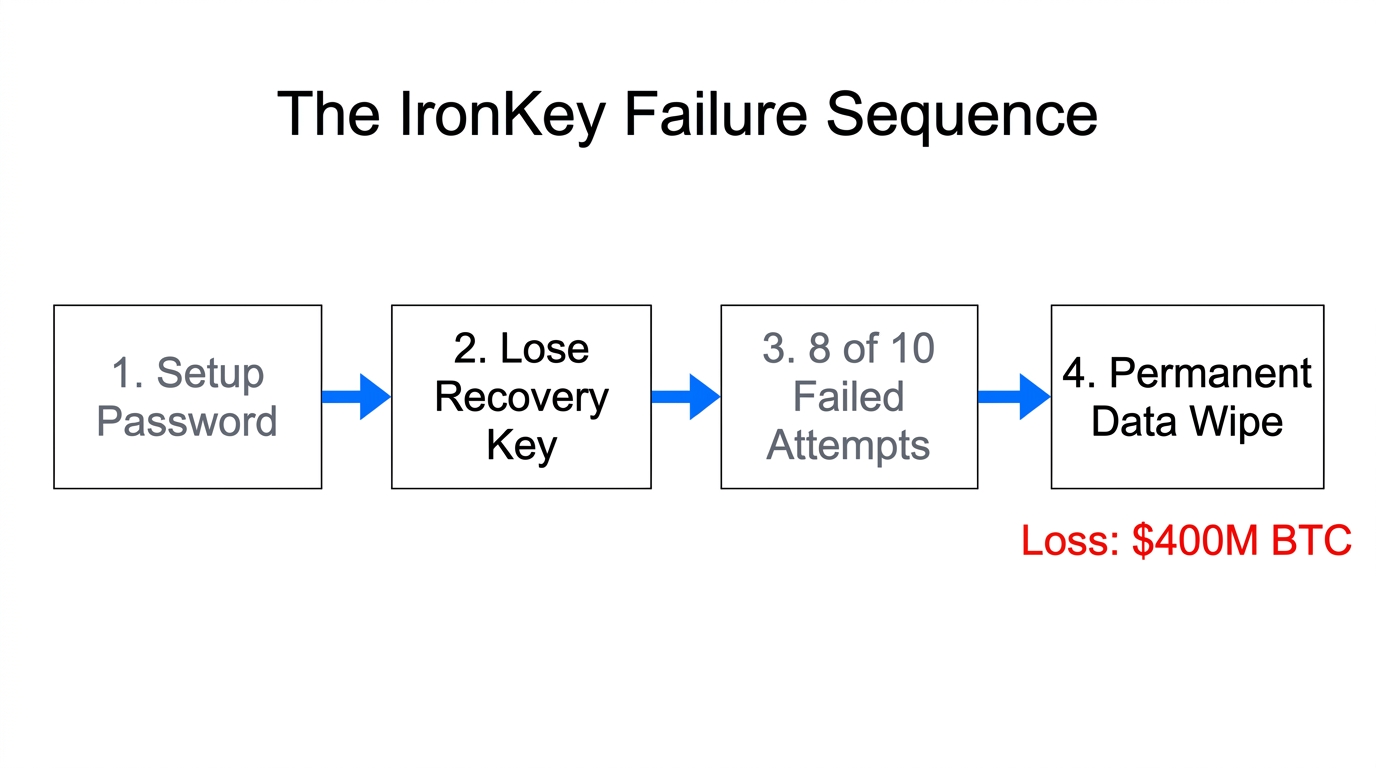
The saga began in 2011 when Thomas was paid thousands of Bitcoin to create an educational video. At the time, the asset was worth less than a used car. He stored the private keys on an IronKey, a hardware wallet designed with a brutal security protocol: ten failed password attempts, and the data is erased forever. Thomas has already failed eight times.
In 2026, the stakes have evolved. It’s no longer just about the lost capital; it’s about the strategic negotiation involving third-party 'treasure hunters' who claim to have cracked the IronKey’s hardware. Reports from firms like Unciphered suggest that cryptographers have figured out how to use lasers and nitric acid to bypass the device's anti-tamper mechanisms, offering Thomas a way out. Yet, Thomas has reportedly hesitated, citing 'handshake deals' made with other recovery groups years prior.
"The IronKey isn't just a hardware wallet; it’s a psychological mirror. It shows us that a founder's greatest asset—their conviction—can become their greatest liability when it turns into stubbornness."
This hesitation highlights a core conflict in founder risk management: the tension between honoring past commitments and making the pragmatic choice to save the future. When a business is facing a 'self-destruct' scenario, waiting for the 'perfect' unlock or the most 'honorable' exit can result in a total loss for all stakeholders.
The Psychology of the Sunk Cost Trap in High-Stakes Business
39:24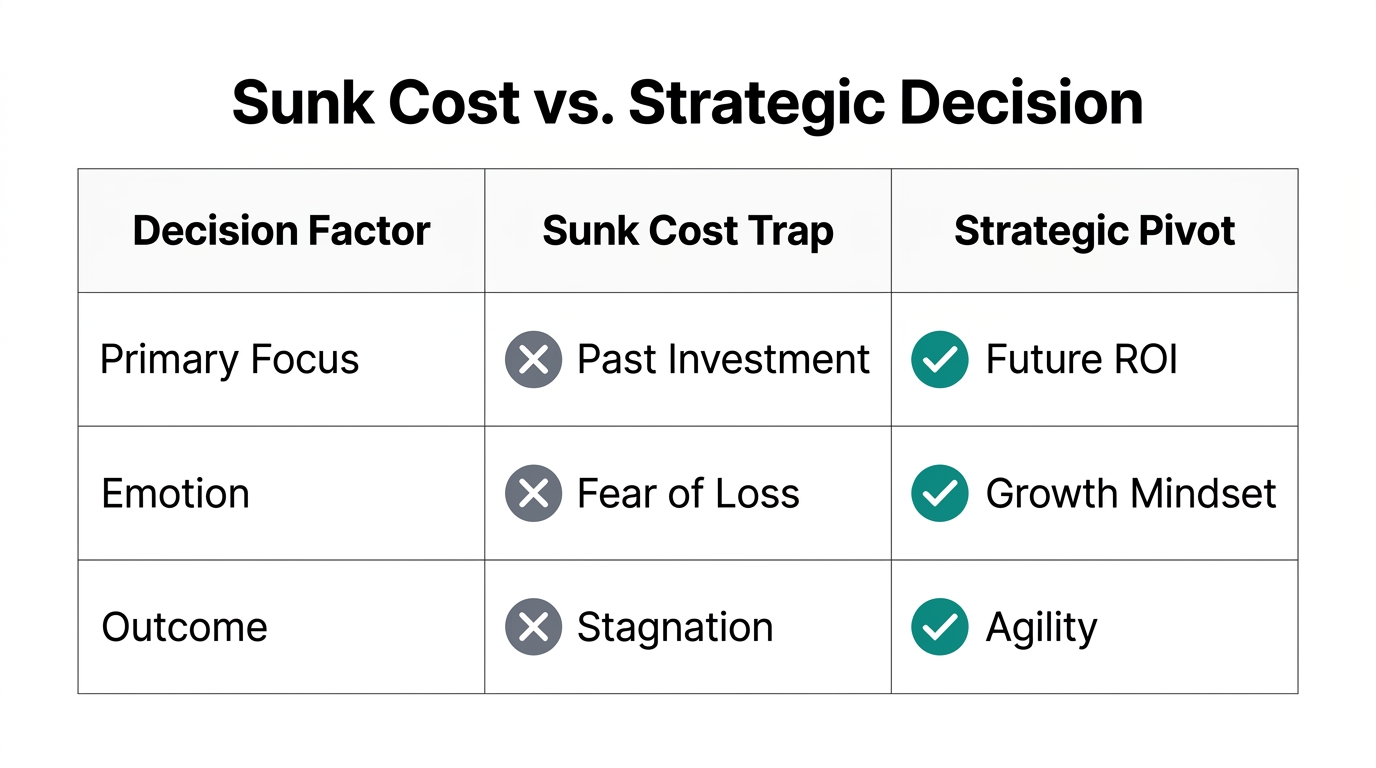
Why would anyone refuse a 100% chance of success in favor of a 0% chance, just to honor a non-binding agreement? The answer lies in the sunk cost fallacy. In entrepreneurship, we often overvalue the time, effort, and 'word' we’ve already invested, even when the data suggests a pivot is the only path to survival.
In 2026, founders are frequently caught in similar traps with legacy vendors or early-stage advisors. You might feel a sense of loyalty to an agency that helped you launch, even if they lack the AI-driven capabilities of modern tools. For example, manual influencer sourcing is a relic of the past; savvy brands now use platforms like Stormy AI to automate discovery and outreach via autonomous agents. Refusing to switch because of a 'handshake' with an old partner is the corporate equivalent of letting your IronKey self-destruct.
When to Break the Handshake: Ethical Guidelines for 2026
The concept of the 'handshake deal' is often romanticized in business lore. We look at figures like Amadeo Giannini, the founder of Bank of America, who famously rebuilt San Francisco after the 1906 earthquake by lending money on handshakes when other banks were literally welded shut. Giannini’s 'good faith' approach created one of the largest financial institutions on earth.
However, there is a fundamental difference between a handshake that enables growth and one that prevents it. For the 2026 founder, breaking a non-binding agreement is a strategic necessity when:
- The counterparty cannot perform: If the partner you shook hands with hasn't produced results in 24 months, the 'deal' is effectively dead.
- New technology renders the deal obsolete: In the case of the IronKey, if a new group has the only working exploit, sticking with the old group is no longer loyalty—it’s negligence.
- Fiduciary duty to stakeholders: If you have employees, investors, or a family depending on that capital, your personal sense of 'honor' regarding a casual promise cannot outweigh their fiduciary responsibility.
| Scenario | Honoring the Handshake | Strategic Pivot (The Break) |
|---|---|---|
| Impact on Growth | Stagnation; waiting for a miracle. | Immediate momentum and resource unlocking. |
| Ethical Weight | High personal integrity, low utility. | High fiduciary responsibility to the team. |
| Market Perception | Seen as 'noble' but ineffective. | Seen as decisive and pragmatic. |
Strategic negotiation for founders requires the ability to offer 'exit ramps' for old partners. Instead of simply breaking the bond, offer a 'kill fee' or a percentage of the success found with the new partner. This honors the spirit of the original agreement without letting it sink the ship.
Risk Management vs. Perfectionism: The Momentum Killer
35:11Many founders suffer from 'The Stefan Thomas Syndrome'—the belief that they must find the perfect solution to unlock their potential. They wait for the perfect VC, the perfect hire, or the perfect product-market fit. In reality, business growth strategy in 2026 favors the fast over the perfect.
Waiting for the 'perfect' password to pop into your head while your assets sit idle is a form of perfectionism that masks a fear of failure. In the creator economy, we see this when brands refuse to scale their UGC campaigns because they can't find 'the perfect' influencer. Instead of waiting, top-tier growth teams use Stormy AI to find and outreach to 100+ vetted creators in minutes, prioritizing volume and velocity over the singular 'perfect' partnership.
"In the age of AI, the cost of waiting is higher than the cost of being wrong. You can iterate on a mistake, but you can't iterate on a dead hard drive."
Structuring Partnerships to Avoid the 'Locked-Out' Scenario
38:53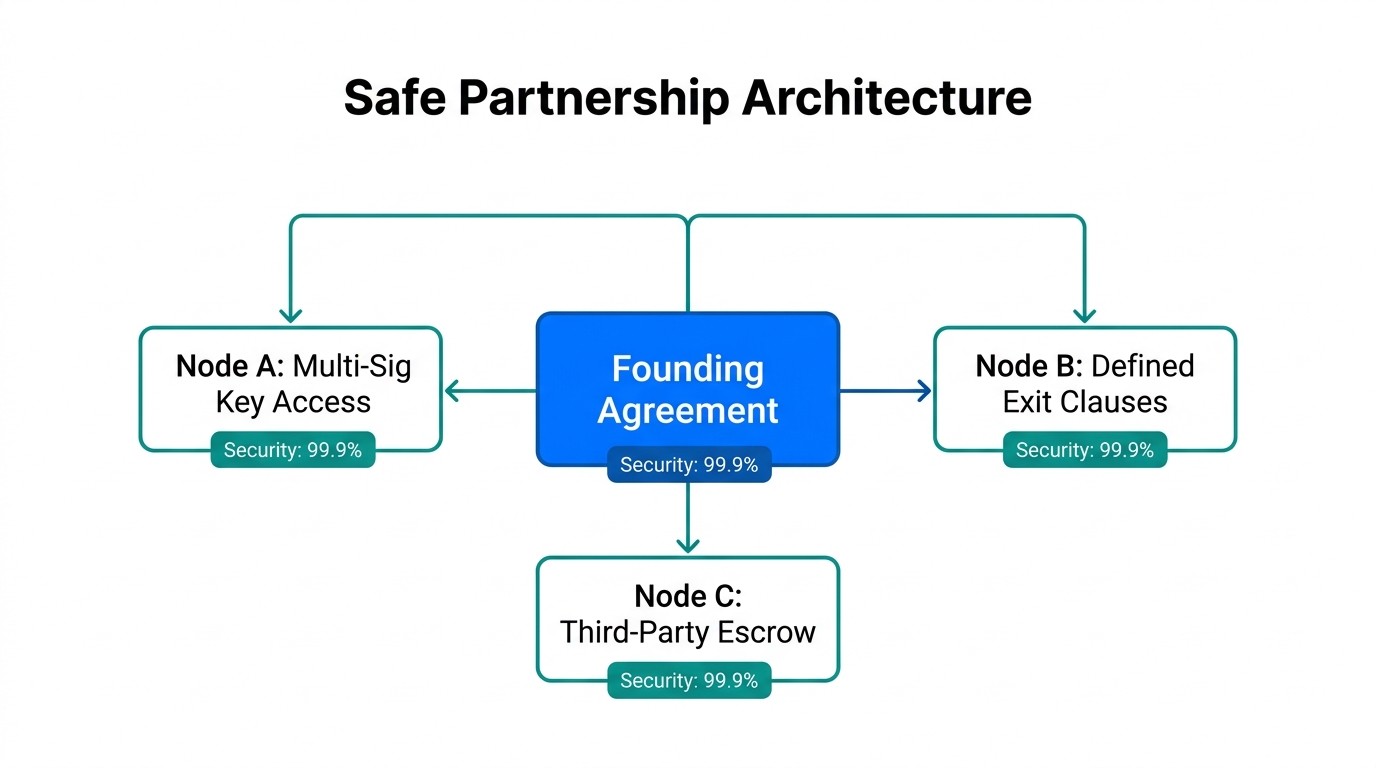
How do you avoid becoming the next IronKey headline? The secret lies in the architecture of your partnerships. Every deal you sign in 2026 should have a built-in 'unlock' mechanism.
1. Time-Bound Exclusivity
Never grant a partner indefinite rights or 'first dibs' on your IP or recovery efforts. Use sunset clauses. If a partner can't solve your problem in 90 days, you must have the contractual right to bring in additional help.
2. Multi-Key Governance
Just as modern crypto wallets use multi-sig (requiring multiple people to sign off), your business's most valuable assets—passwords, IP, and domain names—should never be controlled by a single point of failure. Tools like Okta or specialized vault managers are non-negotiable for founder risk management.
3. The 'Successor' Clause
When making handshake deals (which we still do in the valley), always include a 'Successor' verbal agreement: "I'm happy to work with you on this, but if we don't see a path forward in X months, we both agree to bring in a third party to ensure this doesn't die on the vine."
Conclusion: Building a 'Contingency-First' Mindset
The $400 million (or $800 million) lesson of the IronKey is that inaction is the riskiest move of all. Stefan Thomas represents the 'paralysis of the near-miss'—being so close to greatness that you become afraid to take the final, messy steps to secure it.
As a 2026 founder, your job is to be the locksmith of your own company. You must proactively identify where you are 'locked out'—whether that's by your own ego, an old promise, or a technical hurdle. Use the best tools available, from AI-powered outreach platforms like Stormy AI to robust legal frameworks, to ensure your 'treasure' never sits idle on a desk.
Don't wait for the tenth guess. Pivot, negotiate, and unlock your growth today.