Building an Autonomous GTM Stack: The 2026 Playbook for Claude Code and Agentic Sales
Learn how to build a terminal-native agentic GTM infrastructure using Claude Code and MCP. Master 2026 sales automation to achieve <4 second lead response times.
In 2026, the era of clicking through bloated SaaS dashboards to manage a sales pipeline is officially dead. We have transitioned from the era of "Conversational AI"—where we chatted with bots—to the era of Operational AI, where autonomous agents live in our terminals and execute our Go-To-Market (GTM) strategies in real-time. Leading this charge is Anthropic’s Claude, which has surged to a 32% enterprise market share this year. The launch of Claude Code has fundamentally changed how RevOps and GTM leaders build their infrastructure, moving away from brittle, low-code automations toward a robust, terminal-native agentic architecture.
The Shift to Operational AI: Why Terminals are Replacing Dashboards
The 2026 GTM landscape is no longer about which CRM you use, but how your "Enterprise Brain" interacts with it. Anthropic’s annualized revenue run-rate hit $14 billion in February 2026, driven largely by teams abandoning traditional UIs for the Claude Enterprise API. For the modern GTM Engineer, the terminal is the new cockpit. Tools like Claude Code allow for the orchestration of "agent swarms" that can monitor market triggers, scrape competitor mentions, and update CRM records without a human ever opening a browser tab.
"The 2026 standard is interacting with the tech stack through a terminal or a database. GTM leaders are abandoning UIs for API-first operational environments."
According to research from Panto AI, Claude Code alone reached a $2.5 billion run-rate by early 2026, signaling a massive pivot in how businesses allocate their budget. Instead of hiring more BDRs to manually vet leads, companies are investing in agentic GTM infrastructure that scales infinitely at a fraction of the cost. This shift is reflected in an 88% enterprise retention rate for Anthropic, as reported by Sociallyin, far outpacing the legacy SaaS average.
| Tool/Platform | Role in 2026 GTM Stack | Key Integration |
|---|---|---|
| Claude Code | Terminal-native orchestration & pipeline automation | Direct CLI / Local Files |
| MCP Servers | Standardized data connectors for CRM/Slack/SQL | HubSpot, Salesforce |
| Stormy AI | Autonomous influencer & UGC creator discovery | TikTok, YouTube, IG |
| Railway | Hosting persistent agents and scrapers | GitHub / Postgres |
Step-by-Step: Installing Claude Code and Connecting MCP Servers
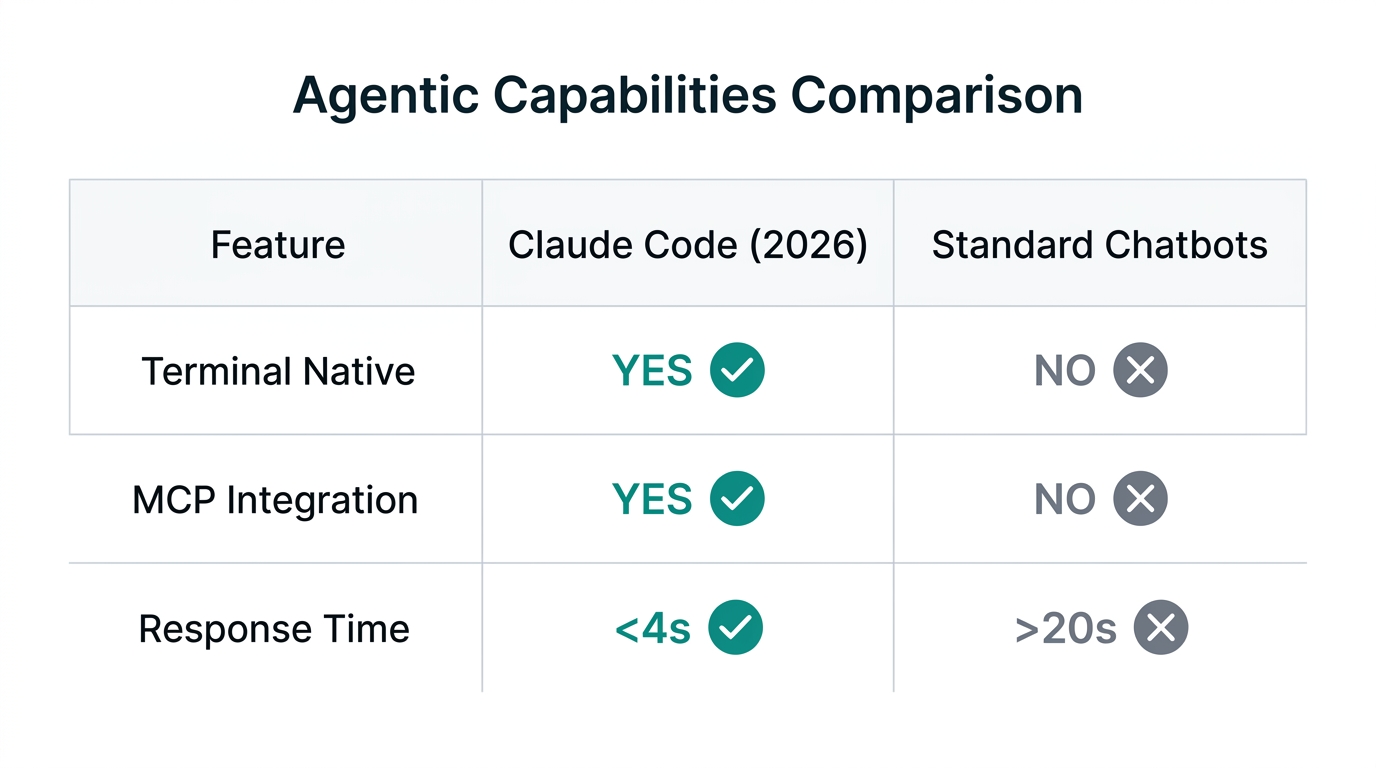
The technical backbone of the 2026 playbook is the Model Context Protocol (MCP). This open standard allows Claude to read and write directly to your database or CRM without the need for fragile middleware. To begin your Claude Code GTM automation journey, you must move beyond the web interface and into the command line. This allows the model to access your local development environment and system-level triggers.
Step 1: Environment Setup
Start by installing the Claude Code CLI via npm. You will need a Claude Max plan ($100/mo) to handle the high-volume token usage required for persistent GTM agents. Run npm install -g @anthropic-ai/claude-code followed by claude auth login. This authenticates your terminal session with Anthropic's latest models, including the high-reasoning Opus 4.6.
Step 2: Connecting Salesforce and HubSpot via MCP
The true power of agentic GTM infrastructure lies in data access. In late 2025, major platforms like Salesforce and HubSpot officially adopted the MCP standard. In your terminal, you can now run claude mcp add hubspot-server --api-key=YOUR_KEY. This command gives Claude the ability to perform complex CRM queries, such as "Find all leads who haven't been touched in 48 hours and have a high intent score from HockeyStack."
Implementing the 'Arise GTM' Framework
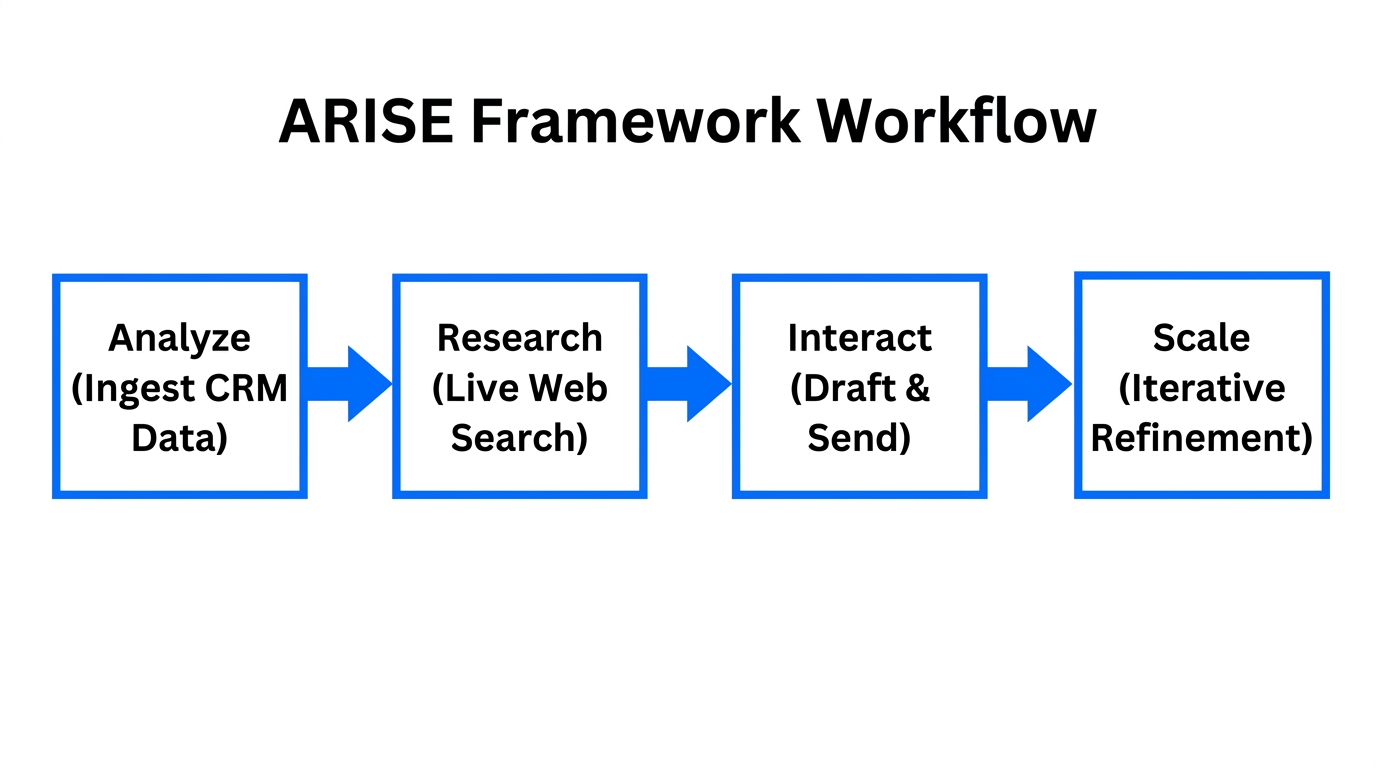
Deployment without strategy leads to "agent scatter"—where autonomous tools perform tasks that don't align with core business goals. To combat this, leading RevOps teams utilize the Arise GTM methodology. As Paul Sullivan, founder of Arise GTM, notes: "We’re aiming for an 'AI team member,' not a replacement. Success requires aligning agents within a strategic framework so they amplify marketing efforts."
This framework involves the use of "Claude Projects" as persistent GTM War Rooms. If a competitor changes their pricing at 9:00 AM, the agentic stack identifies the threat and prepares a counter-strategy by 9:15 AM. This is achieved by feeding the model 5+ years of company history and ICP data—a technique known as the "Wade Foster Warm-Up," named after the founder of Zapier. This ensures that every outbound message or tactical shift is based on surgical feedback rather than generic AI fluff. For creator-led growth, platforms like Stormy AI can be integrated into this workflow to automate the sourcing of UGC creators who fit specific brand sentiment triggers.
"Success in 2026 isn't about the model you use; it's about the context you feed it. Context Engineering is the new Prompt Engineering."
Achieving the <4-Second 'Speed-to-Lead' Benchmark
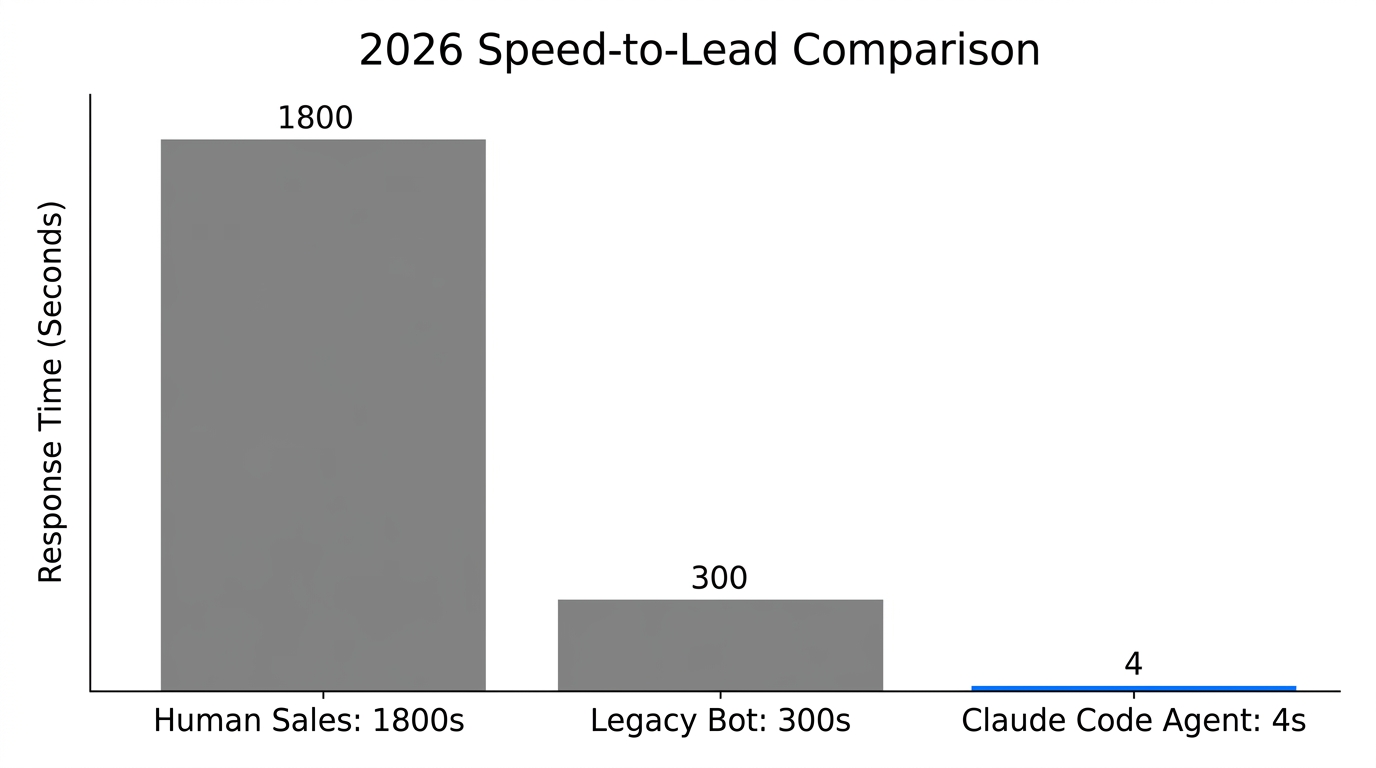
In 2026, the benchmark for high-growth companies has shifted from minutes to milliseconds. Using Claude Code-based webhooks, the transition from a "form fill" on a landing page to a personalized agent research memo in Slack now takes less than four seconds. This is a critical component of 2026 GTM strategy, as data from Panto AI suggests that leads engaged within this window convert at a 4.8% rate, compared to the industry average of 0.6% for delayed templated responses.
To implement this, GTM engineers use Claude Code to write and deploy serverless functions on Railway. These functions act as listeners: when a lead is captured, Claude immediately cross-references their profile against LinkedIn, recent news, and historical CRM data via MCP. The result is a hyper-personalized outreach draft that feels human because it is grounded in real-time context. For teams managing diverse marketing channels, integrating these agents with tools like TikTok Ads Manager allows for real-time bid adjustments based on the quality of leads flowing through the funnel.
Resource Efficiency: The ROI of Autonomous Sales Agents
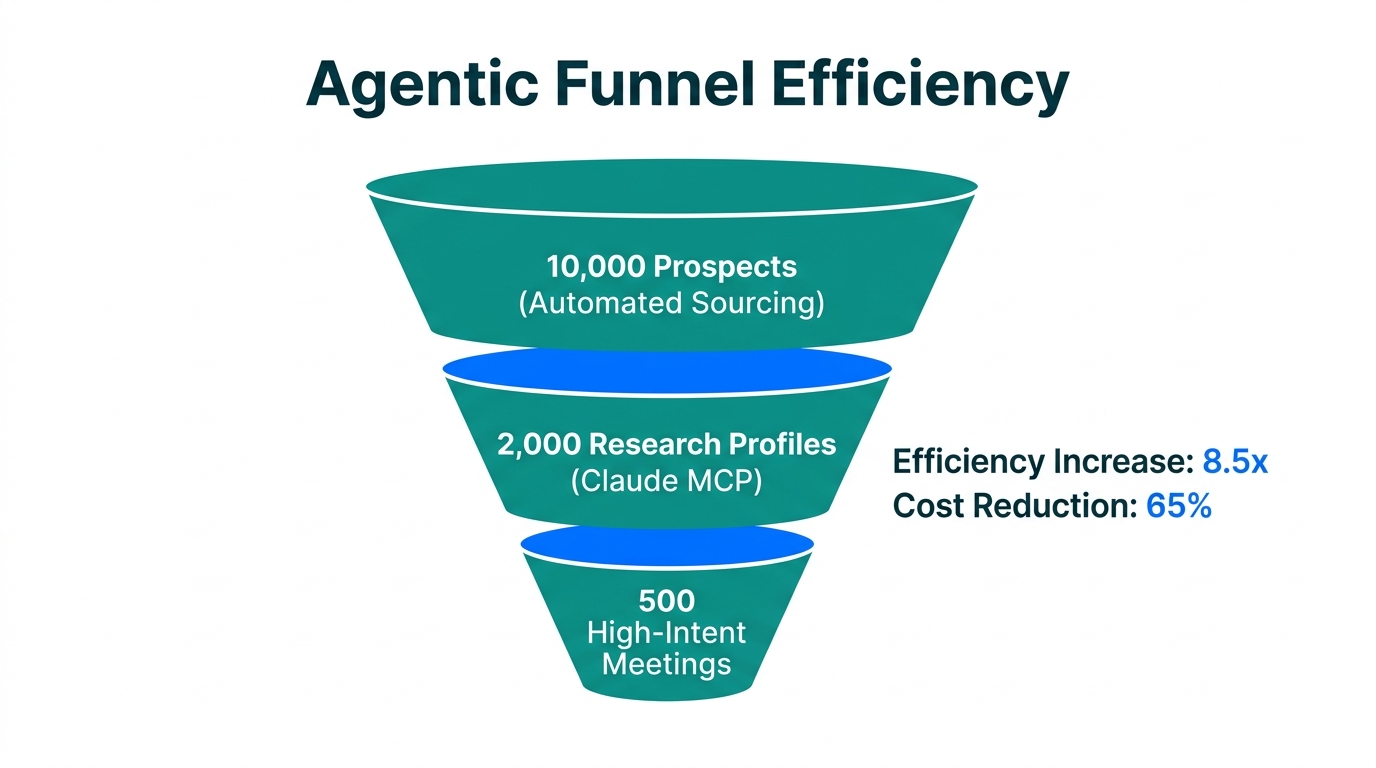
The financial argument for autonomous sales agents is undeniable. When comparing the cost of labor to compute, the 2026 data shows a massive divergence. Enterprises using Claude MCP connectors to sync real-time CRM data have reported a 42% reduction in CAC, according to HockeyStack. This is largely due to the elimination of "dead-end" leads through autonomous filtering and superior research.
Furthermore, the "Context Stack" approach popularized by agencies like Scaleport demonstrates the power of persistent memory. By scraping every Slack message, Zoom transcript, and Asana task into a PostgreSQL database and pointing Claude Code at it, they achieved a 94% client retention rate. The AI effectively "knew the business better than the account managers did," providing daily GTM pulses that were impossible to replicate with human labor alone. For those looking to scale creator outreach, utilizing Stormy AI can similarly reduce the hours spent on manual influencer discovery and vetting.
2026 Model Comparison: Why Claude Wins for GTM
While OpenAI and Google remain strong competitors, the 2026 consensus among RevOps leaders is that Claude is the superior choice for strategic reasoning and brand voice. While GPT-5.2 is often preferred for high-volume Python bidding scripts due to its "math speed," Claude's ability to detect "Belief Friction"—identifying exactly where a customer is hesitant—makes it the gold standard for sales copy and strategic planning.
| Feature | Claude (Opus 4.6) | OpenAI (o3/GPT-5) | Google Gemini 3 Pro |
|---|---|---|---|
| Best For | Strategic Reasoning & Brand Voice | Data Analysis & Math | Ecosystem Integration |
| Context Window | 200K (1M Beta) | 128K - 400K | 1M - 2M Standard |
| Philosophy | Operational / Agentic | Performance / Logic | Distribution / Multimodal |
Navigating the Pitfalls of the Agentic Stack
Despite the efficiency gains, the 2026 GTM stack is not without its challenges. The most prominent issue is the "Sea of Sameness." Because so many companies use Claude for creative, B2B ads can begin to sound identical—a phenomenon known as the "Anthropic Voice." To avoid this, GTM strategists like Maja Voje emphasize the importance of primary sources: "AI works best when you feed it call transcripts, not generic prompts. That’s where the magic happens."
Additionally, Context Poisoning can occur if outdated GTM plans are left in the Claude Project's knowledge base. Practitioners must regularly prune their "Context Stacks" to ensure the agent isn't hallucinating mid-funnel tactics from 2024. Security also remains a top priority; as noted by analysts at GTMnow, the move toward "Sovereign AI" and partnerships like Anthropic x Snowflake ensures that proprietary GTM data never leaves a company's secure cloud environment, mitigating the risk of competitive data leaks.
Conclusion: The Future of GTM is Terminal-Native
The transition to an autonomous GTM stack is no longer optional for companies looking to compete in 2026. By leveraging Claude Code, the Model Context Protocol, and strategic frameworks like Arise GTM, businesses can achieve unprecedented efficiency and speed. Whether it's reducing lead response times to under four seconds or lowering the cost per lead to $0.12, the agentic GTM infrastructure is the most powerful weapon in a RevOps leader's arsenal.
To start building your stack, begin by experimenting with terminal-native agents and integrating specialized tools like Stormy AI for creator management. The winners of this era will be those who master Context Engineering and move their operations from the browser to the brain of the enterprise. The terminal is open—it's time to build.