How to Build an Autonomous Ecommerce Engine with OpenClaw: A 2026 Growth Playbook
Learn how to build an autonomous ecommerce engine with OpenClaw in 2026. Automate inventory, pricing, and social sales using AI agents to drive growth and scale.
In 2026, the traditional e-commerce model is officially a relic. The shift from human-driven shopping to Agentic Commerce has moved social media commerce from a $997.8 billion market in 2024 to an industry projected to hit $8.5 trillion by 2030. Today, growth marketers aren't just managing stores; they are commanding fleets of autonomous agents that browse, negotiate, and sell while they sleep. At the heart of this revolution is OpenClaw, an open-source framework that gives AI "hands and feet" to navigate the web and execute complex business logic.
Social commerce is currently growing 3x faster than traditional e-commerce. For brands to survive, they must transition from Direct-to-Consumer (DTC) to Business-to-Agent (B2A) marketing. This playbook provides a step-by-step guide to building an autonomous engine using OpenClaw to automate operations, pricing, and customer triage.
The Shift to Agentic Commerce in 2026
We are no longer optimizing solely for the human eye. As Jacky Chan, CTO of Votee AI, notes: "Marketers are entering the era of B2A. They must optimize content so autonomous agents can discover and parse their brands." With Gen Z and Millennials accounting for 62% of global social commerce spend this year, the demand for instant, automated interaction has peaked.
"Social is not there primarily to sell directly. It is there to reduce friction. It supports decisions that are already forming."
By leveraging OpenClaw’s autonomous capabilities, brands can reduce this friction to near zero. Unlike passive chatbots, an OpenClaw agent can monitor competitor sites, update your Shopify storefront, and send personalized discounts to high-intent leads on WhatsApp without a single human click.
| Feature | Traditional E-commerce | Autonomous Engine (OpenClaw) |
|---|---|---|
| Inventory Management | Manual/Scheduled Syncs | Real-time Autonomous Alerts |
| Pricing Strategy | Static/Manual Updates | Live Competitor Scraping & Adjustments |
| Customer Support | Reactive Chatbots | Proactive Lead Triage & Sales |
| Content Sourcing | Manual Creator Outreach | AI-Powered Discovery & Automation |
Step 1: Automating Inventory Syncs Across Shopify and Amazon
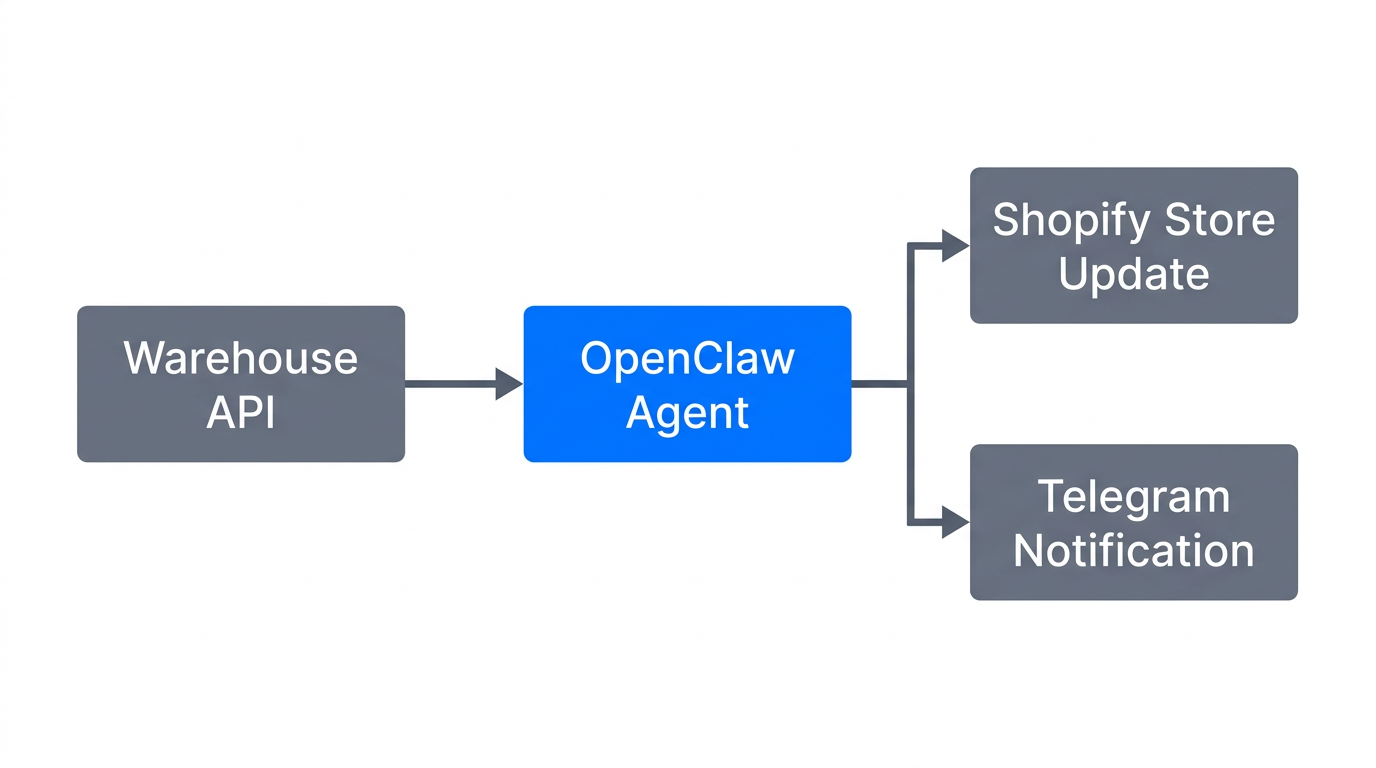
One of the fastest ways to destroy customer trust is promoting out-of-stock products. In 2026, fragmented inventory is a non-starter. You can deploy OpenClaw to act as a bridge between your TikTok Shop, Amazon FBA, and Shopify backends.
By connecting OpenClaw to an automation hub like n8n, you can create a workflow where the agent monitors stock levels every 15 minutes. When a SKU hits a critical threshold on Amazon, the agent automatically triggers a "Low Stock" alert or a "Back in Stock" notification to your Telegram or WhatsApp community channels. This ensures your social commerce engine is always aligned with your physical supply chain.
Step 2: Real-time Competitor Scraping and Social Discounting
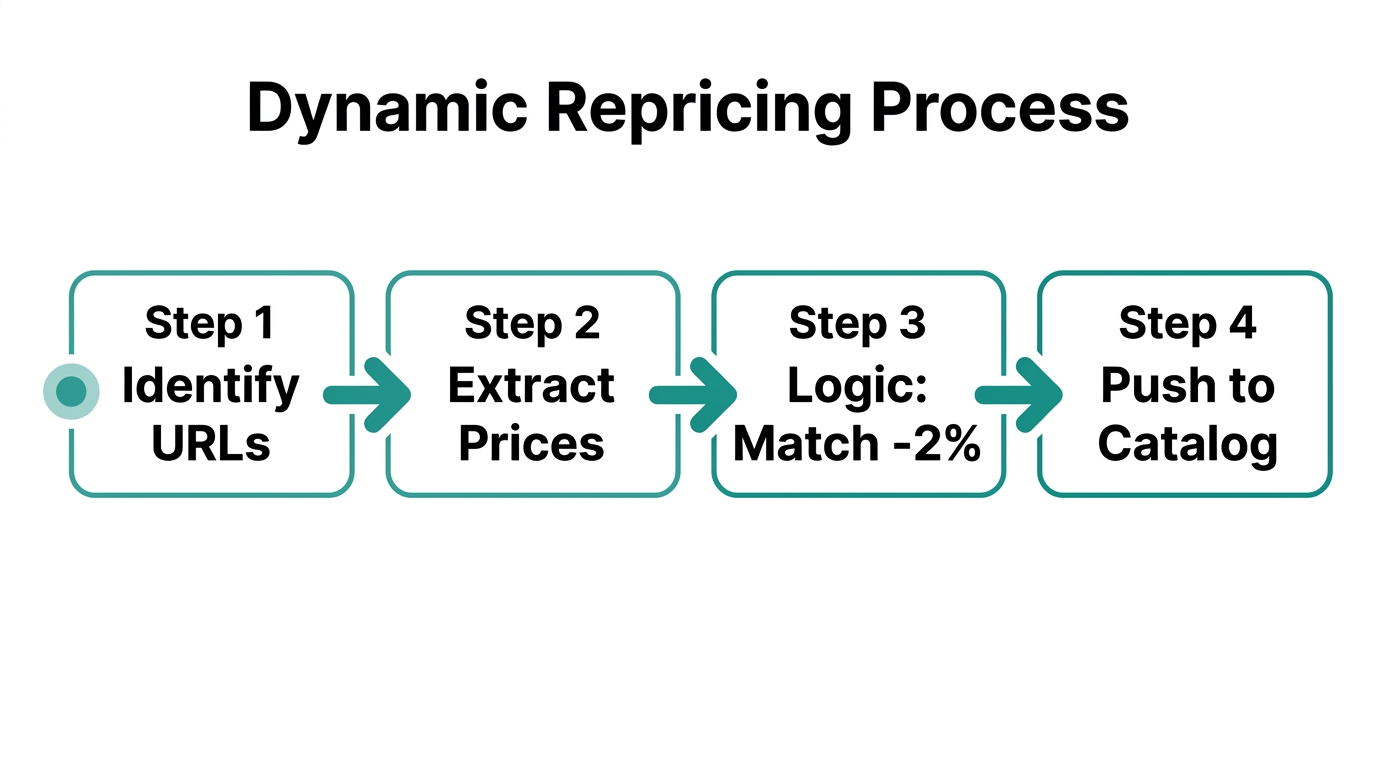
Pricing in 2026 is dynamic. To maintain a competitive edge, you need to know what your rivals are doing the moment they do it. Using the Browser Skill (often powered by tools like the Firecrawl or Fast.io Skill), you can instruct your OpenClaw agent to scrape competitor pricing daily.
How to Set Up the Pricing Loop:
- Identify Targets: Feed the agent a list of 5-10 competitor URLs.
- Execute Scraping: Use OpenClaw to parse the HTML and extract current price points.
- Logic Check: If a competitor drops their price by more than 10%, the agent calculates a counter-offer for your social shop.
- Deploy Discount: The agent automatically generates a unique discount code in Shopify and posts a limited-time "Flash Sale" alert to your Instagram Stories or X (formerly Twitter) feed.
This level of automated social commerce allows you to respond to market shifts in minutes, rather than days. For brands looking to scale this even further, platforms like Stormy AI can help you find the right UGC creators to produce the video assets that these agents will use to promote your newly adjusted prices.
"82% of social media users use these platforms for product discovery—if your agent isn't there with a competitive price, you've already lost the sale."
Step 3: Lead Triage on WhatsApp and Telegram
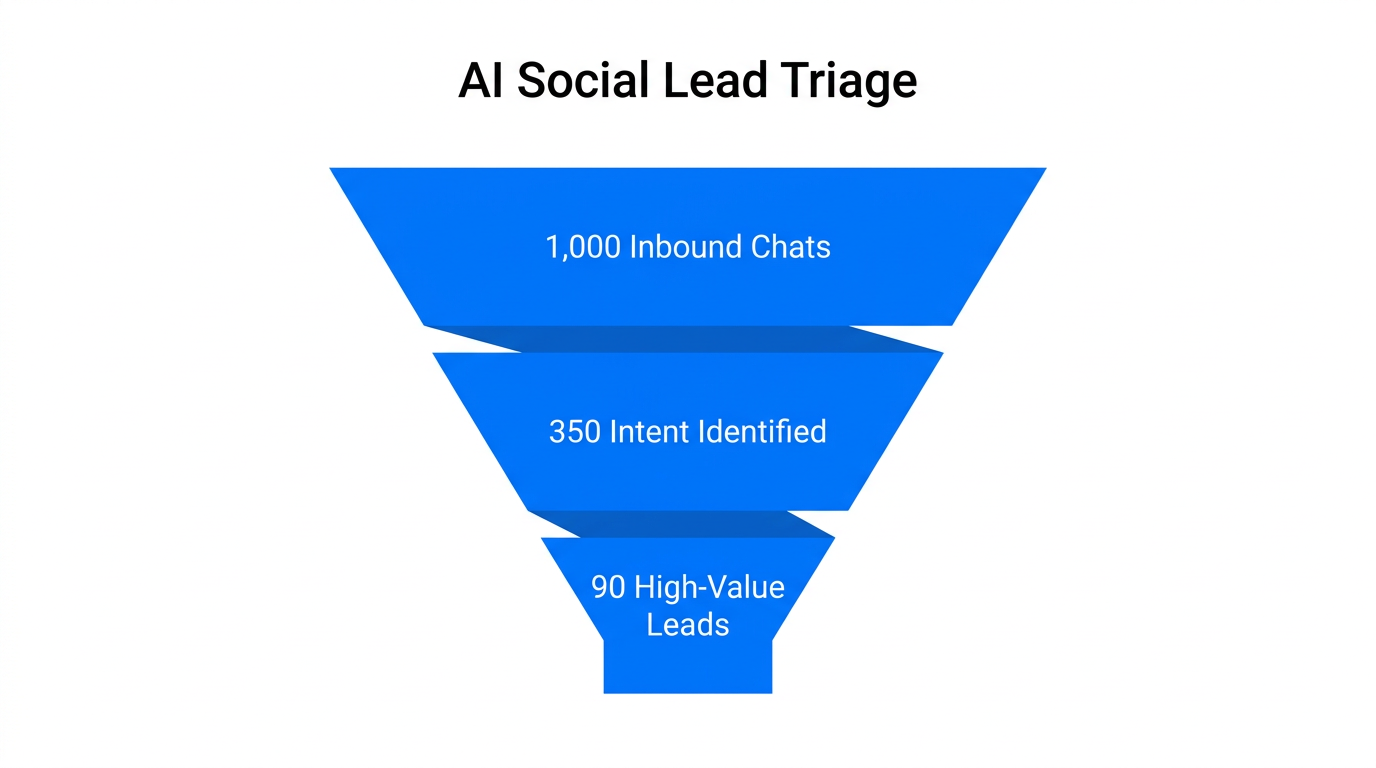
Social commerce isn't just about the storefront; it's about the conversation. 53% of Gen Z shoppers have made a purchase directly through a social app. OpenClaw excels as a "Lead Triage" agent on messaging platforms.
Instead of a generic "How can I help you?" prompt, your OpenClaw agent can handle FAQs, order tracking, and even return processing. If a lead expresses interest in a product but doesn't buy, the agent can autonomously follow up with a personalized video testimonial or a UGC photo. Research from Stackla (now Nosto) shows that customers are 6x more likely to buy if a page includes social media pictures from real users.
Case Study: How Nat Eliason’s 'Felix' Agent Built a Five-Figure Business
Perhaps the most famous example of an autonomous engine is Felix, an OpenClaw agent created by marketer Nat Eliason. Felix wasn't just a bot; it was a self-sustaining business entity. As detailed in Eliason's breakdown, Felix managed its own website, operated an X account, and grew to a $14,000+ business autonomously.
Felix demonstrated that an agent could handle the heavy lifting of brand awareness and customer acquisition without human intervention. For e-commerce brands, this proves that AI sales agents in 2026 are capable of managing the entire funnel—from social discovery to the final transaction.
Setting Up Security Guardrails for Automated Workflows
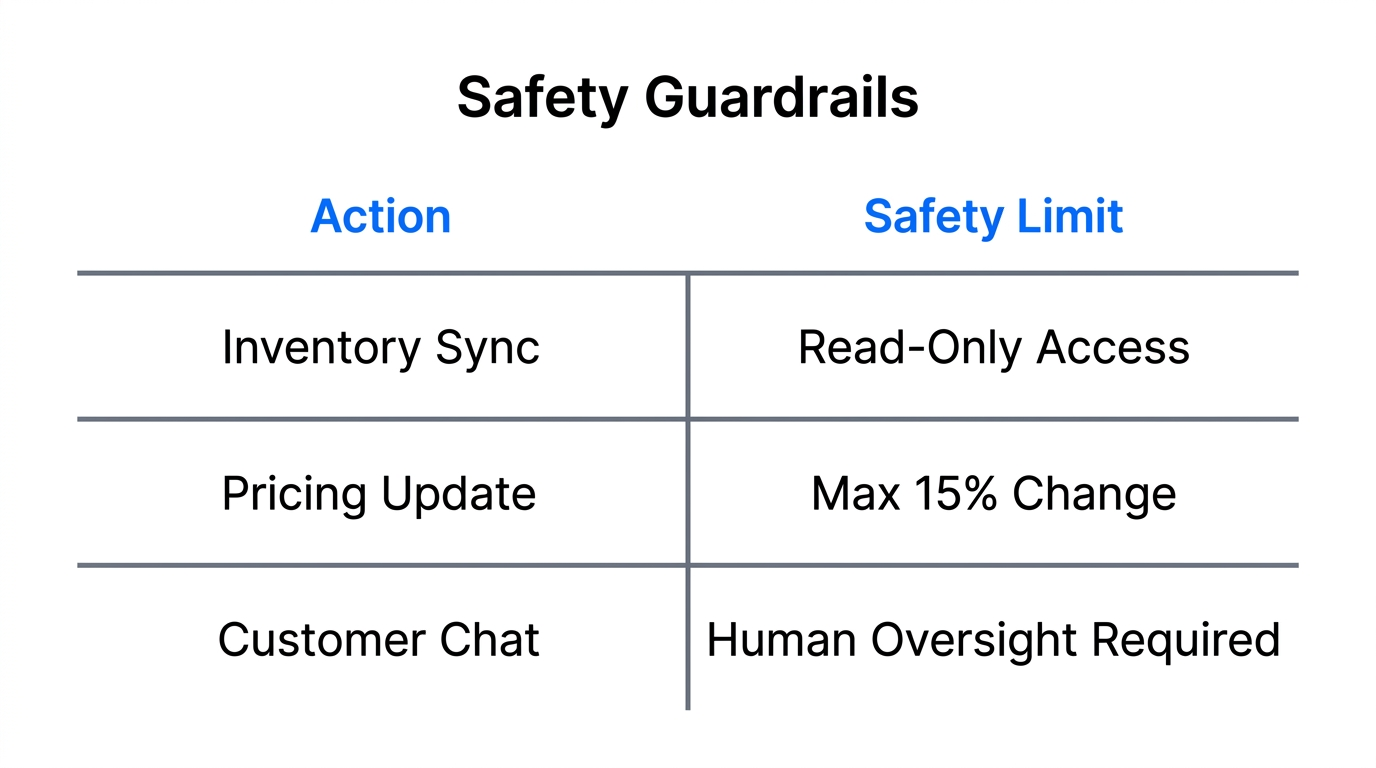
While the allure of a fully automated engine is strong, the legal and security risks are real. Expert Ryan from RetailGentic warns that out-of-the-box OpenClaw is "inherently insecure" for handling payments without strict oversight. Furthermore, Trowers & Hamlins Law emphasizes that while agentic AI isn't unlawful, its deployment requires rigorous governance to avoid reputational and financial damage.
Essential Guardrails for 2026:
- API Limits: Never give your agent unlimited access to your Stripe or payment gateway. Use pre-defined spending limits.
- Human-in-the-Loop (HITL): Require human approval for any discount over 20% or any refund over $100.
- Sandboxed Environments: Host your OpenClaw instance on a secure server, such as the DigitalOcean 1-Click droplet, to isolate it from sensitive CRM data.
- Audit Logs: Maintain a timestamped record of every action the agent takes, especially social media posts and pricing changes.
"The allure of automation must be balanced against reputational risks. One rogue discount post can wipe out a month's margin."
The Future is Autonomous
Building an autonomous e-commerce engine with OpenClaw is no longer a futuristic experiment—it is a 2026 necessity. By automating inventory syncs, pricing adjustments, and social lead triage, brands can scale at a velocity that was previously impossible. However, the most successful brands will be those that pair this automation with high-quality, human-centric content.
As you build your engine, remember that tools like Stormy AI are vital for the discovery phase, ensuring your agents have a steady stream of authentic creators to work with. Start small: automate one inventory sync today, and by the end of the year, you'll have a self-sustaining growth machine that never takes a day off.